
• Research
  • Politika
  • About
Carnegie Russia Eurasia center logoCarnegie lettermark logo
  • Donate
{
  "authors": [
    "Marc Pierini",
    "Sinan Ülgen",
    "Maha Yahya",
    "Jan Techau"
  ],
  "type": "other",
  "centerAffiliationAll": "dc",
  "centers": [
    "Carnegie Endowment for International Peace",
    "Carnegie Europe"
  ],
  "collections": [
    "Turkey’s Transformation"
  ],
  "englishNewsletterAll": "ctw",
  "nonEnglishNewsletterAll": "",
  "primaryCenter": "Carnegie Europe",
  "programAffiliation": "EP",
  "programs": [
    "Europe"
  ],
  "projects": [],
  "regions": [
    "Europe",
    "Türkiye",
    "Iran"
  ],
  "topics": []
}
REQUIRED IMAGE

REQUIRED IMAGE

Other
Carnegie Europe

Media Call: Turkey’s Attempted Coup

Link Copied
By Marc Pierini, Sinan Ülgen, Maha Yahya, Jan Techau
Published on Jul 16, 2016

On July 15, 2016, Turkey was shaken by an attempted military coup. As the events unfolded, Carnegie Europe hosted a media call with Marc Pierini, Sinan Ülgen, and Maha Yahya to discuss the implications of the botched coup for Turkey’s domestic politics and international relations. Jan Techau moderated.

You can listen to the audio of the call here.

About the Authors

Marc Pierini

Senior Fellow, Carnegie Europe

Marc Pierini is a senior fellow at Carnegie Europe, where his research focuses on developments in the Middle East and Turkey from a European perspective.

Sinan Ülgen

Senior Fellow, Carnegie Europe

Sinan Ülgen is a senior fellow at Carnegie Europe in Brussels, where his research focuses on Turkish foreign policy, transatlantic relations, international trade, economic security, and digital policy.

Maha Yahya

Director, Malcolm H. Kerr Carnegie Middle East Center

Maha Yahya is director of the Malcolm H. Kerr Carnegie Middle East Center, where her research focuses on citizenship, pluralism, and social justice in the aftermath of the Arab uprisings.

Jan Techau

Director, Europe Team, Eurasia Group

Techau is director with Eurasia Group's Europe team, covering Germany and European security from Berlin. Previously, he was director of Carnegie Europe.

Authors

Marc Pierini
Senior Fellow, Carnegie Europe
Marc Pierini
Sinan Ülgen
Senior Fellow, Carnegie Europe
Sinan Ülgen
Maha Yahya
Director, Malcolm H. Kerr Carnegie Middle East Center
Maha Yahya
Jan Techau
Director, Europe Team, Eurasia Group
Jan Techau
EuropeTürkiyeIran

Carnegie does not take institutional positions on public policy issues; the views represented herein are those of the author(s) and do not necessarily reflect the views of Carnegie, its staff, or its trustees.

More Work from Carnegie Russia Eurasia Center

  • Commentary
    Carnegie Politika
    Brussels and Baku Are Talking Again: What Next?

    Azerbaijan’s relations with the EU appear to be going from strength to strength after several years in the deep freeze following the military escalation in Karabakh in 2023 and Azerbaijan’s bitter fallout with France and several other EU member states.

      Shujaat Ahmadzada

  • Commentary
    Carnegie Politika
    The Much-Touted Middle Corridor Transport Route Could Prove a Dead End

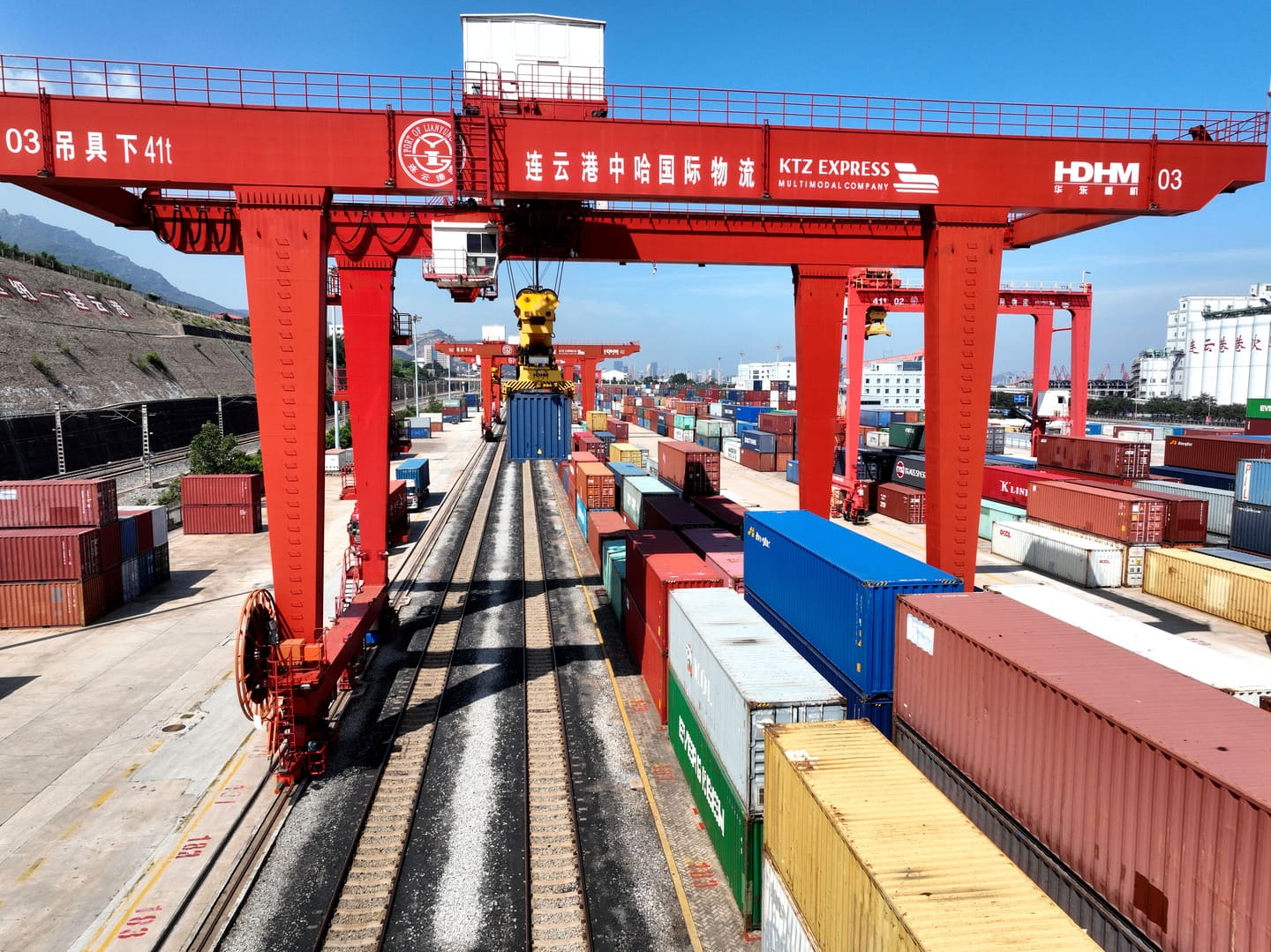
    For the Middle Corridor to fulfill its promises, one of these routes must become scalable. At present, neither is.

      Friedrich Conradi

  • Commentary
    Carnegie Politika
    Russia Is Meddling for Meddling’s Sake in the Middle East

    The Russian leadership wants to avoid a dangerous precedent in which it is squeezed out of Iran by the United States and Israel—and left powerless to respond in any meaningful way.

      Nikita Smagin

  • Commentary
    Carnegie Politika
    Will Hungary’s New Leader Really Change EU Policy on Russia and Ukraine?

    Orbán created an image for himself as virtually the only opponent of aid to Ukraine in the entire EU. But in reality, he was simply willing to use his veto to absorb all the backlash, allowing other opponents to remain in the shadows.

      Maksim Samorukov

  • Commentary
    Carnegie Politika
    What the Russian Energy Sector Stands to Gain From War in the Middle East

    The future trajectory of the U.S.-Iran war remains uncertain, but its impact on global energy trade flows and ties will be far-reaching. Moscow is likely to become a key beneficiary of these changes; the crisis in the Gulf also strengthens Russia’s hand in its relationships with China and India, where advantages might prove more durable.

      • Sergey Vakulenko

      Sergey Vakulenko

Get more news and analysis from
Carnegie Russia Eurasia Center
Carnegie Russia Eurasia logo, white
  • Research
  • Politika
  • About
  • Experts
  • Events
  • Contact
  • Privacy
  • For Media
Get more news and analysis from
Carnegie Russia Eurasia Center
© 2026 Carnegie Endowment for International Peace. All rights reserved.