

Paper
Renad Mansour, Faleh A. Jabar
{
  "authors": [
    "Renad Mansour"
  ],
  "type": "legacyinthemedia",
  "centerAffiliationAll": "dc",
  "centers": [
    "Carnegie Endowment for International Peace",
    "Malcolm H. Kerr Carnegie Middle East Center"
  ],
  "collections": [],
  "englishNewsletterAll": "menaTransitions",
  "nonEnglishNewsletterAll": "",
  "primaryCenter": "Malcolm H. Kerr Carnegie Middle East Center",
  "programAffiliation": "MEP",
  "programs": [
    "Middle East"
  ],
  "projects": [],
  "regions": [
    "Türkiye",
    "Middle East"
  ],
  "topics": [
    "Political Reform"
  ]
}
Source: Getty
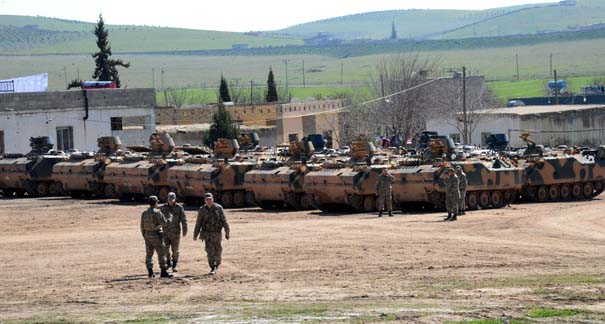
Turkey's perception of the Kurdish groups in northern Syria as an existential threat has been the driving force for its increased military involvement in Syria.
Source: Al Jazeera
Carnegie’s Renad Mansour spoke with Dareen Abu Ghaida on Al Jazeera’s Inside Story alongside President of the Middle East Research Institute Dlawer Ala'aldeen and Bilal Sumbar, professor of social sciences at Yildirim Beyazit University, to discuss Turkey's ramped up military invovlement in Syria.
Mansour argued that Turkey has been attacking Kurdish groups in northern Syria, such as the YPG, as it perceives them as a bigger existential threat than the Islamic State. According to Mansour, Turkey's actions in Syria are meant to stop any Kurdish advancements. He also believes that Turkey could reach out to former foes like Russia or the Assad regime to stop the Kurds from gaining territory. Mansour explained that it is doubtful that President Erdogan of Turkey will change course in Syria as he no longer needs Kurds as electoral allies and that even before the Syrian conflict, Turkey and the Syrian government were in agreement over the Kurdish issue.

Former El-Erian Fellow, Middle East Center
Mansour was an El-Erian fellow at the Carnegie Middle East Center, where his research focuses on Iraq, Iran, and Kurdish affairs.
Recent Work
Renad Mansour, Faleh A. Jabar
Renad Mansour
Carnegie does not take institutional positions on public policy issues; the views represented herein are those of the author(s) and do not necessarily reflect the views of Carnegie, its staff, or its trustees.

If the Russian-speaking community in Latvia cannot articulate their interests without being seen as disloyal, they could end up embracing a pro-Kremlin agenda.

Sergejs Potapkins

Russia’s ruling party would have benefited from Putin appearing as its distant patron, but as an active frontman imposing his views on the public, he has done nothing but harm both the party’s election campaign and the ruling system overall.

Andrey Pertsev

In the tenth year of his presidency, President Mirziyoyev’s system is becoming even more personalized than that of his predecessor Karimov.

Galiya Ibragimova
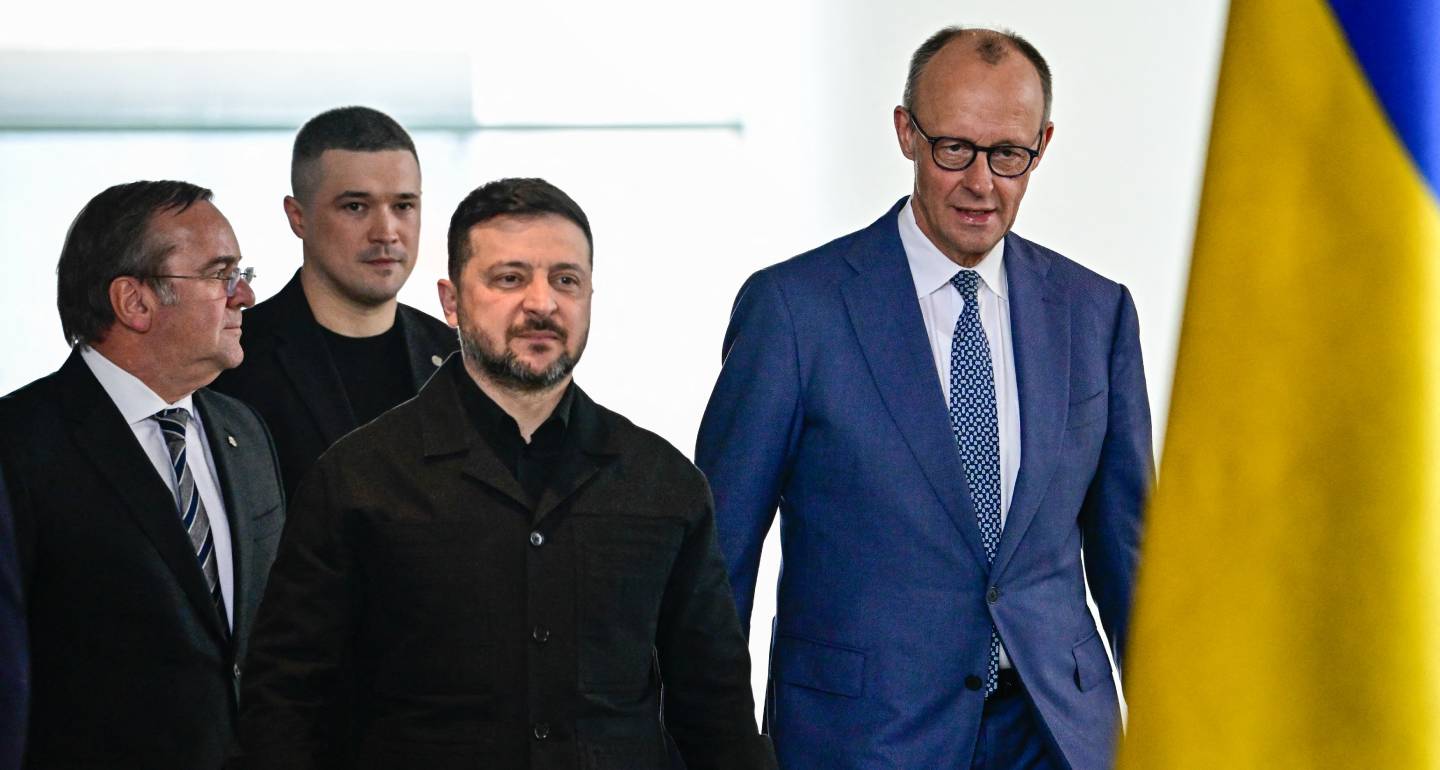
The greater threat to Zelensky comes not from Fedorov alone, but from the convergence between the former defense minister’s political campaign and the anti-corruption investigations moving ever closer to the presidential administration.

Balázs Jarábik
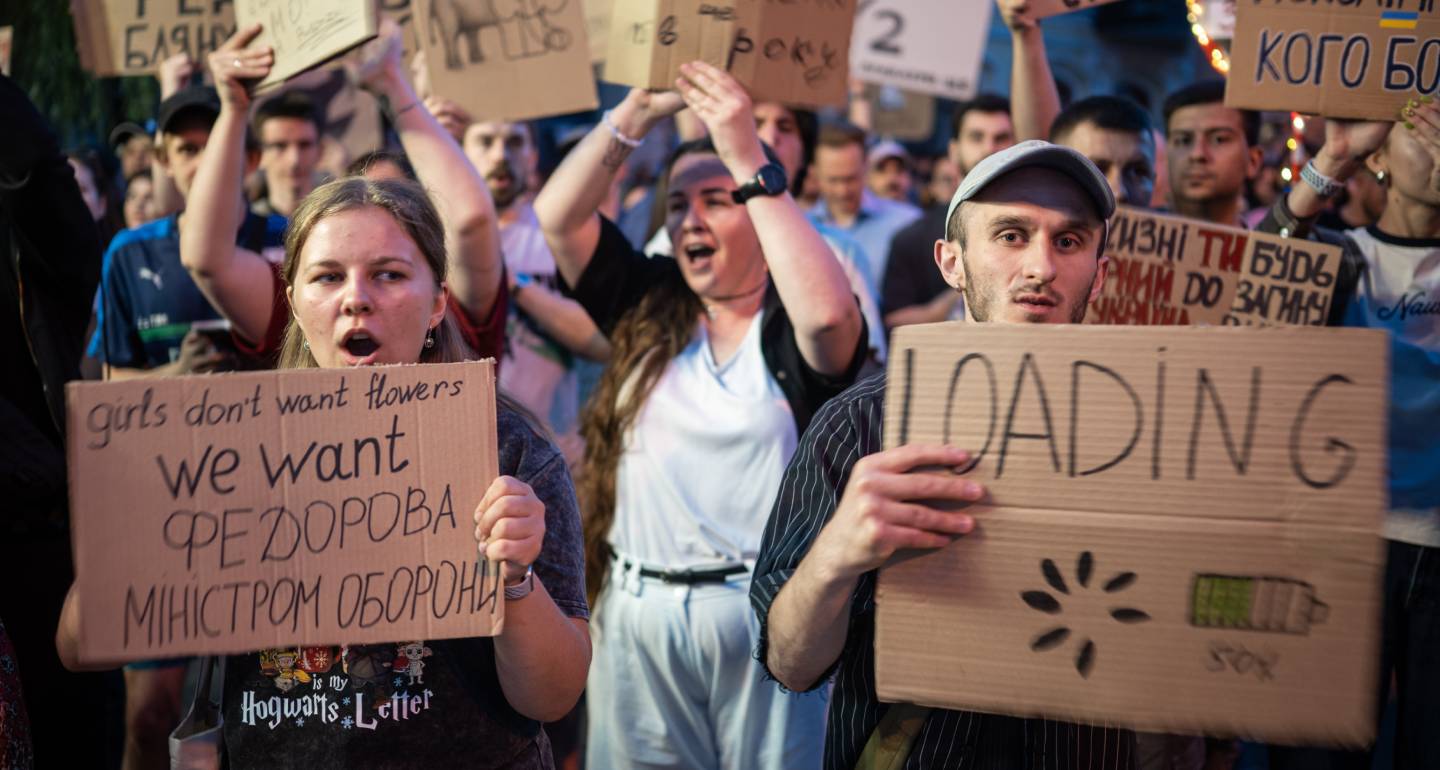
With his public call for new elections in Ukraine, ex-defense minister Mykhailo Fedorov has opened Pandora’s box.

Konstantin Skorkin