

Paper
Ashley J. Tellis
{
  "authors": [
    "Ashley J. Tellis"
  ],
  "type": "other",
  "centerAffiliationAll": "dc",
  "centers": [
    "Carnegie Endowment for International Peace"
  ],
  "collections": [],
  "englishNewsletterAll": "ctw",
  "nonEnglishNewsletterAll": "",
  "primaryCenter": "Carnegie Endowment for International Peace",
  "programAffiliation": "SAP",
  "programs": [
    "South Asia"
  ],
  "projects": [],
  "regions": [
    "South Asia",
    "India"
  ],
  "topics": []
}
Source: Getty
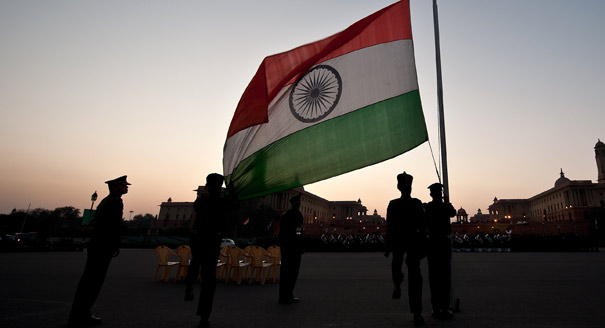
India will only become a leading power when its economic foundations, state institutions, and military capabilities are truly robust.
Source: Manthan
Prime Minister Narendra Modi’s call for India to become a leading power represents a change in how the country’s top political leadership conceives of its role in international politics. In Modi’s vision, a leading power is essentially a great power. However, India will only acquire this status when its economic foundations, its state institutions, and its military capabilities are truly robust. It will take concerted effort to reach this pinnacle—can India get there?
Former Senior Fellow
Ashley J. Tellis was a senior fellow at the Carnegie Endowment for International Peace.
Recent Work
Ashley J. Tellis
Ashley J. Tellis
Carnegie does not take institutional positions on public policy issues; the views represented herein are those of the author(s) and do not necessarily reflect the views of Carnegie, its staff, or its trustees.

With the growth in points of friction between the great powers, organizations like the SCO will continue to play a role in the strategic adaptation of the smaller powers caught between them.

Temur Umarov

The demands of the Kremlin’s war in Ukraine, demographic problems, and public hostility toward Central Asians mean Russia does not have enough workers.
Salavat Abylkalikov
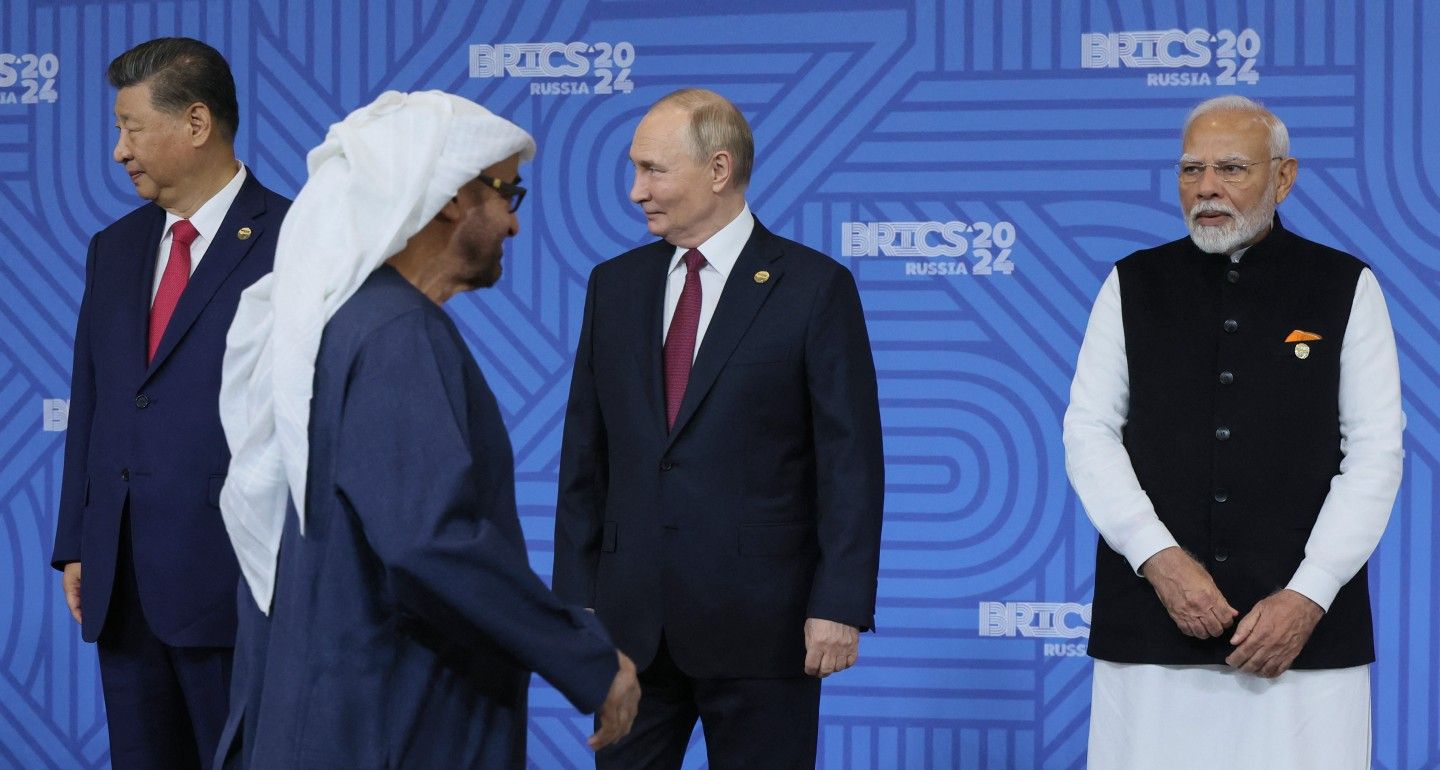
It might seem that within BRICS, Russia should be overshadowed by the giant economies of China and India, especially the former. Yet what is happening is almost the opposite, with Russia effectively taking over the leading role in the club.

Alexander Baunov
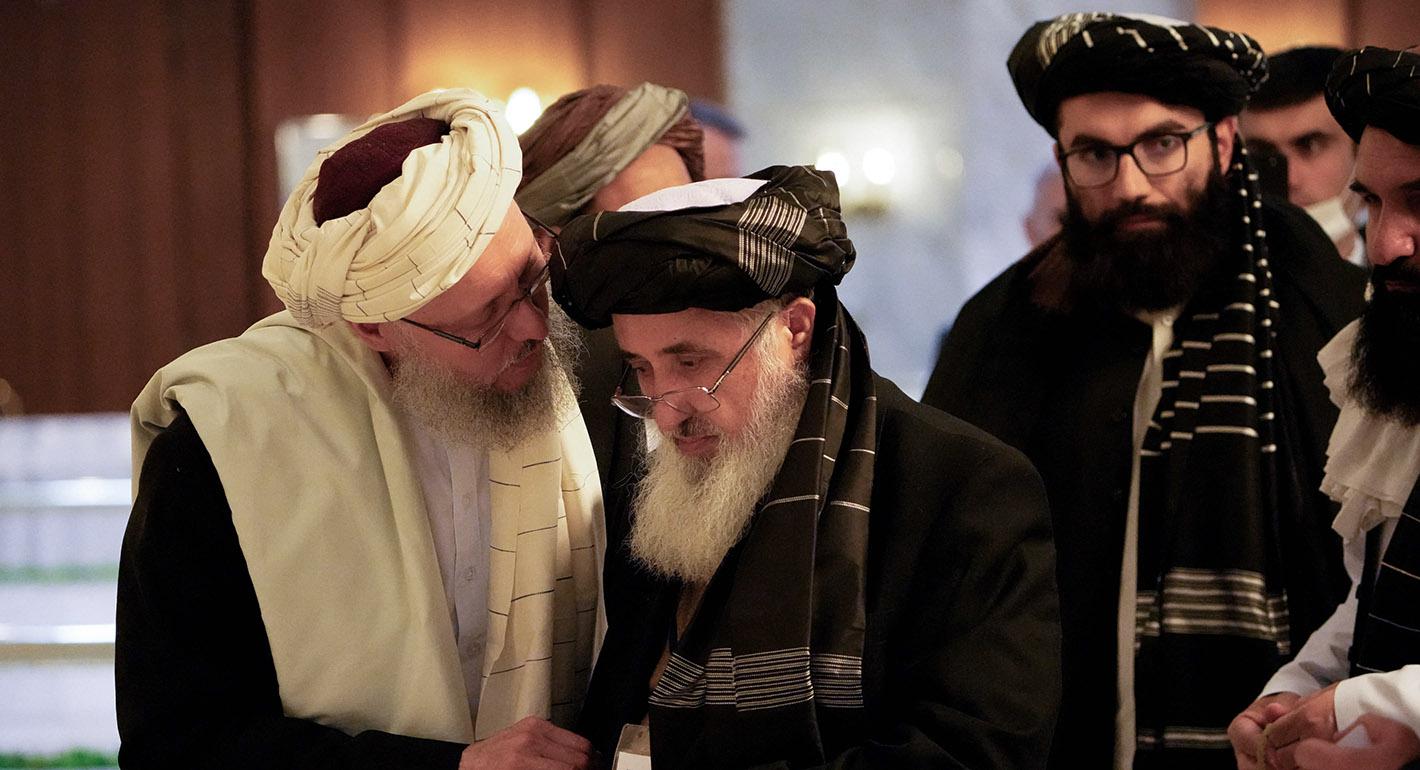
As Russia’s relationship with the West has deteriorated, the Kremlin’s view of the Taliban has changed. But substantive economic cooperation will be hard to achieve.
Ruslan Suleymanov
And how Russia’s war has upended ties in China, Turkey, and the Arctic.


Judy Dempsey, Alexander Gabuev, Rose Gottemoeller, …