

Q&A
- +1
Sheena Chestnut Greitens, Oriana Skylar Mastro, Yukon Huang, …
{
  "authors": [
    "Yukon Huang"
  ],
  "type": "legacyinthemedia",
  "centerAffiliationAll": "dc",
  "centers": [
    "Carnegie Endowment for International Peace"
  ],
  "collections": [],
  "englishNewsletterAll": "asia",
  "nonEnglishNewsletterAll": "",
  "primaryCenter": "Carnegie Endowment for International Peace",
  "programAffiliation": "AP",
  "programs": [
    "Asia"
  ],
  "projects": [],
  "regions": [
    "East Asia",
    "China"
  ],
  "topics": [
    "Economy"
  ]
}
Source: Getty
Data suggests that the Chinese economy has stabilized in spite of a global economic slowdown, with increased investment and rising property values signalling a stable, though slower, growth.
Source: CCTV America
Speaking on a three-person panel discussion with CCTV America, Carnegie’s Yukon Huang discussed how China can move forward as its economy shows signs of stabilizing. The panel of experts agreed that recent data supports the view that China is rebounding despite facing global economic slowdown, with key indicators such as growing public investment and a small housing boom pointing to stabilization. In addressing how China can sustain stable growth amidst the global slowdown, Huang pointed to the importance of the Chinese government fostering domestic demand. Huang noted that the government is already involved in areas such as a new urbanization initiative, which will foster growth in housing and social service sectors, guiding the country’s economy to become more domestic and service-oriented. Additionally, Huang argued that China could benefit from a more open, liberal investment environment that provides domestic alternatives for investors, which could continue to help stabilize growth.

Senior Fellow, Asia Program
Huang is a senior fellow in the Carnegie Asia Program where his research focuses on China’s economy and its regional and global impact.
Recent Work


Sheena Chestnut Greitens, Oriana Skylar Mastro, Yukon Huang, …

Yukon Huang, Isaac B. Kardon, Matt Sheehan
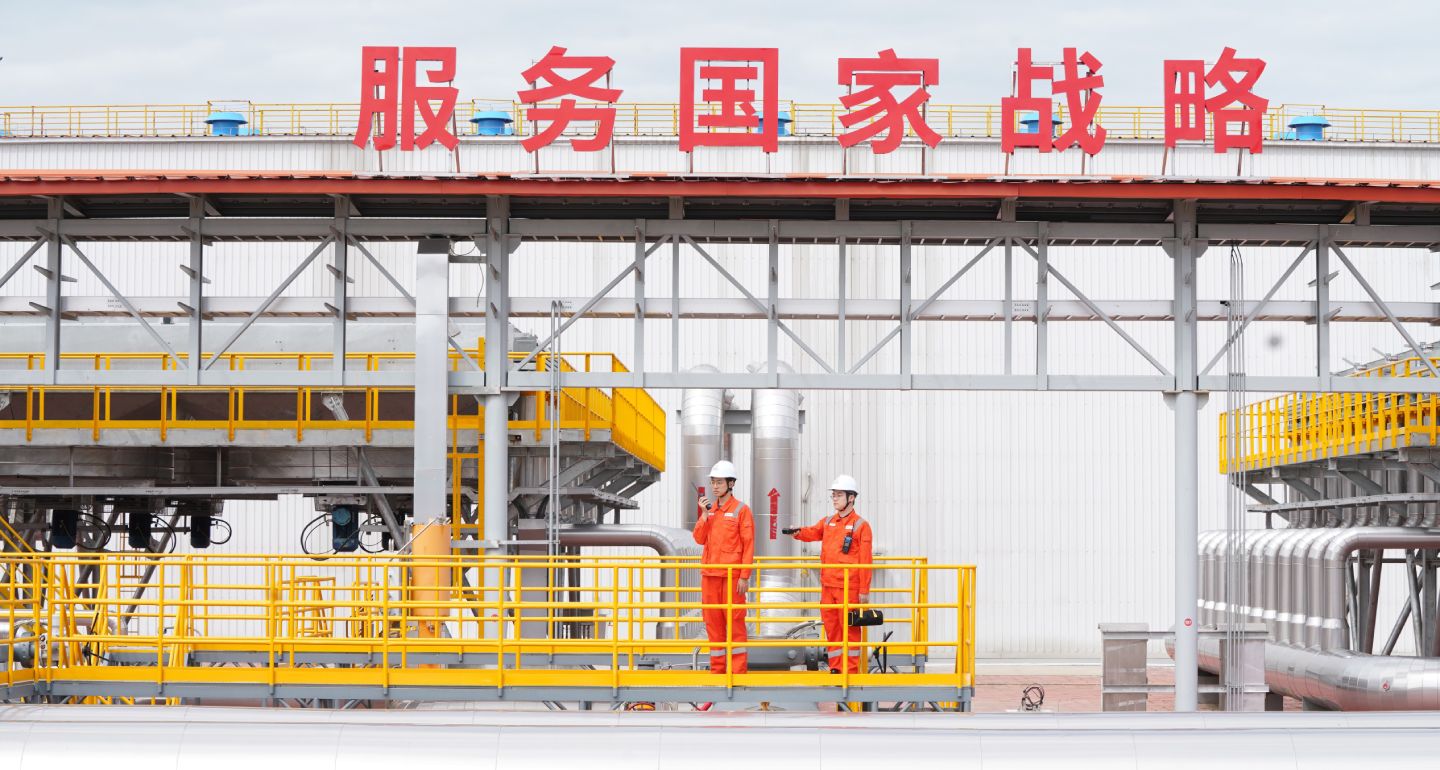
A leak of Russian gas price data helps establish that China is paying Russia far less than Central Asian countries and Gazprom’s former European customers.

Sergey Vakulenko

Russian strikes are weakening the economy sustaining Ukraine’s war effort. Closing the growing funding gap will require more European support and politically contentious reforms in Kyiv.

Balázs Jarábik

For every ruble allocated to social policy, health, and education in 2027, double that amount is earmarked for the army, the police, and the security services.

Alexandra Prokopenko

Depleted financial reserves and a shrinking tax base mean it is no longer possible to simultaneously deliver high defense spending, price stability, and economic growth.
Alexandra Prokopenko

With the growth in points of friction between the great powers, organizations like the SCO will continue to play a role in the strategic adaptation of the smaller powers caught between them.

Temur Umarov