

Commentary
Russia’s AI-driven propaganda campaigns operate in a fragmented, chaotic, and often illogical manner. That’s not necessarily a problem for the Kremlin, though: It’s much easier to mimic genuine public debate that way.
Ilya Klishin
{
  "authors": [
    "Arushi Kumar"
  ],
  "type": "legacyinthemedia",
  "centerAffiliationAll": "",
  "centers": [
    "Carnegie Endowment for International Peace",
    "Carnegie India"
  ],
  "collections": [],
  "englishNewsletterAll": "",
  "nonEnglishNewsletterAll": "",
  "primaryCenter": "Carnegie India",
  "programAffiliation": "",
  "programs": [],
  "projects": [],
  "regions": [
    "South Asia",
    "Afghanistan",
    "India"
  ],
  "topics": [
    "Foreign Policy",
    "Security"
  ]
}
Source: Getty
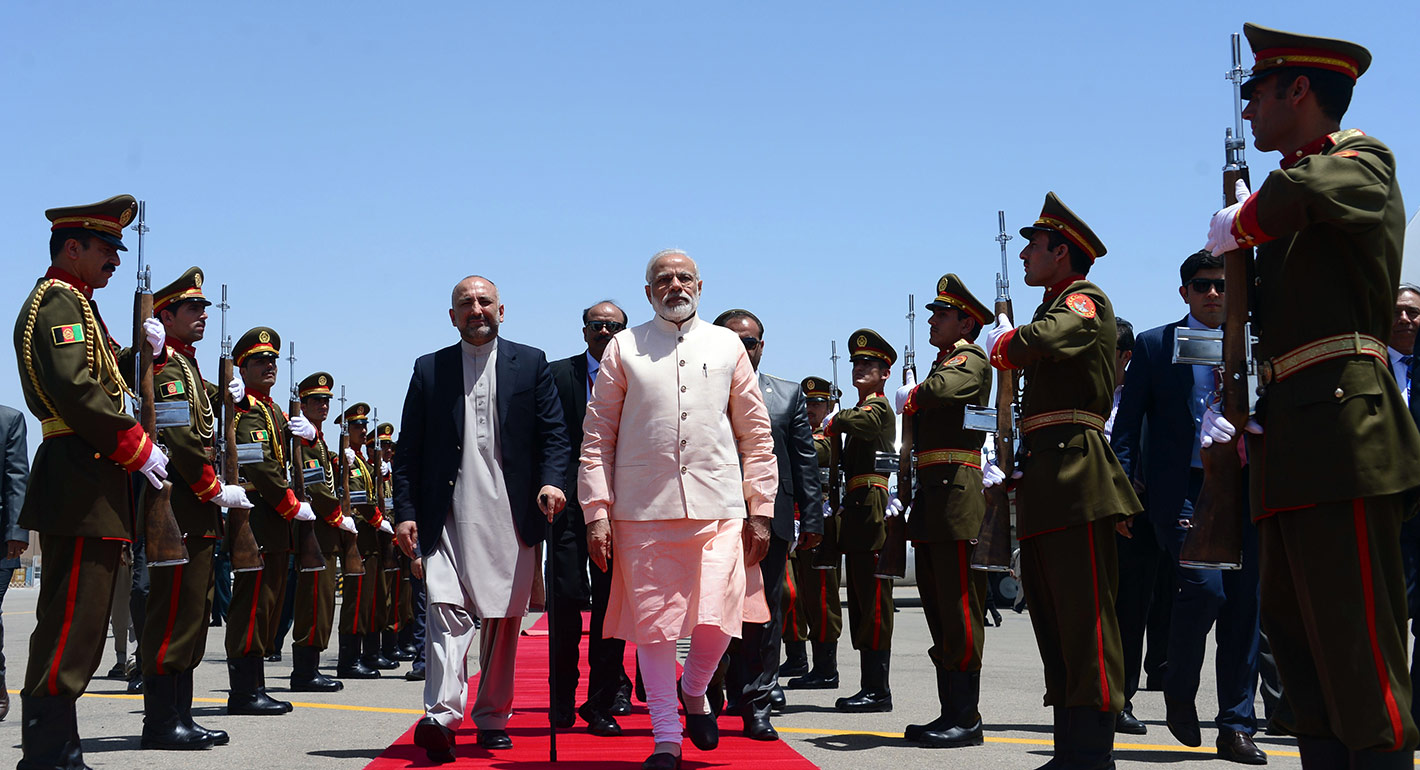
Donald Trump’s presidency presents an unexpected opportunity for India in its continued efforts to stabilize Afghanistan.
Source: Diplomat
Donald Trump’s presidency presents an unexpected opportunity for India in its continued efforts to stabilize Afghanistan. As Western forces reduce their presence on Afghan soil and the formidable Haqqani-Taliban combination consolidates control over increasingly larger areas, the Afghan government’s position continues to diminish. The Trump administration brings with it the opportunity to make a concrete shift in policy to deal with the challenges that threaten to undo the progress made in Afghanistan over the last decade and a half. Given President Donald Trump, Secretary of Defense Gen. James Mattis, and National Security Advisor Lt. Gen. Michael Flynn’s statements on Afghanistan, the incoming administration may push for increased troop levels in Afghanistan and confront Pakistan over its role as the major destabilizing force in South Asia.
Arushi Kumar
Carnegie does not take institutional positions on public policy issues; the views represented herein are those of the author(s) and do not necessarily reflect the views of Carnegie, its staff, or its trustees.

Russia’s AI-driven propaganda campaigns operate in a fragmented, chaotic, and often illogical manner. That’s not necessarily a problem for the Kremlin, though: It’s much easier to mimic genuine public debate that way.

Ilya Klishin

Without a ceasefire with Ukraine on attacking each other’s energy infrastructure—to which the Kremlin is unlikely to agree—the diesel agreement between Putin and Trump is largely for show, rather than representing a genuine increase in the volumes of Russian diesel on the global market.

Sergey Vakulenko

Russian strikes are weakening the economy sustaining Ukraine’s war effort. Closing the growing funding gap will require more European support and politically contentious reforms in Kyiv.

Balázs Jarábik

Despite a new textbook, an influx of Russian teachers and managers, and an end to the teaching of Ukrainian, the Kremlin is unlikely to have “reprogrammed” locals.

Konstantin Skorkin

Cargo traffic through Russia’s Northern Sea Route has increased because of the disruption caused by the conflict in the Middle East, the Ukraine war, and U.S.-China tensions.

Mikhail Korostikov