• Research
  • Politika
  • About
Carnegie Russia Eurasia center logoCarnegie lettermark logo
  • Donate
{
  "authors": [
    "Ulrich Kühn",
    "Tristan Volpe"
  ],
  "type": "other",
  "centerAffiliationAll": "dc",
  "centers": [
    "Carnegie Endowment for International Peace"
  ],
  "collections": [],
  "englishNewsletterAll": "",
  "nonEnglishNewsletterAll": "",
  "primaryCenter": "Carnegie Endowment for International Peace",
  "programAffiliation": "NPP",
  "programs": [
    "Nuclear Policy"
  ],
  "projects": [],
  "regions": [
    "Western Europe",
    "Germany"
  ],
  "topics": [
    "Nuclear Policy"
  ]
}

Source: Getty

Other

Keine Atombombe, Bitte: Why Germany Should Not Go Nuclear

Nuclear weapons will not solve Europe’s current security woes, but Washington should not dismiss German nuclear yearnings, as they reflect a growing sense of uncertainty in Berlin.

Link Copied
By Ulrich Kühn and Tristan Volpe
Published on Jun 13, 2017

Source: Foreign Affairs

The election of U.S. President Donald Trump last November confounded Berlin. What, German politicians, policymakers, and journalists wondered, should they make of Trump’s vague or even hostile stances toward the EU and NATO or his apparent embrace of Russia? Some hoped that Trump meant to push NATO members to spend more on defense but would, in the end, leave the long-standing U.S. guarantee of European security intact. Others, less optimistic, argued that the days when Germany could rely on the United States for its defense were over—and that the country must start looking out for itself.


Those fears have given new life to an old idea: a European nuclear deterrent. Just days after Trump’s election, Roderich Kiesewetter, a senior member of Chancellor Angela Merkel’s Christian Democratic Union, said that if the United States no longer wanted to provide a nuclear shield, France and the United Kingdom should combine their nuclear arsenals into an EU deterrent, financed through a joint EU military budget. Then, in February, Jaroslaw Kaczynski, the leader of Poland’s ruling Law and Justice party, spoke out in favor of the idea of the eu as a “nuclear superpower,” as long as any EU deterrent matched Russian capabilities. 

Some German commentators even suggested that those proposing a British-French deterrent under the auspices of the EU didn’t go far enough. Berthold Kohler, one of the publishers of the influential conservative newspaper Frankfurter Allgemeine Zeitung, argued that the British and French arsenals were too weak to take on Russia. He suggested that Germany consider “an indigenous nuclear deterrent which could ward off doubts about America’s guarantees.” Other German analysts, such as Thorsten Benner, head of the Global Public Policy Institute, in Berlin, and Maximilian Terhalle, a scholar of international relations, have come to the same conclusion. “Germany needs nuclear weapons,” Terhalle wrote in Foreign Policy in April.

For now, those calling for a German bomb are a fringe minority. For decades, Germany has stood as one of the world’s staunchest supporters of nuclear nonproliferation and global disarmament. In February, a spokesperson for Merkel told the press, “There are no plans for nuclear armament in Europe involving the federal government.” She and others evidently recognize that such plans are a bad idea: a German arsenal would destabilize EU-Russian relations and heighten the risk that other countries would attempt to go nuclear. 

But even though Germany’s current nuclear flirtation may reflect nothing more than a passing reaction to Trump’s presidency, it reveals a deeper problem: insecurity in Berlin, caused by years of meandering U.S. policy toward Russia and Europe. To solve this problem, Germany and the United States must work together. Merkel’s government should encourage the EU to coordinate more effectively on defense. The Trump administration, meanwhile, should double down on the U.S. commitment to the success of the EU and NATO while also pushing for broader negotiations with Russia over the future of European security....

Read Full Text

This article was originally published in Foreign Affairs

Authors

Ulrich Kühn
Nonresident Scholar, Nuclear Policy Program
Ulrich Kühn
Tristan Volpe
Nonresident Fellow, Nuclear Policy Program
Tristan Volpe
Nuclear PolicyWestern EuropeGermany

Carnegie does not take institutional positions on public policy issues; the views represented herein are those of the author(s) and do not necessarily reflect the views of Carnegie, its staff, or its trustees.

More Work from Carnegie Russia Eurasia Center

  • Commentary
    Carnegie Politika
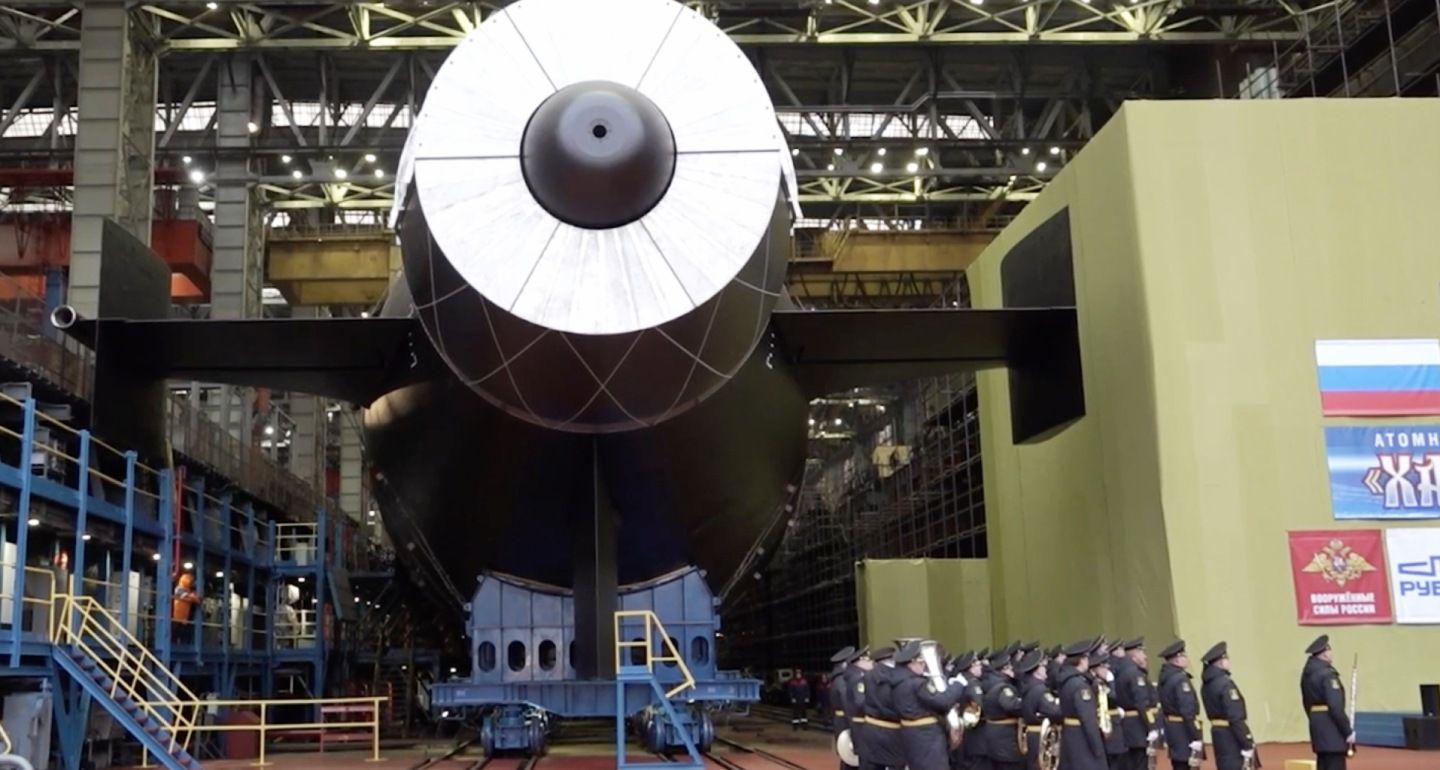
    For Putin, Increasing Russia’s Nuclear Threat Matters More Than the Triad’s Modernization

    For Putin, upgrading Russia’s nuclear forces was a secondary goal. The main aim was to gain an advantage over the West, including by strengthening the nuclear threat on all fronts. That made growth in missile arsenals and a new arms race inevitable.

      Maxim Starchak

  • Commentary
    Carnegie Politika
    Russia’s Latest Weapons Have Left Strategic Stability on the Brink of Collapse

    The Kremlin will only be prepared to negotiate strategic arms limitations if it is confident it can secure significant concessions from the United States. Otherwise, meaningful dialogue is unlikely, and the international system of strategic stability will continue to teeter on the brink of total collapse.

      Maxim Starchak

  • Commentary
    Carnegie Politika
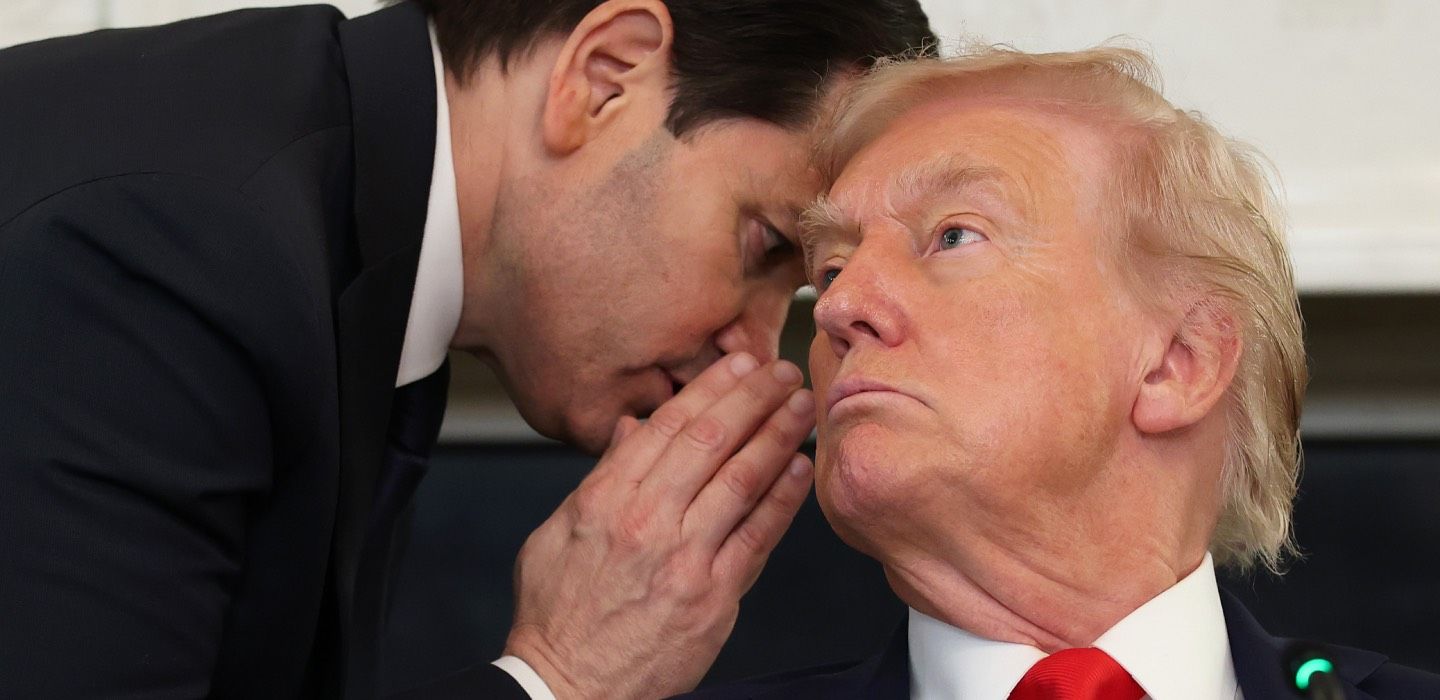
    How the Kremlin Lost Trump

    The collapse of the Budapest summit is an inevitable result of the Russian system of artificially creating foreign policy crises in order to achieve a desired outcome.

      Alexander Baunov

  • Commentary
    Carnegie Politika
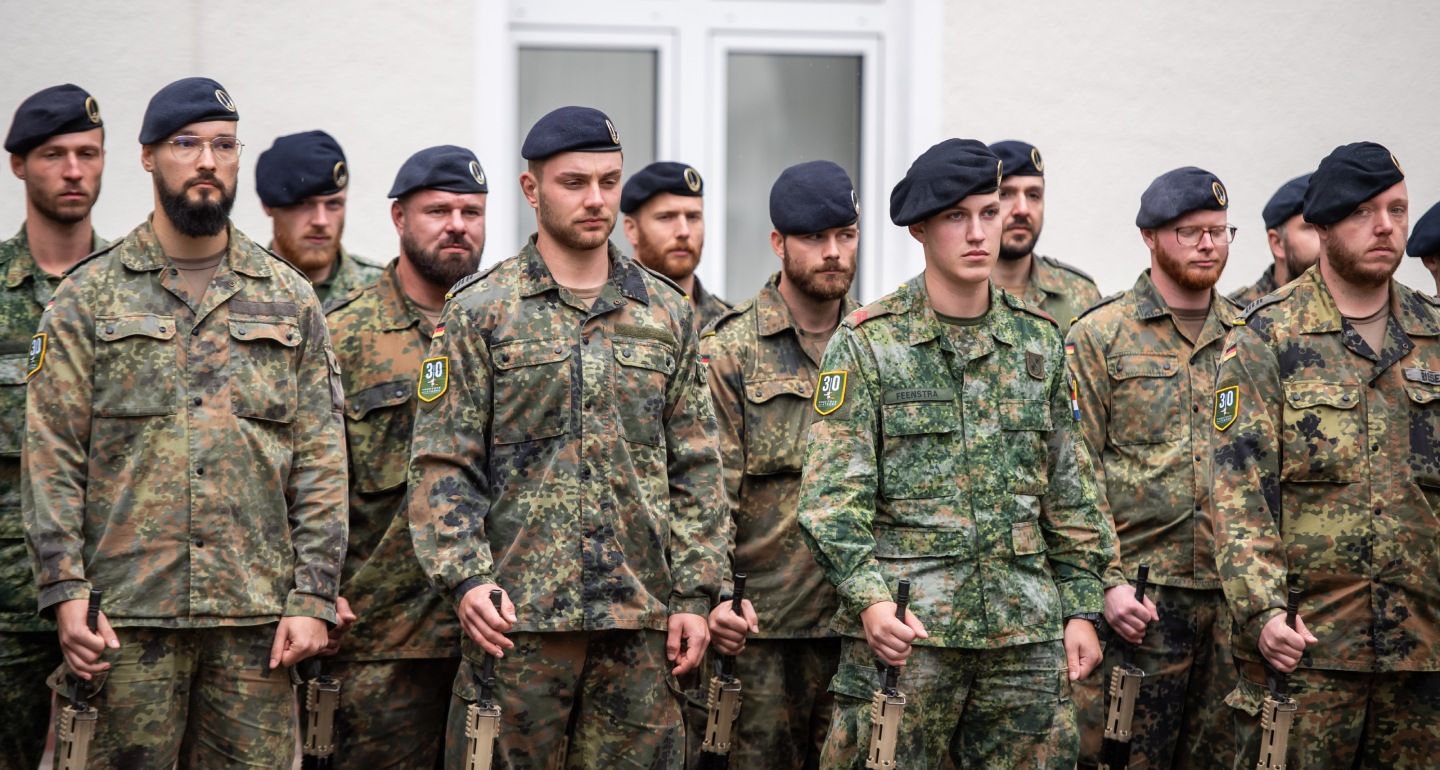
    Germany’s Military Readiness Gap and the Pitfalls of a Return to Conscription

    Passing a military service reform that is unpopular even within the governing coalition could distract from more immediate obstacles on the path to becoming a key security provider in Europe.

      Friedrich Conradi, Jurek Wille

  • Commentary
    Carnegie Politika
    Stray Russian Drones Test Minsk’s Attempts to Improve Relations With the West

    Minsk’s modest progress in creating a more predictable and peaceful image could stall at any minute as a result of tensions and developments in the region or a change in mood by Putin or Trump.

      Artyom Shraibman

Get more news and analysis from
Carnegie Russia Eurasia Center
Carnegie Russia Eurasia logo, white
  • Research
  • Politika
  • About
  • Experts
  • Events
  • Contact
  • Privacy
Get more news and analysis from
Carnegie Russia Eurasia Center
© 2026 Carnegie Endowment for International Peace. All rights reserved.