

Paper
Constantino Xavier
{
  "authors": [
    "Constantino Xavier"
  ],
  "type": "legacyinthemedia",
  "centerAffiliationAll": "dc",
  "centers": [
    "Carnegie Endowment for International Peace",
    "Carnegie India"
  ],
  "collections": [],
  "englishNewsletterAll": "ctw",
  "nonEnglishNewsletterAll": "",
  "primaryCenter": "Carnegie India",
  "programAffiliation": "SAP",
  "programs": [
    "South Asia"
  ],
  "projects": [],
  "regions": [
    "South Asia",
    "India",
    "Western Europe"
  ],
  "topics": [
    "Foreign Policy"
  ]
}
Source: Getty
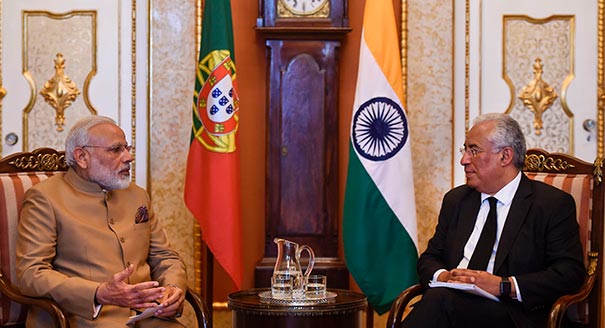
The integration of Portugal to Europe and India’s status as a growing economic power have created favorable conditions for reengagement between Portugal and India.
Source: WION
Speaking on WION, Carnegie India’s Constantino Xavier discussed the historical background of the India-Portugal relationship, and why it took more than thirty years for an Indian prime minister to pay a bilateral visit to the southern European country. He argued that the delay in conducting bilateral relations was due to the long-standing Portuguese colonial regime in Goa and parts of Daman and Diu, which ended in 1961, long after India’s independence. The integration of Portugal to Europe and India’s status as a growing economic power, he said, have now created favorable conditions for reengagement between the two countries.
Former Fellow, Carnegie India
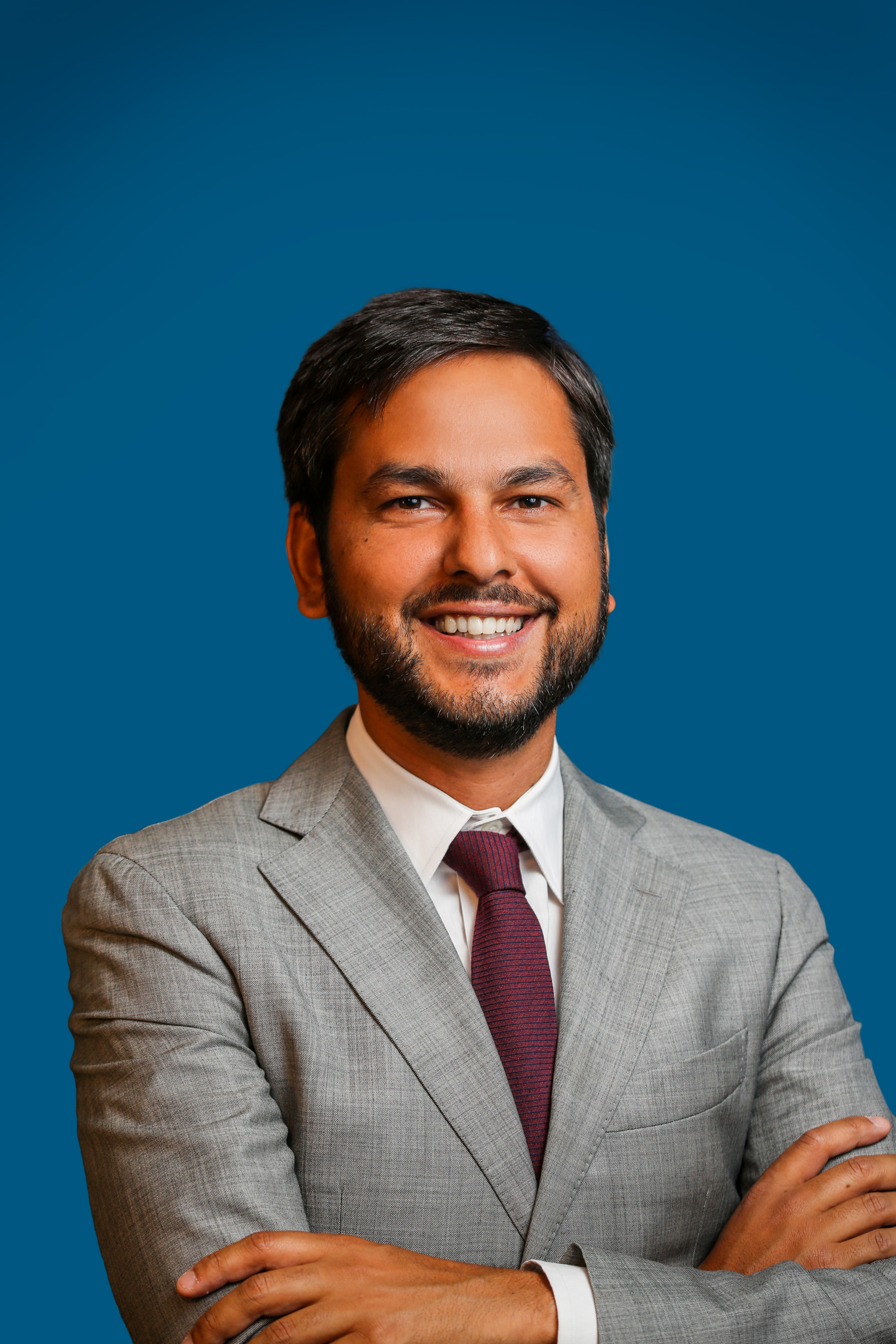
Constantino Xavier was a fellow at Carnegie India, based in New Delhi. His research focus is on India’s foreign policy, with emphasis on relations with its neighboring countries and South Asian regional security.
Recent Work
Constantino Xavier
Constantino Xavier
Carnegie does not take institutional positions on public policy issues; the views represented herein are those of the author(s) and do not necessarily reflect the views of Carnegie, its staff, or its trustees.
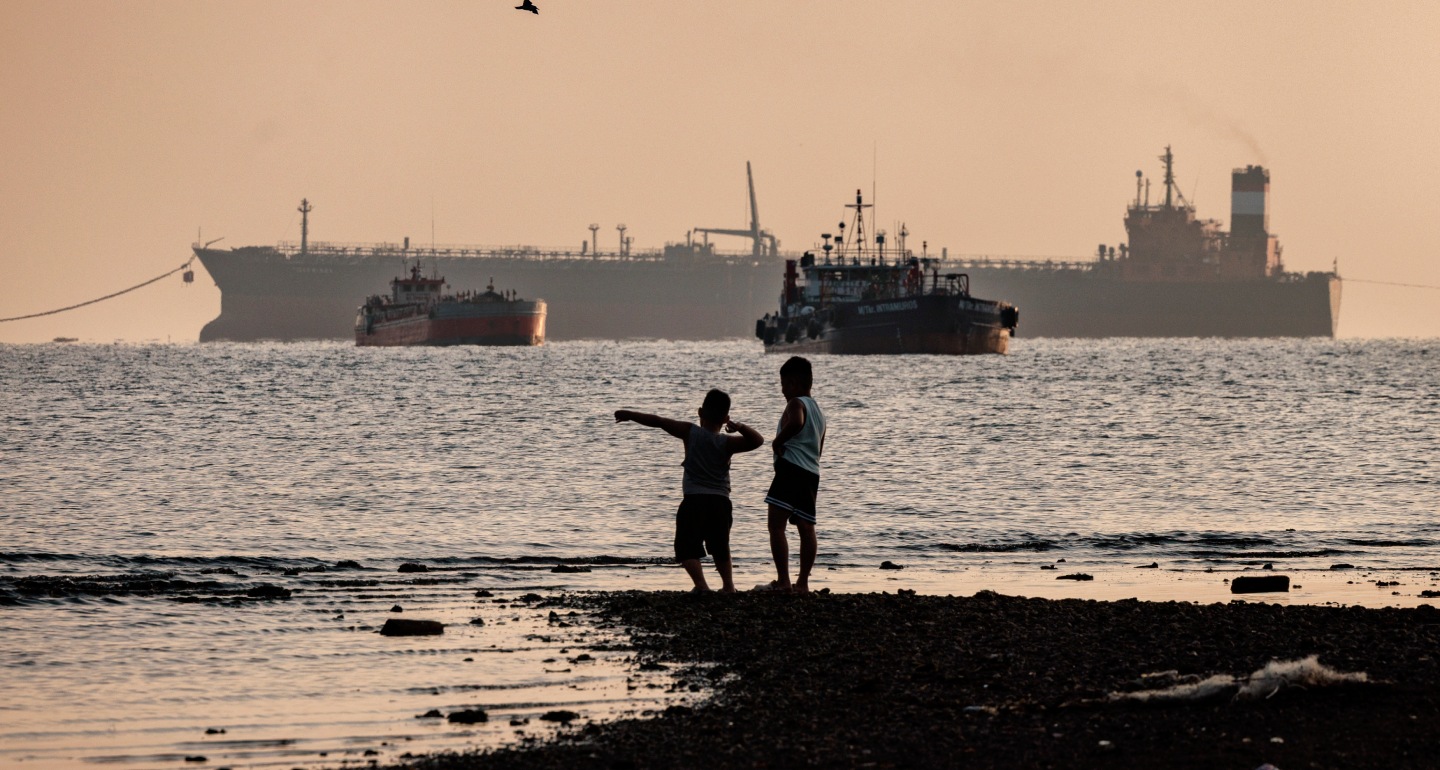
Although Ukrainian strikes have led to a noticeable decline in the physical volume of Russian oil exports, the rise in prices has more than made up for it.

Sergey Vakulenko
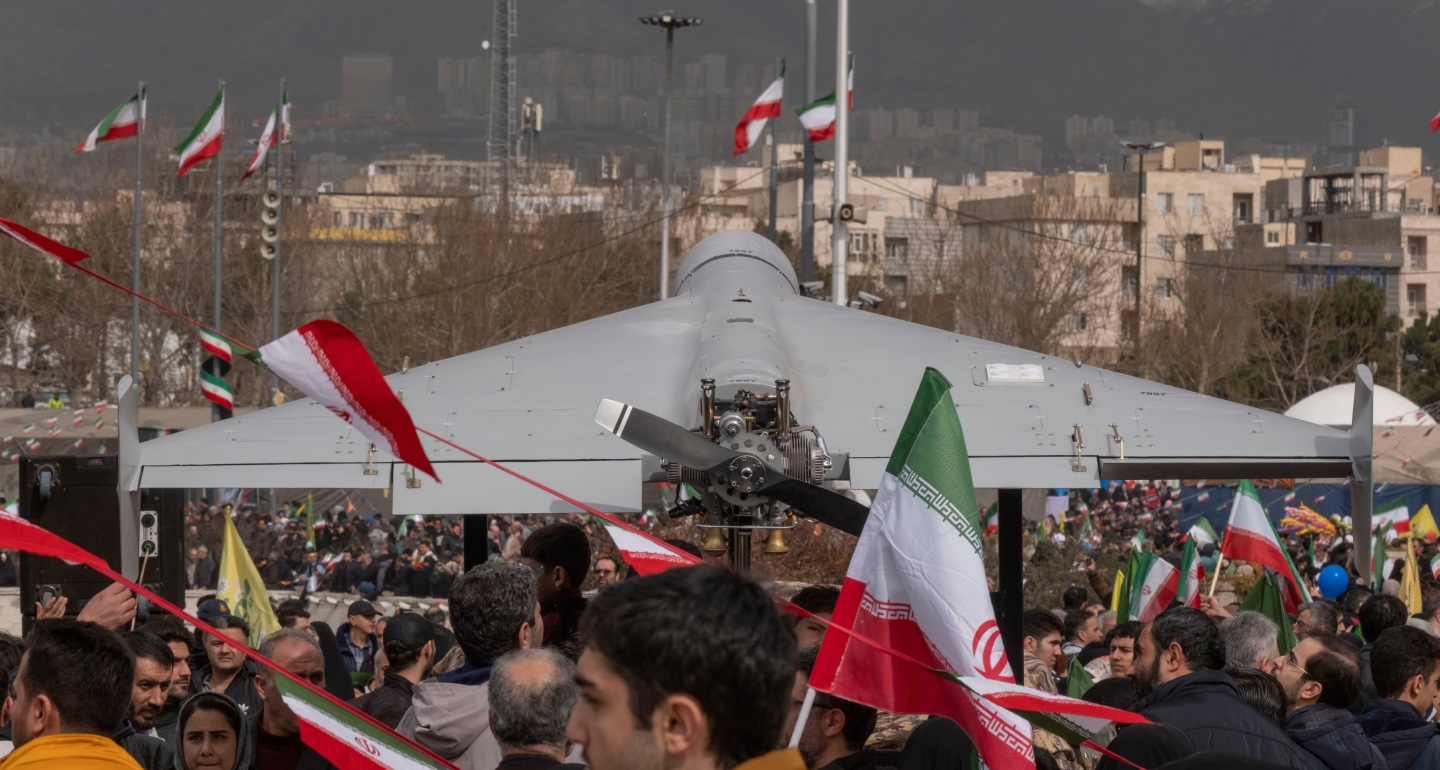
The Russian leadership wants to avoid a dangerous precedent in which it is squeezed out of Iran by the United States and Israel—and left powerless to respond in any meaningful way.

Nikita Smagin
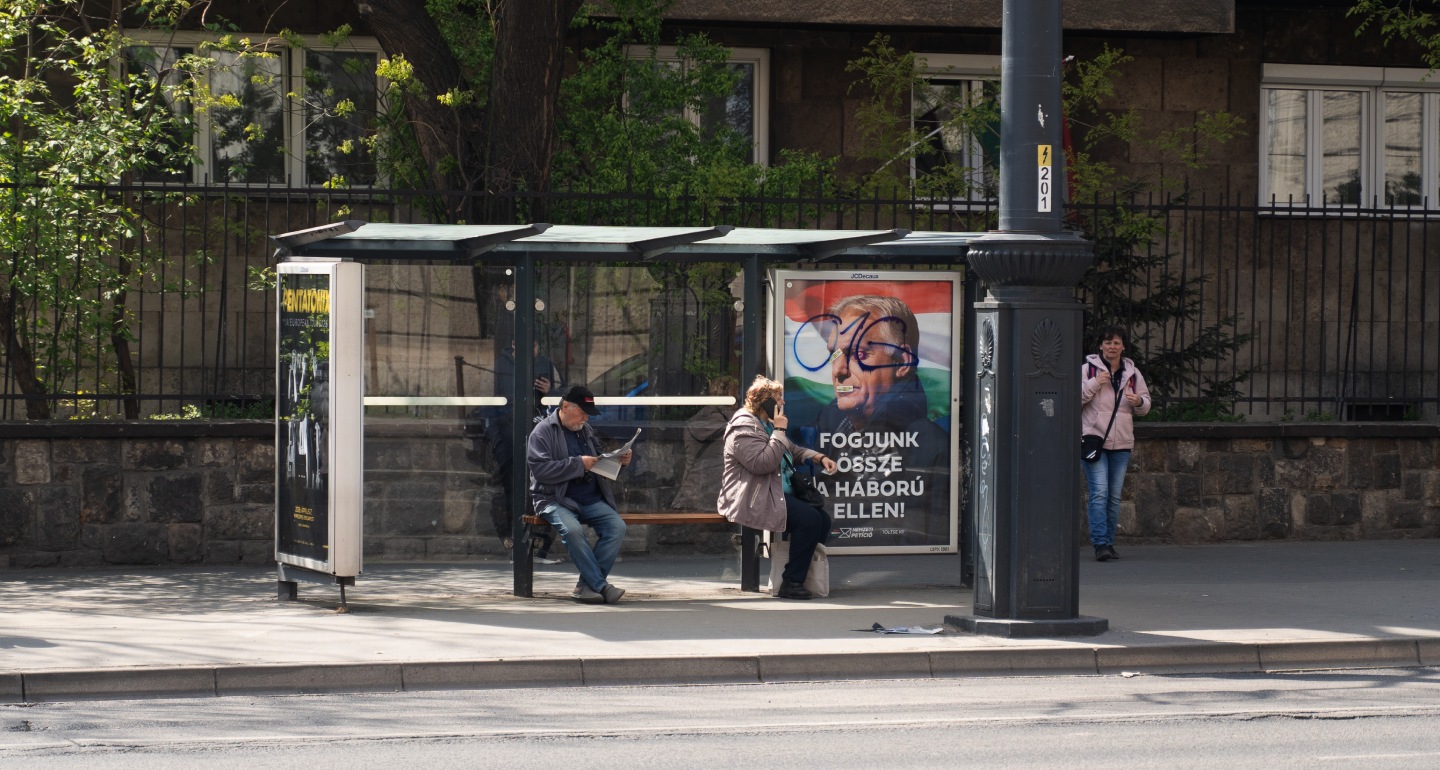
Orbán created an image for himself as virtually the only opponent of aid to Ukraine in the entire EU. But in reality, he was simply willing to use his veto to absorb all the backlash, allowing other opponents to remain in the shadows.
Maksim Samorukov
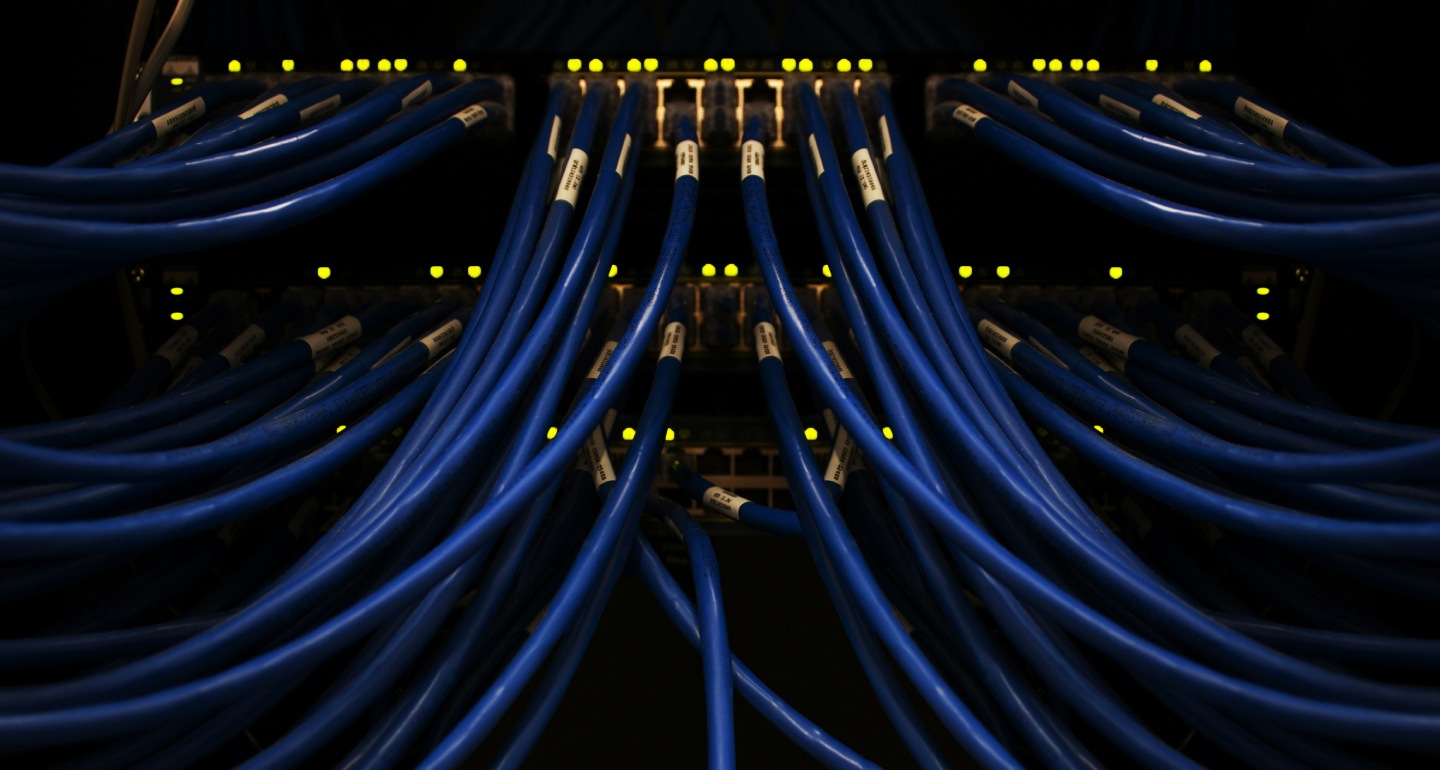
Central Asia’s digital ambitions are achievable, but only if policy is aligned with the region’s physical constraints.

Aruzhan Meirkhanova
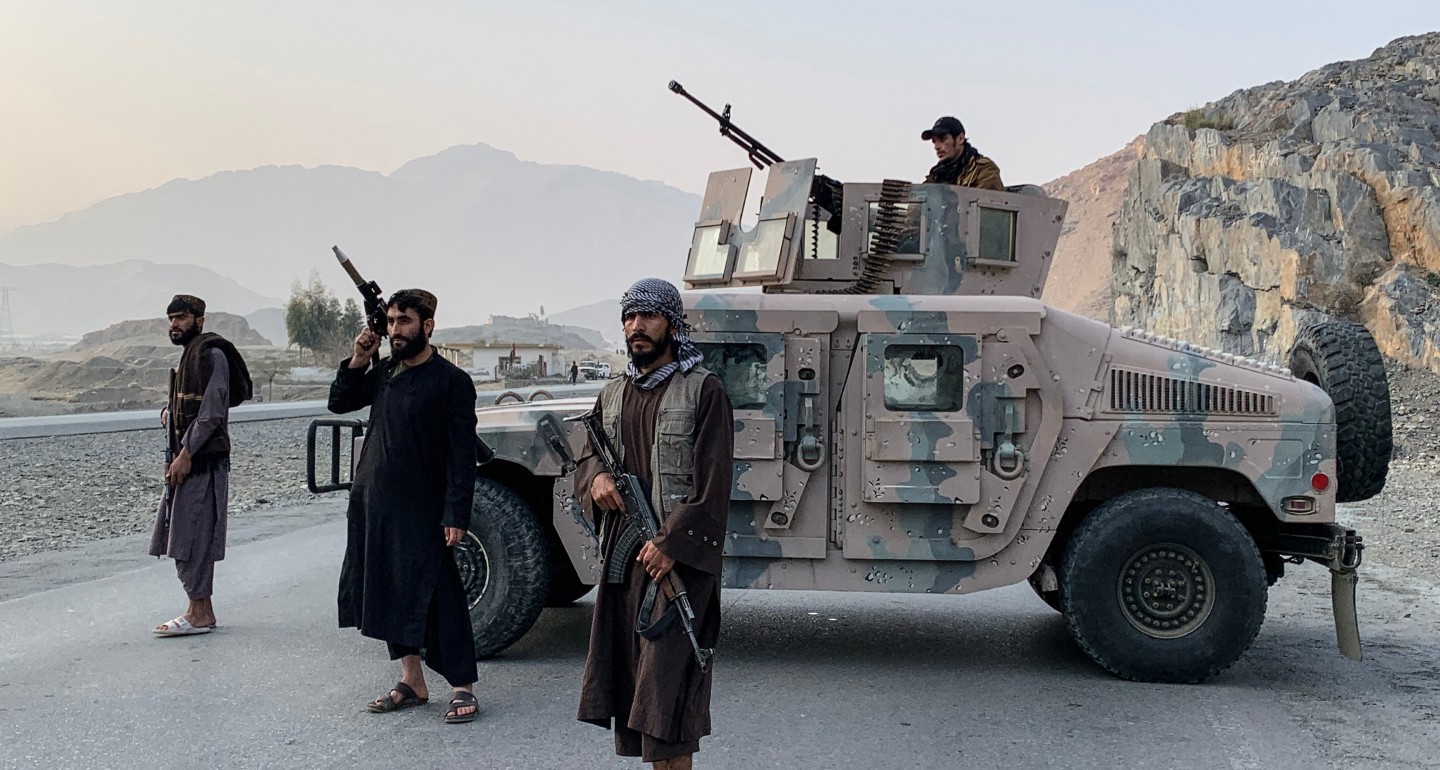
Not only does the fighting jeopardize regional security, it undermines Russian attempts to promote alternatives to the Western-dominated world order.
Ruslan Suleymanov