

Report
- +8
Salman Ahmed, Wendy Cutler, Rozlyn C. Engel, …
{
  "authors": [
    "Jake Sullivan"
  ],
  "type": "legacyinthemedia",
  "centerAffiliationAll": "dc",
  "centers": [
    "Carnegie Endowment for International Peace"
  ],
  "collections": [],
  "englishNewsletterAll": "americanStatecraft",
  "nonEnglishNewsletterAll": "",
  "primaryCenter": "Carnegie Endowment for International Peace",
  "programAffiliation": "ASP",
  "programs": [
    "American Statecraft"
  ],
  "projects": [],
  "regions": [
    "Western Europe",
    "United Kingdom"
  ],
  "topics": [
    "Foreign Policy"
  ]
}
Source: Getty
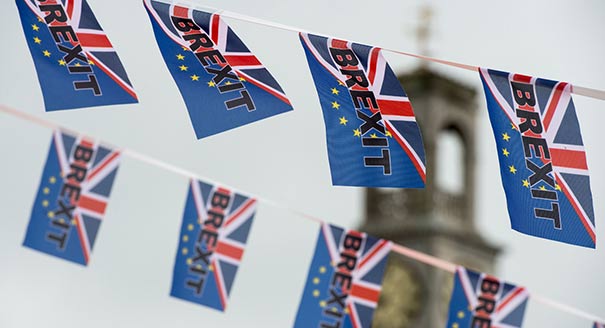
How will the election of Donald Trump as president and the recent British poll affect Brexit negotiations?
Source: Australian Broadcasting Corporation
Carnegie’s Jake Sullivan spoke with the Australian Broadcasting Corporation about how Trump’s election and the recent British poll will affect Brexit negotiations.
This interview was originally broadcast by the Australian Broadcasting Corporation.
Former U.S. National Security Advisor to Former President Joe Biden
Jake Sullivan, a senior fellow at the University of New Hampshire's Carsey School of Public Policy, served as the United States national security advisor to former President Joe Biden from 2021 to 2025. Sullivan previously served as deputy assistant to former President Barack Obama, national security advisor to former Vice President Biden, director of policy planning in the State Department, and as deputy chief of staff to former U.S. Secretary of State Hillary Clinton.
Recent Work

Salman Ahmed, Wendy Cutler, Rozlyn C. Engel, …
Salman Ahmed, Allison Gelman, Tarik Abdel-Monem, …
Carnegie does not take institutional positions on public policy issues; the views represented herein are those of the author(s) and do not necessarily reflect the views of Carnegie, its staff, or its trustees.

Minsk clearly expected the dialogue with Washington to yield more results, in particular the lifting of EU sanctions and permission to export potash.

Artyom Shraibman

With the growth in points of friction between the great powers, organizations like the SCO will continue to play a role in the strategic adaptation of the smaller powers caught between them.

Temur Umarov

When faced with fuel shortages in the past, Central Asian governments could always count on additional supplies from Moscow. That safety net no longer exists.

Galiya Ibragimova
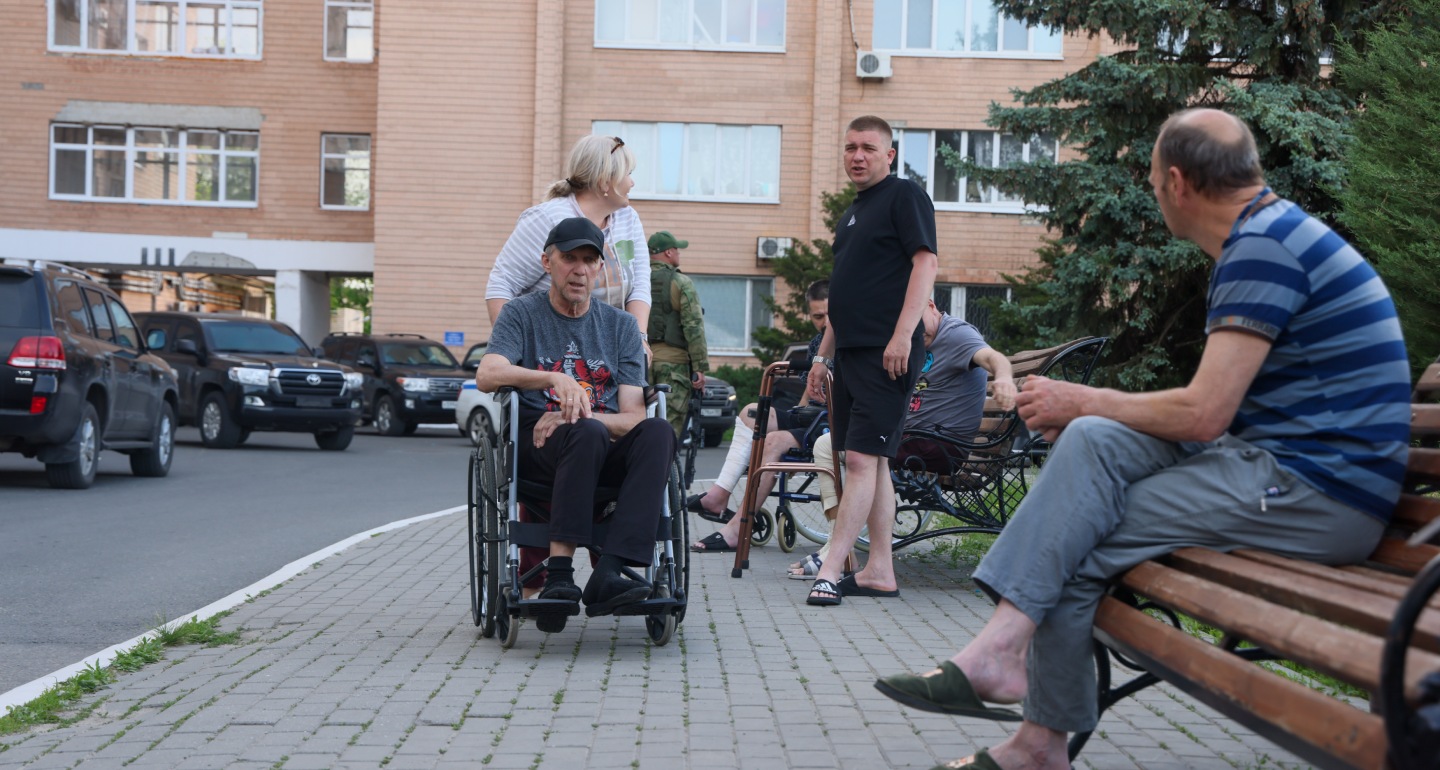
Despite unhappiness on the ground, Moscow is determined to use both carrot and stick to ensure there is record support for United Russia in occupied Ukraine.

Konstantin Skorkin
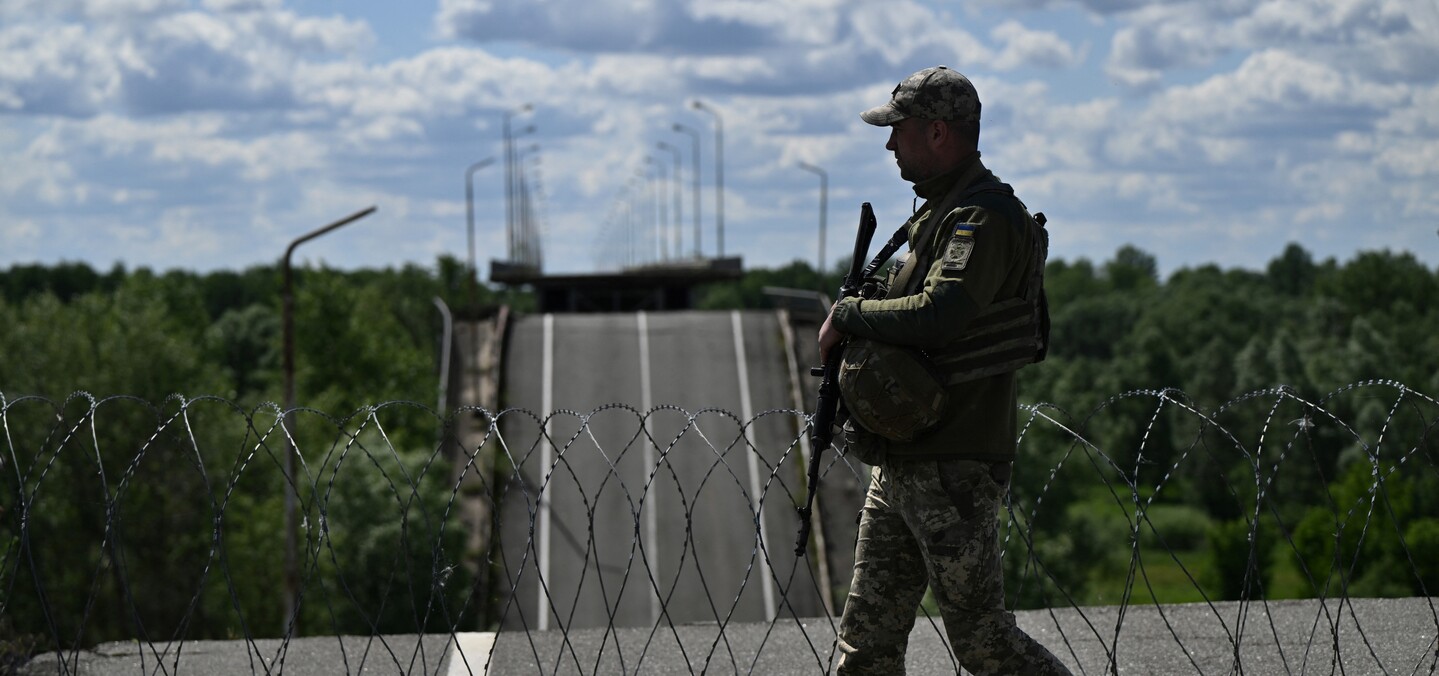
The recent damage inflicted by Ukrainian drones and missiles on Russia has made Belarus aware of its own vulnerabilities—and surprisingly amenable to Kyiv’s demands.
Artyom Shraibman