

Q&A
Alejandro Martin Rodriguez, Sarah Yerkes
{
  "authors": [
    "Sarah Yerkes"
  ],
  "type": "legacyinthemedia",
  "centerAffiliationAll": "dc",
  "centers": [
    "Carnegie Endowment for International Peace"
  ],
  "collections": [],
  "englishNewsletterAll": "menaTransitions",
  "nonEnglishNewsletterAll": "",
  "primaryCenter": "Carnegie Endowment for International Peace",
  "programAffiliation": "MEP",
  "programs": [
    "Middle East"
  ],
  "projects": [],
  "regions": [
    "Middle East",
    "Israel",
    "Palestine"
  ],
  "topics": [
    "Political Reform",
    "Democracy",
    "Security",
    "Military",
    "Foreign Policy"
  ]
}
Source: Getty
In order for the Taylor Force Act to accomplish its goal, the United States must adopt a far more nuanced approach towards Palestinian assistance than the Act suggests.
Source: Matzav Blog
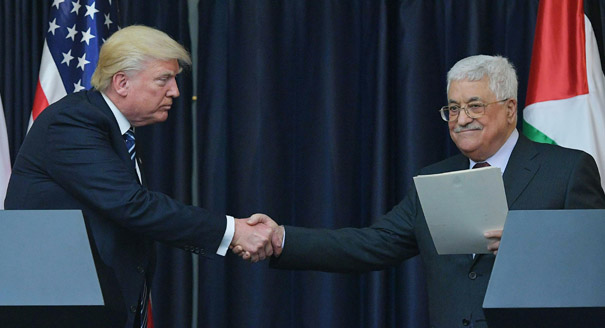
On Wednesday, the Senate Foreign Relations Committee held a hearing on the “Taylor Force Act”, which requires the United States to withhold all economic support funds (ESF) for the West Bank and Gaza unless the Palestinian Authority (PA) terminates payments for those convicted of terrorism as well as the families of those who died committing acts of terrorism.
There is no question that the PA’s policy of financially rewarding convicted terrorists is abhorrent. And the United States government is right to seek a way to convince President Mahmoud Abbas to end this horrible behavior that incentivizes violence against civilians. But what was clear from the hearing is that in order for the legislation to accomplish its goal, the United States must adopt a far more nuanced approach towards Palestinian assistance than the Act suggests.
In his Senate testimony, former US Ambassador to Israel Dan Shapiro suggested that one possible way to rejigger US aid to the Palestinians is to shift economic support designated for the Palestinian Authority towards civil society groups that are actively working to combat the culture of hate. USAID oversees a $26 million people-to-people reconciliation fund (of which $10 million is allocated annually for the Israeli-Palestinian conflict) through its Conflict Management and Mitigation (CMM) program. CMM grants provide funding for Israeli and Palestinian NGOs that bring people together to promote tolerance and trust by working on shared outcomes such as cleaning up a river, learning how to write a resume, or playing basketball.
In my time at the State Department, where I regularly engaged with CMM grantees, I came to view these programs as essential to building a long-term constituency for peace. People-to-people (P2P) organizations work with Israelis and Palestinians of all ages and across the political spectrum. Even in the darkest moments, when the Israeli and Palestinian leaderships are throwing barbs at each other – either rhetorically or physically – P2P groups have continued to operate and to come together to work towards a positive future for both peoples.
By funneling taxpayer dollars towards these sorts of groups and away from the PA, Congress would be sending a loud and powerful signal that we remain invested in Palestinians and are choosing those who promote reconciliation over those who support violence. Furthermore, scaling up the CMM program would empower civil society writ large and help Israelis and Palestinians succeed in changing the culture of intolerance and mistrust that has been growing on both sides since the collapse of the Oslo Accords.
Alternatively, while cutting the entire ESF account might convince President Mahmoud Abbas to end PA financial support for terrorists and their families, it is unlikely to change the culture of intolerance and hate that drives terrorism in the first place. Financial incentives alone do not drive terrorists to kill innocent people. Rather, many of the people who engage in terrorism are driven by feelings of hopelessness, desperation and a sense of relative deprivation. In order to end the sort of senseless violence that took Taylor Force’s life, the United States needs to remove both the financial and non-financial incentives for terrorism.
Thus, taking an unprecise approach to ESF might backfire – breeding more hate and violence, rather than seeking to deter it. Cutting all ESF would take away money needed for infrastructure projects in the West Bank that have a direct impact on the daily lives of Palestinians– such as building roads and schools. It would take away essential funds that keep a network of hospitals running in East Jerusalem – including Augusta Victoria Hospital, which Elliott Abrams, in his Senate testimony referred to as an “excellent, venerable institution.” And it would end U.S. support for NGOs working to address the devastating humanitarian situation in Gaza.
Cutting off US economic assistance to the West Bank and Gaza would negatively impact the lives of millions of Palestinians who have nothing to do with terrorism. And this move would likely fuel anti-Americanism in the Palestinian Territories. As former Shin Bet Director Ami Ayalon wrote, “one of the principles that has been embraced by the Israeli government, the Israel Defense Forces (IDF) and Israel’s security establishment is that terrorism must be deterred without making the situation on the ground worse or risking a larger outbreak of violence.”
Another possible outcome of cutting off ESF is that Abbas could refuse to change the prisoner payment policy. Payments to prisoners is a domestic win for Abbas and it is naïve to think that Abbas can be so easily swayed by a U.S. assistance decision. The void in U.S. funds could easily be filled by another actor with interests contrary to the United States – either to bolster Abbas or to undermine him.
The Taylor Force Act provides Congress with an opportunity to re-assess U.S. assistance towards the Palestinians with the goal of preventing future attacks against American citizens. To do so, Congress should carefully consider the implications of cutting off the Palestinian people from a vital source of assistance. Rather, Congress could take a meaningful step to empower Palestinians who are bravely working with their Israeli counterparts to bring an end to conflict and who embody the principles of tolerance and trust that are necessary for a just and lasting peace.

Acting Co-Director and Senior Fellow, Middle East Program
Sarah Yerkes is acting co-director and a senior fellow in Carnegie’s Middle East Program, where her research focuses on Tunisia’s political, economic, and security developments as well as state-society relations in the Middle East and North Africa.
Recent Work

Alejandro Martin Rodriguez, Sarah Yerkes
Sarah Yerkes
Carnegie does not take institutional positions on public policy issues; the views represented herein are those of the author(s) and do not necessarily reflect the views of Carnegie, its staff, or its trustees.

With the growth in points of friction between the great powers, organizations like the SCO will continue to play a role in the strategic adaptation of the smaller powers caught between them.

Temur Umarov
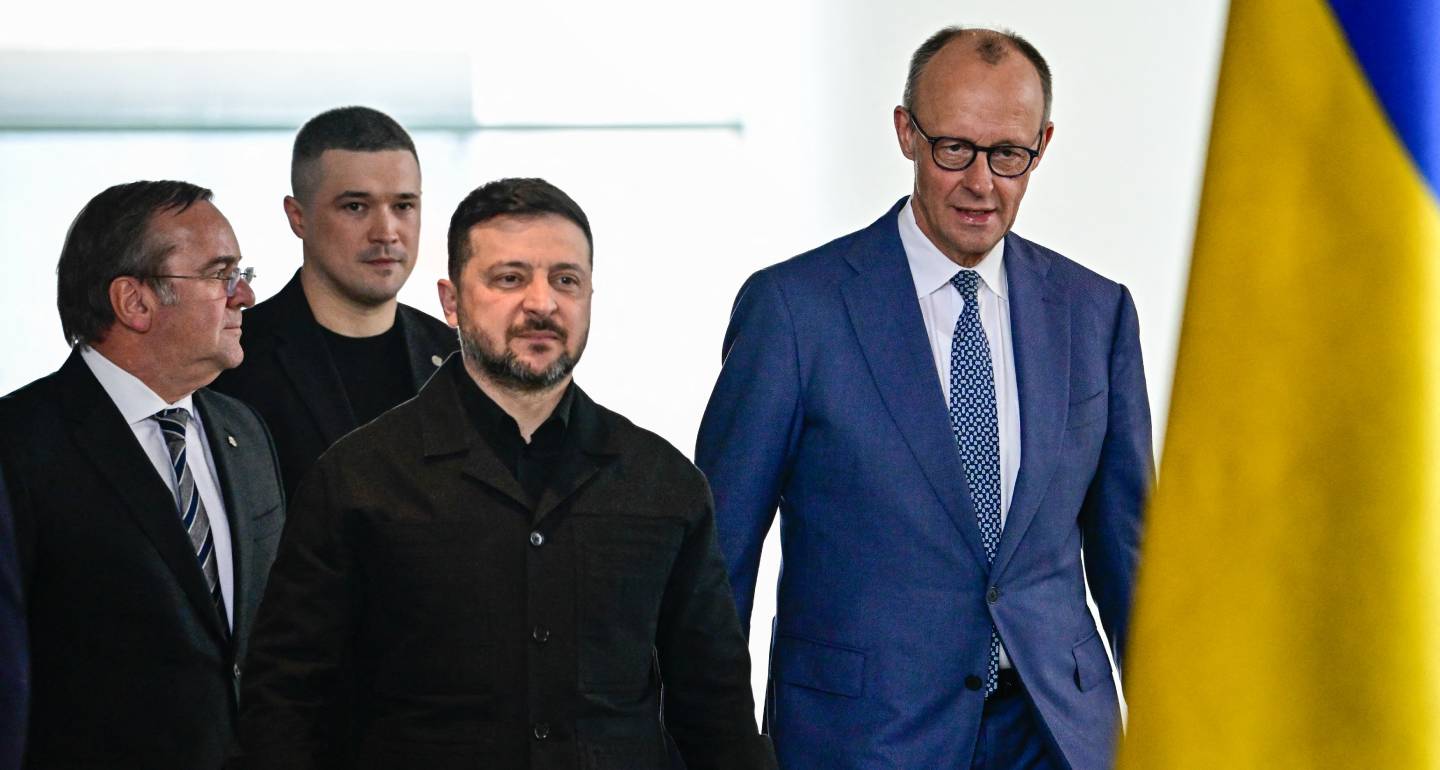
The greater threat to Zelensky comes not from Fedorov alone, but from the convergence between the former defense minister’s political campaign and the anti-corruption investigations moving ever closer to the presidential administration.

Balázs Jarábik
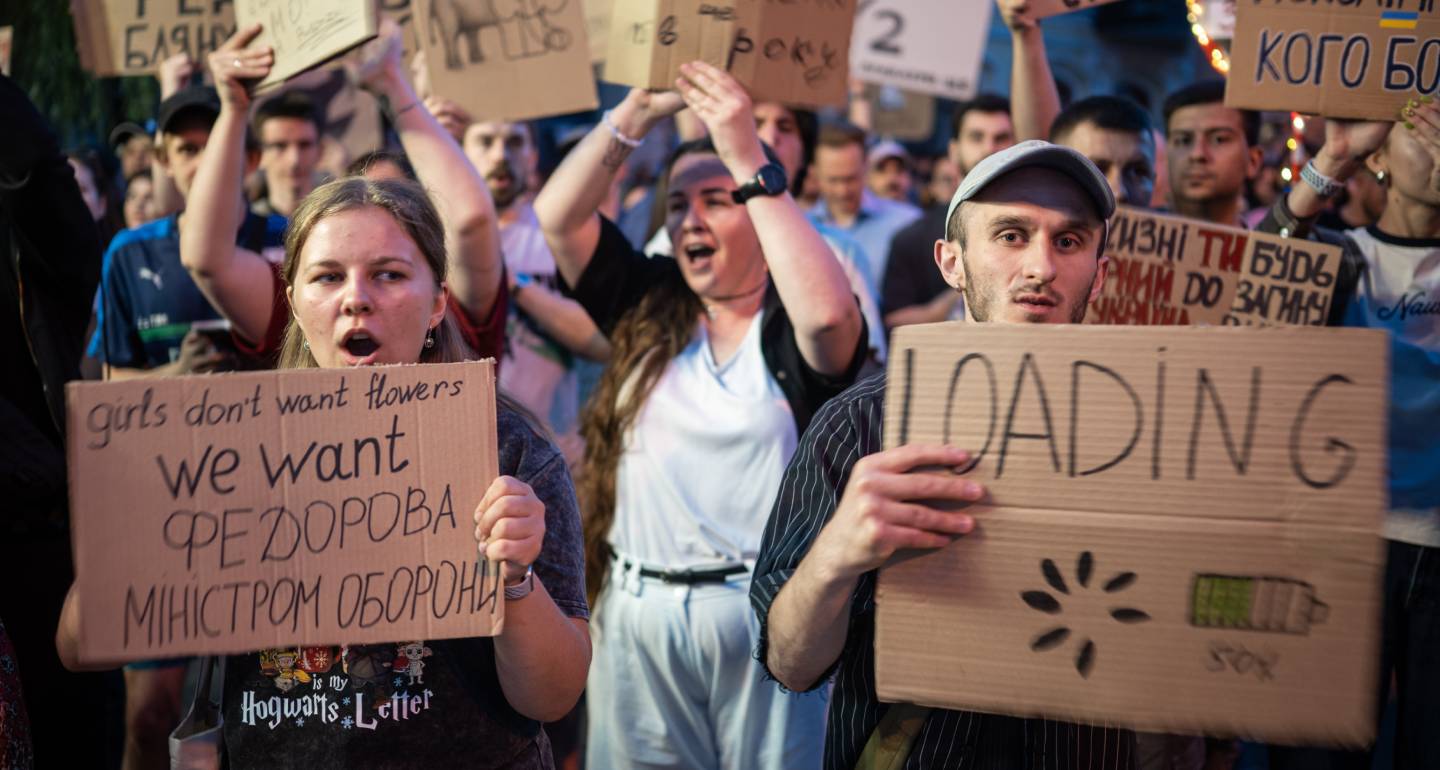
With his public call for new elections in Ukraine, ex-defense minister Mykhailo Fedorov has opened Pandora’s box.

Konstantin Skorkin

In the discussions made possible by the State Duma election campaign, one question is being asked more and more loudly. “What next?”

Andrey Pertsev

When faced with fuel shortages in the past, Central Asian governments could always count on additional supplies from Moscow. That safety net no longer exists.

Galiya Ibragimova