

Commentary
When faced with fuel shortages in the past, Central Asian governments could always count on additional supplies from Moscow. That safety net no longer exists.
Galiya Ibragimova
{
  "authors": [
    "Deborah Gordon",
    "David Livingston"
  ],
  "type": "legacyinthemedia",
  "centerAffiliationAll": "dc",
  "centers": [
    "Carnegie Endowment for International Peace",
    "Carnegie Europe"
  ],
  "collections": [],
  "englishNewsletterAll": "ctw",
  "nonEnglishNewsletterAll": "",
  "primaryCenter": "Carnegie Endowment for International Peace",
  "programAffiliation": "SCP",
  "programs": [
    "Sustainability, Climate, and Geopolitics"
  ],
  "projects": [],
  "regions": [
    "North America"
  ],
  "topics": [
    "Climate Change"
  ]
}
Source: Getty
The field of climate engineering remains largely unknown, especially to policymakers and the public, despite the real risks that accompany such actions and the planetary scale of their impacts.
Source: National Interest
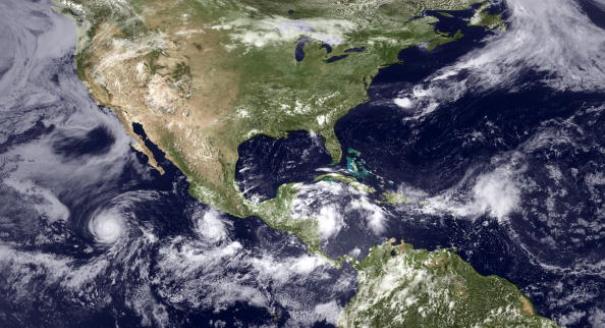
When rainfall is measured in feet, not inches, we are witnessing climate change bearing down on us. Catastrophic destruction tied to the Atlantic hurricane season, monsoon rains in Mumbai, and downpours in Niger are just a few of the many extreme weather events that are being intensified by global warming.
While the rise of a few degrees in temperature may not be enough for a person to spike a fever, that change is enough to radically impact the earth’s climate. According to NASA, “a one-degree global change [in temperature] is significant because it takes a vast amount of heat to warm all the oceans, atmosphere, and land by that much.” By way of comparison, the earth was once rendered largely uninhabitable by a one to two-degree Celsius drop in temperature—an era now referred to as the Little Ice Age.In response to the threat posed by global climate change, most nations have committed to significant mitigation efforts, through the Paris Agreement, to reduce greenhouse gas emissions. Countries are also aggressively working on climate change adaptation to restore wetlands, erect seawalls and build local resilience to the effects of global warming.
But will these collective efforts be enough? Some scientists are trying another approach, exploring new tools to deliberately alter the global climate system. These discrete and diverse technologies are often grouped under the all-encompassing and poorly defined rubric of “climate engineering” or “geoengineering.” These radically different approaches, which are in various stages of development, aim to either halt the process of global warming by removing greenhouse gases from the atmosphere or to counteract warming already under way.
Carbon dioxide removal entails taking carbon dioxide out of the atmosphere and storing it in the ocean, plants, underground, or commercial materials. Solar radiation management seeks to offset greenhouse gas-induced warming by either increasing the amount of sunlight reflected back to space or by preventing solar radiation from reaching the earth’s surface in the first place.
The problem is, while several tools seem to be gaining traction in computer models, laboratories, and even real-world experiments, public discourse has not kept pace with their advancement. To date, there has been too little transparency and international dialogue around the progress, feasibility, risks and benefits of these efforts. Documenting and tracking the array of tools in development is crucial for understanding their full impact, debating their implementation, and safeguarding their appropriate use.The public will need transparency and discourse before these methods could gain acceptance and be considered for wide-scale adoption.
Climate engineering and current mitigation and adaptation efforts are not mutually exclusive. Experts generally agree that these new technological approaches alone are unlikely to provide adequate protection from the dangers posed by rising global temperatures. It will be important to compare technologies and assess how they best fit with climate actions already underway. This will require input from the wider scientific community, social scientists, policymakers, lawyers, ethicists, nongovernmental organizations and citizens. Broad expertise is needed to anticipate, prevent and moderate the possible unintended consequences of these systems for our natural, social, political and economic systems.
In 1965, President Lyndon Johnson’s Science Advisory Committee raised concerns about anthropogenic climate change and warned that “man is unwittingly conducting a vast geophysical experiment.” The committee suggested thoroughly exploring climate engineering to deliberately bring about “countervailing climatic changes.”
More than fifty years later, the field of climate engineering remains largely unknown, especially to policymakers and the public. There are real risks to opting into—or out of—climate engineering. While it is tempting to simply be categorically for or against climate engineering, decisionmakers are at a crossroads where it is more critical—and more responsible—to gather scientific facts and ask as many questions as possible about what the deployment of these technologies might mean for individuals, societies, nations and regions. As technologies advance, those who deploy them will need to respect political borders, protect the global commons, and abide by cultural norms.Beyond the headlines of the current nightmares across the Atlantic, Houston, Mumbai and Niger, a rapid rise in the earth’s temperature will impose high costs on not only the environment and human health but also every nation’s economic and physical security. The next wave of climate action, which entails experimenting with technological backstops for a warming world, cannot be wished away. Instead, policymakers, industry and civil society must identify risks by asking the right questions, and they must reduce potential conflicts by engaging in broad public discourse before any planetary-scale actions are taken.
This article was originally published by the National Interest.

Former Director and Senior Fellow, Energy and Climate Program
Gordon was director of Carnegie’s Energy and Climate Program, where her research focuses on oil and climate change issues in North America and globally.
Former Associate Fellow, Energy and Climate Program
Livingston was an associate fellow in Carnegie’s Energy and Climate Program, where his research focuses on emerging markets, technologies, and risks.
Carnegie does not take institutional positions on public policy issues; the views represented herein are those of the author(s) and do not necessarily reflect the views of Carnegie, its staff, or its trustees.

When faced with fuel shortages in the past, Central Asian governments could always count on additional supplies from Moscow. That safety net no longer exists.

Galiya Ibragimova
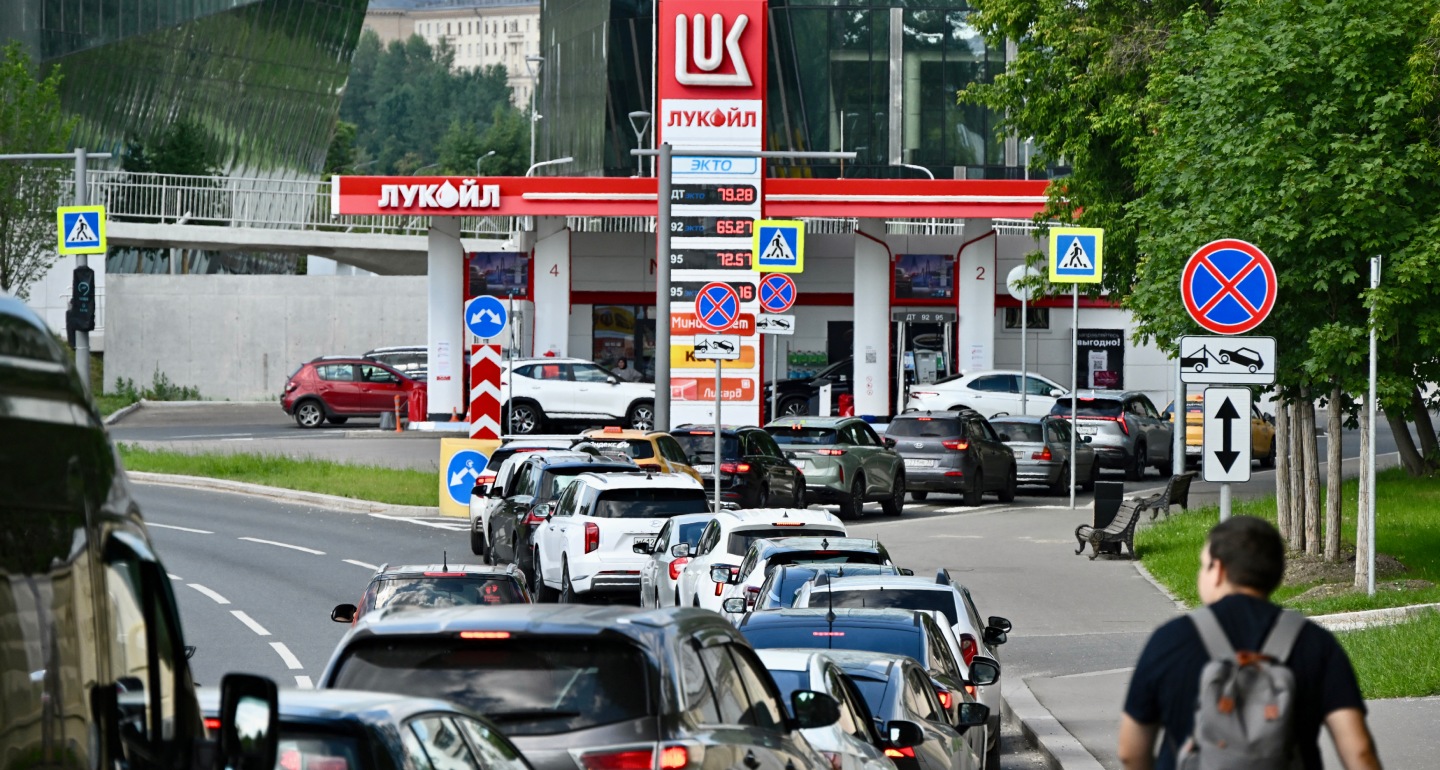
Official discussions about mini oil refineries are unlikely to come to anything—but the mere fact they’re happening reveals the regime is failing to deliver a functioning economy.

Sergey Vakulenko
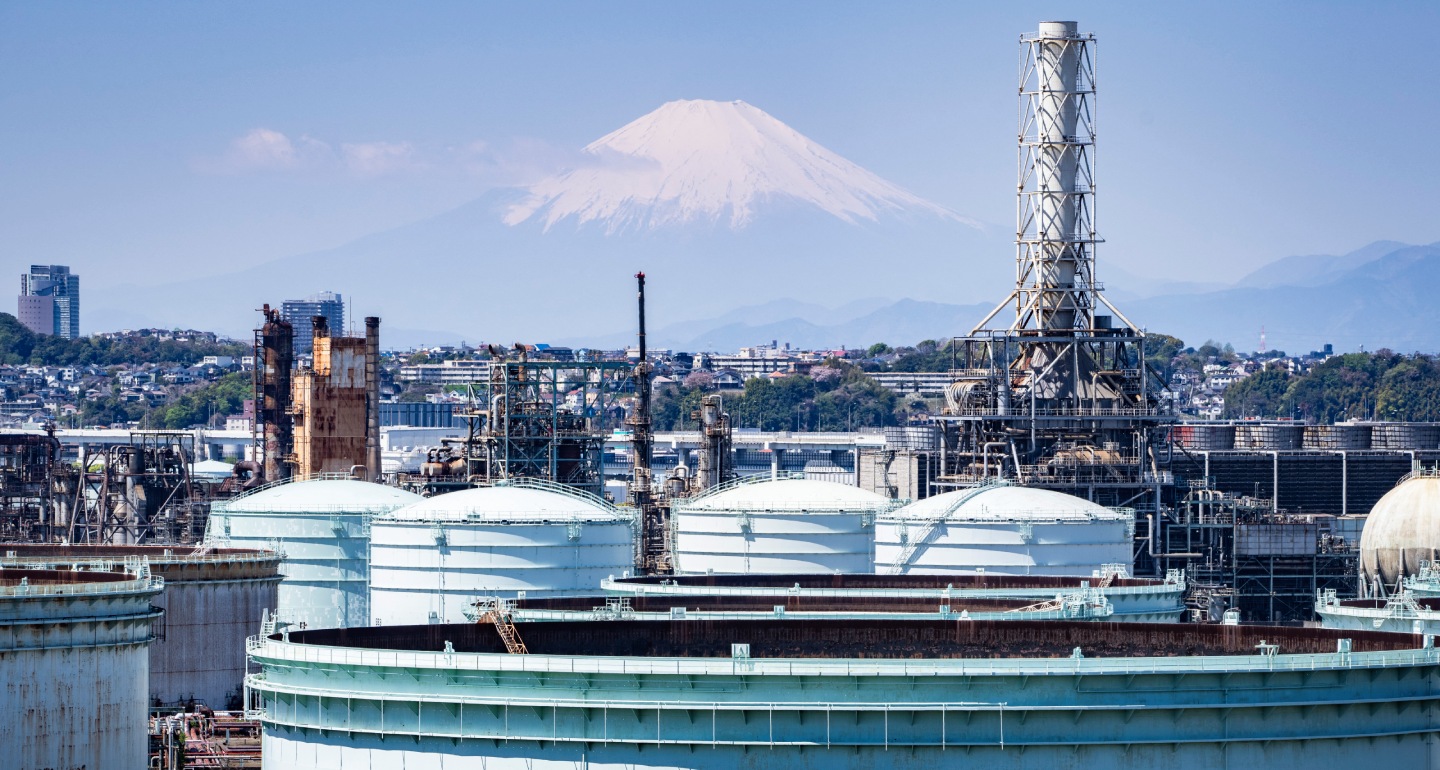
Tokyo would have to surmount a lot of obstacles—not least Western sanctions—if it wanted to return Russian oil imports to even modest pre-2022 volumes.

Vladislav Pashchenko

Powerful lobbyists and inertia led to Russia’s coal-mining sector missing an excellent opportunity to solve its structural problems.
Alexey Gusev
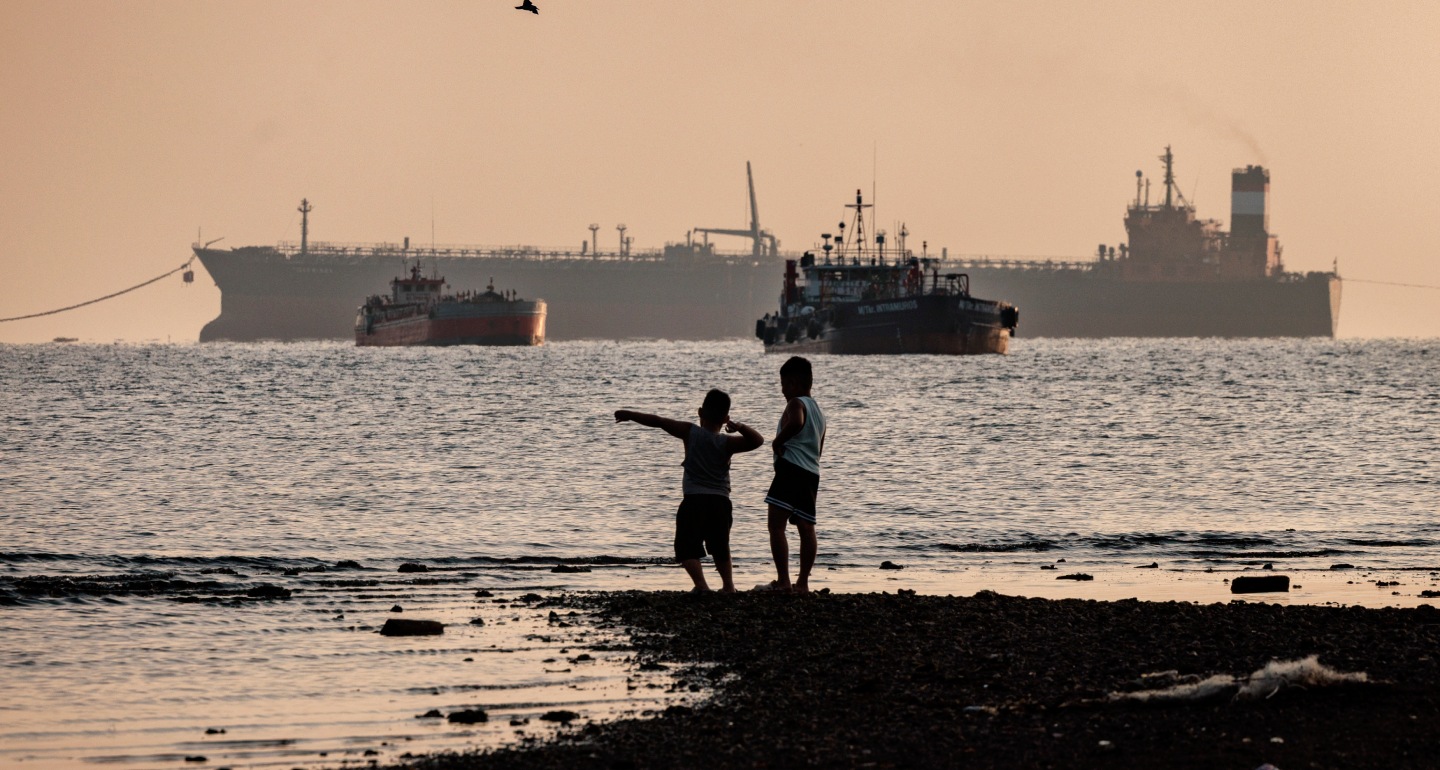
Although Ukrainian strikes have led to a noticeable decline in the physical volume of Russian oil exports, the rise in prices has more than made up for it.
Sergey Vakulenko