

Commentary
When faced with fuel shortages in the past, Central Asian governments could always count on additional supplies from Moscow. That safety net no longer exists.
Galiya Ibragimova
{
  "authors": [
    "Deborah Gordon",
    "Jeffrey Feldman",
    "Joule Bergerson",
    "Adam Brandt",
    "Jonathan Koomey"
  ],
  "type": "other",
  "centerAffiliationAll": "dc",
  "centers": [
    "Carnegie Endowment for International Peace"
  ],
  "collections": [],
  "englishNewsletterAll": "ctw",
  "nonEnglishNewsletterAll": "",
  "primaryCenter": "Carnegie Endowment for International Peace",
  "programAffiliation": "SCP",
  "programs": [
    "Sustainability, Climate, and Geopolitics"
  ],
  "projects": [
    "Carnegie Oil Initiative"
  ],
  "regions": [
    "North America"
  ],
  "topics": [
    "Climate Change"
  ]
}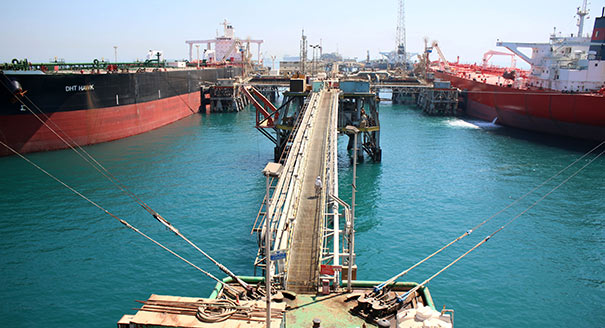
Source: Getty
Oil is one of the world’s most durable global commodities. With few ready commercial substitutes, its extraordinary staying power is demonstrated by its enduring energy sector dominance, even as market prices fluctuate dramatically and geopolitical disruptions strike.
Source: chapter in Encyclopedia of Sustainability Technologies
Oil is one of the world’s most durable global commodities. With few ready commercial substitutes, its extraordinary staying power is demonstrated by its enduring energy sector dominance, even as market prices fluctuate dramatically and geopolitical disruptions strike. In addition to ever present economic and security concerns, climate change is a third factor that must now be fully considered. This puts a premium on the ability to quantify greenhouse gas (GHG) emissions through the oil value chain to see how they vary in upstream production and crude transport, midstream refining, and downstream product transport and end use. To address this knowledge gap, the Carnegie Endowment for International Peace, in collaboration with researchers at Stanford University and the University of Calgary, developed a first-of-its-kind Oil Climate Index (OCI). This open source web tool conducts a “crude-centric” lifecycle assessment of oil from the barrel forward through consumption of all its end products. The OCI demonstrates that total GHG emissions can vary significantly—by as much as nearly a factor of two overall, depending on the oil itself and the operating techniques employed, and a factor of ten in upstream and midstream GHG emissions. Given available data, competing fossil fuel resources can be modeled using the OCI to identify emissions reduction opportunities to successfully manage their GHG emissions.
The variations in GHG emissions between oils are large enough to matter. These differences should prompt innovations in data collection, analysis, risk assessment, and policy design. The “crude-centric” approach can help producers, refiners, oil traders, policymakers, investors, academics, NGOs, and the public focus attention on successfully mitigating total GHG emissions from the oils sector. Accomplishing these goals will require widespread adoption of this new way of “crude-centric” thinking. Future phases of the OCI will continue to probe energy sustainability via innovation, including the forthcoming addition of the GHG assessment of global gas fields to the OCI.
This chapter was originally pulished in the Encyclopedia of Sustainable Technologies.

Former Director and Senior Fellow, Energy and Climate Program
Gordon was director of Carnegie’s Energy and Climate Program, where her research focuses on oil and climate change issues in North America and globally.
Jeffrey Feldman
Former Junior Fellow, Energy and Climate Program
Joule Bergerson
Joule Bergerson is an assistant professor at the University of Calgary. Her primary research interests are systems-level analysis for policy and decision making of energy system investment and management.
Adam Brandt
Adam Brandt is an assistant professor at Stanford University. He is interested in reducing the environmental impacts of energy systems.
Jonathan Koomey
Jonathan Koomey is a researcher, author, lecturer, and entrepreneur whose work spans climate solutions, critical thinking skills, and the energy and environmental effects of information technology.
Carnegie does not take institutional positions on public policy issues; the views represented herein are those of the author(s) and do not necessarily reflect the views of Carnegie, its staff, or its trustees.

When faced with fuel shortages in the past, Central Asian governments could always count on additional supplies from Moscow. That safety net no longer exists.

Galiya Ibragimova
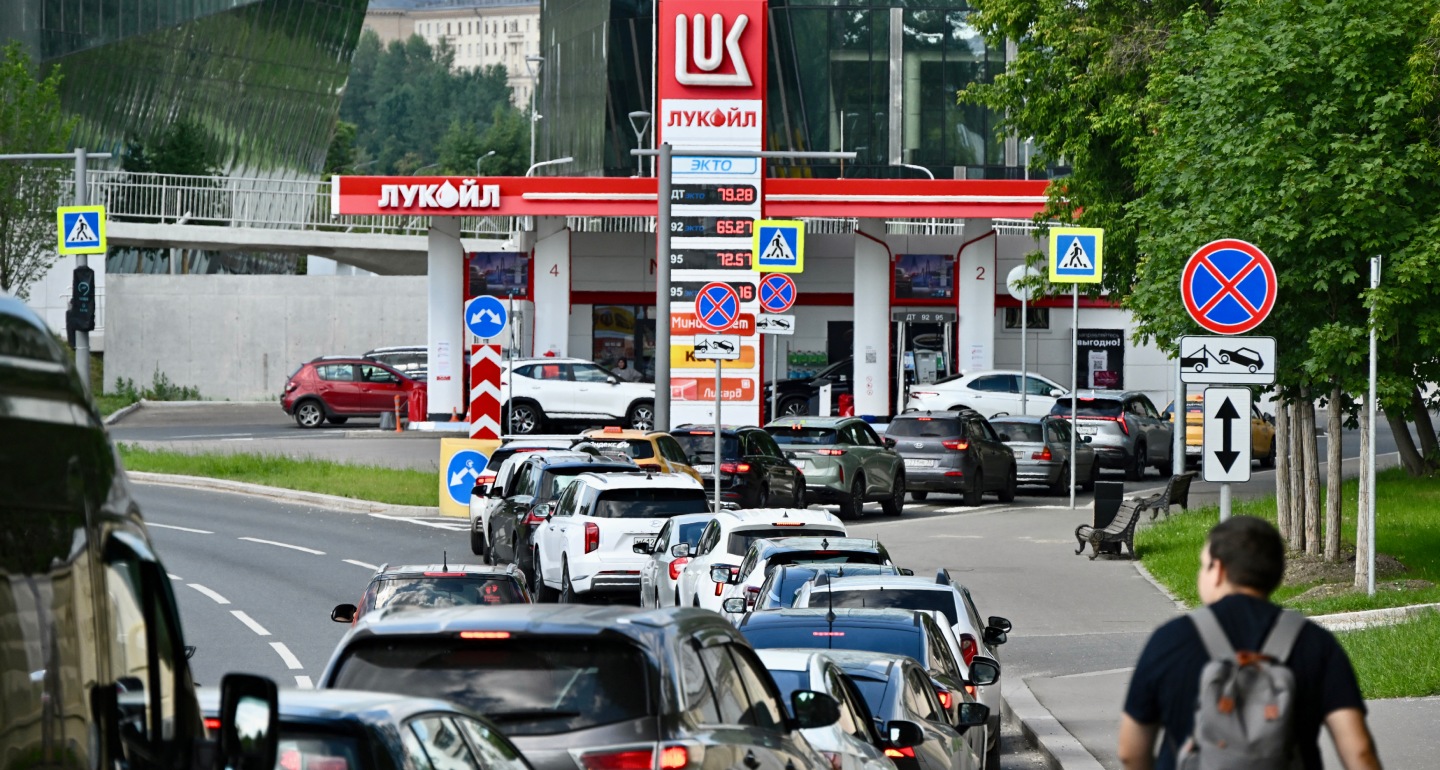
Official discussions about mini oil refineries are unlikely to come to anything—but the mere fact they’re happening reveals the regime is failing to deliver a functioning economy.

Sergey Vakulenko
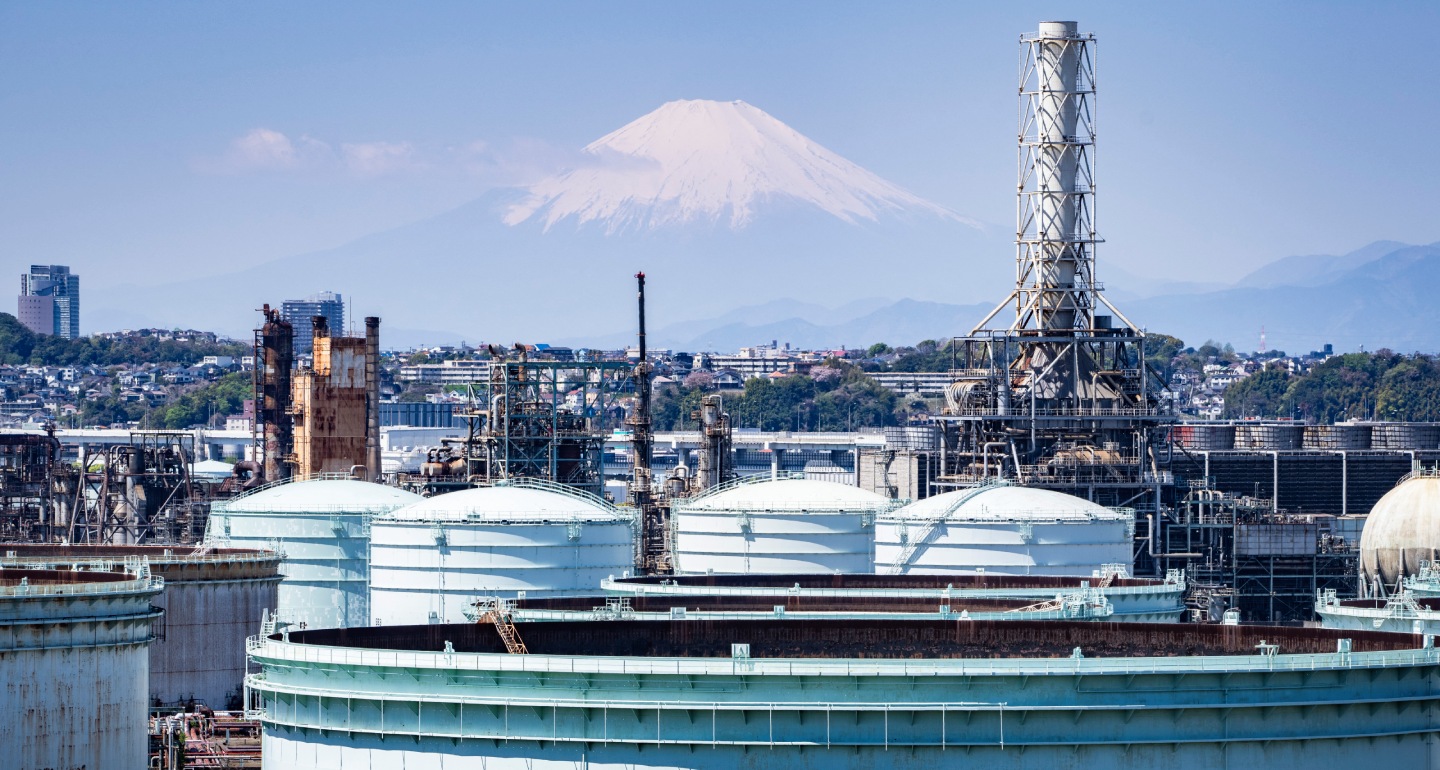
Tokyo would have to surmount a lot of obstacles—not least Western sanctions—if it wanted to return Russian oil imports to even modest pre-2022 volumes.

Vladislav Pashchenko

Powerful lobbyists and inertia led to Russia’s coal-mining sector missing an excellent opportunity to solve its structural problems.
Alexey Gusev
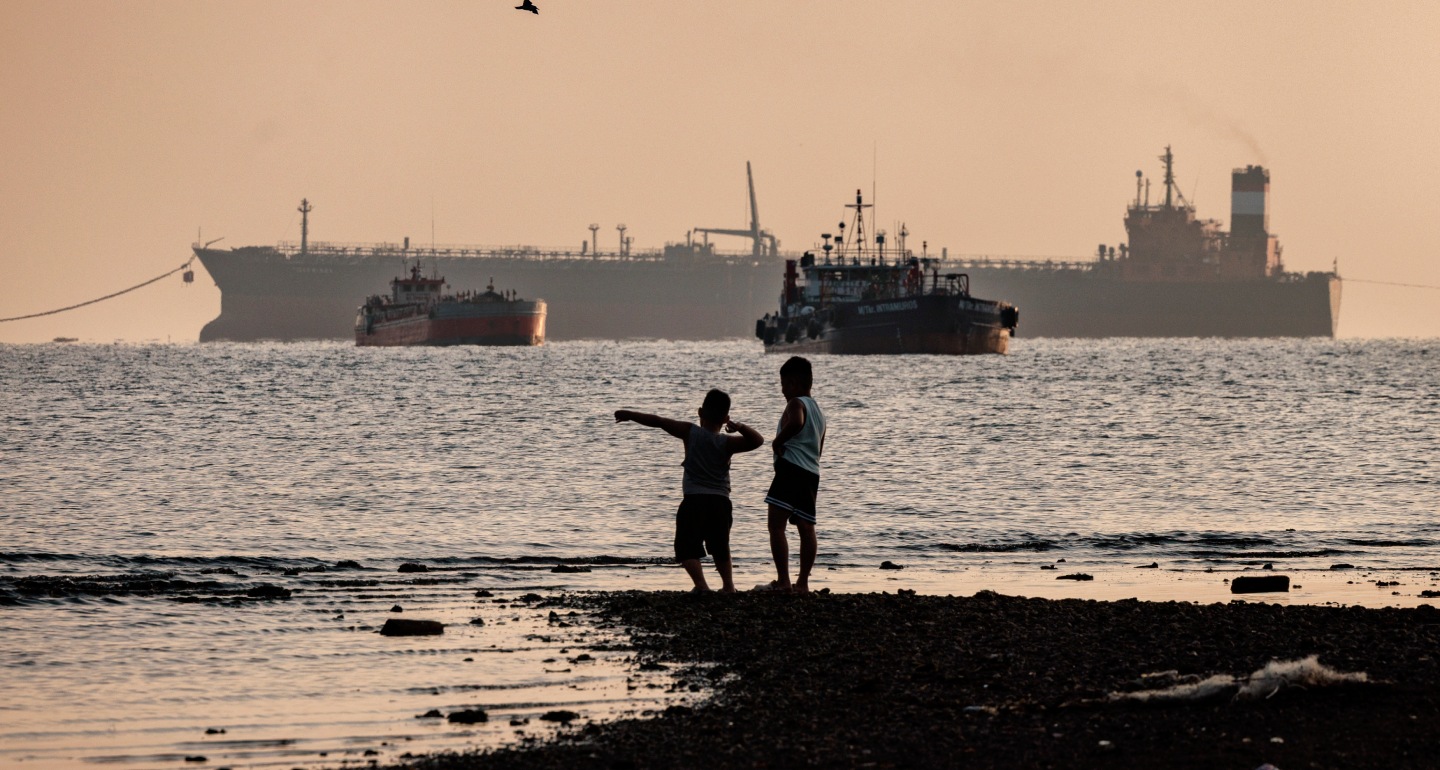
Although Ukrainian strikes have led to a noticeable decline in the physical volume of Russian oil exports, the rise in prices has more than made up for it.
Sergey Vakulenko