

Commentary
Tokyo would have to surmount a lot of obstacles—not least Western sanctions—if it wanted to return Russian oil imports to even modest pre-2022 volumes.
Vladislav Pashchenko
{
  "authors": [
    "Toby Dalton",
    "Jon Wolfsthal"
  ],
  "type": "other",
  "centerAffiliationAll": "dc",
  "centers": [
    "Carnegie Endowment for International Peace"
  ],
  "collections": [
    "Korean Peninsula"
  ],
  "englishNewsletterAll": "ctw",
  "nonEnglishNewsletterAll": "",
  "primaryCenter": "Carnegie Endowment for International Peace",
  "programAffiliation": "NPP",
  "programs": [
    "Nuclear Policy"
  ],
  "projects": [],
  "regions": [
    "East Asia",
    "South Korea"
  ],
  "topics": [
    "Nuclear Policy"
  ]
}
Source: Getty
If there were real military or political benefits to redeploying nuclear weapons in South Korea, this idea would be worth a serious review, but redeploying them today makes no sense, and indeed could exacerbate the current crisis over North Korea’s nuclear threats.
Source: Foreign Policy
South Korean officials announced last month that the United States would begin to routinely deploy strategic assets on the Korean Peninsula to help deter North Korea’s nuclear capabilities. The South Korean demand for tangible signals of America’s defense commitment is unlikely to stop there, and prominent South Korean politicians are publicly pushing for the United States to return nuclear weapons to the peninsula. Some American politicians, like Sen. John McCain, have made similar suggestions.
If there were real military or political benefits to redeploying nuclear weapons in South Korea, this idea would be worth a serious review, but redeploying them today makes no sense, and indeed could exacerbate the current crisis over North Korea’s nuclear threats.
Here are seven reasons why the United States should not seek to deploy nuclear weapons in South Korea.
1. Our military does not need them. The United States can hit any target in North Korea from within the United States or elsewhere with precision conventional weapons. If a conflict escalates and requires the use of nuclear weapons, these can be delivered from a variety of existing, secure platforms far from North Korea — and both North and South Korea know it. Stationing nuclear weapons in South Korea would not deter North Korea from periodic tactical provocations, but could increase pressure on North Korea to use nuclear weapons first in a crisis. They would also make tempting targets for North Korean missiles, which can hit all of South Korea.
This article was originally published in Foreign Policy

Senior Fellow and Co-director, Nuclear Policy Program
Toby Dalton is a senior fellow and co-director of the Nuclear Policy Program at the Carnegie Endowment. An expert on nonproliferation and nuclear energy, his work addresses regional security challenges and the evolution of the global nuclear order.

Former Nonresident Scholar, Nuclear Policy Program
Jon Wolfsthal was a nonresident scholar with the Nuclear Policy Program.
Carnegie does not take institutional positions on public policy issues; the views represented herein are those of the author(s) and do not necessarily reflect the views of Carnegie, its staff, or its trustees.
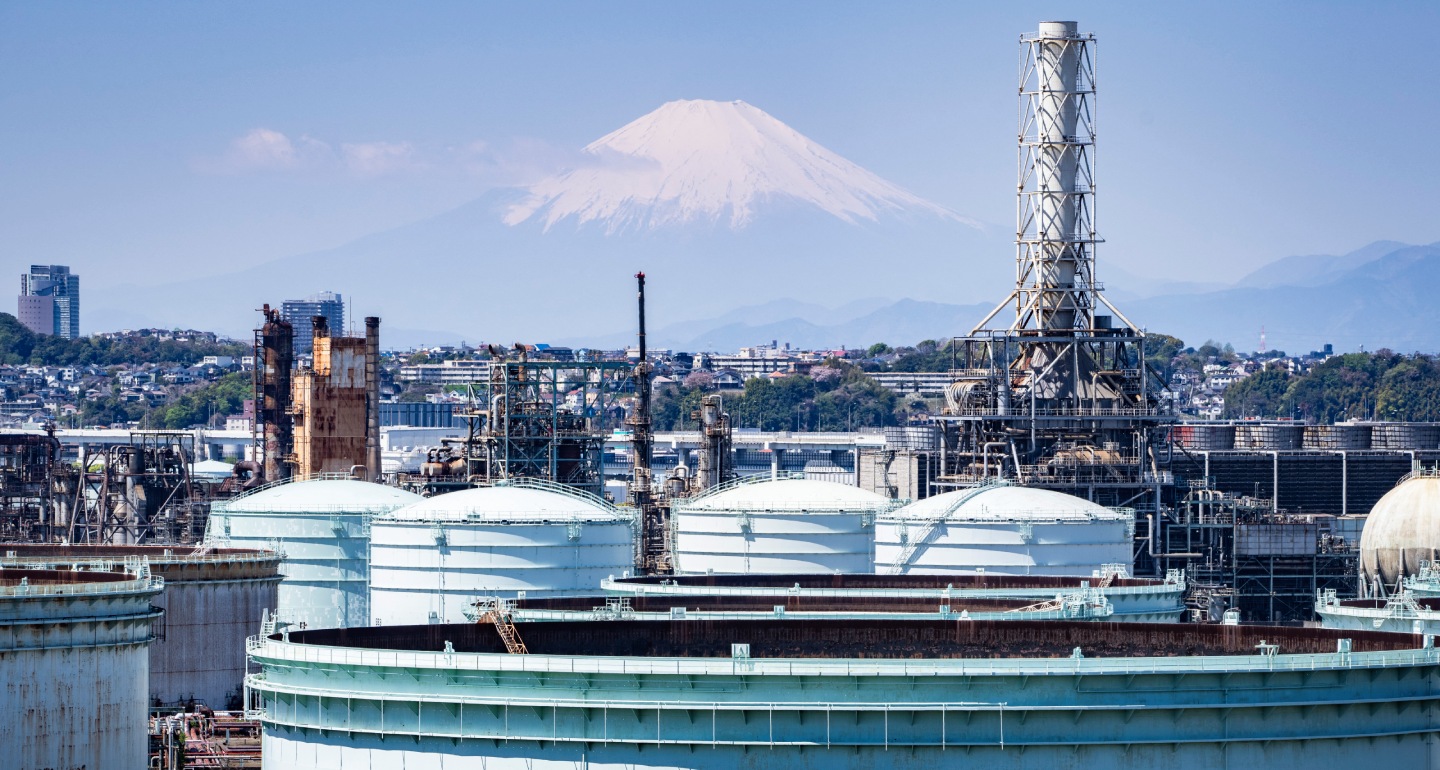
Tokyo would have to surmount a lot of obstacles—not least Western sanctions—if it wanted to return Russian oil imports to even modest pre-2022 volumes.

Vladislav Pashchenko
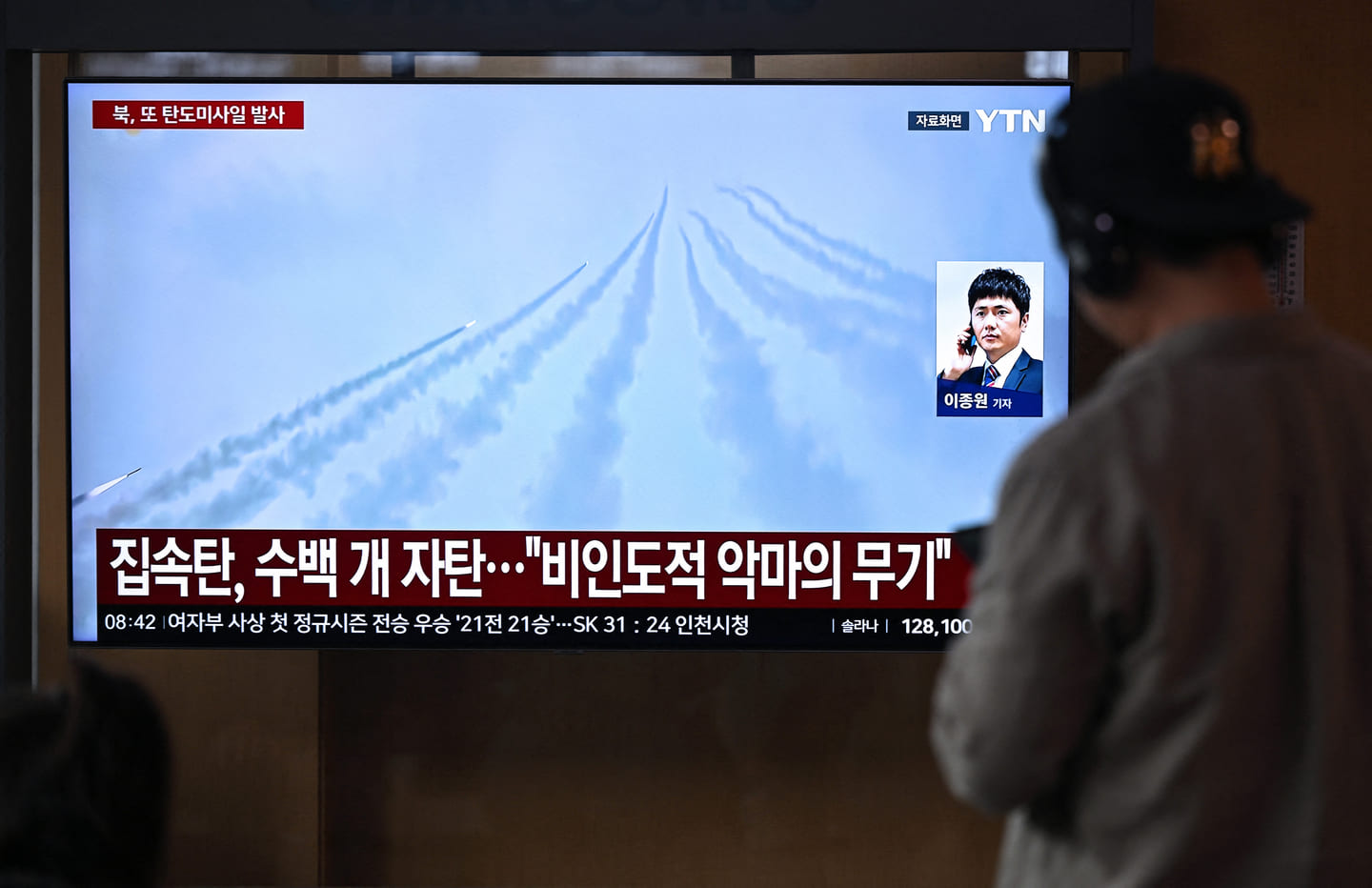
Troubled by the growing salience of nuclear debates in East Asia, Moscow has responded in its usual way: with condemnation and threats. But by exacerbating insecurity, Russia is forcing South Korea and Japan to consider radical security options.

James D.J. Brown
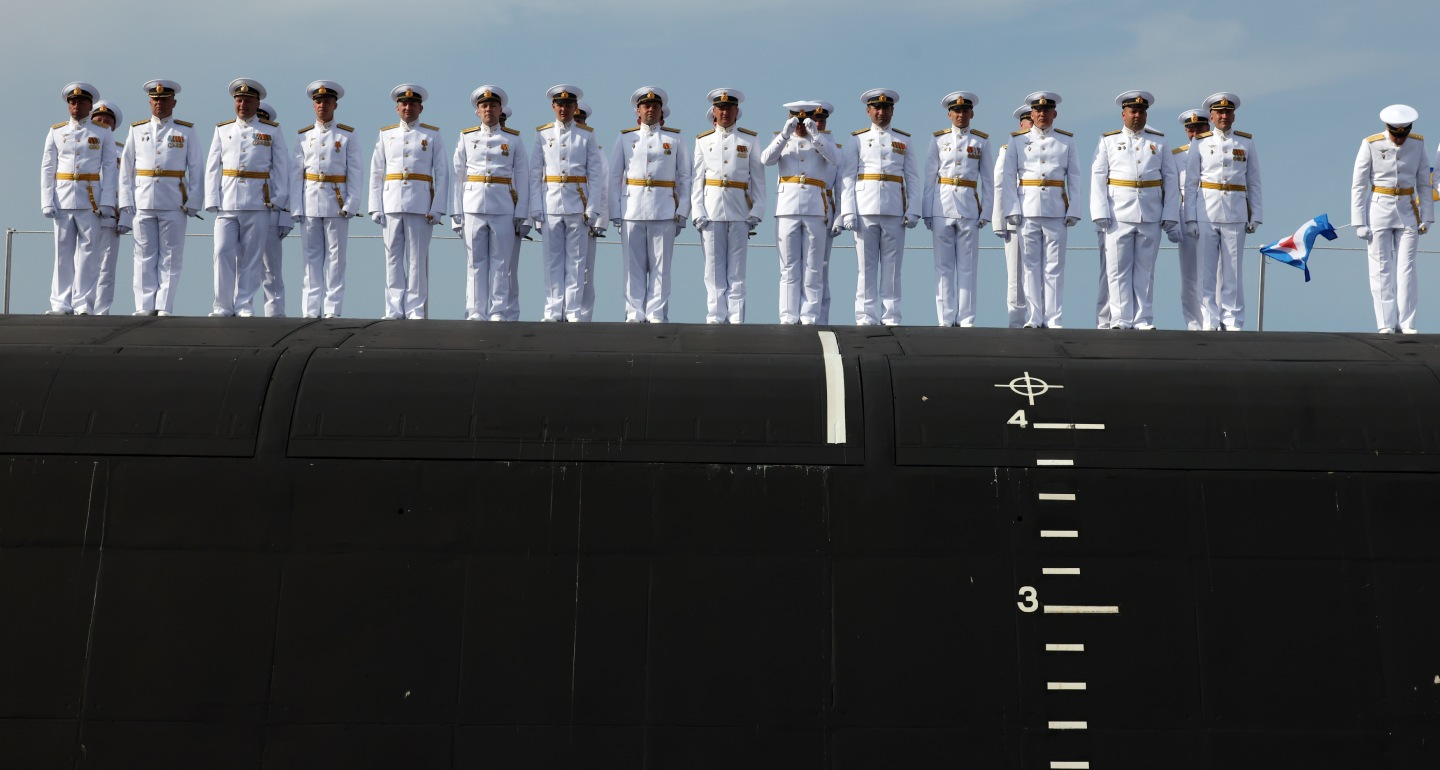
For Putin, upgrading Russia’s nuclear forces was a secondary goal. The main aim was to gain an advantage over the West, including by strengthening the nuclear threat on all fronts. That made growth in missile arsenals and a new arms race inevitable.

Maxim Starchak
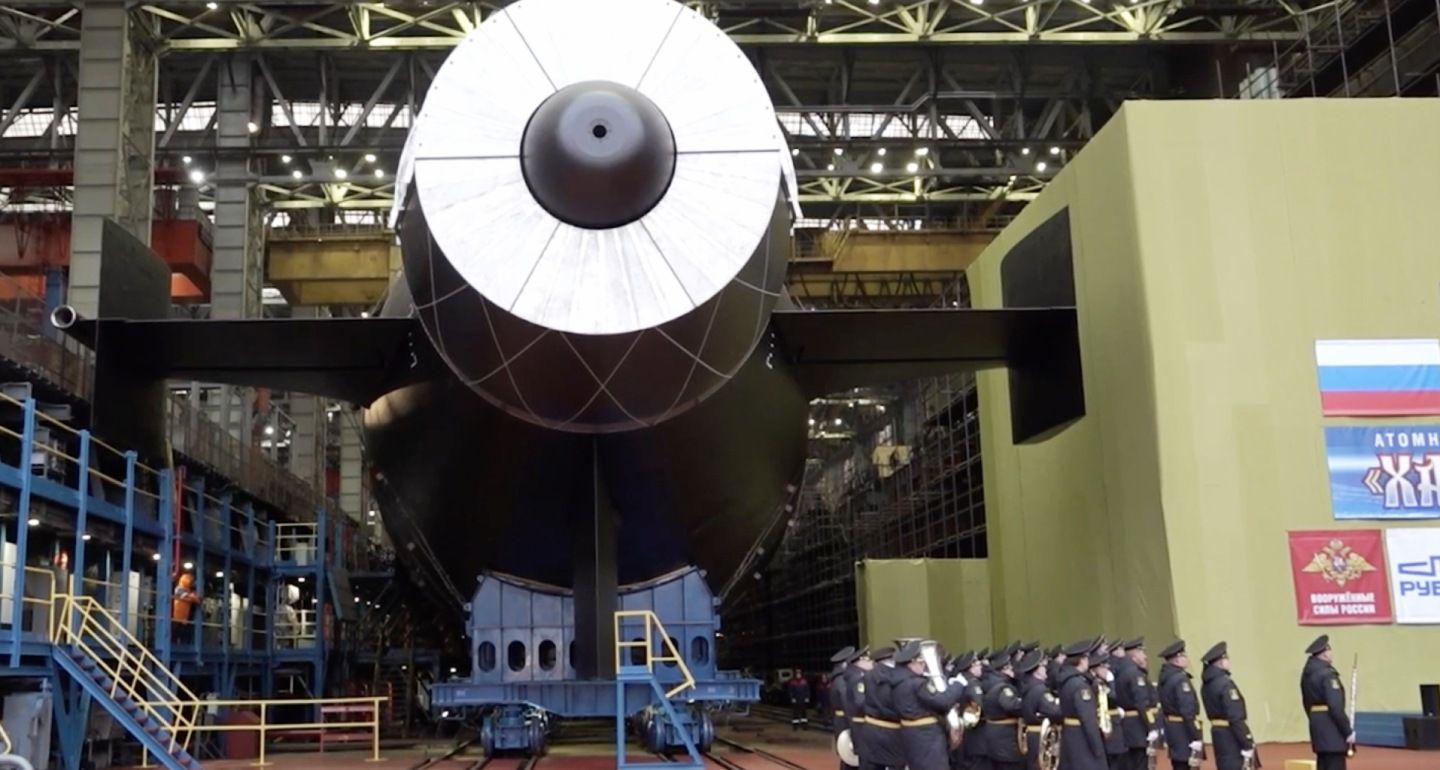
The Kremlin will only be prepared to negotiate strategic arms limitations if it is confident it can secure significant concessions from the United States. Otherwise, meaningful dialogue is unlikely, and the international system of strategic stability will continue to teeter on the brink of total collapse.
Maxim Starchak
The collapse of the Budapest summit is an inevitable result of the Russian system of artificially creating foreign policy crises in order to achieve a desired outcome.

Alexander Baunov