

Q&A
Eugene Rumer
{
  "authors": [
    "Eugene Rumer"
  ],
  "type": "other",
  "centerAffiliationAll": "dc",
  "centers": [
    "Carnegie Endowment for International Peace"
  ],
  "collections": [],
  "englishNewsletterAll": "ctw",
  "nonEnglishNewsletterAll": "",
  "primaryCenter": "Carnegie Endowment for International Peace",
  "programAffiliation": "russia",
  "programs": [
    "Russia and Eurasia"
  ],
  "projects": [],
  "regions": [
    "North America",
    "United States",
    "Russia",
    "Western Europe"
  ],
  "topics": [
    "Foreign Policy"
  ]
}
Source: Getty
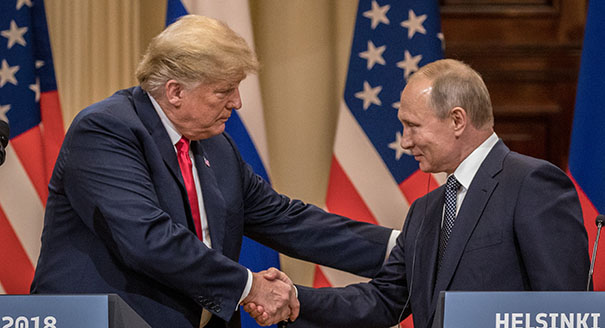
Russia’s relations with Europe and the United States are at their worst since the end of the Soviet Union. Yet the biggest challenge facing the West may come from within, not outside, the Western alliance.
Source: Istituto Affari Internazionali
Russia’s relations with Europe and the United States are at their worst since the end of the Soviet Union. Russian leaders reject the post-Cold War vision of a Europe whole, free, at peace with itself and its neighbours, view NATO as a threat and increasingly consider the EU as a danger to Russia’s political system. This is unlikely to change soon. The anti-Western worldview of Russia’s national security establishment, the proximity of the NATO-Russia line of contact to the Russian heartland, and Russia’s newly assertive posture in many far-flung regions of the world contribute to an atmosphere of heightened tensions between Russia and Europe and the United States. This, however, may not be the biggest challenge facing the West. In the age of Trump, that challenge may come from within, not outside, the Western alliance.
This paper was originally published by Istituto Affari Internazionali.
Director and Senior Fellow, Russia and Eurasia Program
Rumer, a former national intelligence officer for Russia and Eurasia at the U.S. National Intelligence Council, is a senior fellow and the director of Carnegie’s Russia and Eurasia Program.
Recent Work
Eugene Rumer
Eugene Rumer
Carnegie does not take institutional positions on public policy issues; the views represented herein are those of the author(s) and do not necessarily reflect the views of Carnegie, its staff, or its trustees.
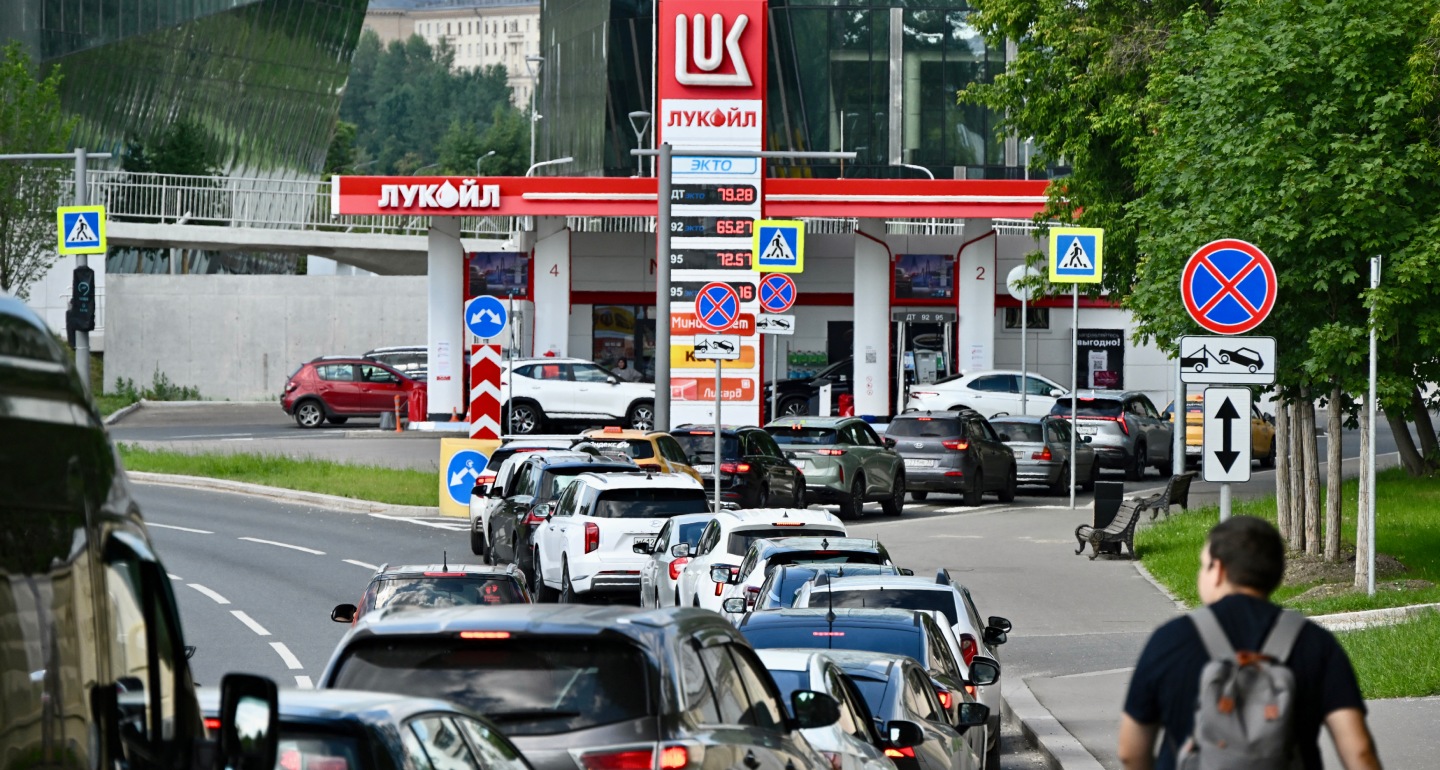
Official discussions about mini oil refineries are unlikely to come to anything—but the mere fact they’re happening reveals the regime is failing to deliver a functioning economy.

Sergey Vakulenko
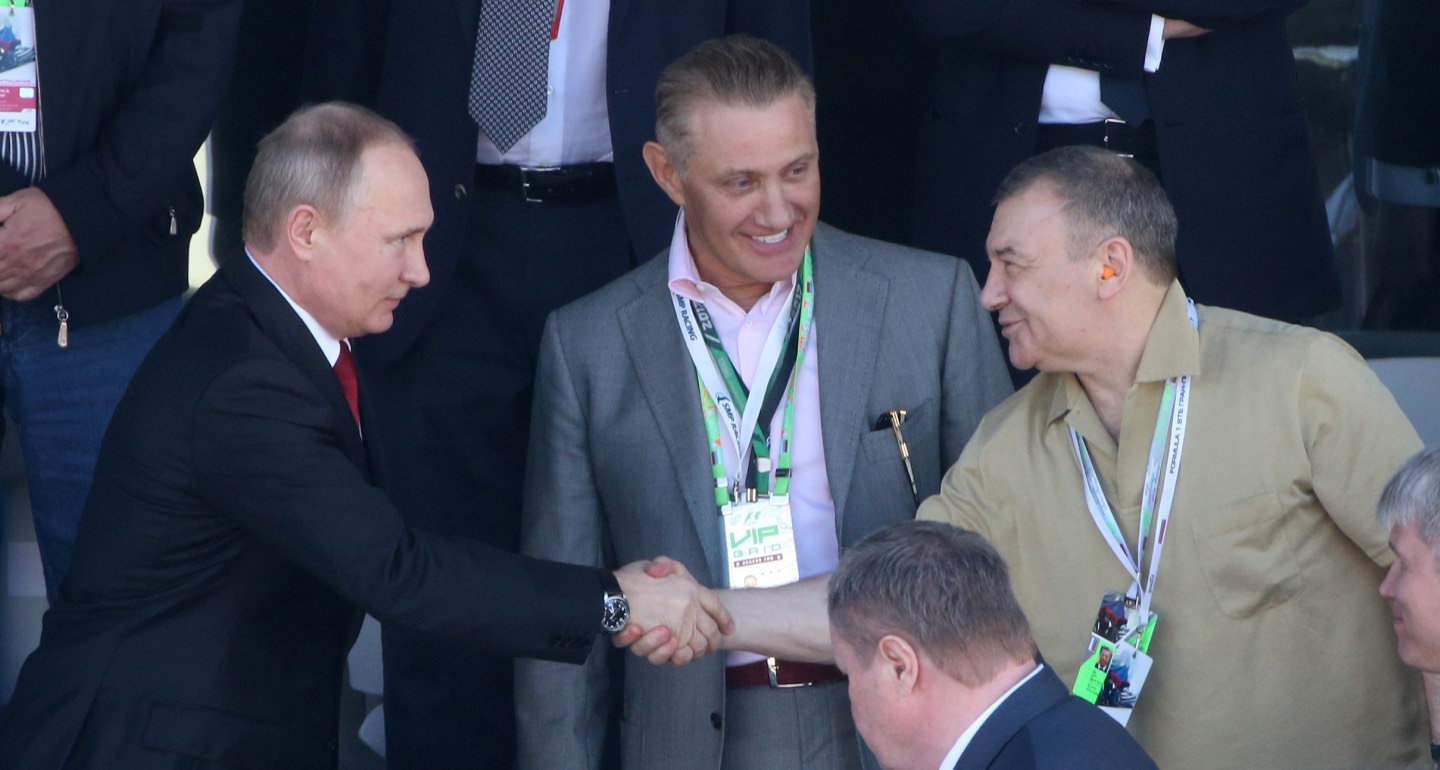
The security forces are targeting Arkady and Boris Rotenberg’s patronage network—and in Putin’s Russia, it’s extremely hard to stop a purge once it’s under way.

Mikhail Komin
Andrey Melnichenko’s essay offers no answer to the fundamental question of how, under any kind of negotiated settlement, Europe can protect itself from the Russian ressentiment that is inevitable in all scenarios except for an outright victory for Putin.

Leonid Bershidsky
Despite unhappiness on the ground, Moscow is determined to use both carrot and stick to ensure there is record support for United Russia in occupied Ukraine.

Konstantin Skorkin
Medvedev’s defeat in the battle for the position of speaker appears to signal that the long process of his marginalization in Russian politics has passed the point of no return.

Andrey Pertsev