

Article
C. Raja Mohan, Darshana M. Baruah
{
  "authors": [
    "C. Raja Mohan"
  ],
  "type": "other",
  "centerAffiliationAll": "dc",
  "centers": [
    "Carnegie Endowment for International Peace",
    "Carnegie India"
  ],
  "collections": [],
  "englishNewsletterAll": "ctw",
  "nonEnglishNewsletterAll": "",
  "primaryCenter": "Carnegie India",
  "programAffiliation": "SAP",
  "programs": [
    "South Asia"
  ],
  "projects": [],
  "regions": [
    "South Asia",
    "Pakistan"
  ],
  "topics": [
    "Foreign Policy",
    "Political Reform"
  ]
}
Source: Getty
Any easing of tensions with Afghanistan and India will significantly boost Pakistan’s prospects for economic advancement at home and the elevation of its international standing.
Source: Institute of South Asian Studies
If the rise of Imran Khan to the top of Pakistan’s political heap is rooted in popular aspirations for change, analysts are sceptical about any significant evolution in the nation’s internal and external orientation after the elections. While the constraints on the civilian leadership are real, the status quo in Pakistan is increasingly difficult to sustain. It is possible to imagine a course correction at home and abroad if Khan can generate a new domestic consensus on key national issues on the basis of his mass appeal and the trust of the army that so dominates Pakistan’s political life. Any easing of tensions with Afghanistan and India will significantly boost Pakistan’s prospects for economic advancement at home and the elevation of its international standing. It is possible to imagine a course correction at home and abroad if Khan can generate a new domestic consensus on key national issues on the basis of his mass appeal and the trust of the army that so dominates Pakistan’s political life.
Former Nonresident Senior Fellow, Carnegie India
A leading analyst of India’s foreign policy, Mohan is also an expert on South Asian security, great-power relations in Asia, and arms control.
Recent Work

C. Raja Mohan, Darshana M. Baruah


Alexander Gabuev, Paul Haenle, C. Raja Mohan, …
Carnegie does not take institutional positions on public policy issues; the views represented herein are those of the author(s) and do not necessarily reflect the views of Carnegie, its staff, or its trustees.

The greater threat to Zelensky comes not from Fedorov alone, but from the convergence between the former defense minister’s political campaign and the anti-corruption investigations moving ever closer to the presidential administration.

Balázs Jarábik
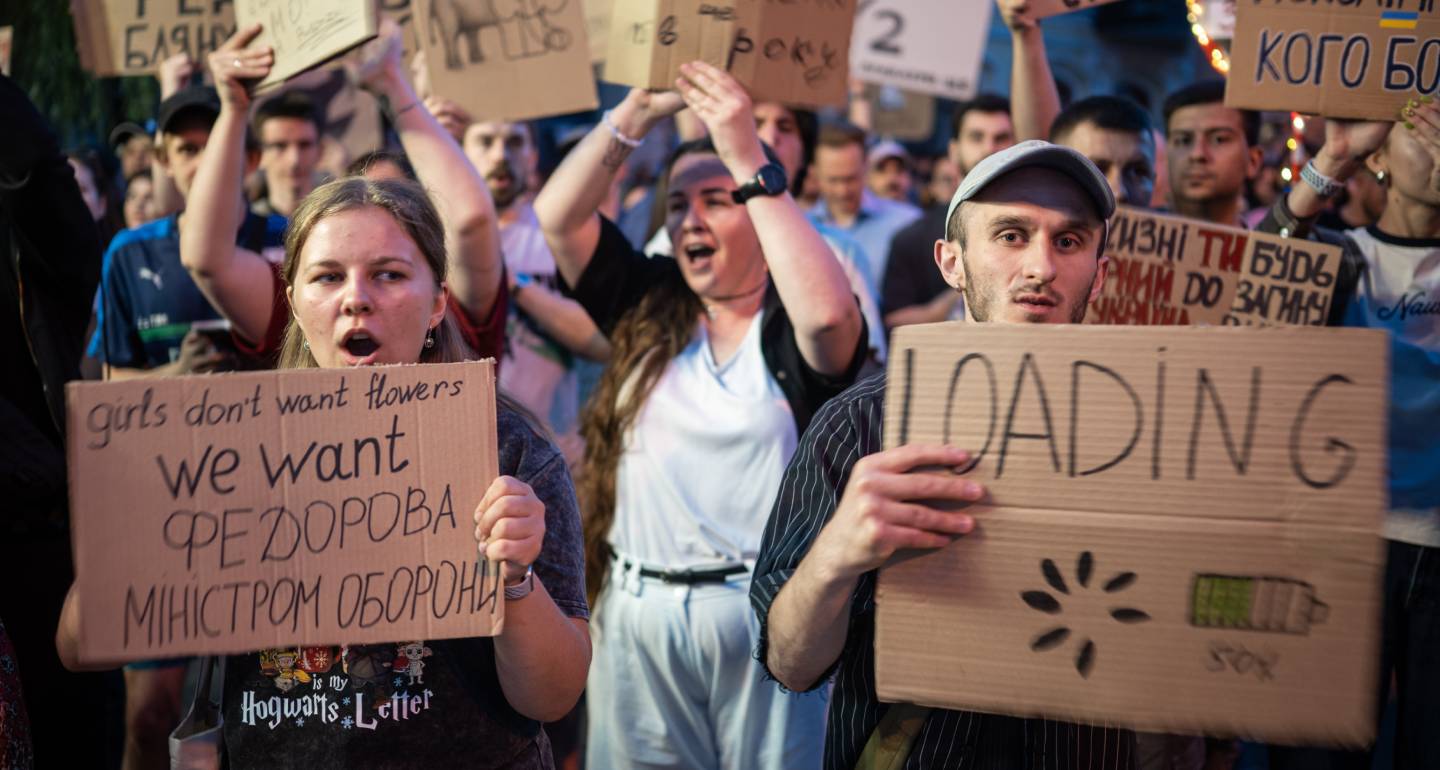
With his public call for new elections in Ukraine, ex-defense minister Mykhailo Fedorov has opened Pandora’s box.

Konstantin Skorkin

In the discussions made possible by the State Duma election campaign, one question is being asked more and more loudly. “What next?”

Andrey Pertsev

When faced with fuel shortages in the past, Central Asian governments could always count on additional supplies from Moscow. That safety net no longer exists.

Galiya Ibragimova

Two divergent trends—Putin’s hardline vision of how to prosecute the war in Ukraine, and a growing desire for change in Russia—could tear the regime apart.

Tatiana Stanovaya