

Commentary
A much-discussed disagreement over internet restrictions in Russia was never an existential threat for Putin: It was about elite groups protecting their interests.
Alexandra Prokopenko
{
  "authors": [
    "Olga Romanova"
  ],
  "type": "commentary",
  "centerAffiliationAll": "",
  "centers": [
    "Carnegie Endowment for International Peace",
    "Carnegie Russia Eurasia Center"
  ],
  "collections": [],
  "englishNewsletterAll": "",
  "nonEnglishNewsletterAll": "",
  "primaryCenter": "Carnegie Russia Eurasia Center",
  "programAffiliation": "",
  "programs": [],
  "projects": [],
  "regions": [],
  "topics": [
    "Economy"
  ]
}
Source: Getty
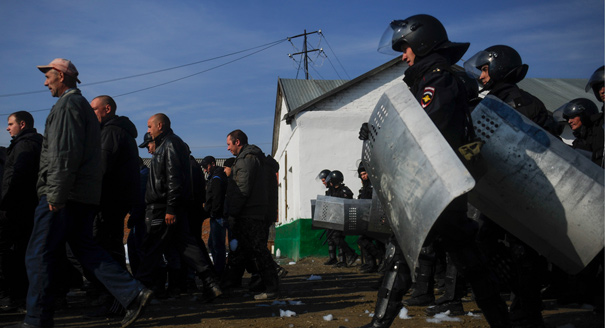
While the world watches the hunger strike of Oleg Sentsov, who is becoming Russia’s best-known political prisoner, most penitentiary protests have nothing to do with politics. Rather, they are about improving conditions in prisons and human dignity. Their occurrence and their tendency to be covered up testify to the lack of true accountability in the Russian prison system.
Russia’s best-known prisoner might now be Oleg Sentsov, a pro-Ukrainian Crimean film director serving a twenty-year sentence on questionable terrorism charges. For over a hundred days, Sentsov has been on a hunger strike, demanding that Russia free all Ukrainian political prisoners. Western governments, international organizations, and even celebrities have all called for his release.
But for all the significance of Sentsov’s protest, his actions are actually an outlier in Russian prisons. Politics motivates very few protests behind bars. Instead, Russian prison protests are usually driven by prison conditions, and the response to them—both official and unofficial—differs significantly from the prominent case of Sentsov.
Consider one of the most notorious “common” prison protests: the events at Russia’s Kopeysk penal colony in 2012. Inmates armed with posters asking for help went on a hunger strike, bringing cases of torture, abuse, and extortion in the correctional facility to light. While the allegations were being investigated, the Kopeysk events were labeled “unrest,” “conflict,” and “protests.”
Then the head of the facility and seventeen inmates were charged in the case. That’s when the “conflict” turned into a “revolt.” The inmates trying to draw attention to the situation in the penal colony were convicted, while its warden was amnestied after receiving a suspended sentence of three years.
The Federal Penitentiary Service (known in Russian as FSIN), the Investigative Committee, and the Prosecutor’s Office all blamed the inmates, alleging that they demanded access to cell phones, the Internet, drugs, alcohol, and even prostitutes.
But the inmates and their relatives blamed the prison guards and the prosecutors covering up for them. They alleged that the prison authorities engaged in beatings, torture, and illegal punitive confinement; extorted money in return for the prisoners’ safety; and forced their relatives to sell their apartments and cars. Complaints to higher authorities did nothing to help.
Who’s telling the truth? To make sense of this and other revolts, we must understand how often such protests occur in Russian prisons, how the prison authorities try to hide them, and what results they bring.
According to FSIN statistics, there are roughly fifteen such cases each year. However, this data is generally unreliable, since neither external auditors nor high-ranking prison officials can corroborate it. No one knows what’s really happening because, in FSIN, everything is concealed from everyone. A prison colony’s management might not report unrest because it reached an understanding with the prison gang leadership to halt the protest. Generally speaking, if unrest can be concealed, prison authorities will try to avoid publicity, media coverage, and outside investigations.
Besides exceedingly rare political protests, there are two kinds of ordinary prison protests. One—the most massive and common—is organized by crime lords. They can send inmates messages—“Slit your wrists,” for example—and be sure their subordinates will obey. That’s what the Kopeysk guards were claiming had happened.
But ordinary inmates also often rise up on their own when they can no longer bear the prison conditions: no medical care, extortion, beatings in punitive confinement, and other abuses. That’s what the Kopeysk prisoners said they were doing.
Sometimes, however, politics can creep into these protests. Consider the story of Vladimir Pereverzin, jailed in the Yukos case that also imprisoned oligarch Mikhail Khodorkovsky. He protested by publicly maiming himself at morning inspection, cutting his abdomen with a blade. Then, as the shocked guards pounced on him, he hoarsely called out: “Free political prisoners!”
Pereverzin benefitted from his protest: he was transferred to a different prison (his primary demand), where he was treated differently. But, as is typical in these cases, neither he nor the prison personnel viewed his actions as political, and it was certainly not recorded as such. The slogan “Free political prisoners!” was incidental, and Pereverzin’s main concern was survival and human dignity.
Thus, both common protest types—“criminally organized” and “quality of life”—aim to improve inmates’ living conditions. Nonetheless, their goals are different and the distinction between them is substantial.
In the former, the criminal elite is focused on deriving personal benefits: cell phones, alcohol, or drugs. In the latter, inmates are standing up for their legal rights: money for their work, normal labor conditions, and an eight-hour workday (as opposed to the twelve-hour, seven-day cycle common in many correctional facilities). They don’t want to be forced to pay to see visitors, and they want dying inmates to be visited by doctors. As the Penal Code does not allow prisoners to strike, they have no other remedy than to protest.
Filing a complaint with the supervising prosecutor is also not an option; he is often a close friend of the warden. In many cases, they are business partners: the prosecutor gets a cut from selling the parole of inmates and from inflated state procurement contracts obtained by prison executives. He also claims a share of revenues from illegally employed inmates and shadow business located on prison territory.
Thus, the prosecutor is paid not to see rights violations. But he is required to come and investigate emergency situations like hunger strikes. This is when the bargaining process to halt the protest begins.
On a practical level, the two common protest types frequently merge. But their alliance can prove short-lived if the crime bosses reach an agreement with prison officials.
For example, in the horrid Talitsy prison in Russia’s Ivanovo region, the criminal elite got prisoners to skip work, slit their wrists, and go on hunger strike to gain access to alcohol, drugs, and cell phones in 2011. However, to use protest as a bargaining chip, the elite also had to offer something in exchange to the administration. Typically, the prisoner elite gets rank-and-file inmates to stop writing complaints about prison conditions or brings the flow of narcotics into the prison under control. And of course they use force to fulfill these promises.
If the prison administration can quickly broker such an agreement, then the revolt will go unrecorded. But if no agreement is reached, the supervising prosecutor comes in. In the worst-case scenario, the federal commission may pay a visit and generate its own report. Its interests may or may not align with those of regional and federal elites.
Still, provided these interests coincide, the inspectors usually attempt to conceal the problem. Often, the supervising prosecutor tells the prison which documents to amend and which videos to misplace to hide the facts.
In this case, only public exposure can help reveal rights violations. But once public interest wanes, law enforcement officials often win out. For example, in Kopeysk, the prison warden was initially fired and slapped with criminal charges, while the protesters’ demands were deemed legitimate. But, in the end, the same protesters were tried and convicted.
Considering all this, what is the correct way to resolve such conflicts in prison? The answer is simple: follow the law.
The only solution is to investigate and prosecute cases to the very end and enlist the help of skilled human rights advocates. Oversight agencies should investigate the conflicts’ causes and genuinely play the role of a watchdog.
To accomplish that, however, Russia will need to reform the prosecution service, which requires political will. Furthermore, penal colonies are located in Russia’s regions, and the tight-knit and interdependent regional elite won’t easily betray the supervising prosecutors and FSIN officials.
Absent reform, the only resort left is public accountability—and not the kind of accountability we have now (none), but a system similar to what France and Germany have. There, a plethora of prison-accredited NGOs is allowed to monitor the situation in the penitentiary. It’s difficult to conceal something when there are so many witnesses around.
Most importantly, Russia must have a civilian penitentiary system. It is impossible to penetrate the current secretive, militarized system. No one can explain its need for secrecy, and even Valentina Matvienko, chair of Russia’s Federation Council, has recently acknowledged the need for reform.
What about revolts? There are prison protests in many countries. Inmates rise up when conditions inside are poor. But for some reason, we never hear of that happening in Norway and Denmark.
Olga Romanova
Carnegie does not take institutional positions on public policy issues; the views represented herein are those of the author(s) and do not necessarily reflect the views of Carnegie, its staff, or its trustees.
A much-discussed disagreement over internet restrictions in Russia was never an existential threat for Putin: It was about elite groups protecting their interests.

Alexandra Prokopenko
The demands of the Kremlin’s war in Ukraine, demographic problems, and public hostility toward Central Asians mean Russia does not have enough workers.
Salavat Abylkalikov
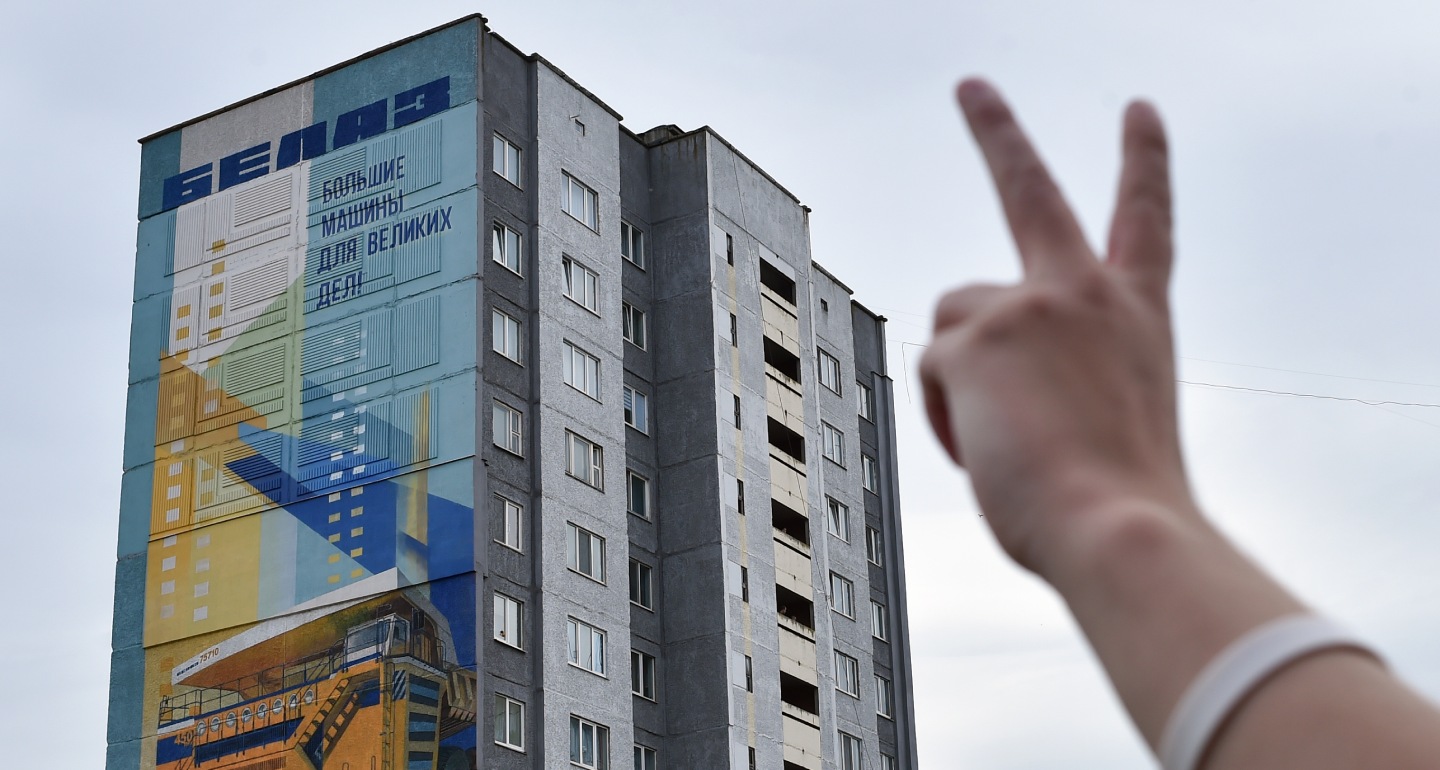
Minsk’s faith in the future of its larger neighbor’s economy is fading as Belarusian firms in Russia see record losses.

Olga Loiko
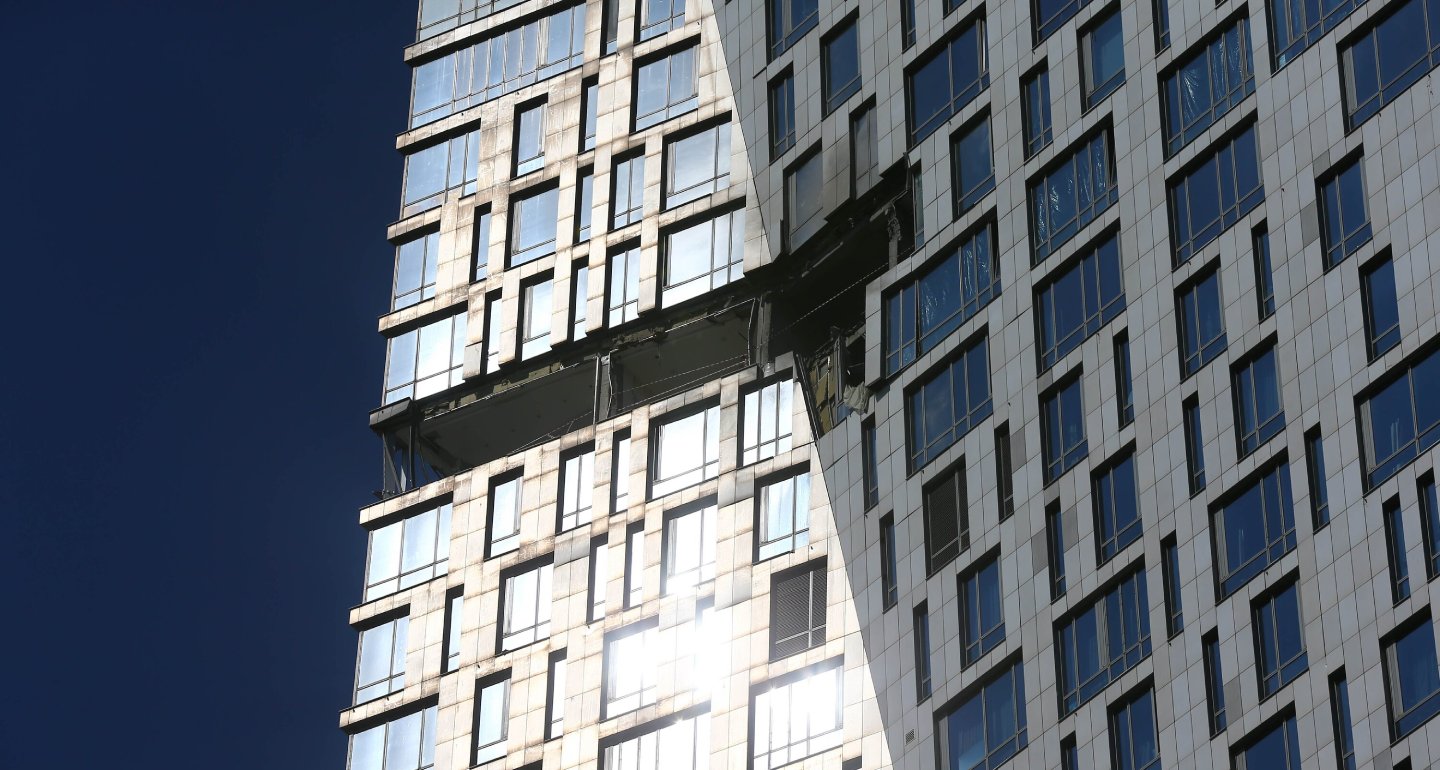
The cost of air defense has become an unregistered tax on revenue for businesses. While military rents are consolidated in the federal budget, the costs of defense are being spread across the balance sheets of companies and regional governments.
Alexandra Prokopenko
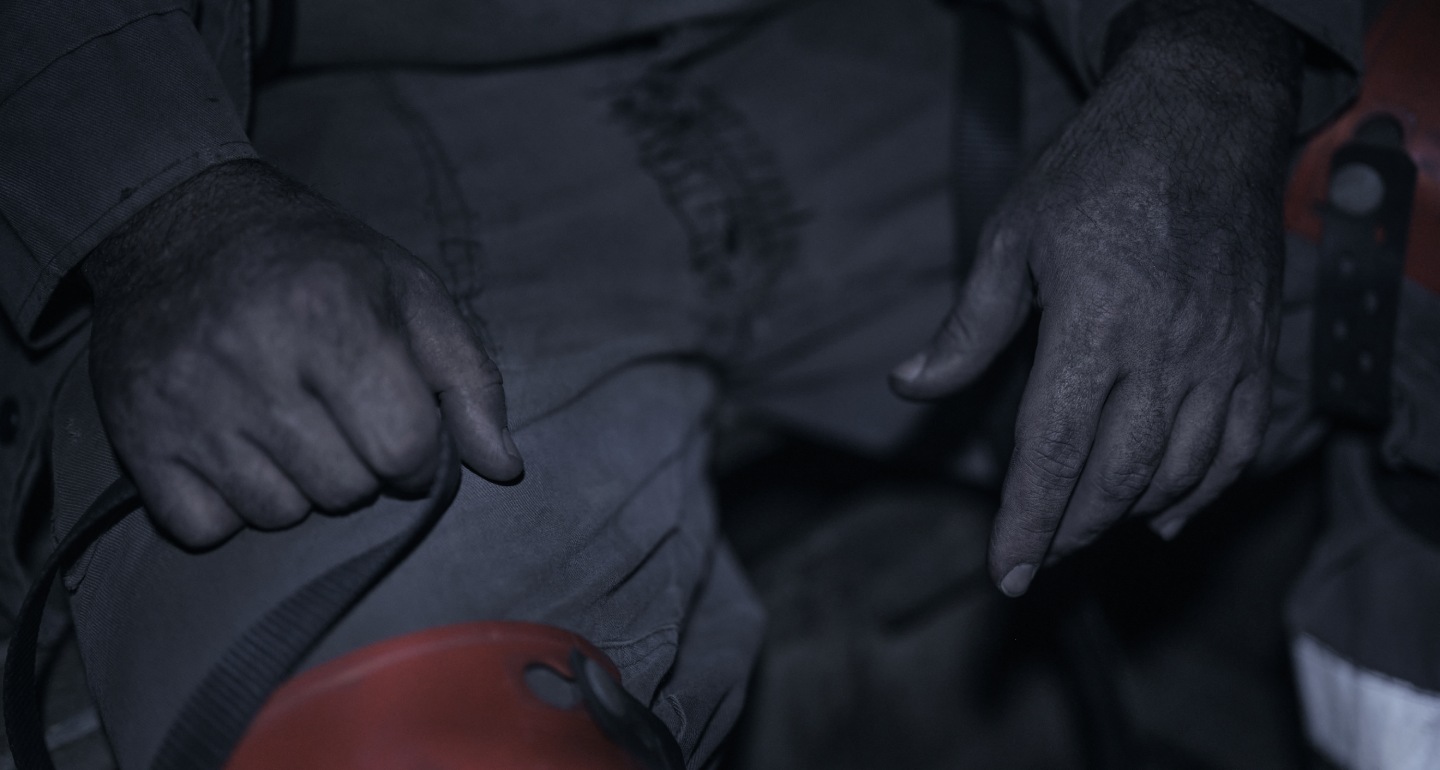
Powerful lobbyists and inertia led to Russia’s coal-mining sector missing an excellent opportunity to solve its structural problems.
Alexey Gusev