

Commentary
- +5
Zaha Hassan, Sarah Yerkes, Yasmine Farouk, …
{
  "authors": [
    "Federiga Bindi"
  ],
  "type": "legacyinthemedia",
  "centerAffiliationAll": "",
  "centers": [
    "Carnegie Endowment for International Peace",
    "Carnegie Europe"
  ],
  "collections": [],
  "englishNewsletterAll": "",
  "nonEnglishNewsletterAll": "",
  "primaryCenter": "Carnegie Endowment for International Peace",
  "programAffiliation": "",
  "programs": [],
  "projects": [],
  "regions": [
    "Western Europe",
    "Europe"
  ],
  "topics": [
    "Economy",
    "EU",
    "Foreign Policy"
  ]
}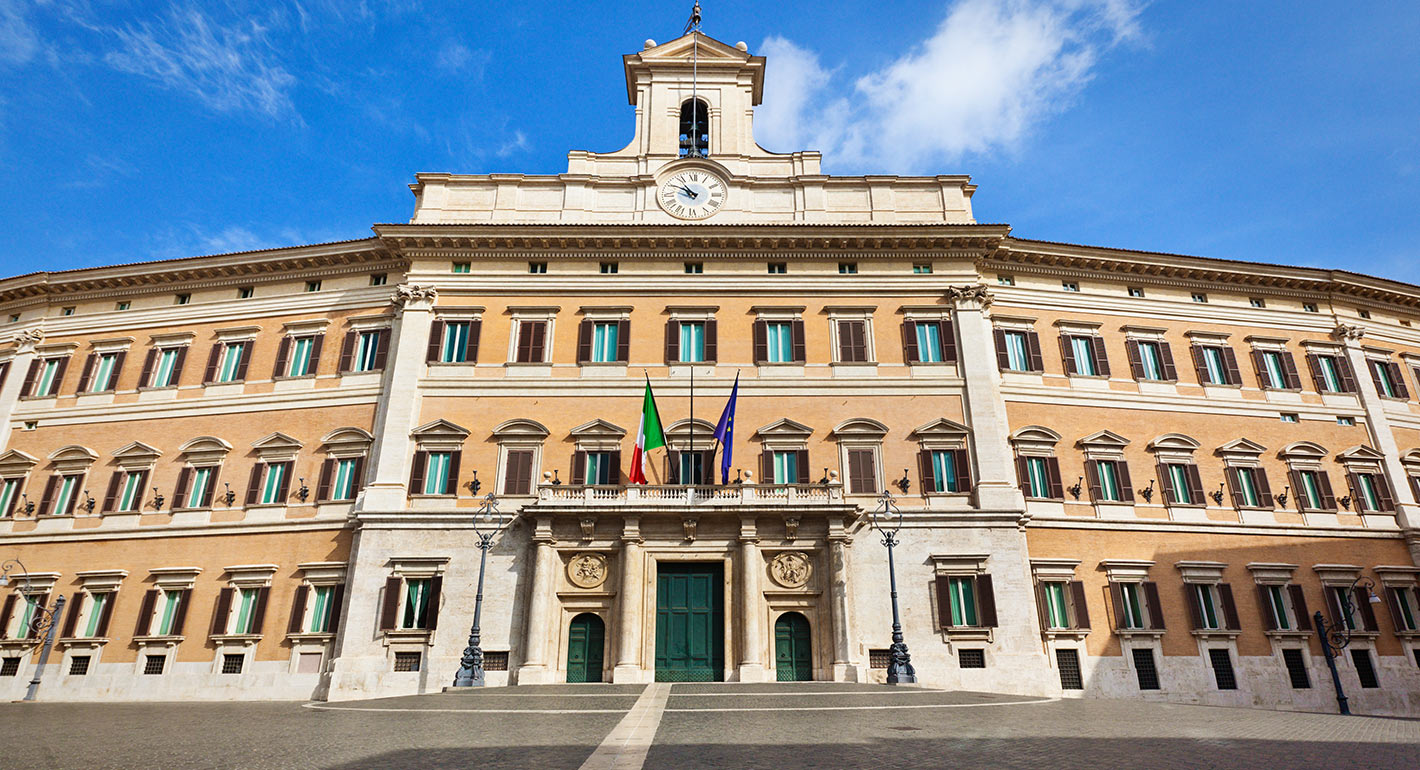
Source: Getty
Italy is back on the front pages of economic newspapers proclaiming, yet again, doom is approaching: but is it really so?
Source: E! Sharp
Italy is back on the front pages of economic newspapers proclaiming, yet again, doom is approaching: but is it really so?
A bit of a recap will help us better understand. The March 2018 elections gave no winner. The President of the Republic, Sergio Mattarella - who has the task of appointing the Prime Minister - opted for a bold move: bringing the populist parties - Matteo Salvini’s Lega and Luigino di Maio’s Five Stars Movement (5SM) - together, asking them to come up with a government. The President’s reasoning is imponderable, but it is safe to assume that he expected them to fail, which would have led to a new “technocrats” government” Contrary to all expectations, however, the two came up with a government agreement leaving Mattarella with the only option of having two technocrats named as Foreign Minister (Enzo Moavero) and Treasury Secretary (Giovanni Tria).
A mild Eurosceptic, who had been advocating for less rigour and more growth policies, Tria seemed a good fit for the government. His unassuming presence went well with Prime Minister Conti and the more exuberant Di Maio and Salvini. Yet, despite a long and prestigious academic career, culminating in six years at the helm of the Italian National School of Administration, he did not have any previous government experience, leaving him exposed to the traps of politics. The press and the establishment did not help, quickly glorified him, and his connection with Mattarella.
As the time for the first step in the making of budget approached - the presentation of the DEF (Document on Economy and Finance) on September 27 - the differences in the government started to emerge. Lega called for a reduction in taxes, a halt to the rise in TVA, and a pension reform allowing for earlier retirement. 5SM advocated for higher minimum pensions and a guaranteed minimum income (“reddito di cittadinanza”). Tria fluctuated, at times promising all would be included, at times saying almost the contrary. Then, the day before the DEF was to presented, he gave a defiant public speech announcing the deficit would be contained at 1.9%. Did he over-estimate his negotiating power? Probably. Mostly, he did not anticipate the consequences of his words: Salvini and Di Maio quickly reached an agreement and the next day a deficit of 2.4% was announced by the government.
Tria did not resign, and went on to the Eurogroup meeting trying to convince his European peers that the situation is better that it seems, and that the real deficit was already much higher than the 0.8% the previous government had promised. On this, he definitely has a point, as well as on the fact that Italy desperately needs growth measures. The real question is therefore what actually will be included in the bill: the 2.4% announcement in fact had no specifics, and it will make a great difference if the extra money will be spent on redistributive policies, or on growth-stimulating ones. Should they opt for this last option, the bill will have overwhelming support in the country across the political spectrum.
The European Commission missed an opportunity to keep calm, wait and see. Instead, they played right into the populists’ hands by reacting sharply. The problem is that for the Commission it is a lose-lose situation, while for Salvini and Di Maio it is a win-win. If the Commission ends up approving the new numbers, the populists will be able to say: “See, we did it! Renzi wanted a 2.9% deficit but he was unable to pull it off”. On the other hand, if the Commission opposes the budget, the populists will happily campaign against Europe and the “establishment”. Make no mistake: with the Democratic Party fighting over the new leader, and Forza Italia’s inability to find anyone after Berlusconi, the European elections - and possible early elections - will result in a vast majority for the populists.
Theories are circulating suggesting that there is a conspiracy aimed at overthrowing the government by alarming the markets and raising the spread, just like it happened in 2011 with Silvio Berlusconi, as recalled by Timothy Geithner in his book “Stress Test”. However, 2018 is not 2011. Mattarella is not Napolitano, with his wide international networks, but most of all the current U.S. administration has no interest in working against one of the few friendly governments. Last but not least, Di Maio and Salvini are not Berlusconi: Silvio liked girls, yes, but also had a strong sense of the State and was persuaded that letting go of it was the best option for the country. Turned out it was not, and the Matteo and Luigino are determined not to repeat the mistake.
There is something else Salvini can learn from his former ally: Berlusconi started to lose consensus the moment he started winning too much, especially in the South. With over 30%, Salvini’s Lega is now the first party in Italy, surpassing the 5SM. Many were surprised by Salvini’s support for the increased deficit: the Lega’s base - the productive north - is pro-Euro and is nervous about the DEF. Salvini’s stance on the budget can be explained with his goal of conquering the South - a very different kind of political animal, that has traditionally responded well to redistributive policies. Salvini’s choice was a well-played political bet on the short term, but it may backfire in the mid and long term. Lega’s strength lies in its grass-roots nature. Different from 5SM, whose leaders have no idea whatsoever of what governing means - Lega’s leaders are skilled politicians because of the cursus honorum they have to do. The South has a large part of a clientele-based - and as such volatile - electorate, always ready to follow the next Magic Flute. It would not be the first time the South of Italy proved the graveyard of Italian political parties: at times the best strategy for Italy is keep calm, wait and see.
Former Nonresident Scholar, Europe Program
Federiga Bindi was a nonresident scholar in the Europe Program at the Carnegie Endowment for International Peace working on European politics, EU foreign policy, and transatlantic relations.
Recent Work

Zaha Hassan, Sarah Yerkes, Yasmine Farouk, …
Federiga Bindi
Carnegie does not take institutional positions on public policy issues; the views represented herein are those of the author(s) and do not necessarily reflect the views of Carnegie, its staff, or its trustees.

Without a ceasefire with Ukraine on attacking each other’s energy infrastructure—to which the Kremlin is unlikely to agree—the diesel agreement between Putin and Trump is largely for show, rather than representing a genuine increase in the volumes of Russian diesel on the global market.

Sergey Vakulenko

Russian strikes are weakening the economy sustaining Ukraine’s war effort. Closing the growing funding gap will require more European support and politically contentious reforms in Kyiv.

Balázs Jarábik
Despite a new textbook, an influx of Russian teachers and managers, and an end to the teaching of Ukrainian, the Kremlin is unlikely to have “reprogrammed” locals.

Konstantin Skorkin
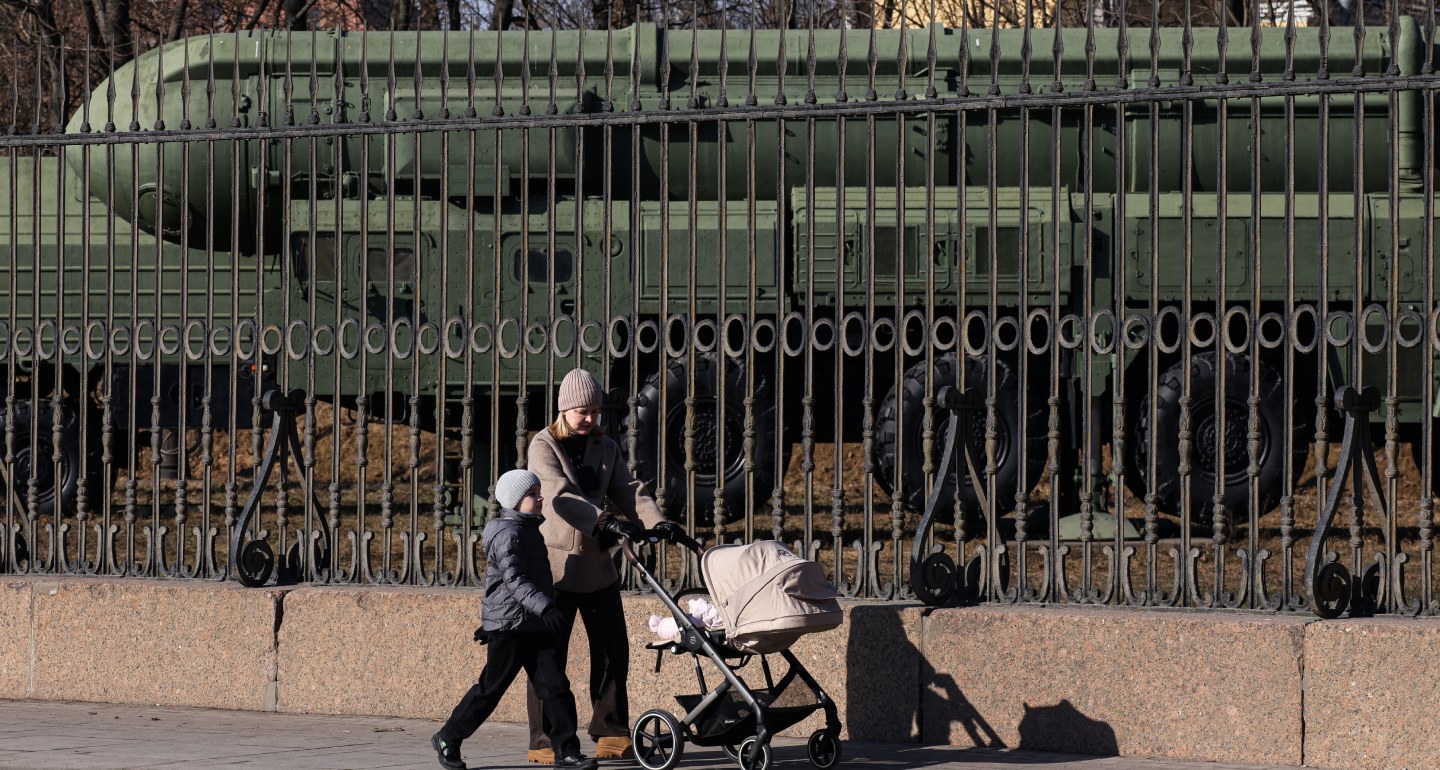
For every ruble allocated to social policy, health, and education in 2027, double that amount is earmarked for the army, the police, and the security services.
Alexandra Prokopenko
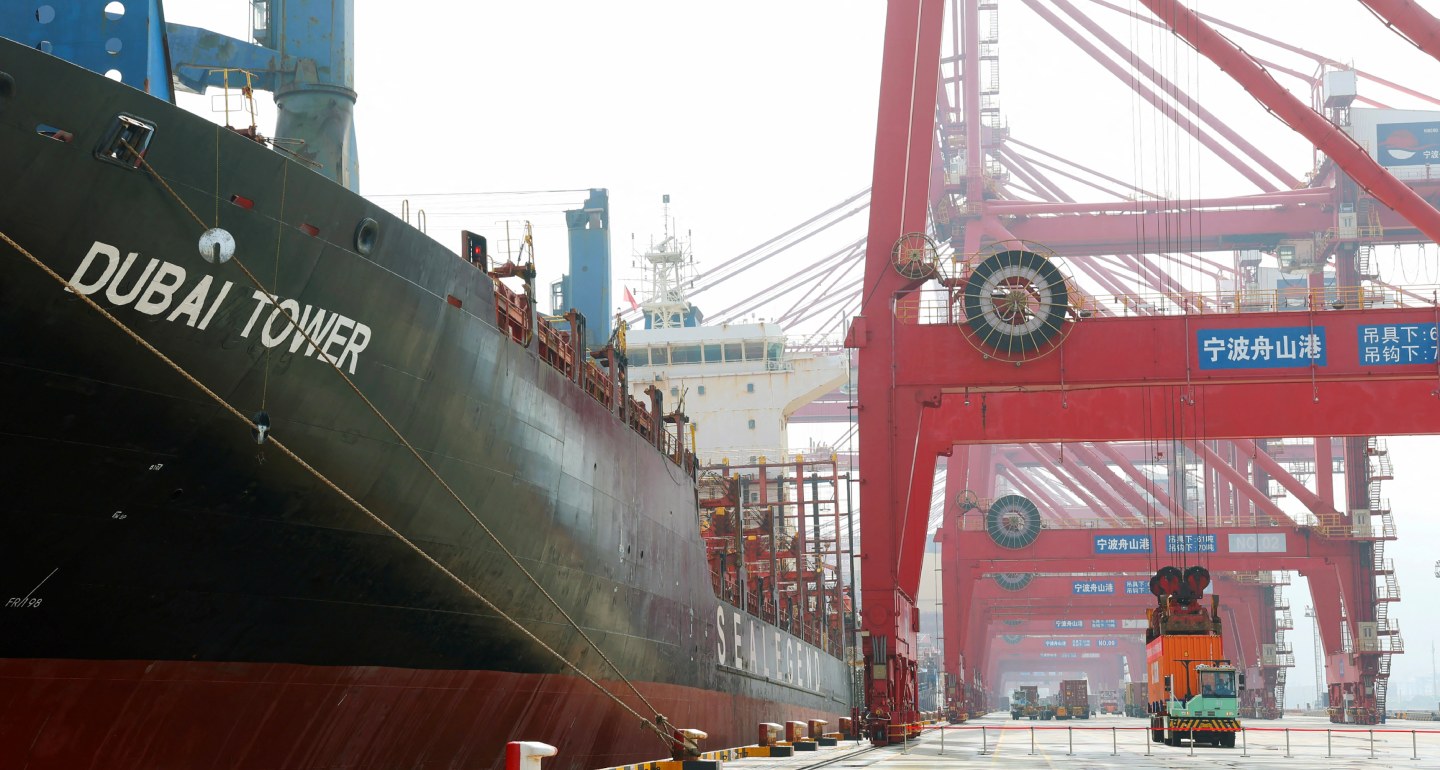
Cargo traffic through Russia’s Northern Sea Route has increased because of the disruption caused by the conflict in the Middle East, the Ukraine war, and U.S.-China tensions.

Mikhail Korostikov