

Commentary
The Russian state has opted for complete ideological control of the internet and is prepared to bear the associated costs.
Maria Kolomychenko
{
  "authors": [
    "Richard Sokolsky",
    "Aaron David Miller"
  ],
  "type": "legacyinthemedia",
  "centerAffiliationAll": "",
  "centers": [
    "Carnegie Endowment for International Peace"
  ],
  "collections": [],
  "englishNewsletterAll": "",
  "nonEnglishNewsletterAll": "",
  "primaryCenter": "Carnegie Endowment for International Peace",
  "programAffiliation": "",
  "programs": [],
  "projects": [],
  "regions": [
    "North America",
    "United States",
    "Middle East",
    "Saudi Arabia"
  ],
  "topics": [
    "Democracy",
    "Foreign Policy",
    "Global Governance",
    "Civil Society"
  ]
}
Source: Getty
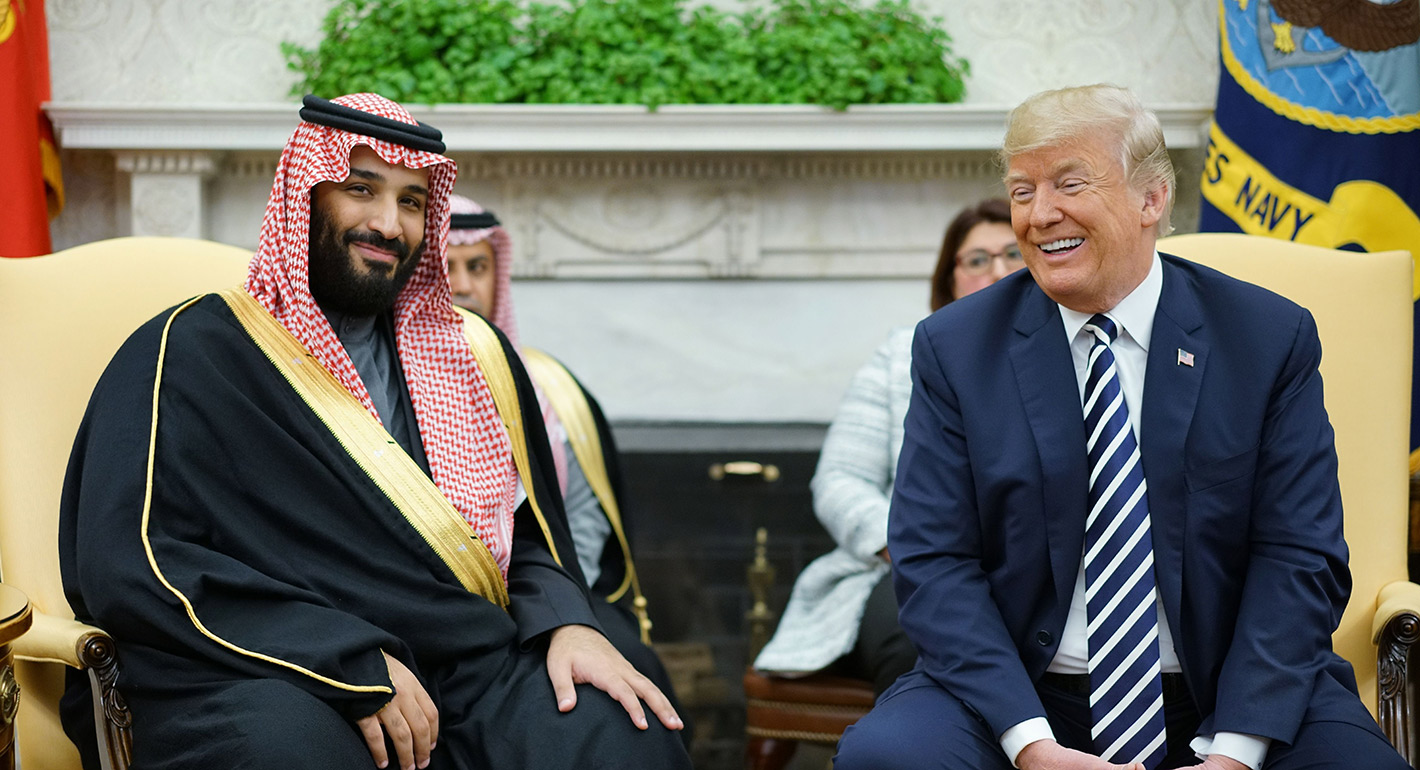
In turning a blind eye to the murder of columnist Jamal Khashoggi, Trump has paradoxically pursued not an America first policy as he maintains, but one that puts Saudi interests first.
Source: USA Today
Rarely does one crisis faithfully reflect all the flaws or strengths of an administration’s foreign policy. And yet what is so stunning and disturbing about President Donald Trump’s response to the Saudi murder of Washington Post columnist Jamal Khashoggi is that it does precisely that.
From the outset of the Trump presidency, the pattern has been clear: Trump, contradicting both U.S. interests and values, feels more comfortable with strongmen and authoritarians than with America’s traditional democratic allies. It’s no surprise he’s courted Saudi King Salman and coddled the Saudi Crown Prince Mohammed bin Salman (MBS).
All administrations deal with strongmen — and none have elevated human rights to the key organizing principle in U.S. foreign policy. But this administration has nearly emptied America’s foreign policy of moral or ethical values and provided a green light to every authoritarian to repress or kill journalists without consequence, certainly from Washington. And Trump described Saudi Arabia as a “spectacular ally,” even though the CIA has concluded MBS ordered Khashoggi’s murder.
In Trump’s universe, if he thinks something, it must be true. In reality, his faith in Saudi Arabia is built on, well, sand. While it plays a role in counter-terrorism cooperation and maintaining the flow of oil, Trump has greatly exaggerated its importance.
No matter how much he believes the Saudis will shove the administration’s yet-to-be-revealed peace plan down the Palestinians’ throats, spend $450 billion in the U.S. to create hundreds of thousands of new jobs, do America’s bidding on oil pricing policy, and be the linchpin for putting Iran back in its box, it is all magical thinking — just like his beliefs that Mexico will pay for his “beautiful wall,” trade wars are “easy to win,” the Russians didn’t interfere in our presidential election because Putin strongly denied it, and MBS didn’t order the killing of Khashoggi because he was “very strong” in denying it several times.
The U.S. Intelligence Community is not always right. But Trump simply doesn’t take it seriously. He seems to believe it’s his adversary and relishes undermining its credibility publicly. The IC unanimously concluded that Russia interfered in the 2016 election and declared with “high confidence” that MBS ordered Khashoggi’s murder. The president responded by publicly throwing the IC and FBI under the proverbial bus at his disastrous July summit meeting with Putin and dismissed its findings on MBS as nothing more than “feelings.” He refused to listen to the Turkish audio of Khashoggi’s murder and disregarded the CIA’s findings on MBS’s responsibility.
Trump is, in fact a remarkably incurious president. He doesn’t know what he doesn’t know, isn’t in any hurry to find out, and yet still thinks he knows more about everything than anybody else. When it comes to the IC’s assessments of Saudi behavior, Trump resembles the character Sergeant Schultz in the show Hogan’s Heroes, who claimed that he knew nothing, saw nothing, and heard nothing.
Effective diplomacy requires presidents to gain the trust and confidence of their counterparts. Nonetheless, those personal relations cannot substitute for hard-headed and clear eyed thinking about America’s national interests. All too often, Trump has let his personal likes, dislikes and interests dictate his thinking and actions. His unwillingness to criticize Putin (whose own intelligence organization murdered Russian nationals with chemical weapons in Britain) suggests Putin may have something on Trump related to his business interests.
And there’s little doubt that Saudi fawning, feting and flattering of Trump, both rhetorical and monetary, largely accounts for his positive view of the wealthy Kingdom. Trump has boasted about the millions he has made from dealings with the Saudis, who continue to spend generously on his hotels here. It’s worrisome as well that he’s left his son-in-law Jared Kushner in charge of managing the relationship with MBS, who once claimed that he had Kushner in his pocket.
Trump fashions himself a great negotiator. But for all the diplomatic capital he’s invested and the leverage he claims to have, what is he gaining in return? He’s in a messy trade war with China that is hurting the U.S. economy and has not prompted China to squeeze North Korea. He recognized Jerusalem as Israel’s capital without asking for much in exchange. He could have leveraged Saudi Arabia’s military dependence on the U.S. to secure Saudi support for a cease-fire in its brutal military campaign against Yemen, or an end to the Saudi-led economic siege of Qatar, both of which have allowed Iran to expand its influence in the region. But he did not.
The Khashoggi murder confronted Trump with his first sustained foreign policy crisis, and he has failed miserably. The pass Trump has given to MBS has badly tarnished America’s reputation and signaled to other dictators and despots that they can kill and brutally suppress dissidents without fear of repercussions. Nor is there any indication, let alone assurance, that Saudi Arabia intends to abandon its repression at home or its disastrous war in Yemen despite talks scheduled next month between the combatants.
In turning a blind eye to this heinous crime, Trump has paradoxically pursued not an America first policy as he maintains, but one that puts Saudi interests first. In the process, he has not only compromised America’s values but the national interests he pledged to protect.
Nonresident Senior Fellow, Russia and Eurasia Program
Richard Sokolsky is a nonresident senior fellow in Carnegie’s Russia and Eurasia Program. His work focuses on U.S. policy toward Russia in the wake of the Ukraine crisis.

Senior Fellow, American Statecraft Program
Aaron David Miller is a senior fellow at the Carnegie Endowment for International Peace, focusing on U.S. foreign policy.
Carnegie does not take institutional positions on public policy issues; the views represented herein are those of the author(s) and do not necessarily reflect the views of Carnegie, its staff, or its trustees.
The Russian state has opted for complete ideological control of the internet and is prepared to bear the associated costs.

Maria Kolomychenko
Although Ukrainian strikes have led to a noticeable decline in the physical volume of Russian oil exports, the rise in prices has more than made up for it.

Sergey Vakulenko
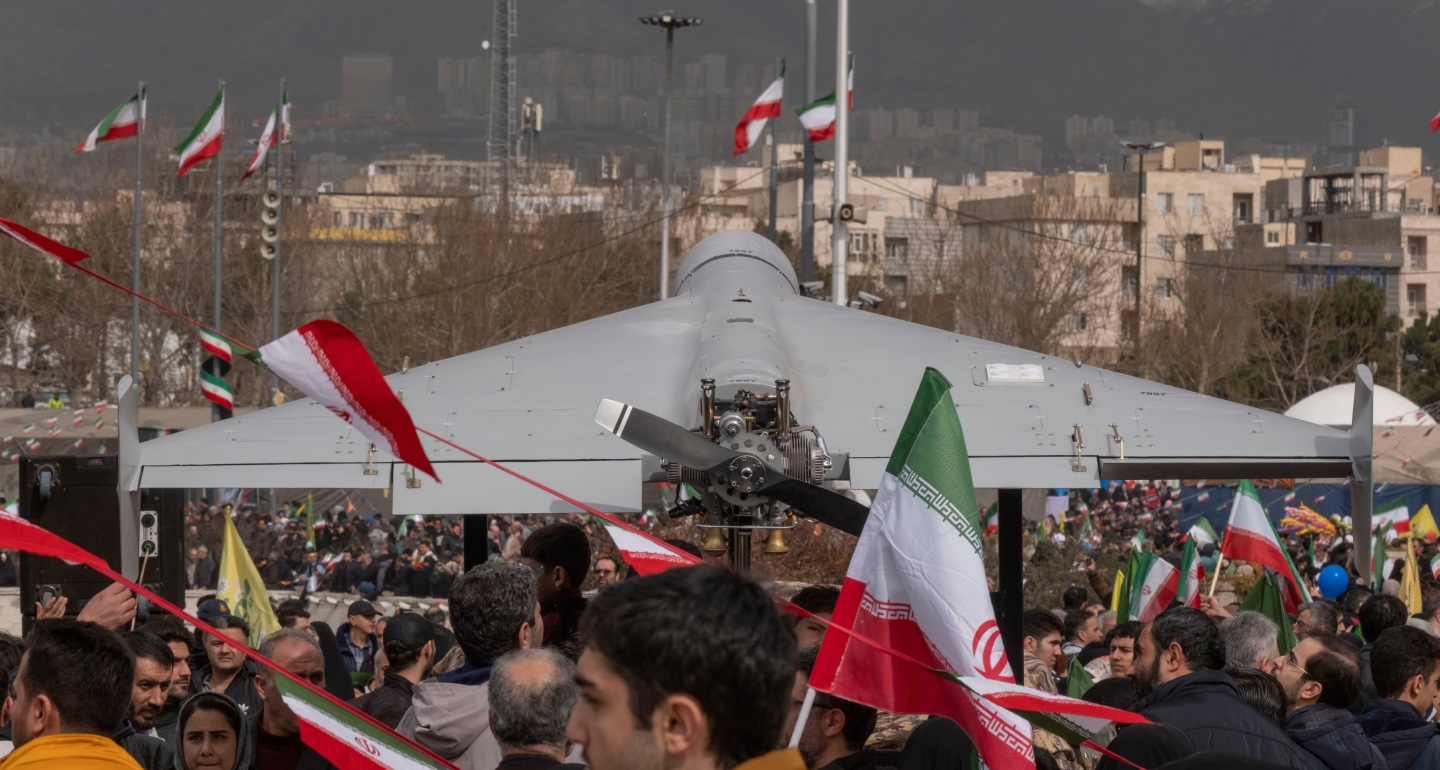
The Russian leadership wants to avoid a dangerous precedent in which it is squeezed out of Iran by the United States and Israel—and left powerless to respond in any meaningful way.

Nikita Smagin
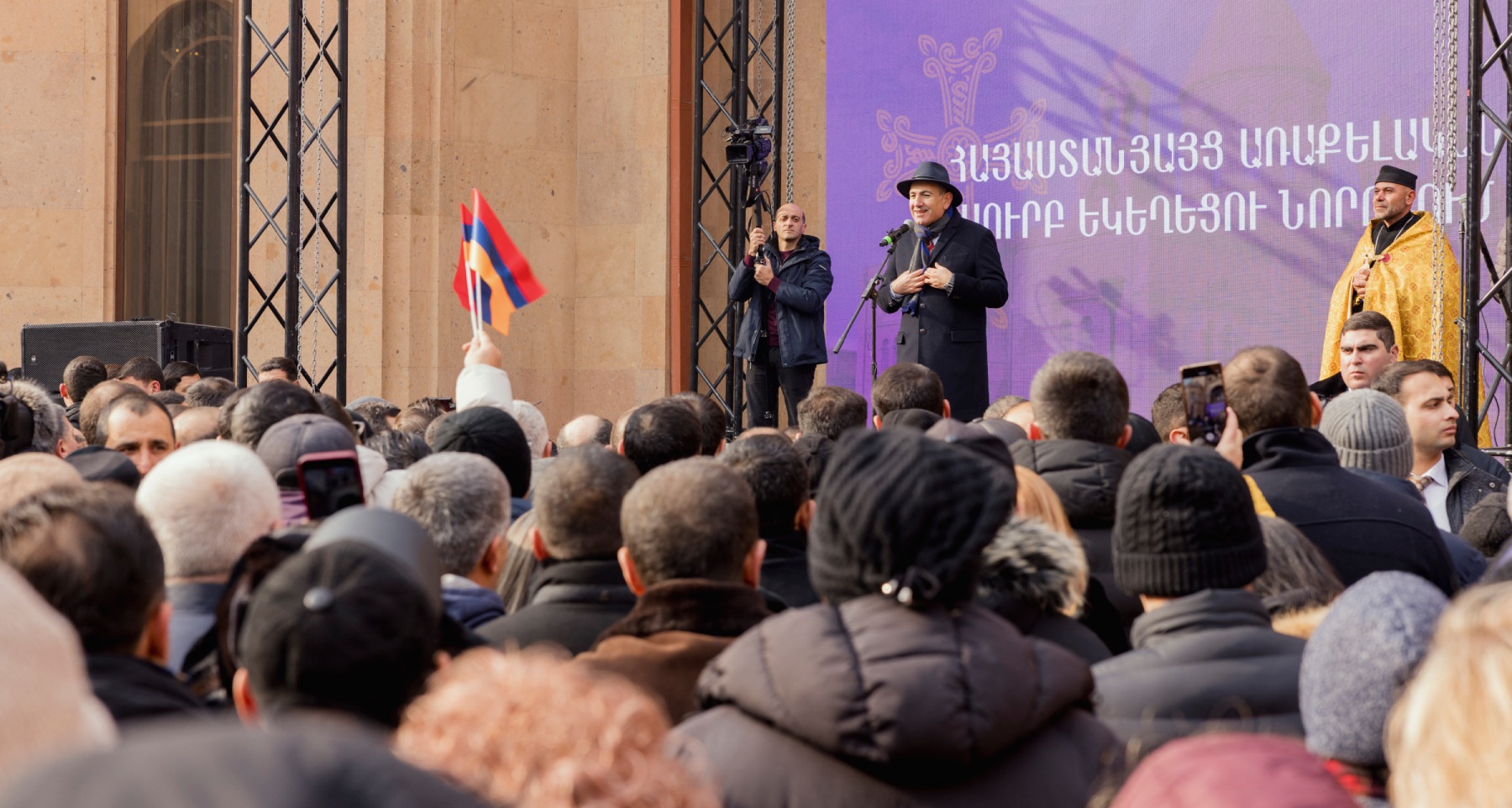
It’s true that many Armenians would vote for anyone just to be rid of Pashinyan, whom they blame for the loss of Nagorno-Karabakh, but the pro-Russia opposition is unlikely to be able to channel that frustration into an electoral victory.
Mikayel Zolyan

Orbán created an image for himself as virtually the only opponent of aid to Ukraine in the entire EU. But in reality, he was simply willing to use his veto to absorb all the backlash, allowing other opponents to remain in the shadows.
Maksim Samorukov