

Commentary
Ongoing uncertainty in the Middle East allows Moscow to both increase its influence in Tehran and continue to enjoy the financial windfall of higher oil prices.
Nikita Smagin
{
  "authors": [],
  "type": "pressRelease",
  "centerAffiliationAll": "dc",
  "centers": [
    "Carnegie Endowment for International Peace"
  ],
  "collections": [],
  "englishNewsletterAll": "ctw",
  "nonEnglishNewsletterAll": "",
  "primaryCenter": "Carnegie Endowment for International Peace",
  "programAffiliation": "TIA",
  "programs": [
    "Technology and International Affairs"
  ],
  "projects": [],
  "regions": [
    "Iran"
  ],
  "topics": []
}
REQUIRED IMAGE
The Carnegie Endowment for International Peace announced a $2 million grant from the William and Flora Hewlett Foundation for its Cyber Policy Initiative.
WASHINGTON – The Carnegie Endowment for International Peace announced a $2 million grant from the William and Flora Hewlett Foundation for its Cyber Policy Initiative.
This two-year grant, for which Carnegie is committed to raising matching funds, will help sustain and strengthen Carnegie’s efforts to bridge the gap between the pace of technological innovation and the global policy response. Leveraging Carnegie’s independent, global network, the Cyber Policy Initiative facilitates international cooperation to develop strategies, policies, and norms to achieve greater stability and civility in cyberspace. Much of this work seeks to mobilize market forces to motivate suppliers and users of technology to adopt cybersecurity best practices, recognizing the challenges that governments face in managing such rapidly evolving technology.
“The Carnegie Endowment for International Peace is already a go-to source for governments and industry alike for pragmatic policy solutions to the world’s most destabilizing cyber threats,” said Hewlett Foundation President Larry Kramer. “We’re delighted to support their growth and expansion, and eager to see how they put our grant funds to use for the benefit of societies around the world.”
“Weak rules and norms in cyberspace put global peace and prosperity at enormous risk. As cyber attacks grow more frequent and serious, it is becoming clear that governments and the private sector cannot tame cyberspace on their own,” said Carnegie Endowment President William J. Burns. “The Hewlett Foundation has been a terrific partner in our efforts to address this important policy challenge. I am deeply grateful for the foundation’s continued, generous support, and look forward to the opportunity to work closely with other equally fortunate grantees.”
The Cyber Policy Initiative, part of Carnegie’s Technology and International Affairs Program, is a global endeavor composed of experts with deep scholarly expertise and extensive practical experience in law, diplomacy, military, national security policy, and the private sector.
Press Contact: Meshal DeSantis | +1 202 939 2233 | mdesantis@ceip.org
Carnegie does not take institutional positions on public policy issues; the views represented herein are those of the author(s) and do not necessarily reflect the views of Carnegie, its staff, or its trustees.
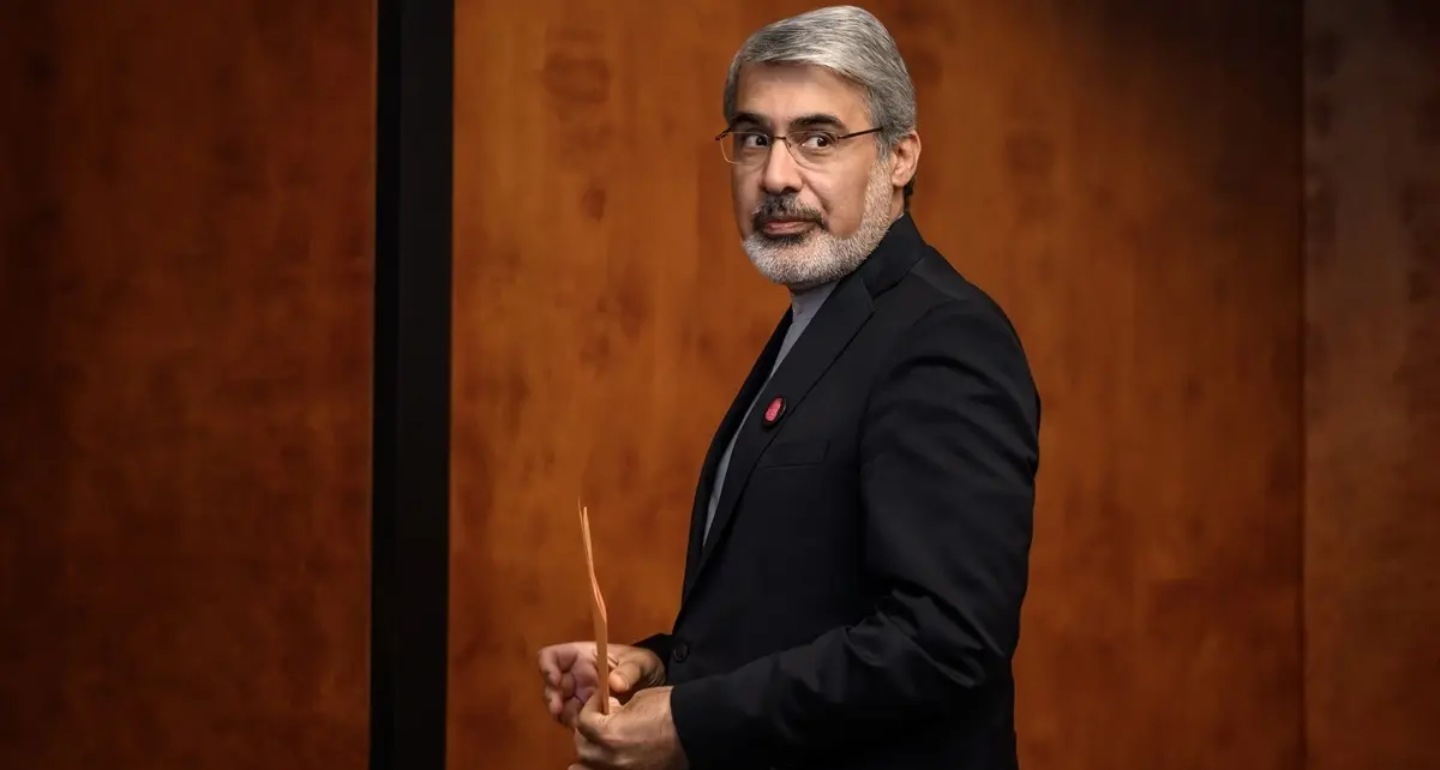
Ongoing uncertainty in the Middle East allows Moscow to both increase its influence in Tehran and continue to enjoy the financial windfall of higher oil prices.

Nikita Smagin
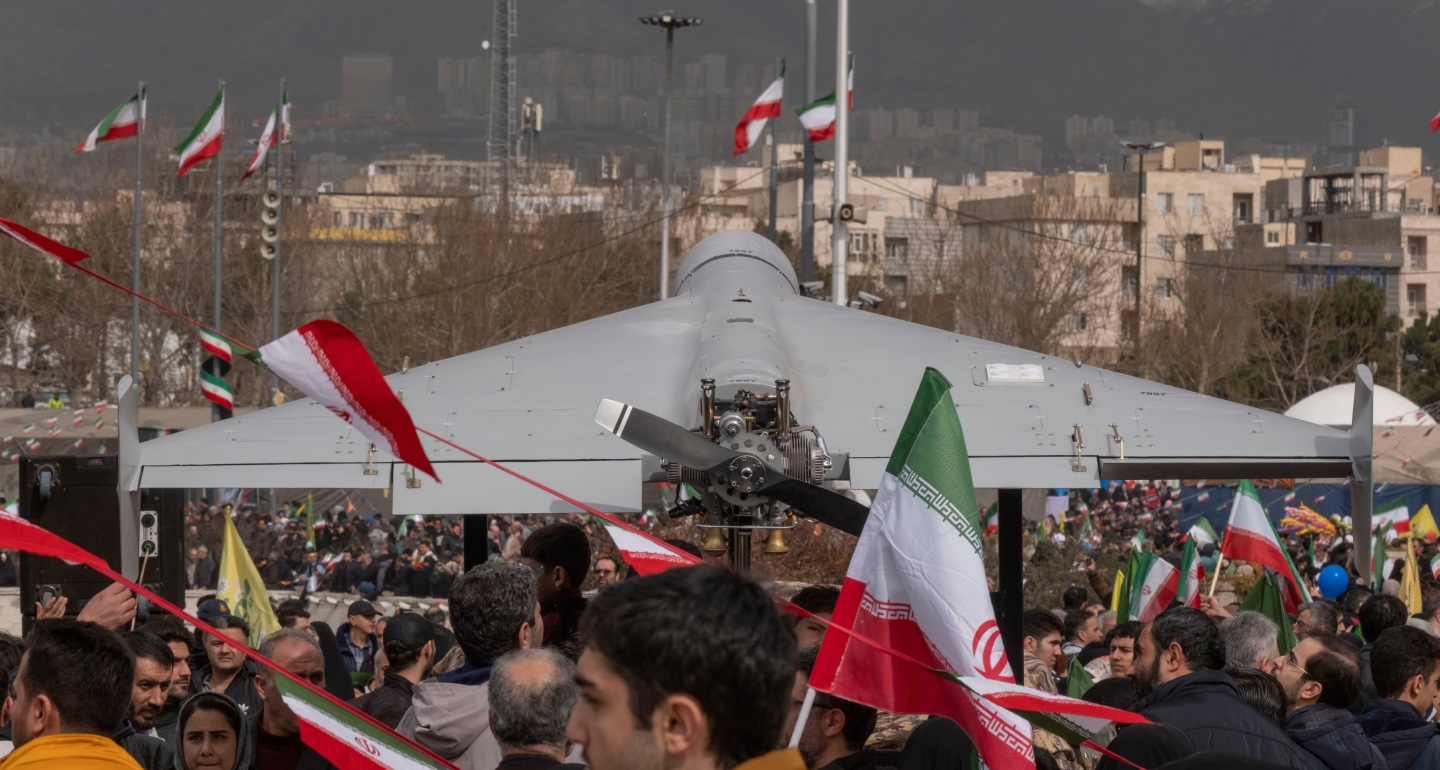
The Russian leadership wants to avoid a dangerous precedent in which it is squeezed out of Iran by the United States and Israel—and left powerless to respond in any meaningful way.
Nikita Smagin
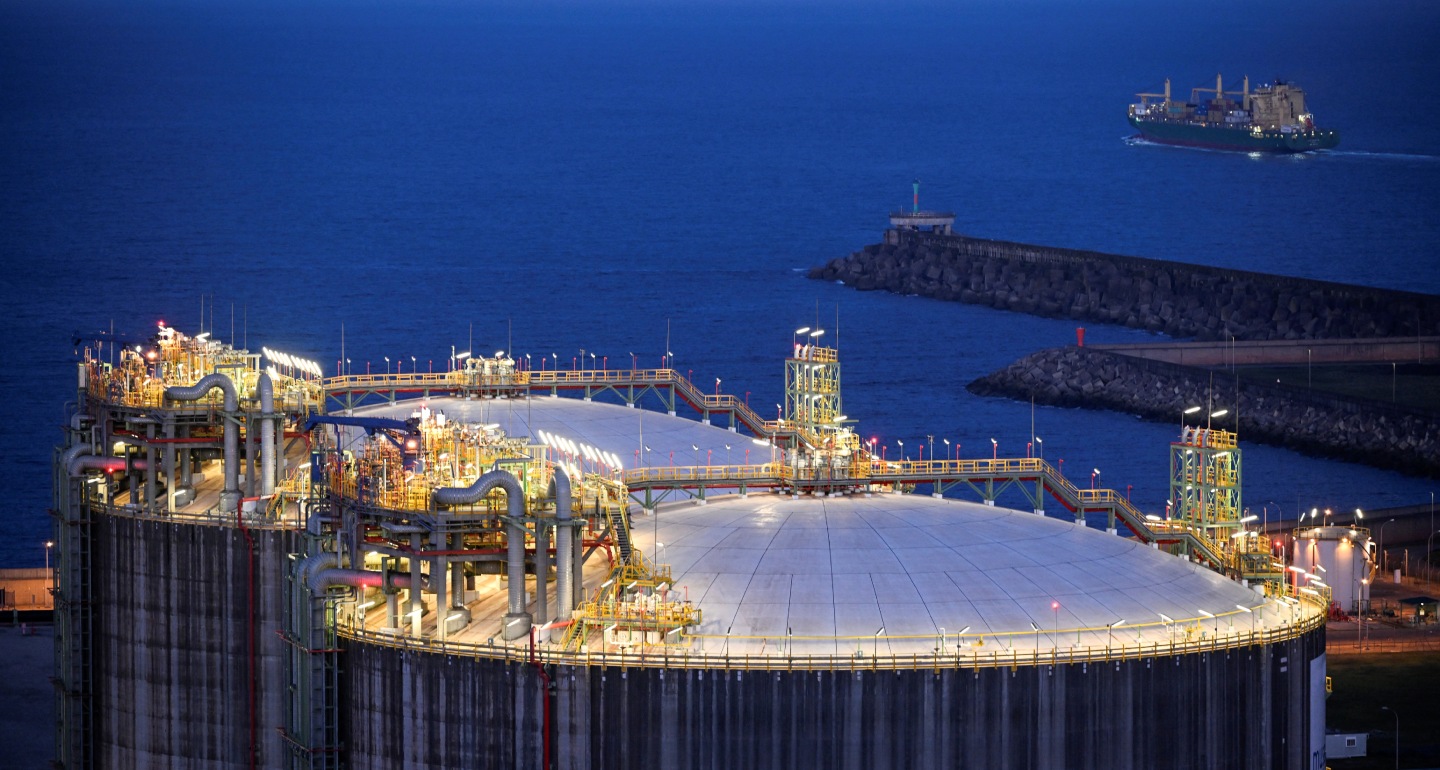
The future trajectory of the U.S.-Iran war remains uncertain, but its impact on global energy trade flows and ties will be far-reaching. Moscow is likely to become a key beneficiary of these changes; the crisis in the Gulf also strengthens Russia’s hand in its relationships with China and India, where advantages might prove more durable.

Sergey Vakulenko
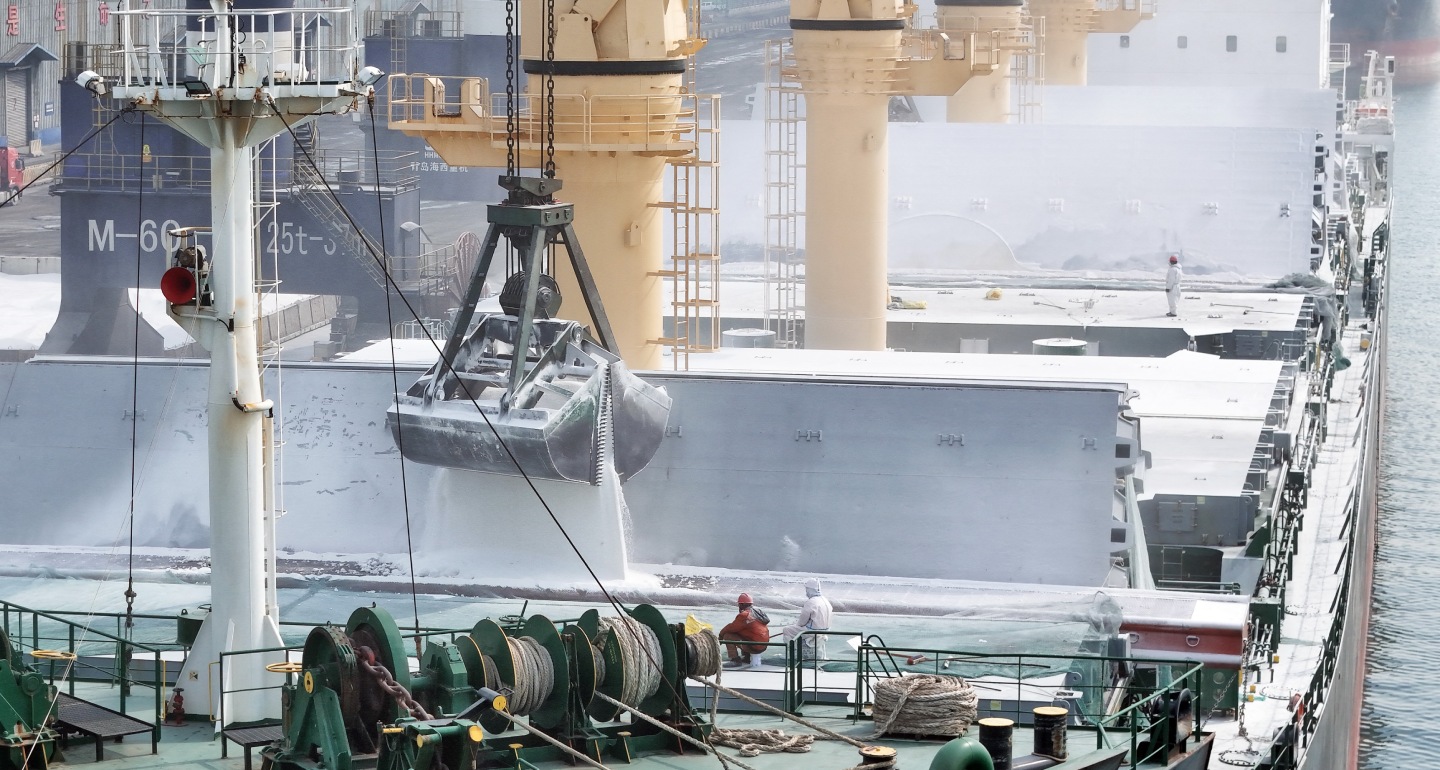
The Kremlin expects to not only profit from rising fertilizer prices but also exact revenge for the collapse of the 2023 grain deal.

Alexandra Prokopenko
Most of Moscow’s military resources are tied up in Ukraine, while Beijing’s foreign policy prioritizes economic ties and avoids direct conflict.


Alexander Gabuev, Temur Umarov