

Commentary
Two divergent trends—Putin’s hardline vision of how to prosecute the war in Ukraine, and a growing desire for change in Russia—could tear the regime apart.
Tatiana Stanovaya
{
  "authors": [
    "Raluca Csernatoni",
    "Bruno Oliveira Martins"
  ],
  "type": "other",
  "centerAffiliationAll": "dc",
  "centers": [
    "Carnegie Endowment for International Peace",
    "Carnegie Europe"
  ],
  "collections": [
    "Transatlantic Cooperation"
  ],
  "englishNewsletterAll": "ctw",
  "nonEnglishNewsletterAll": "",
  "primaryCenter": "Carnegie Europe",
  "programAffiliation": "EP",
  "programs": [
    "Europe"
  ],
  "projects": [],
  "regions": [
    "Europe",
    "Western Europe",
    "Iran"
  ],
  "topics": [
    "Security"
  ]
}
Source: Getty
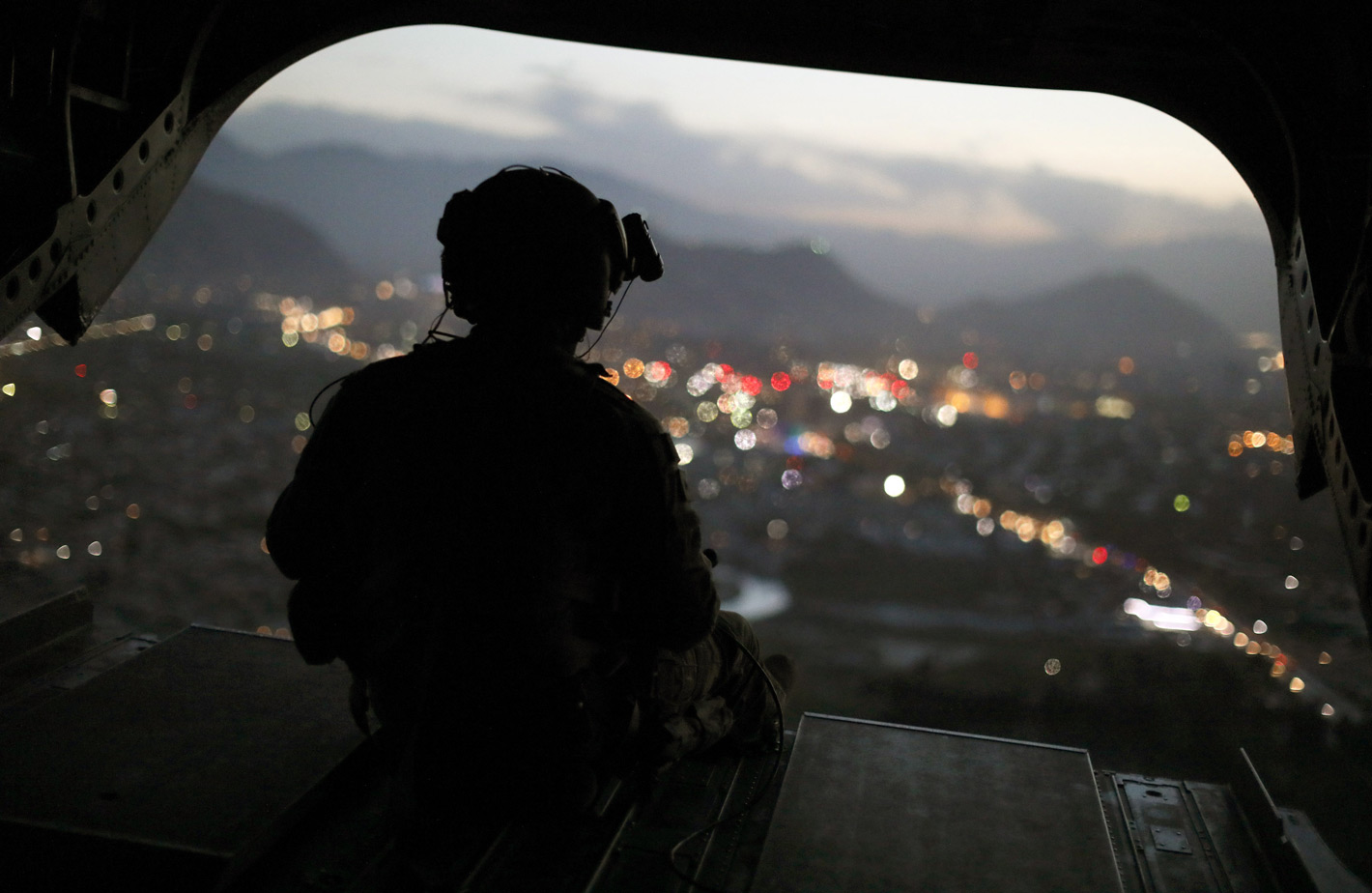
The European Defense Fund holds the potential to fundamentally challenge the nature of the EU as a peace project.
Source: Peace Research Institute Oslo
The recently-launched European Defence Fund (EDF) is a ground-breaking investment in the areas of security and defence and holds the potential to fundamentally challenge the nature of the European Union (EU) as a peace project.
Proponents of the EDF frame the initiative as crucial to European security in an age of increasing political instability and rapid technological change. As such, the EDF is framed as a much-needed catalyst for scaling up the EU’s defence by conferring strategic autonomy to Europe, and overhauling a lagging European Defence Technological and Industrial Base.
To achieve these goals, the EDF stresses the need to optimise strategic value for money by funding cutting-edge research and innovation and by fostering the development of interoperable defence capabilities. However, the EDF also raises important questions about EU’s political priorities, output legitimacy, and security and defence governance.
This policy brief was originally published by the Peace Research Institute in Oslo (PRIO).

Fellow, Carnegie Europe
Raluca Csernatoni is a fellow at Carnegie Europe, where she specializes on European security and defense, as well as emerging disruptive technologies.

Bruno Oliveira Martins
Bruno Oliveira Martins is a senior researcher at the Peace Research Institute Oslo in Norway.
Carnegie does not take institutional positions on public policy issues; the views represented herein are those of the author(s) and do not necessarily reflect the views of Carnegie, its staff, or its trustees.

Two divergent trends—Putin’s hardline vision of how to prosecute the war in Ukraine, and a growing desire for change in Russia—could tear the regime apart.

Tatiana Stanovaya
Andrey Melnichenko’s essay offers no answer to the fundamental question of how, under any kind of negotiated settlement, Europe can protect itself from the Russian ressentiment that is inevitable in all scenarios except for an outright victory for Putin.

Leonid Bershidsky

Whether PAS can refocus on the unfinished business of state-building may ultimately prove more consequential for Moldova’s European future than the pace of its accession negotiations.

Balázs Jarábik
The recent damage inflicted by Ukrainian drones and missiles on Russia has made Belarus aware of its own vulnerabilities—and surprisingly amenable to Kyiv’s demands.

Artyom Shraibman
It is not a phenomenon unique to Russia that the public of a country at war (even the aggressor) enduring airstrikes will not overturn its government but rather show solidarity with it and blame its woes on the enemy.

Vladislav Gorin