

Commentary
Ultimately, Zelensky sided neither with the reform camp nor with the military establishment as such, but with political control.
Balázs Jarábik
{
  "authors": [
    "Jarrett Blanc",
    "Andrew S. Weiss"
  ],
  "type": "legacyinthemedia",
  "centerAffiliationAll": "dc",
  "centers": [
    "Carnegie Endowment for International Peace"
  ],
  "collections": [],
  "englishNewsletterAll": "americanStatecraft",
  "nonEnglishNewsletterAll": "",
  "primaryCenter": "Carnegie Endowment for International Peace",
  "programAffiliation": "ASP",
  "programs": [
    "American Statecraft"
  ],
  "projects": [],
  "regions": [
    "North America",
    "United States",
    "Russia"
  ],
  "topics": [
    "Political Reform",
    "Economy",
    "Trade",
    "Foreign Policy",
    "Global Governance"
  ]
}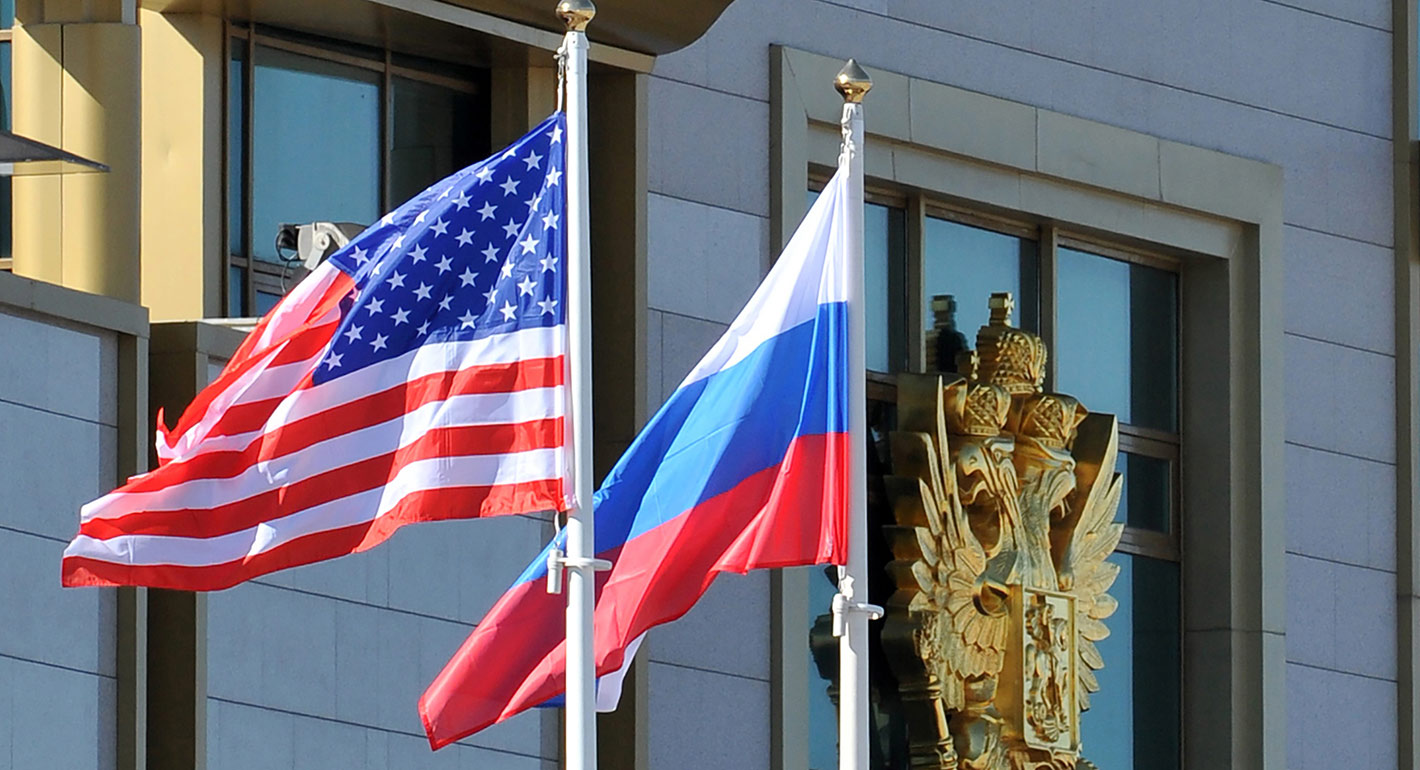
Source: Getty
Without access to the same coercive tools controlled by the White House, Congress is forced to look for other ways to exert control over foreign policy toward Russia.
Source: The Hill
There is a commendable bipartisan urge within Congress to rebuke the Trump administration for failing to articulate a comprehensive strategy for countering the “devil may care” foreign policy of the Kremlin. If past patterns hold, further revelations in the Russia saga, perhaps with the release of the special counsel report, will oblige members of both parties to dissociate themselves once again from well advertised desire of President Trump to “have a great relationship” with Vladimir Putin.
Without access to the same coercive tools controlled by the White House, Congress is forced to look for other ways to exert control over foreign policy toward Russia. One favorite option is to pile on fresh rounds of sanctions, and at least two sanctions bills have been introduced. But there is still time for a serious look at the impact of five years of sanctions on the Russian appetite for risk and our most important alliance relationships.
Bluntly, the current approach is not exactly paying off. Congress boxed in the Trump administration with the Countering America’s Adversaries through Sanctions Act of 2017. This law codified an existing United States effort to pressure Putin by sanctioning individuals and key parts of the Russian economy linked to the Kremlin. It also made it politically costly for the Trump administration to avoid imposing new sanctions and gave Congress a voice in lifting any sanctions once they were imposed.
Unfortunately, the theories of this law and previous Russia sanctions have collided with current realities. While it is true that American and European sanctions since 2014 have done lasting damage to the Russian economy, the dirty secret is that much of the most disruptive Russian behavior is done cheaply. Since 2015, the Kremlin has mounted a global campaign of election meddling, cybersecurity attacks, and military muscle flexing.
Russia cannot be targeted with Iran or North Korea style sanctions without hurting American interests, and its technocrats have mounted a textbook policy response to blunt the impact of sanctions. The tumbling ruble, an outcome routinely touted by Western observers as a sign of sanctions effectiveness, turned out to be one of the most effective tools for the Kremlin. It boosted profits of exporters in dollars and made government expenditures in rubles cheaper. The Kremlin is now in a solid position to respond to further economic pressure, thanks to higher oil prices, modest growth, and almost half a trillion dollars sitting in currency reserves.
The idea that sanctions would force Putin to back off by targeting his “cronies” and “oligarchs” also has some serious holes. Overstating the influence that Russian business elites have over national security decision making betrays a lack of understanding about how the country is actually ruled. They are more dependent on the state today than the state is on them. Figures close to Putin are often the hardest to target with sanctions. Some have even benefited by scooping up assets from the less reliable tycoons, investing in booming sectors, and pleading for state subsidies.
How can Congress do better? First, sanctions are not the only tool of coercive economic diplomacy. A number of European partners have gone much farther than the United States to counter illicit finance, especially by requiring greater transparency over the ownership of assets like real estate and corporations. More transparency on beneficial ownership would make it harder for influential Russians to access everything from real estate to elite educations. Congress is already considering such a strategy, but the effort is largely divorced from and lacks the political prioritization accorded to current discussions on Russia sanctions.
Second, Congress should take the lead in coordinating sanctions and other coercive economic tools with our allies, who happen to be some of the main Russian trading partners. The extensive dialogue between Congress and European and Asian allies is limited to reactions to draft sanctions legislation. Our allies in Europe and Asia are more effective, though far from perfect, in asking Congress to remove problematic provisions than in proposing useful new collaborations, such as on beneficial ownership. Congress should begin a dialogue earlier in the process with an effort to identify common objectives, then building coercive tools that can be implemented in a truly multilateral manner.
Under normal circumstances, the executive branch would be responsible for this dialogue. President Trump and his team have been helpless, evident through such messes as the poorly conceived and then poorly removed sanctions targeting Russian aluminum giant Rusal, which would have done much more damage to European manufacturers than to the Kremlin. Congress should not run the risk of another Rusal style train wreck and cannot depend on the Trump administration to avoid it.
There will be a moment in the coming months when Congress will feel compelled to make a point about United States policy toward Russia. There are ways that our lawmakers can make a difference. A sanctions policy that is more aggressive than thoughtful, however, may feel satisfying but may prove to be counterproductive in the long run.
Former Senior Fellow, Geoeconomics and Strategy Program
Jarrett Blanc was a senior fellow in the Geoeconomics and Strategy Program at the Carnegie Endowment for International Peace.

James Family Chair, Vice President for Studies
Andrew S. Weiss is the James Family Chair and vice president for studies at the Carnegie Endowment for International Peace, where he oversees research on Russia, Ukraine, and Eurasia. His graphic novel biography of Vladimir Putin, Accidental Czar: the Life and Lies of Vladimir Putin, was published by First Second/Macmillan in 2022.
Carnegie does not take institutional positions on public policy issues; the views represented herein are those of the author(s) and do not necessarily reflect the views of Carnegie, its staff, or its trustees.
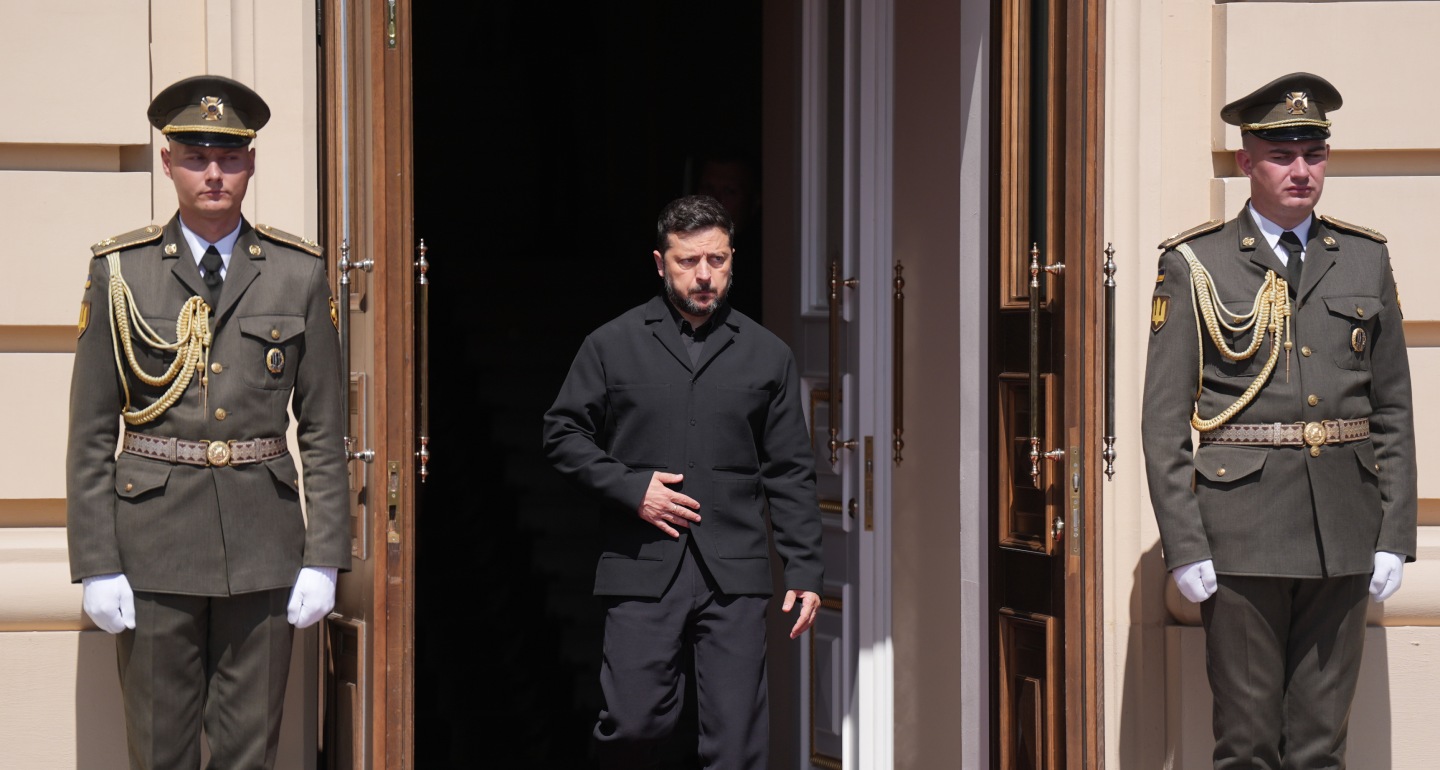
Ultimately, Zelensky sided neither with the reform camp nor with the military establishment as such, but with political control.

Balázs Jarábik
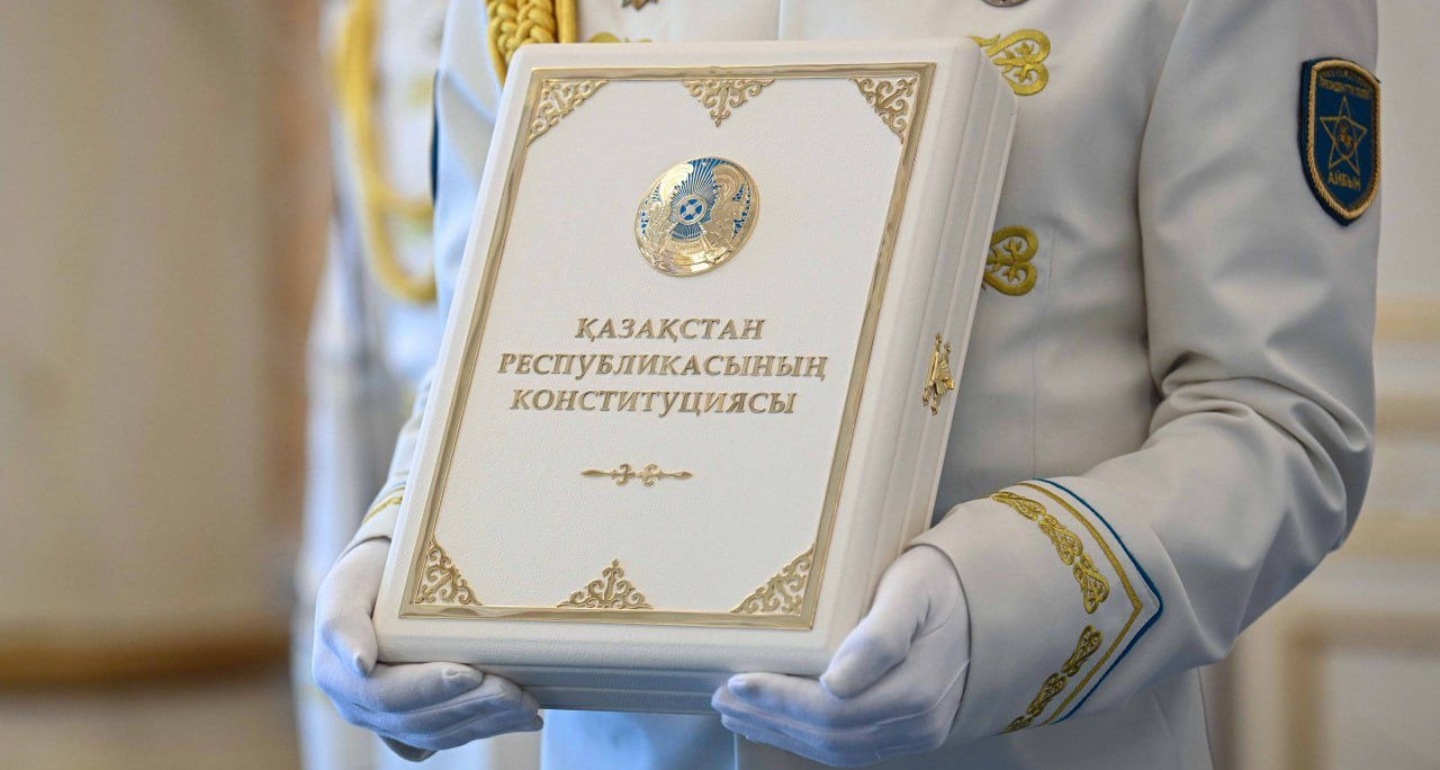
Tokayev’s predecessor, Nursultan Nazarbayev, outlined arrangements for a power transition too soon and in too much detail, ultimately losing control over the process. Tokayev is determined not to meet the same fate.

Temur Umarov
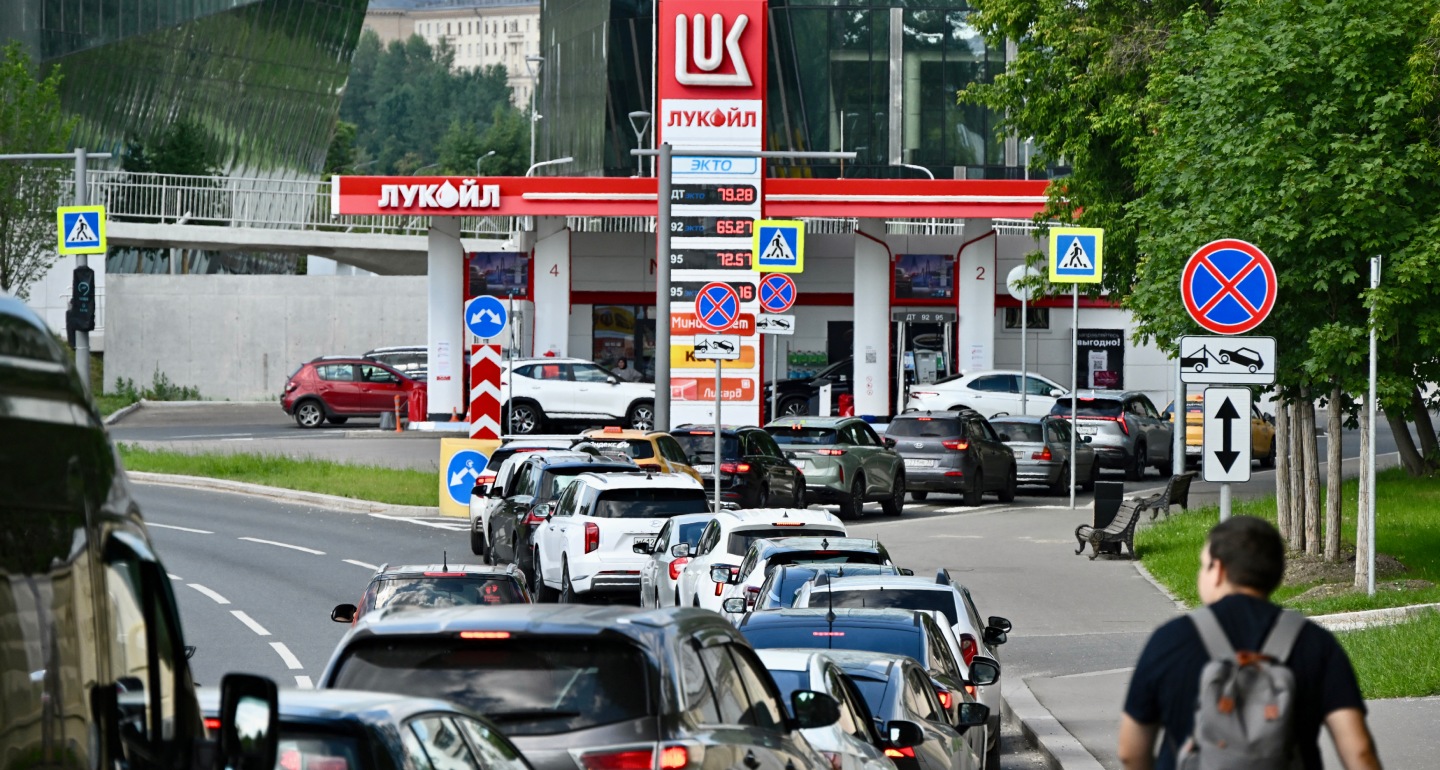
Official discussions about mini oil refineries are unlikely to come to anything—but the mere fact they’re happening reveals the regime is failing to deliver a functioning economy.

Sergey Vakulenko
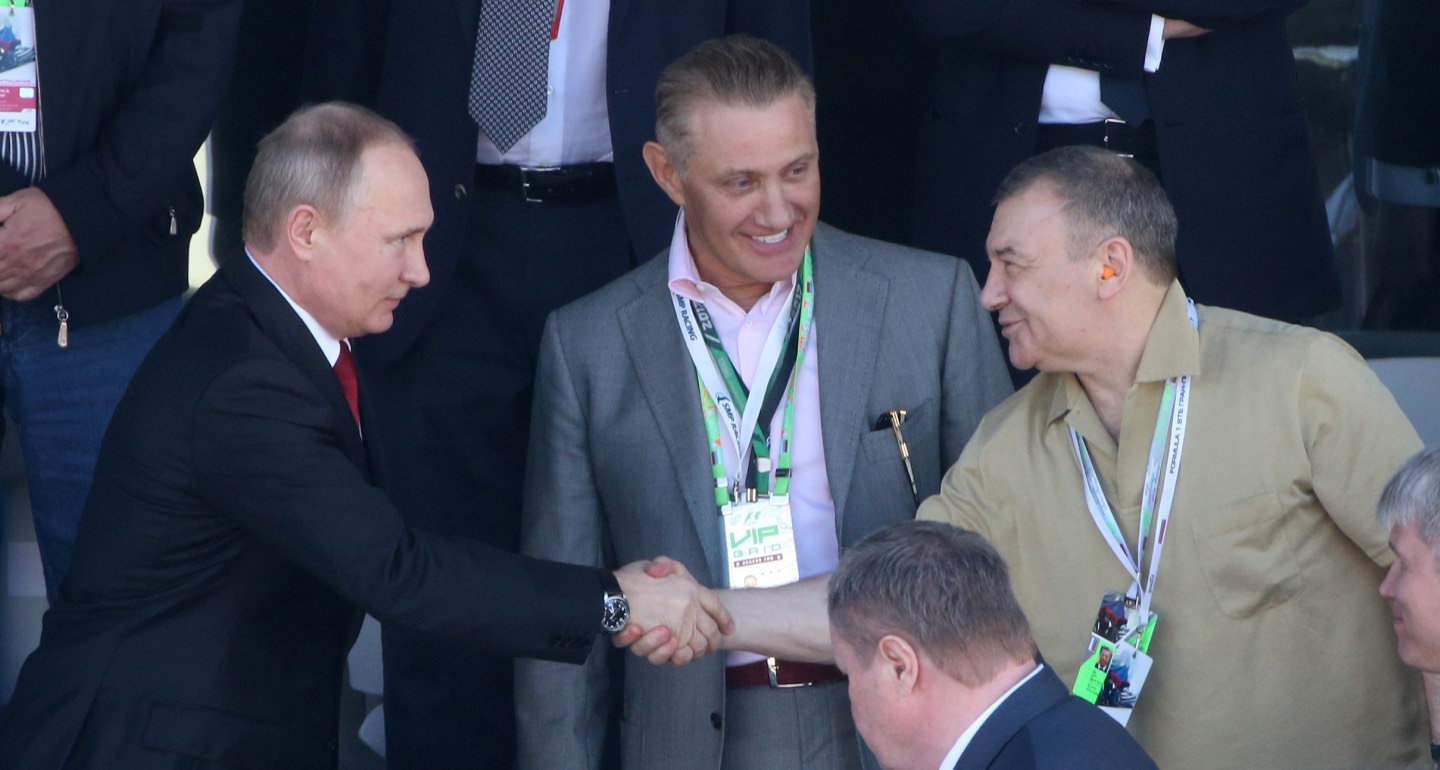
The security forces are targeting Arkady and Boris Rotenberg’s patronage network—and in Putin’s Russia, it’s extremely hard to stop a purge once it’s under way.

Mikhail Komin
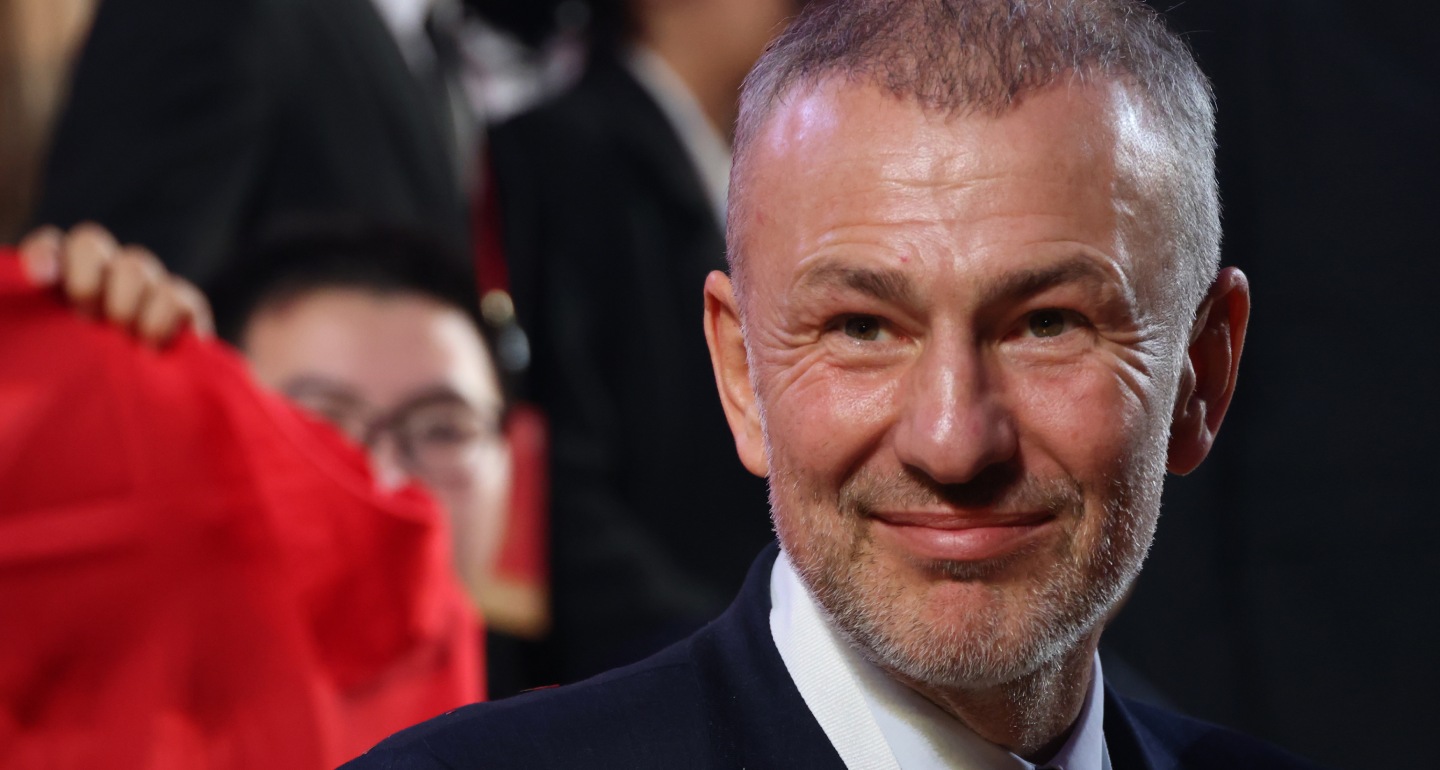
Andrey Melnichenko’s essay offers no answer to the fundamental question of how, under any kind of negotiated settlement, Europe can protect itself from the Russian ressentiment that is inevitable in all scenarios except for an outright victory for Putin.

Leonid Bershidsky