

Commentary
Alexander Baunov
{
  "authors": [
    "Alexander Baunov"
  ],
  "type": "legacyinthemedia",
  "centerAffiliationAll": "",
  "centers": [
    "Carnegie Endowment for International Peace",
    "Carnegie Russia Eurasia Center"
  ],
  "collections": [
    "Inside Russia"
  ],
  "englishNewsletterAll": "",
  "nonEnglishNewsletterAll": "",
  "primaryCenter": "Carnegie Endowment for International Peace",
  "programAffiliation": "",
  "programs": [],
  "projects": [],
  "regions": [
    "Russia"
  ],
  "topics": [
    "Political Reform"
  ]
}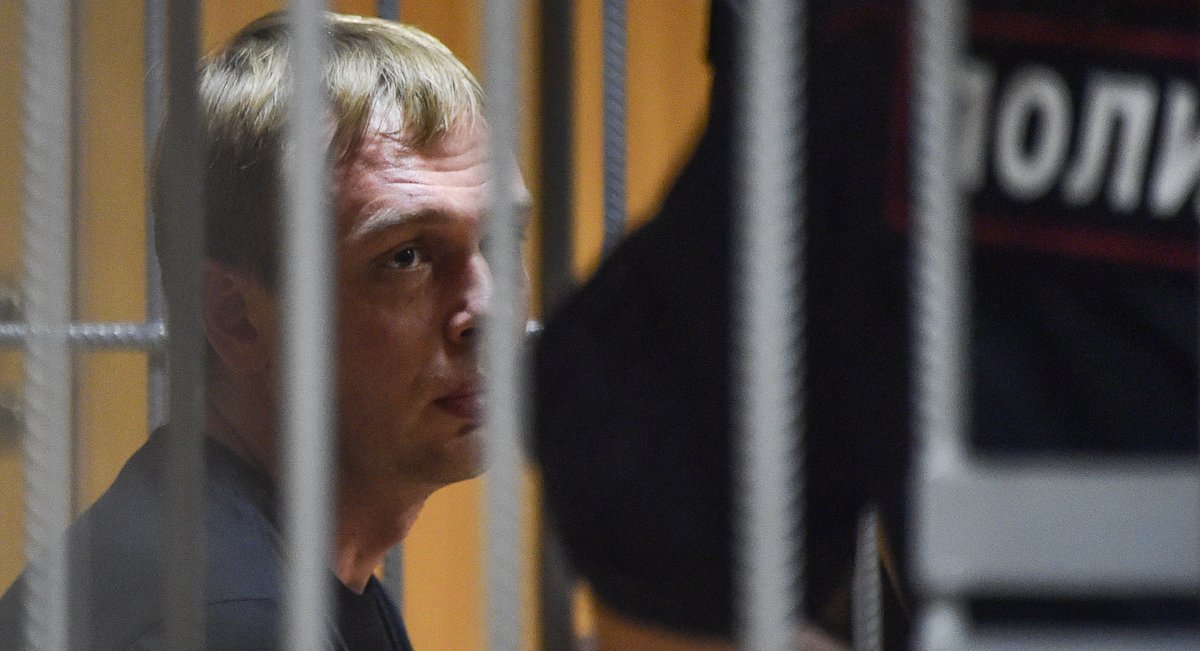
Source: Getty
The arrest of Ivan Golunov on bogus drug charges sparked intense protests against the menace of the corrupt security state.
Source: Politico
The men who ordered the arrest of Ivan Golunov in early June on fabricated drugs charges can have had no idea how his name would be known to millions within just a few hours and overshadow the speeches of Vladimir Putin and Xi Jinping at the St. Petersburg Economic Forum the same weekend.
The reaction was so strong—from street demonstrations in Moscow to three daily newspapers sharing the same front page to protest Golunov’s arrest—that the authorities actually backed down on June 11, just five days after taking him into custody. Charges against Golunov were dropped and the Ministry of Interior announced it was suspending the police officers involved.
Why the big fuss? After all, Golunov is not a celebrity, still less a political heavyweight. He’s a journalist, well-known, before last week, only to a small circle—amongst whom I am proud to include myself, as I have known him for 15 years. The police who seized him surely reckoned he was a nobody they could detain quite brazenly.
That was a big mistake on their part. In fact, it was Golunov’s unassuming modesty that propelled the kind of protests that Russia has not seen for years.
Golunov did his journalistic work with quiet professionalism and did not befriend Russia’s big shots. His work spoke for itself. That is precisely why so many ordinary Russians came out to support him. Seeing what happened to a professional doing his job, they understood with frightening clarity their own defenselessness vis-à-vis the Russian state’s security machine.
Golunov’s work touched on sensitive topics, to be sure. He had investigated state procurements and those dark corners of Russian government business where officials worked with criminals under the protection of the security services: the lucrative cemetery business, the commercial dealings of the Russian Orthodox Church, how the Moscow’s mayor offices procured building materials for street renovation.
Despite the grim information he uncovered, Golunov is not one of Russia’s classic “opposition journalists.” If one of the threads he was pulling at led to Putin, Golunov would name him for sure, but he is not in the business of unmasking the whole of Russia’s ruling regime, as some others are. I have known Golunov for 15 years but I don’t believe that we ever talked about the big topics: Putin, the regime or democracy. Instead we chatted about friends or talked about life in various of Russia’s far-flung regions which he has crossed and re-crossed for his work.
This is why his arrest for drug possession on June 6 sent a chill through many ordinary citizens. Not every Russian feels like fighting against the Putin regime. But literally every one of them feels defenseless against the police and intelligence services, knowing how they can use the trick of planting drugs on a person to make him lose his job or business or ruin his life in just a few minutes.
In 2004, 40,000 people were in jail in Russia on various drugs charges. Today that number stands at an immense 140,000, 80 percent of whom have confessed to possessing drugs, often in private and uncontested hearings. Amazingly, the accused always seem to possess just the right amount of narcotics to make them eligible for criminal prosecution.
Russia’s drug business has become a police extortion tool. Alleged drug possession is now a way that officials can extract a bribe, confiscate a business, force someone to emigrate or simply to keep silent. (This is not to say that drug addiction is not a serious problem in Russia—it is).
In other words, Ivan Golunov’s story—with what looks like a happy ending on June 11—should not be read as another tale of Russia’s Westernized liberals fighting the regime. The whole Russian media community rose up to defend him, including journalists from pro-government outlets such as RT. Golunov himself works for the Latvia-based website Meduza, which is no friend of RT, but he appeared in court wearing a T-shirt printed by RT with the inscription “The editors want blood.” Wearing an RT T-shirt was just a joke, as far as he was concerned, but not one a staunch opposition journalist would have partaken in.
So this issue is bigger than being for or against Putin. It has galvanized everyone, from the businessman to the journalist to the Central Asian guest worker who feels unprotected by the law in today’s Russia.
Now that Golunov is free and several senior policemen are being punished, it’s not just the editors who “want blood,” a large segment of society wants it too. They want to see the higher-ups who dreamed up this abominable episode held to account and arrested.
In Italy, the murder of anti-mafia investigator Giovanni Falcone in 1992 caused such public revulsion that it became a turning point in the fight against the Mafia. The protest against Golunov’s arrest has a similar feeling about it—Russians want to be rid of the mafia-like grip the security services have over their everyday lives. That is on their minds much more than a fight for true democracy. Although winning the battle for one might eventually pave the way to the other.

Senior Fellow, Editor-in-Chief, Carnegie Russia Eurasia Center
Baunov is a senior fellow and editor-in-chief at the Carnegie Russia Eurasia Center.
Recent Work
Alexander Baunov
Alexander Baunov
Carnegie does not take institutional positions on public policy issues; the views represented herein are those of the author(s) and do not necessarily reflect the views of Carnegie, its staff, or its trustees.
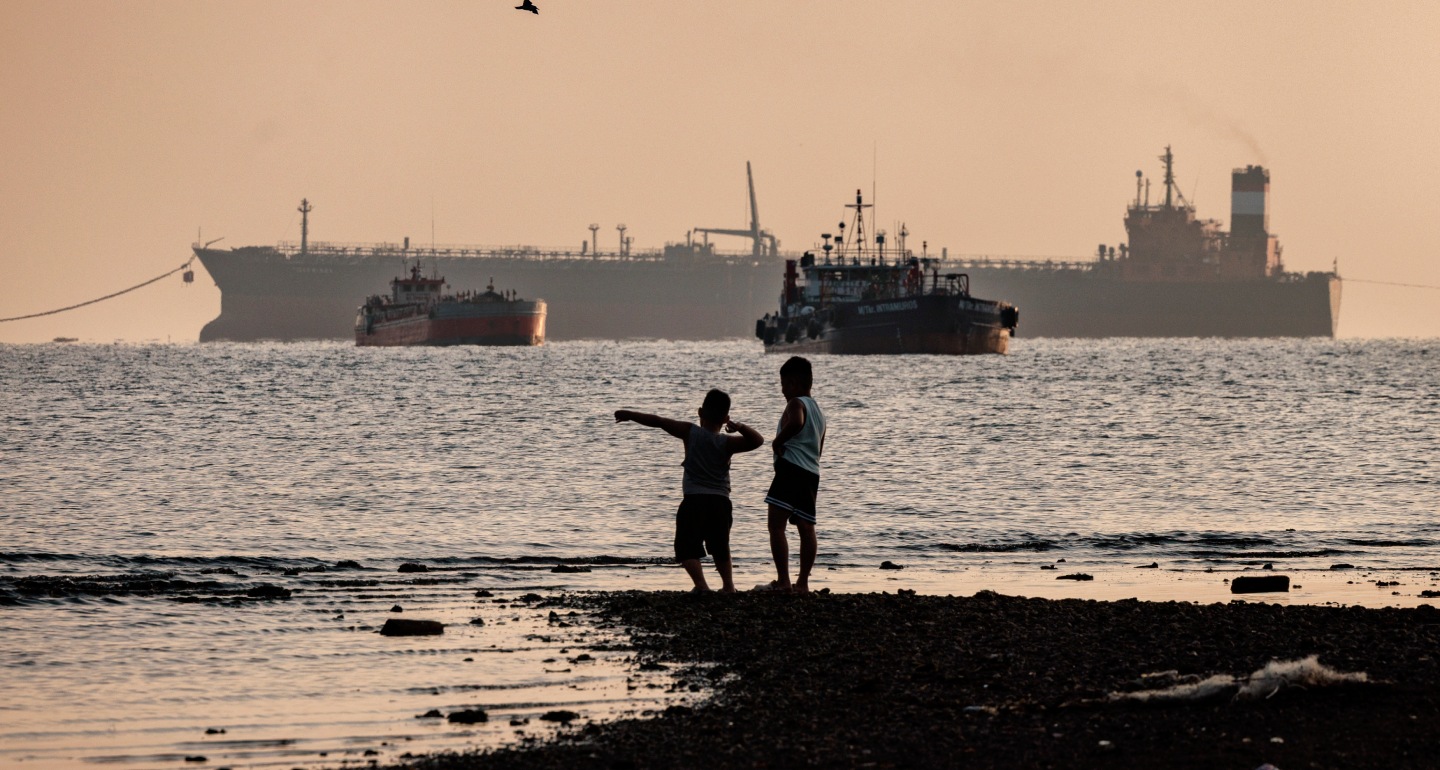
Although Ukrainian strikes have led to a noticeable decline in the physical volume of Russian oil exports, the rise in prices has more than made up for it.

Sergey Vakulenko
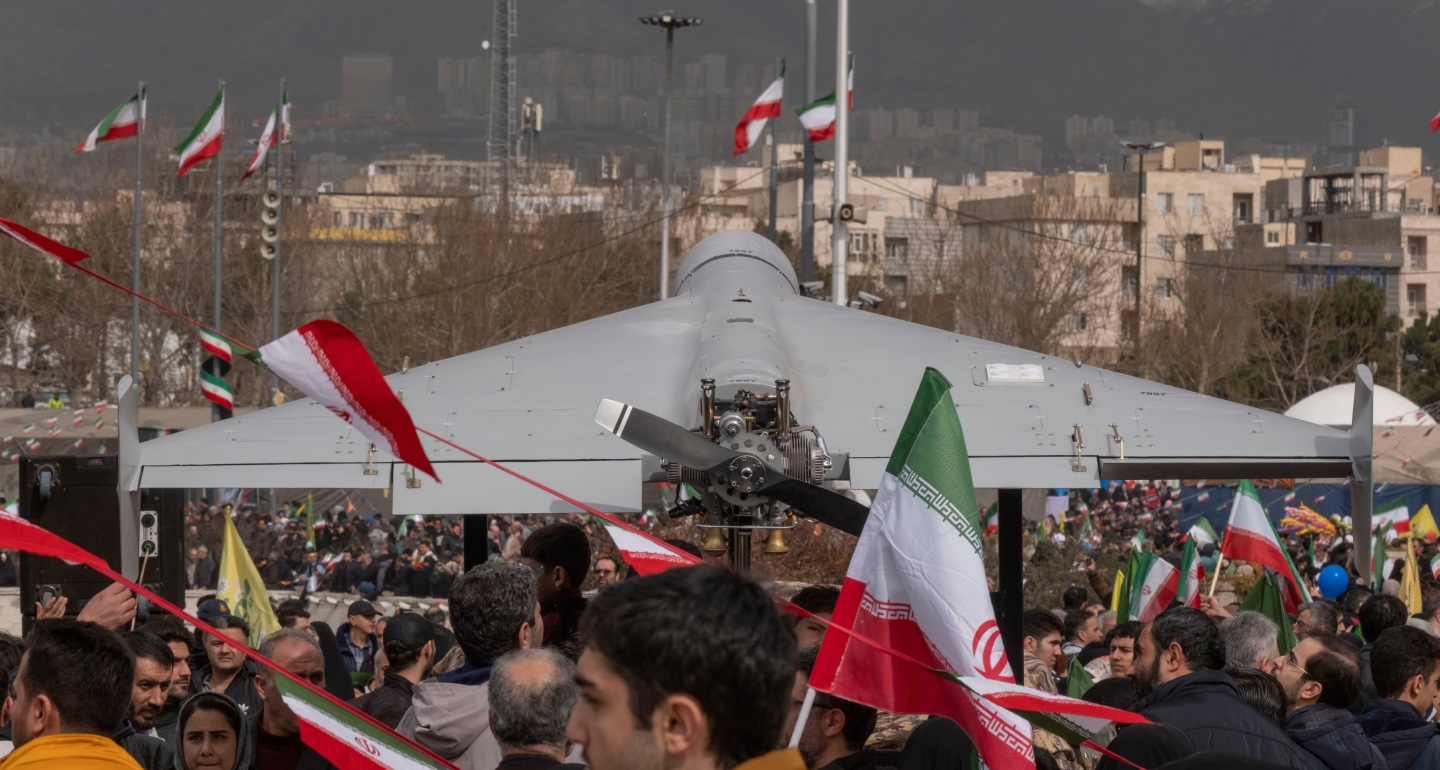
The Russian leadership wants to avoid a dangerous precedent in which it is squeezed out of Iran by the United States and Israel—and left powerless to respond in any meaningful way.

Nikita Smagin
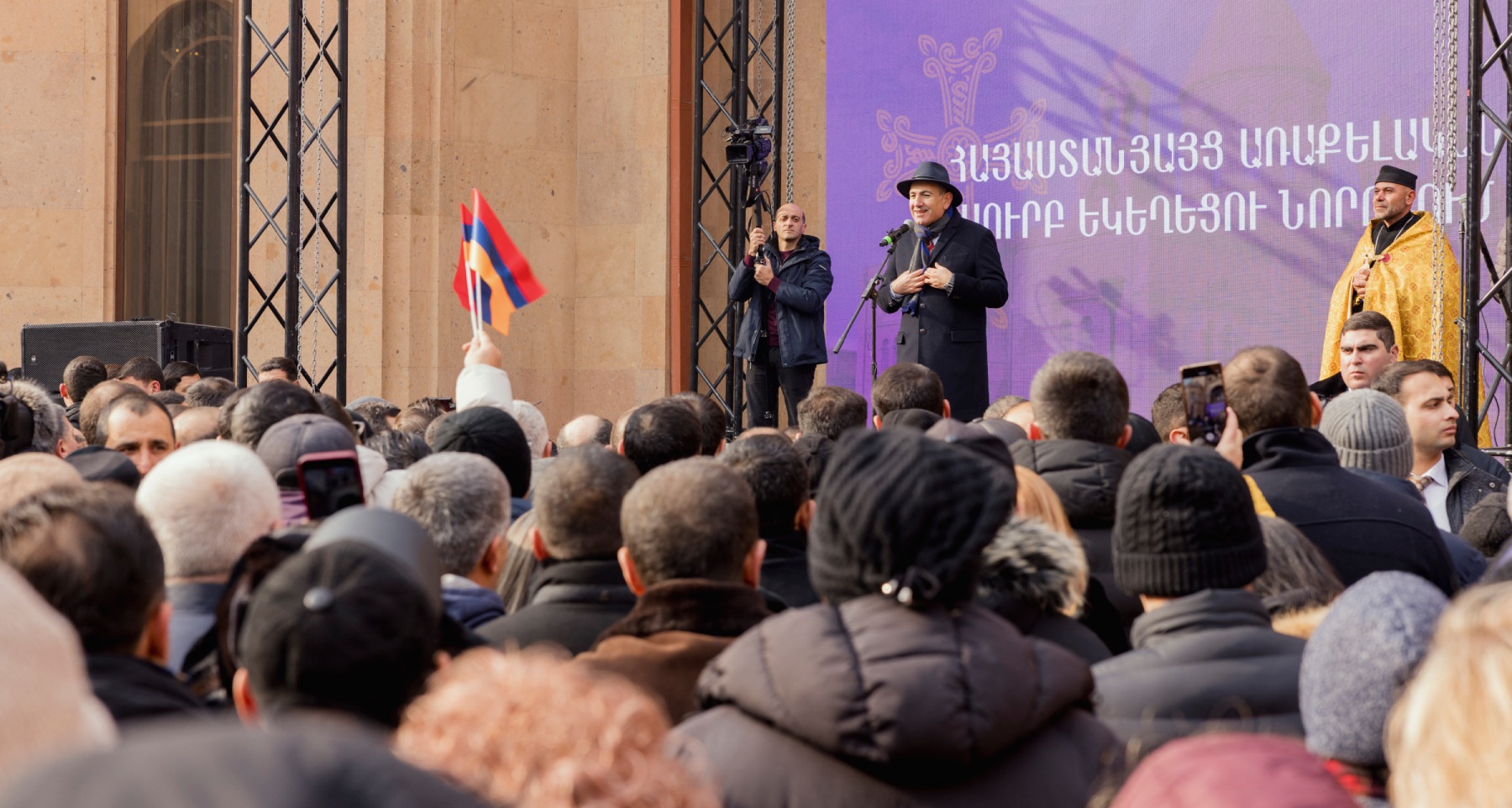
It’s true that many Armenians would vote for anyone just to be rid of Pashinyan, whom they blame for the loss of Nagorno-Karabakh, but the pro-Russia opposition is unlikely to be able to channel that frustration into an electoral victory.
Mikayel Zolyan
Orbán created an image for himself as virtually the only opponent of aid to Ukraine in the entire EU. But in reality, he was simply willing to use his veto to absorb all the backlash, allowing other opponents to remain in the shadows.
Maksim Samorukov
Despite having the resources and expertise, the Russian space industry missed the opportunity to offer the United States or China a mutually rewarding partnership in the lunar race.
Georgy Trishkin