• Research
  • Politika
  • About
Carnegie Russia Eurasia center logoCarnegie lettermark logo
  • Donate
{
  "authors": [
    "Suyash Rai"
  ],
  "type": "legacyinthemedia",
  "centerAffiliationAll": "",
  "centers": [
    "Carnegie Endowment for International Peace",
    "Carnegie India"
  ],
  "collections": [],
  "englishNewsletterAll": "",
  "nonEnglishNewsletterAll": "",
  "primaryCenter": "Carnegie India",
  "programAffiliation": "",
  "programs": [],
  "projects": [
    "Political Economy"
  ],
  "regions": [
    "India"
  ],
  "topics": [
    "Economy"
  ]
}
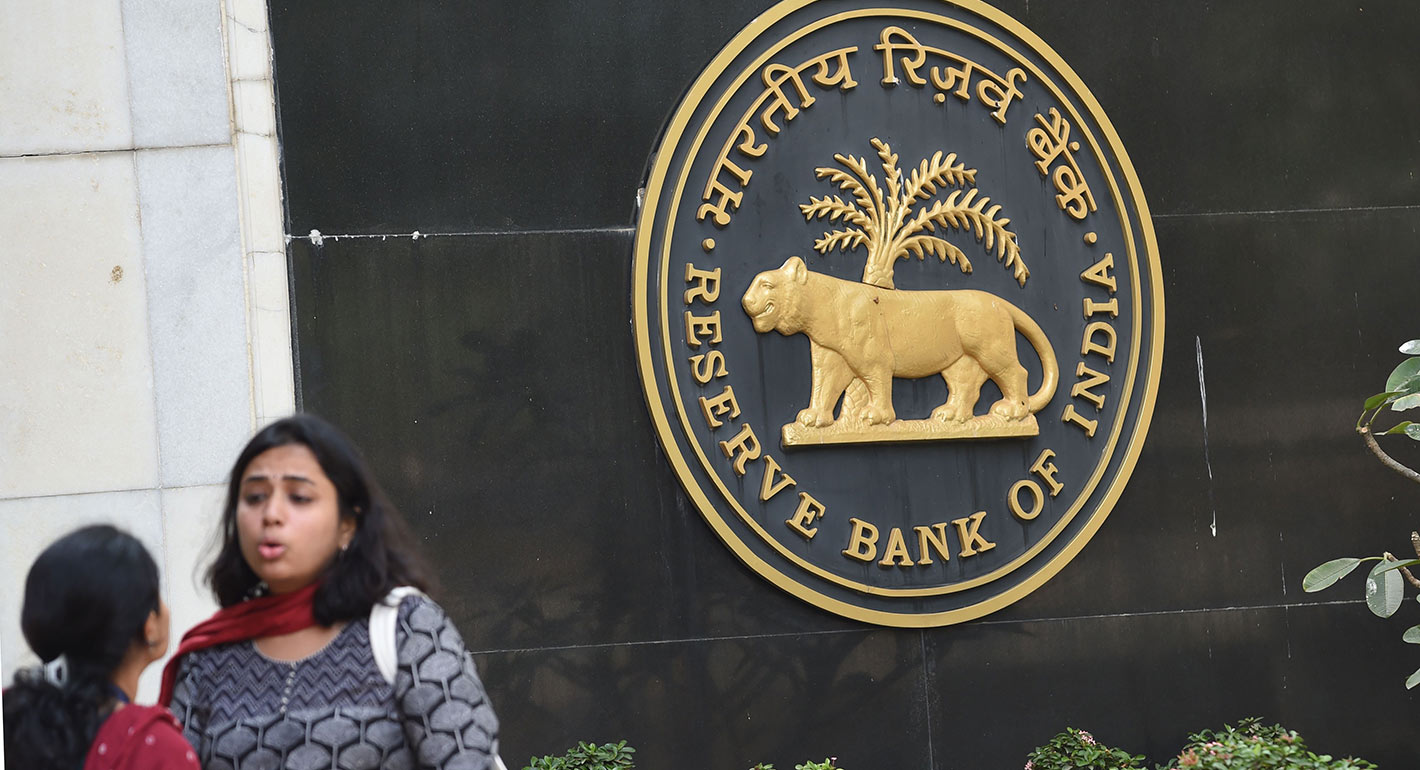
Source: Getty

In The Media
Carnegie India

Central Banks Like RBI Tend to ‘Build an Empire’, Sometimes at the Cost of Public Interest

Due to its expansive role, the Reserve Bank of India (RBI) is a site of many conflicts.

Link Copied
By Suyash Rai
Published on Aug 28, 2019
Project hero Image

Project

Political Economy

This program studies contemporary developments in India’s political economy, with a view towards understanding and informing India’s developmental choices. Scholars in the program analyze economic and regulatory policies, design and working of public institutions, interfaces between politics and the economy, and performance of key sectors of the economy such as finance and land.

Learn More

Source: Print

Philosopher John Anderson once suggested that for a public institution, instead of asking “what end or purpose does it serve?”, we should ask, “of what conflicts is it the scene?”

Due to its expansive role, the Reserve Bank of India (RBI) is a site of many conflicts.

A conflict that has recently come to the fore is about the RBI’s surplus income. The main source of this income is the sovereign power to issue currency. The RBI purchases securities with currency, and after accounting for the cost of producing and distributing currency, this generates a huge surplus. Before giving dividend to the government, the RBI sets aside money for operational expenditure and for reserves to cover losses in the future.
Read the Full Text

This article was originally published by the Print.

About the Author

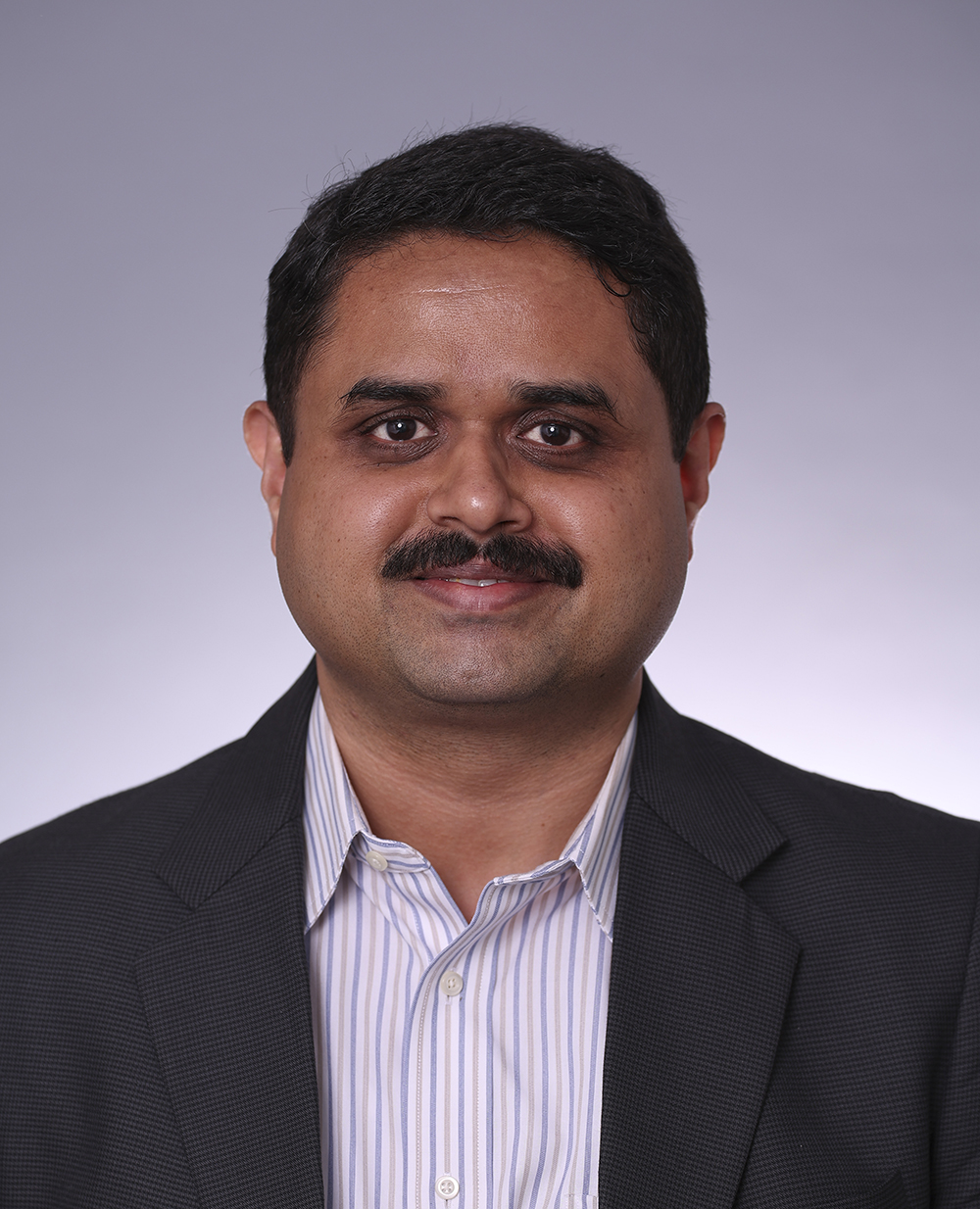
Suyash Rai

Former Fellow, Carnegie India

Suyash Rai was a fellow at Carnegie India. His research focuses on the political economy of economic reforms, and the performance of public institutions in India.

    Recent Work

  • Article
    The Best of Ideas and Institutions, 2023

      Suyash Rai, Anirudh Burman

  • Other
    Global Technology Summit 2022 Action Points
      • +4

      Shruti Sharma, Suyash Rai, Konark Bhandari, …

Suyash Rai
Former Fellow, Carnegie India
Suyash Rai
EconomyIndia

Carnegie does not take institutional positions on public policy issues; the views represented herein are those of the author(s) and do not necessarily reflect the views of Carnegie, its staff, or its trustees.

More Work from Carnegie Russia Eurasia Center

  • Commentary
    Carnegie Politika
    Does Russia Have Enough Soldiers to Keep Waging War Against Ukraine?

    The Russian army is not currently struggling to recruit new contract soldiers, though the number of people willing to go to war for money is dwindling.

      Dmitry Kuznets

  • Commentary
    Carnegie Politika
    Including Russia on the EU Financial Blacklist Will Hurt Ordinary People, Not the Kremlin

    The paradox of the European Commission’s decision is that the main victims will not be those it formally targets. Major Russian businesses associated with the Putin regime have long adapted to sanctions with the help of complex schemes involving third countries, offshore companies, and nonpublic entities.

      Alexandra Prokopenko

  • Commentary
    Carnegie Politika
    Why Didn’t the Ukraine War Turn Russia’s Ruling Class Against Putin?

    A new book by Alexandra Prokopenko looks at why the Russian ruling class became the regime’s willing servants—and how they might fare in a post-Putin world.

      Vladislav Gorin

  • Commentary
    Carnegie Politika
    Collateral Damage: The Frozen Foreign Assets of Middle-Class Russians

    The volume of frozen private assets might seem insignificant compared with Russia’s sovereign reserves, but these are the savings of millions of people who believed that foreign securities were a safe investment and in the institution of private property.

      Yulia Starostina

  • Commentary
    Carnegie Politika
    The Kremlin Has Weaponized Western Financial Checks to Punish Russian Dissidents

    International compliance and anti-money laundering standards are currently formulated in such a way that the Western financial system does not differentiate between Russian political prisoners and ISIS militants.

      Alexandra Prokopenko

Get more news and analysis from
Carnegie Russia Eurasia Center
Carnegie Russia Eurasia logo, white
  • Research
  • Politika
  • About
  • Experts
  • Events
  • Contact
  • Privacy
Get more news and analysis from
Carnegie Russia Eurasia Center
© 2026 Carnegie Endowment for International Peace. All rights reserved.