

Commentary
Latvia and Lithuania have been considering whether they could temporarily host NATO nuclear weapons in the event of war or a similar crisis.
Sergejs Potapkins
{
  "authors": [
    "Matias Spektor",
    "Togzhan Kassenova",
    "Lucas Perez Florentino"
  ],
  "type": "other",
  "centerAffiliationAll": "dc",
  "centers": [
    "Carnegie Endowment for International Peace"
  ],
  "collections": [],
  "englishNewsletterAll": "ctw",
  "nonEnglishNewsletterAll": "",
  "primaryCenter": "Carnegie Endowment for International Peace",
  "programAffiliation": "NPP",
  "programs": [
    "Nuclear Policy"
  ],
  "projects": [],
  "regions": [
    "North America",
    "South America"
  ],
  "topics": [
    "Nuclear Policy",
    "Nuclear Energy"
  ]
}
Source: Getty
Brazilian President Jair Bolsonaro has unveiled plans for an ambitious transformation of the country’s nuclear policy. Achieving this vision will require an updated regulatory framework to respond to new challenges.
Source: Arms Control Today
Promising a shake-up of Brazil’s policies, the far-right Jair Bolsonaro won the nation’s presidential elections in October 2018. A staunch supporter of U.S. President Donald Trump, from whose playbook he borrowed extensively on his rise to power, Bolsonaro unveiled plans for an ambitious transformation of the country’s nuclear policy.
Some seeds for change had been planted before he came to power, as an official working group set up by his predecessor drafted new principles and guidelines to govern the country’s nuclear sector,1 but Bolsonaro’s administration doubled down on implementing a fast-paced reform from the outset. In the last eight months alone, the president began to open up the nuclear sector to private investment, substituted old tenets of nuclear diplomacy for new ones, and restated ambitious plans to acquire additional capabilities. Over the next decade, Brazil aims to launch a nuclear-powered submarine, produce naval nuclear fuel, explore new uranium mines, construct a third nuclear power plant, expand uranium-enrichment capacity, and launch a new research reactor.
The Brazilian government is undergoing a massive program of fiscal adjustment to curb public spending, so the administration reasons that if it is to maintain and extend its nuclear capabilities, it needs to invite private investment into a field that has traditionally relied on public funds alone.
To achieve these nuclear ambitions, not only will Brazil require an updated regulatory framework capable of unlocking public-private partnerships, but also one that responds to growing demands for strengthened nuclear safety and security, and improving oversight to curb the risk of political corruption and embezzlement.
The full version of this article was published in the September 2019 edition of Arms Control Today.
Former Nonresident Scholar, Sustainability, Climate, and Geopolitics Program
Matias Spektor was a nonresident scholar affiliated with the Sustainability, Climate, and Geopolitics Program at the Carnegie Endowment for International Peace.

Former Nonresident Fellow, Nuclear Policy Program
Kassenova was a nonresident fellow in the Nuclear Policy Program at the Carnegie Endowment.
Lucas Perez Florentino
Carnegie does not take institutional positions on public policy issues; the views represented herein are those of the author(s) and do not necessarily reflect the views of Carnegie, its staff, or its trustees.
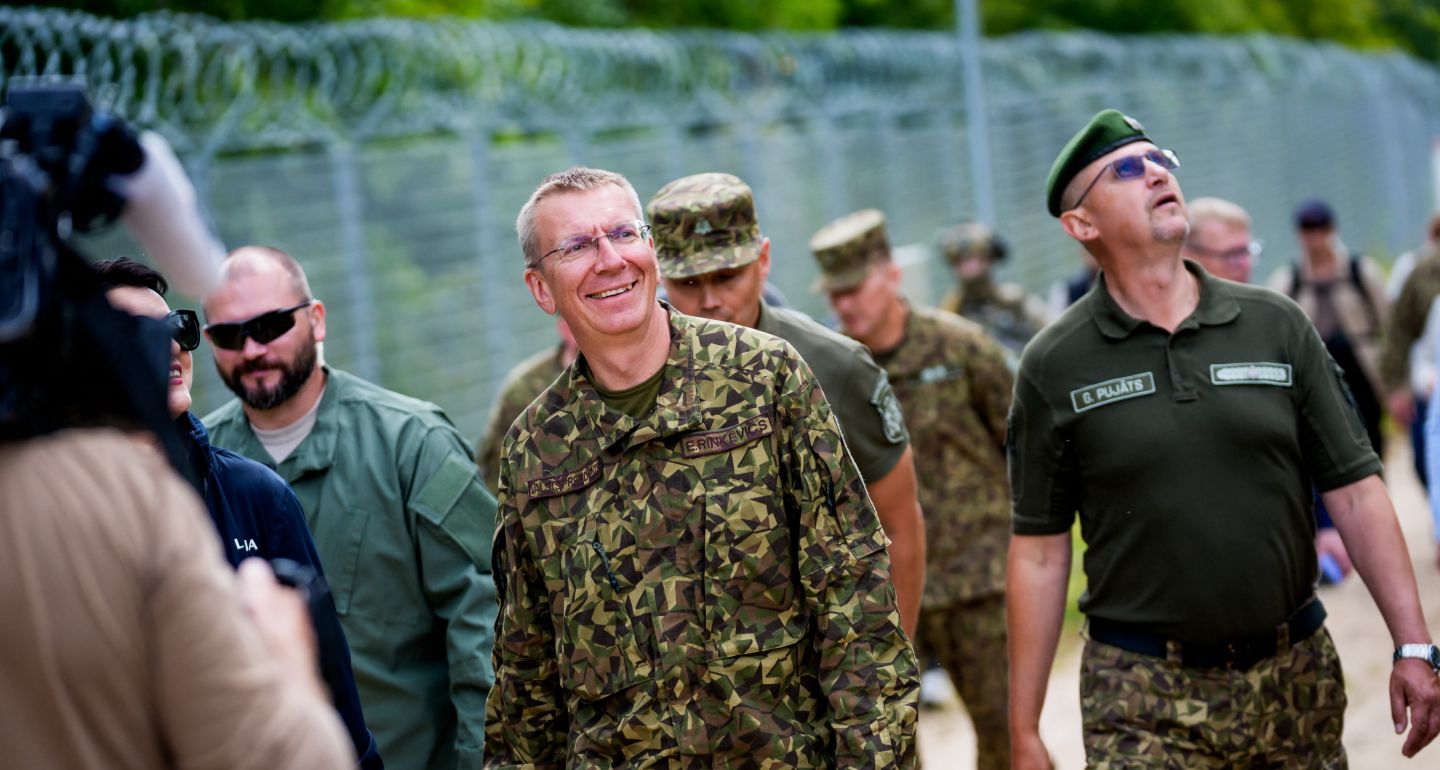
Latvia and Lithuania have been considering whether they could temporarily host NATO nuclear weapons in the event of war or a similar crisis.
Sergejs Potapkins
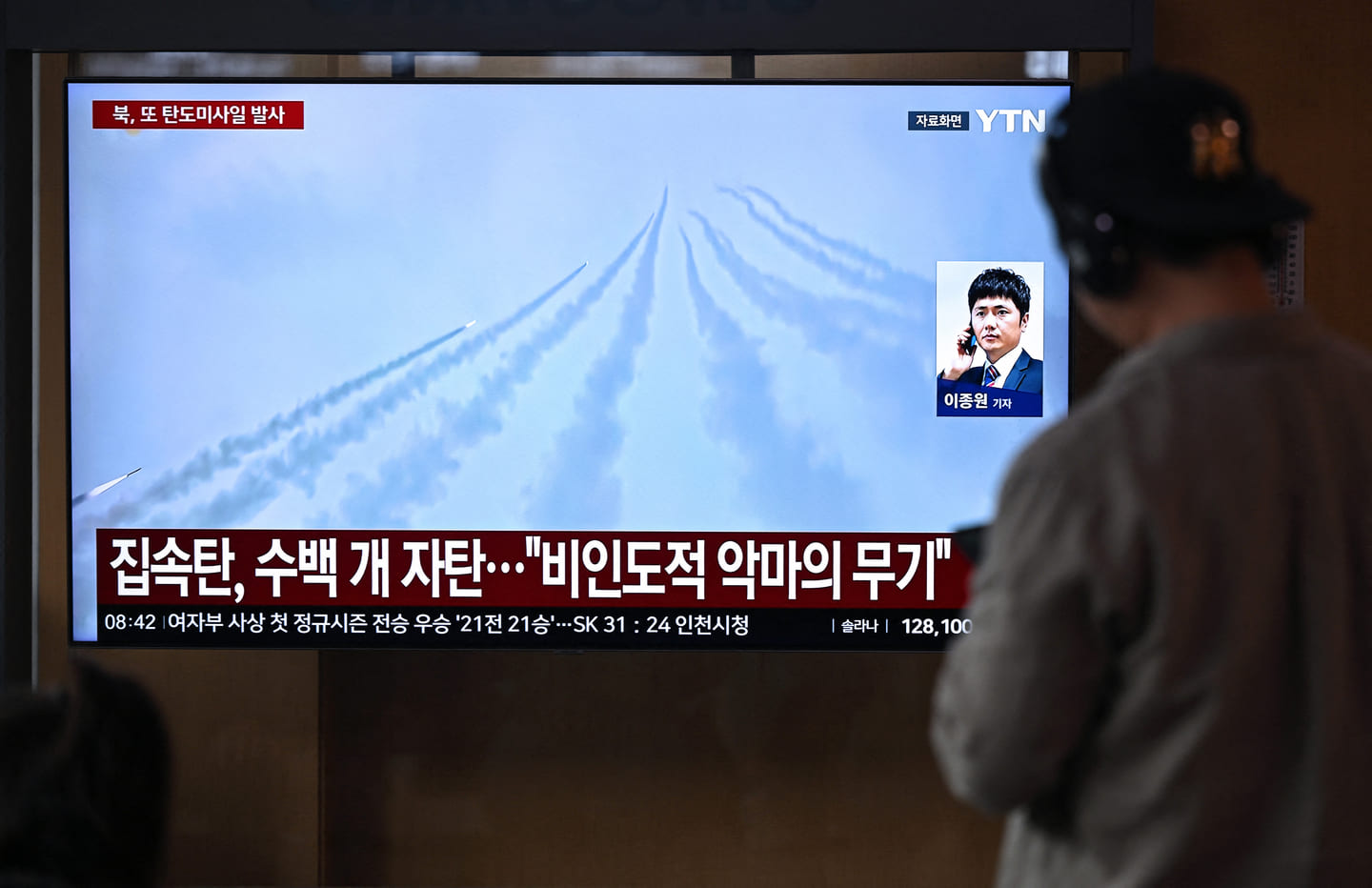
Troubled by the growing salience of nuclear debates in East Asia, Moscow has responded in its usual way: with condemnation and threats. But by exacerbating insecurity, Russia is forcing South Korea and Japan to consider radical security options.

James D.J. Brown
For Putin, upgrading Russia’s nuclear forces was a secondary goal. The main aim was to gain an advantage over the West, including by strengthening the nuclear threat on all fronts. That made growth in missile arsenals and a new arms race inevitable.
Maxim Starchak
The Kremlin will only be prepared to negotiate strategic arms limitations if it is confident it can secure significant concessions from the United States. Otherwise, meaningful dialogue is unlikely, and the international system of strategic stability will continue to teeter on the brink of total collapse.
Maxim Starchak
Geological complexity and years of mismanagement mean the Venezuelan oil industry is not the big prize officials in Moscow and Washington appear to believe.
Sergey Vakulenko