

Commentary
Ultimately, Zelensky sided neither with the reform camp nor with the military establishment as such, but with political control.
Balázs Jarábik
{
  "authors": [
    "James L. Schoff",
    "Ankit Panda"
  ],
  "type": "legacyinthemedia",
  "centerAffiliationAll": "dc",
  "centers": [
    "Carnegie Endowment for International Peace"
  ],
  "collections": [],
  "englishNewsletterAll": "asia",
  "nonEnglishNewsletterAll": "",
  "primaryCenter": "Carnegie Endowment for International Peace",
  "programAffiliation": "AP",
  "programs": [
    "Asia"
  ],
  "projects": [],
  "regions": [
    "East Asia",
    "South Korea",
    "China",
    "Japan",
    "North Korea"
  ],
  "topics": [
    "Political Reform",
    "Nuclear Policy",
    "Foreign Policy"
  ]
}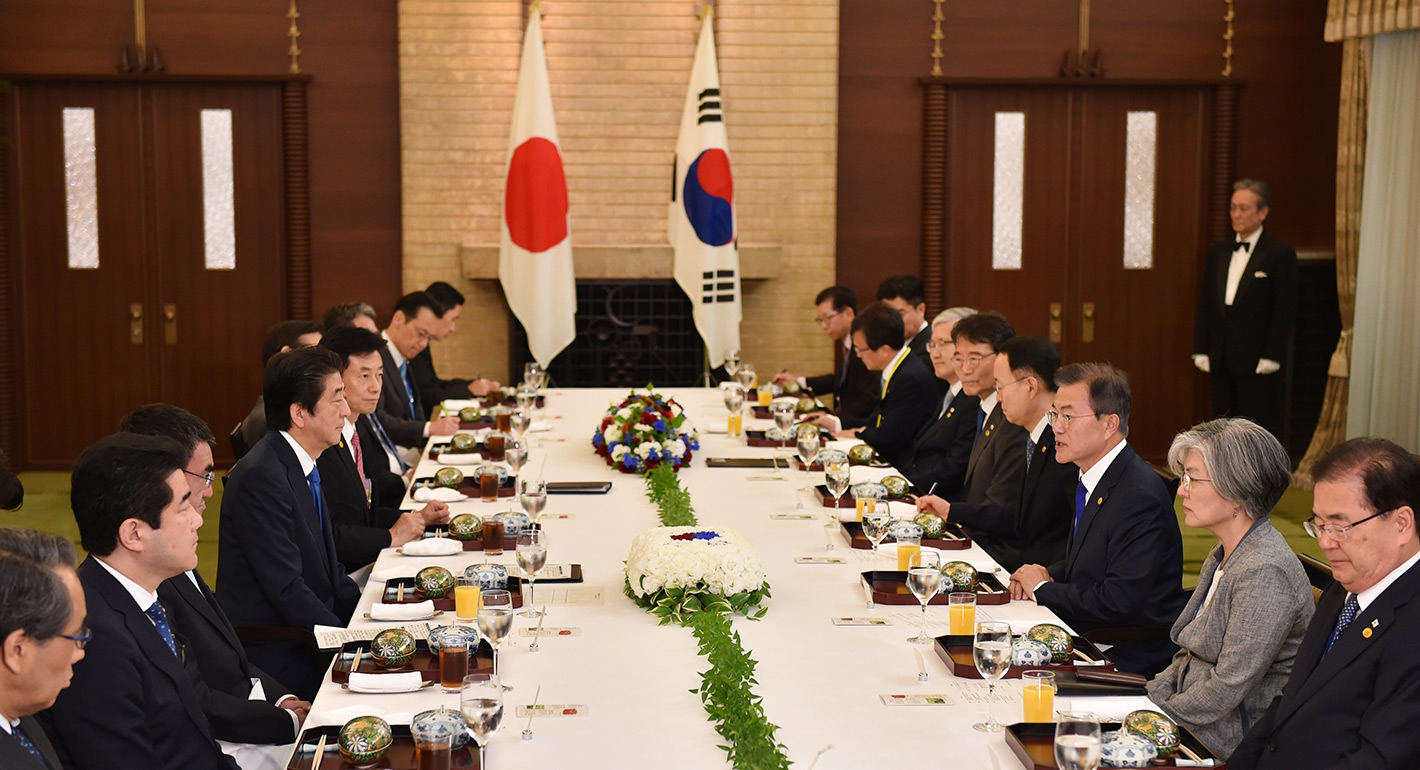
Source: Getty
Tokyo has claimed that the new trade restrictions are the result of concerns over South Korean export controls, which Japan insists could let sensitive materials cross into North Korea or China.
Source: Diplomat
In August, Japan and South Korea both upped the ante in their intensifying trade dispute. Japan made good on its threat to remove South Korea from a “white list” of trusted export destinations, meaning extra hoops to jump through for the export of sensitive technologies to its neighbor. South Korea responded in kind, removing Japan from its own “white list.”
Tokyo has repeatedly claimed that the new trade restrictions are the result of concerns over South Korean export controls, which Japan insists could let sensitive materials cross into North Korea or China. But many believe the restrictions are the result of a far more toxic brew of nationalism and historical issues, which is being reciprocated in South Korea.
To help sort through the root causes of today’s dispute, The Diplomat’s Ankit Panda spoke to James L. Schoff, a senior fellow in the Carnegie Asia Program. In the following conversation, Schoff explains 2019’s trade tensions in light of longstanding fractures in the Japan-South Korea relationship, and what that legacy means for 21st century geopolitics.

Former Senior Fellow, Asia Program
James L. Schoff was a senior fellow in the Carnegie Asia Program. His research focuses on U.S.-Japan relations and regional engagement, Japanese technology innovation, and regional trade and security dynamics.
Stanton Senior Fellow in the Nuclear Policy Program at the Carnegie Endowment for International Peace
Ankit Panda is the Stanton Senior Fellow in the Nuclear Policy Program at the Carnegie Endowment for International Peace.
Carnegie does not take institutional positions on public policy issues; the views represented herein are those of the author(s) and do not necessarily reflect the views of Carnegie, its staff, or its trustees.
Ultimately, Zelensky sided neither with the reform camp nor with the military establishment as such, but with political control.

Balázs Jarábik
Tokayev’s predecessor, Nursultan Nazarbayev, outlined arrangements for a power transition too soon and in too much detail, ultimately losing control over the process. Tokayev is determined not to meet the same fate.

Temur Umarov

Despite unhappiness on the ground, Moscow is determined to use both carrot and stick to ensure there is record support for United Russia in occupied Ukraine.

Konstantin Skorkin
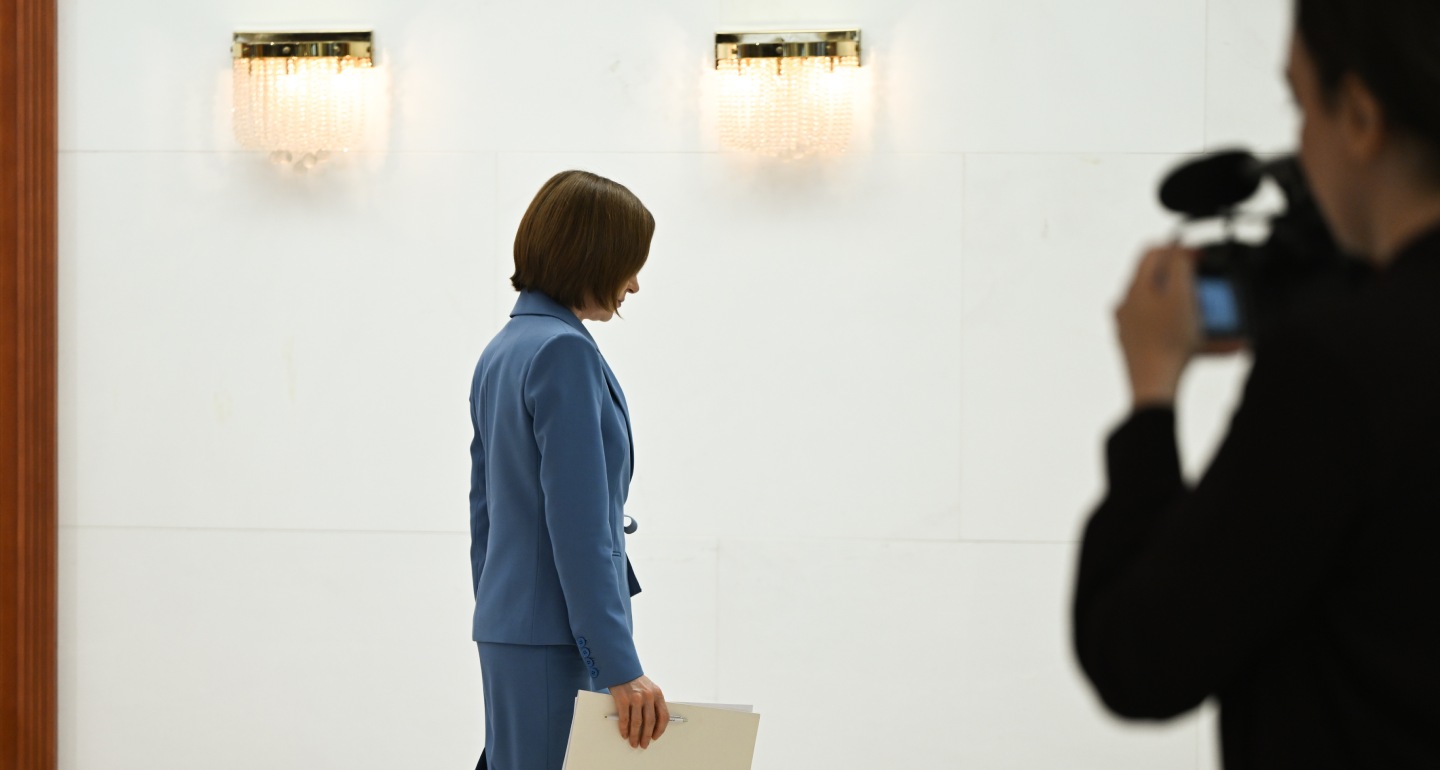
Whether PAS can refocus on the unfinished business of state-building may ultimately prove more consequential for Moldova’s European future than the pace of its accession negotiations.
Balázs Jarábik
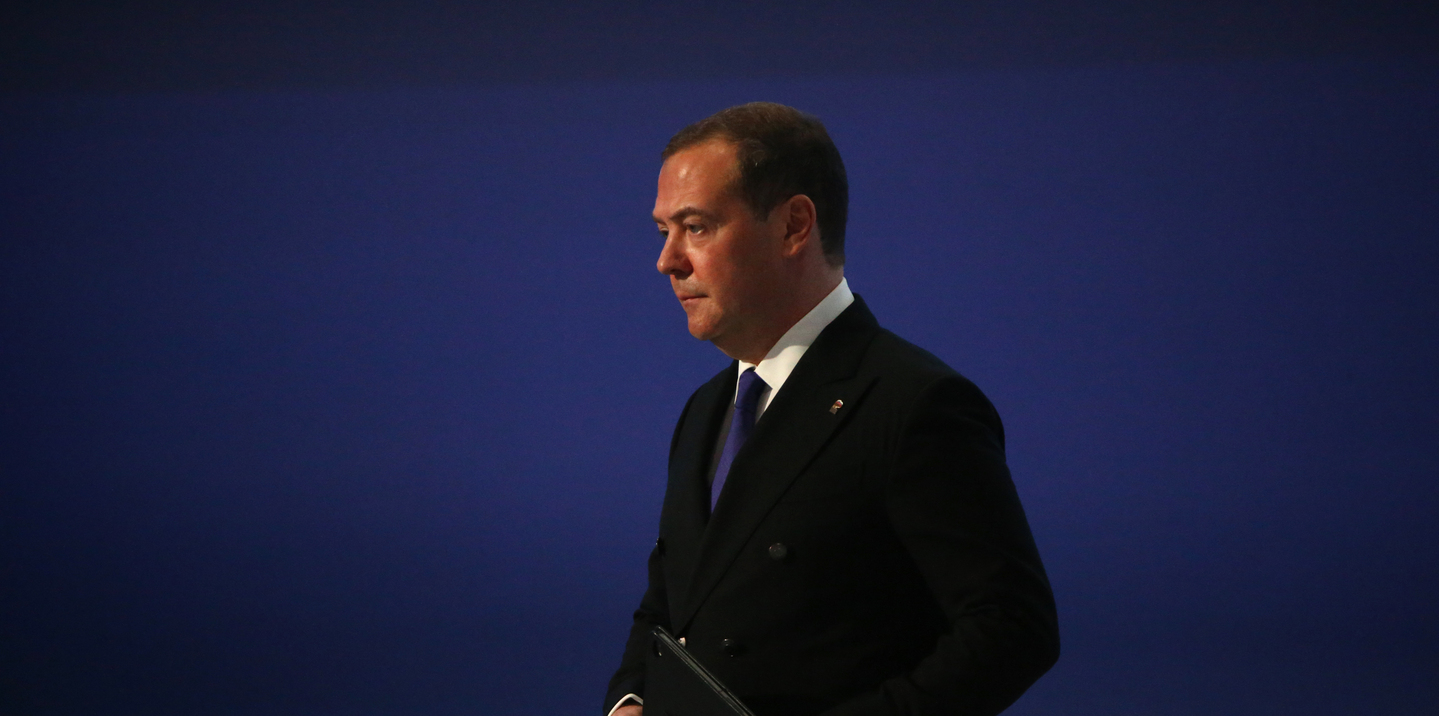
Medvedev’s defeat in the battle for the position of speaker appears to signal that the long process of his marginalization in Russian politics has passed the point of no return.

Andrey Pertsev