

Article
Thomas de Waal
{
  "authors": [
    "Thomas de Waal"
  ],
  "type": "other",
  "centerAffiliationAll": "dc",
  "centers": [
    "Carnegie Endowment for International Peace",
    "Carnegie Europe"
  ],
  "collections": [
    "Europe’s Eastern Neighborhood"
  ],
  "englishNewsletterAll": "ctw",
  "nonEnglishNewsletterAll": "",
  "primaryCenter": "Carnegie Europe",
  "programAffiliation": "EP",
  "programs": [
    "Europe"
  ],
  "projects": [],
  "regions": [
    "Europe",
    "Eastern Europe",
    "Moldova",
    "Iran"
  ],
  "topics": [
    "Security"
  ]
}
Source: Getty
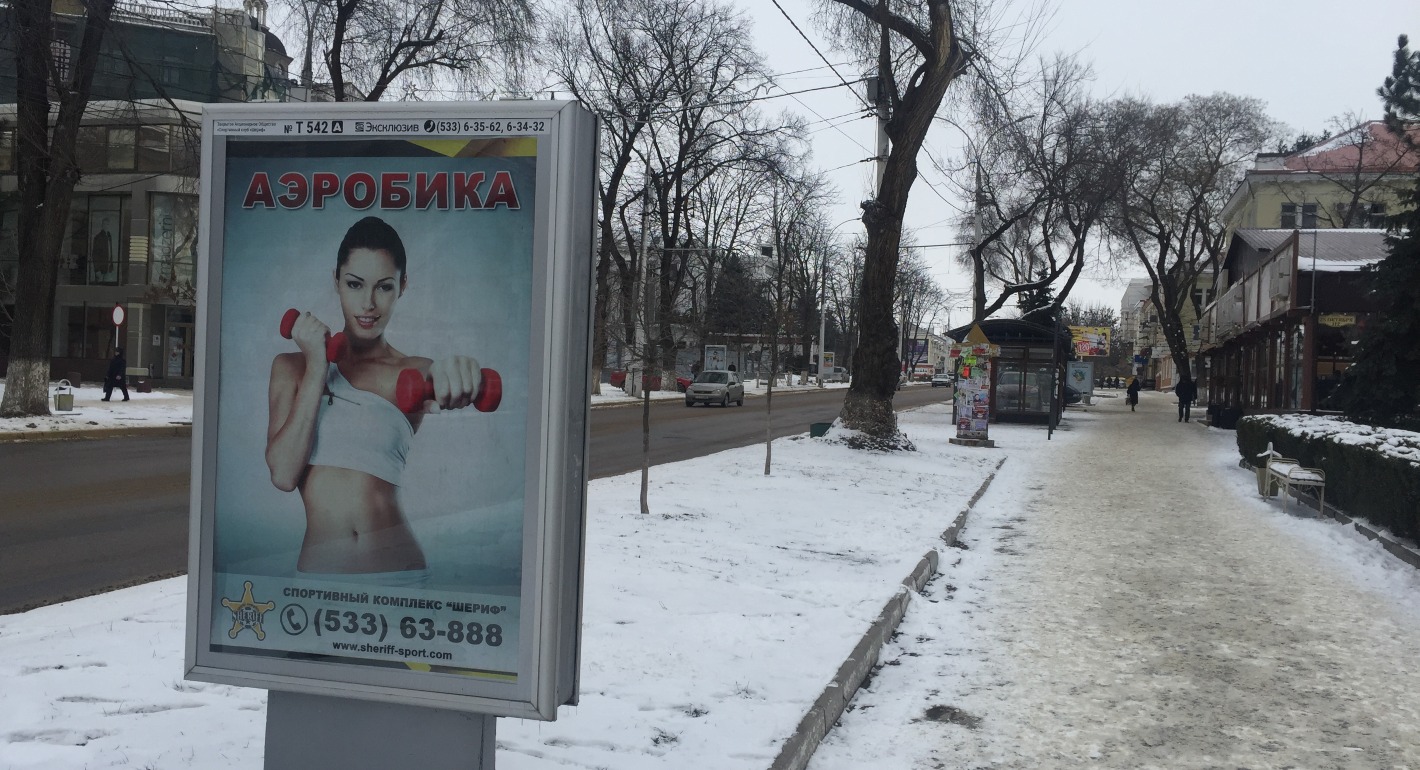
A final political solution of the conflict over Transdniestria remains elusive and dependent on wider geopolitical trends. However, in contrast to other conflicts, it is peaceful.
Source: CENTRE FOR EUROPEAN POLICY STUDIES
The Transdniestria conflict is in many ways less a conflict than a bitter political and territorial dispute. There has been virtually no violence since the armed phase of the conflict ended in 1992. There are high levels of daily contact between people in Transdniestria and in rightbank Moldova and the economies of the two sides are connected at many levels. A spirit of pragmatism prevails in the conflict, which contrasts it with the conflicts in Ukraine and the South Caucasus. The dispute is perpetuated by the rival geopolitical orientations of decisionmakers on two sides. Many in the region also view the status quo as benefiting elite business groups on either side of the Dniester River, who have agreed to divide up assets and profit from Transdniestria’s unrecognized status.This publication was prepared within the framework of the CEPS-led 3DCFTAs project, enabled by financial support from Sweden. To download the publication, please consult the following link.

Senior Fellow, Carnegie Europe
Thomas de Waal is a senior fellow at Carnegie Europe, specializing in Eastern Europe and the Caucasus.
Recent Work
Thomas de Waal
Thomas de Waal
Carnegie does not take institutional positions on public policy issues; the views represented herein are those of the author(s) and do not necessarily reflect the views of Carnegie, its staff, or its trustees.

With the growth in points of friction between the great powers, organizations like the SCO will continue to play a role in the strategic adaptation of the smaller powers caught between them.

Temur Umarov

Two divergent trends—Putin’s hardline vision of how to prosecute the war in Ukraine, and a growing desire for change in Russia—could tear the regime apart.

Tatiana Stanovaya

Andrey Melnichenko’s essay offers no answer to the fundamental question of how, under any kind of negotiated settlement, Europe can protect itself from the Russian ressentiment that is inevitable in all scenarios except for an outright victory for Putin.

Leonid Bershidsky

Whether PAS can refocus on the unfinished business of state-building may ultimately prove more consequential for Moldova’s European future than the pace of its accession negotiations.

Balázs Jarábik
The recent damage inflicted by Ukrainian drones and missiles on Russia has made Belarus aware of its own vulnerabilities—and surprisingly amenable to Kyiv’s demands.

Artyom Shraibman