

Research
- +8
William J. Burns, Michael Chertoff, Catherine Ashton, …
{
  "authors": [
    "William J. Burns"
  ],
  "type": "legacyinthemedia",
  "centerAffiliationAll": "",
  "centers": [
    "Carnegie Endowment for International Peace"
  ],
  "collections": [],
  "englishNewsletterAll": "",
  "nonEnglishNewsletterAll": "",
  "primaryCenter": "Carnegie Endowment for International Peace",
  "programAffiliation": "",
  "programs": [],
  "projects": [],
  "regions": [
    "North America",
    "United States"
  ],
  "topics": [
    "Political Reform",
    "Foreign Policy"
  ]
}
Source: Getty
There may never have been an attack on diplomacy as damaging, to both the State Department as an institution and U.S. international influence, as the one underway today.
Source: Foreign Affairs
In my three and a half decades as a U.S. Foreign Service officer, proudly serving five presidents and ten secretaries of state from both parties, I’ve never seen an attack on diplomacy as damaging, to both the State Department as an institution and our international influence, as the one now underway.
The contemptible mistreatment of Marie Yovanovitch—the ambassador to Ukraine who was dismissed for getting in the way of the president’s scheme to solicit foreign interference in U.S. elections—is just the latest example of President Donald Trump’s dangerous brand of diplomatic malpractice. His is a diplomacy of narcissism, bent on advancing private interests at the expense of our national interests.
Ambassador Yovanovitch is not the first professional diplomat to find herself in political crosshairs in the history of the State Department. Trump is not the first demagogue to bully career personnel. And Secretary of State Mike Pompeo is not the first secretary of state derelict in his duty. But the damage from this assault—coming from within the executive branch itself, after nearly three years of unceasing diplomatic self-sabotage, and at a particularly fragile geopolitical moment—will likely prove to be even more severe to both diplomatic tradecraft and U.S. foreign policy....
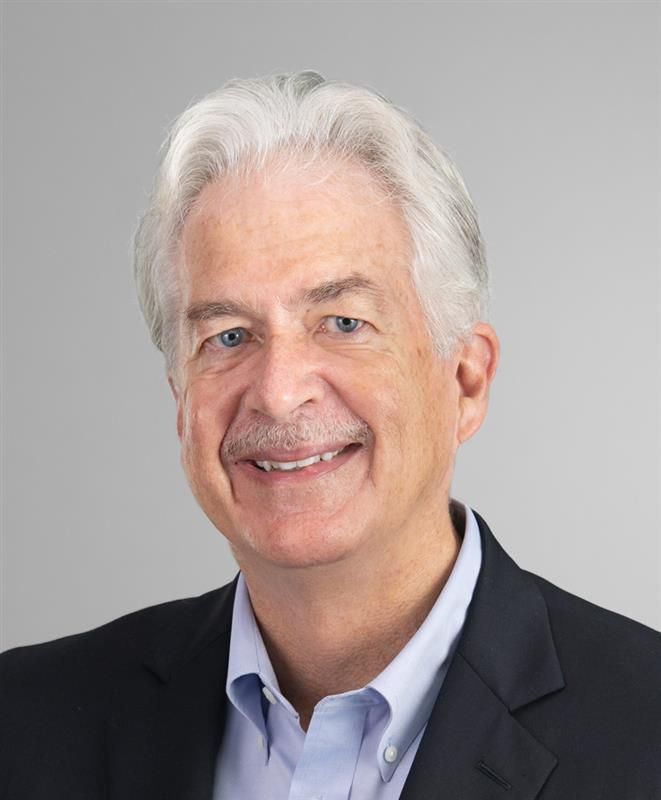
Former Carnegie President (2015-2021)
A former career diplomat, William J. Burns served as director of the CIA, deputy secretary of State, and ambassador to Russia and Jordan. Burns was also president of the Carnegie Endowment for International Peace from 2015 to 2021.
Recent Work
William J. Burns, Michael Chertoff, Catherine Ashton, …
William J. Burns
Carnegie does not take institutional positions on public policy issues; the views represented herein are those of the author(s) and do not necessarily reflect the views of Carnegie, its staff, or its trustees.

Putin’s conservative staffing policies and search for ever greater control have cemented parliament’s transformation into a bureaucratic appendage of the executive branch.

Andrey Pertsev

Without a ceasefire with Ukraine on attacking each other’s energy infrastructure—to which the Kremlin is unlikely to agree—the diesel agreement between Putin and Trump is largely for show, rather than representing a genuine increase in the volumes of Russian diesel on the global market.

Sergey Vakulenko

Ex-president Gurbanguly Berdimuhamedov remains interested in politics, but his son Serdar, Turkmenistan’s current president, is becoming increasingly independent and willing to break with his father’s legacy. If their covert rivalry goes too far, both risk losing power.

Galiya Ibragimova

Despite a new textbook, an influx of Russian teachers and managers, and an end to the teaching of Ukrainian, the Kremlin is unlikely to have “reprogrammed” locals.

Konstantin Skorkin

Cargo traffic through Russia’s Northern Sea Route has increased because of the disruption caused by the conflict in the Middle East, the Ukraine war, and U.S.-China tensions.

Mikhail Korostikov