• Research
  • Politika
  • About
Carnegie Russia Eurasia center logoCarnegie lettermark logo
  • Donate
{
  "authors": [
    "Togzhan Kassenova",
    "Lucas Perez Florentino",
    "Matias Spektor"
  ],
  "type": "other",
  "centerAffiliationAll": "dc",
  "centers": [
    "Carnegie Endowment for International Peace"
  ],
  "collections": [],
  "englishNewsletterAll": "ctw",
  "nonEnglishNewsletterAll": "",
  "primaryCenter": "Carnegie Endowment for International Peace",
  "programAffiliation": "NPP",
  "programs": [
    "Nuclear Policy"
  ],
  "projects": [],
  "regions": [
    "North America",
    "South America"
  ],
  "topics": [
    "Nuclear Policy",
    "Nuclear Energy"
  ]
}

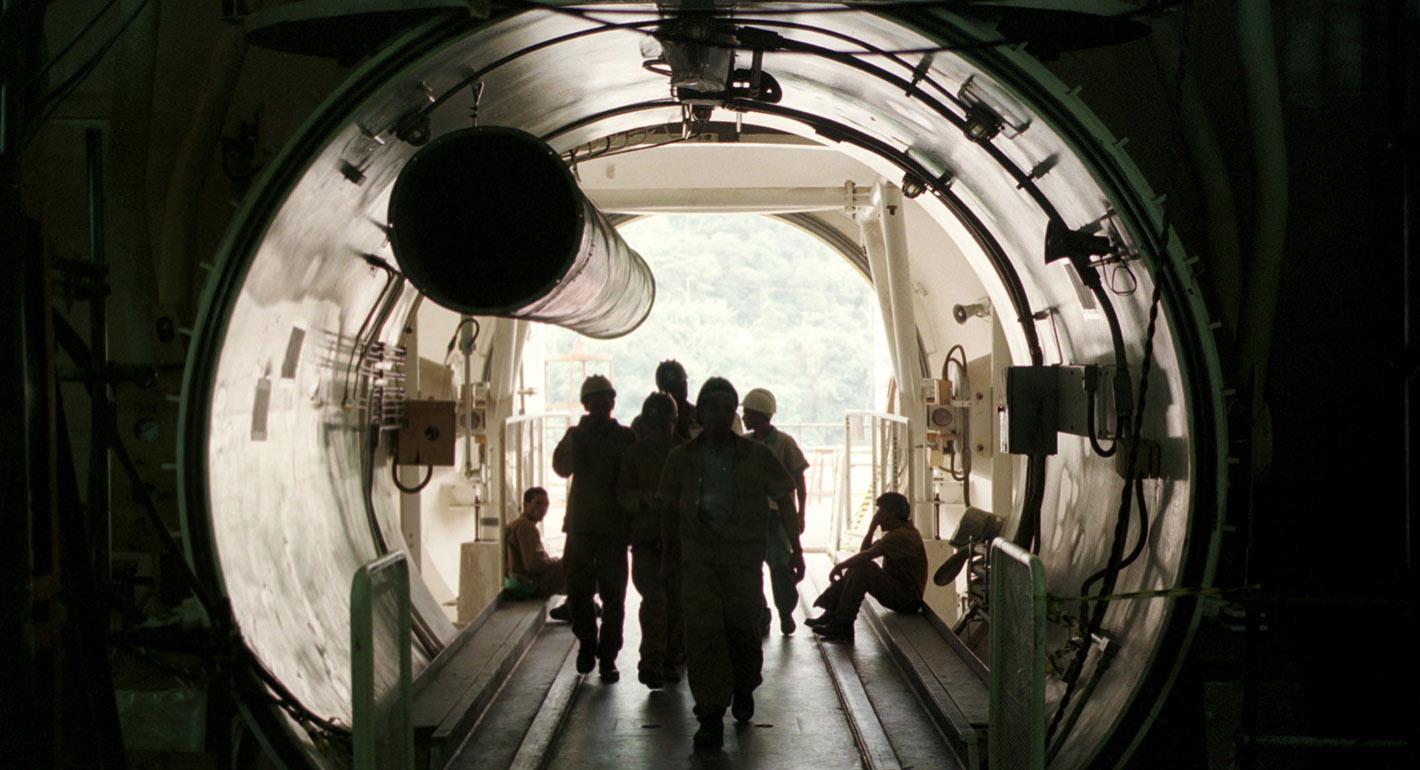
Source: Getty

Other

Prospects for Nuclear Governance in Brazil

Brazil’s nuclear policy is at a critical juncture. Efforts to reform the sector’s governance will have serious implications for nuclear safety and security, the private sector, civilian-military relations, policy accountability, and the future prospects of Brazil’s nuclear capabilities.

Link Copied
By Togzhan Kassenova, Lucas Perez Florentino, Matias Spektor
Published on Mar 10, 2020

Source: FGV School of International Relations

Brazil’s nuclear policy is at a critical juncture. As existing capabilities expand, successive administrations have in recent years engaged in a multi-stakeholder process to reform the rules and institutions governing the sector. The outcome will have serious implications for nuclear safety and security, the private sector, civilian-military relations, policy accountability, and the future prospects of Brazil’s nuclear capabilities. This is the first attempt to our knowledge to systematically and independently assess the status of these profound transformations, through in-depth consultations across the board.

Read Full Text

The full report was originally published by the FGV School of International Relations. 

About the Authors

Togzhan Kassenova
Togzhan Kassenova

Nonresident Fellow, Nuclear Policy Program

Kassenova is a nonresident fellow in the Nuclear Policy Program at the Carnegie Endowment.

Lucas Perez Florentino

Matias Spektor

Former Nonresident Scholar, Sustainability, Climate, and Geopolitics Program

Matias Spektor was a nonresident scholar affiliated with the Sustainability, Climate, and Geopolitics Program at the Carnegie Endowment for International Peace.

Authors

Togzhan Kassenova
Nonresident Fellow, Nuclear Policy Program
Togzhan Kassenova
Lucas Perez Florentino
Matias Spektor
Former Nonresident Scholar, Sustainability, Climate, and Geopolitics Program
Matias Spektor
Nuclear PolicyNuclear EnergyNorth AmericaSouth America

Carnegie does not take institutional positions on public policy issues; the views represented herein are those of the author(s) and do not necessarily reflect the views of Carnegie, its staff, or its trustees.

More Work from Carnegie Russia Eurasia Center

  • Commentary
    Carnegie Politika
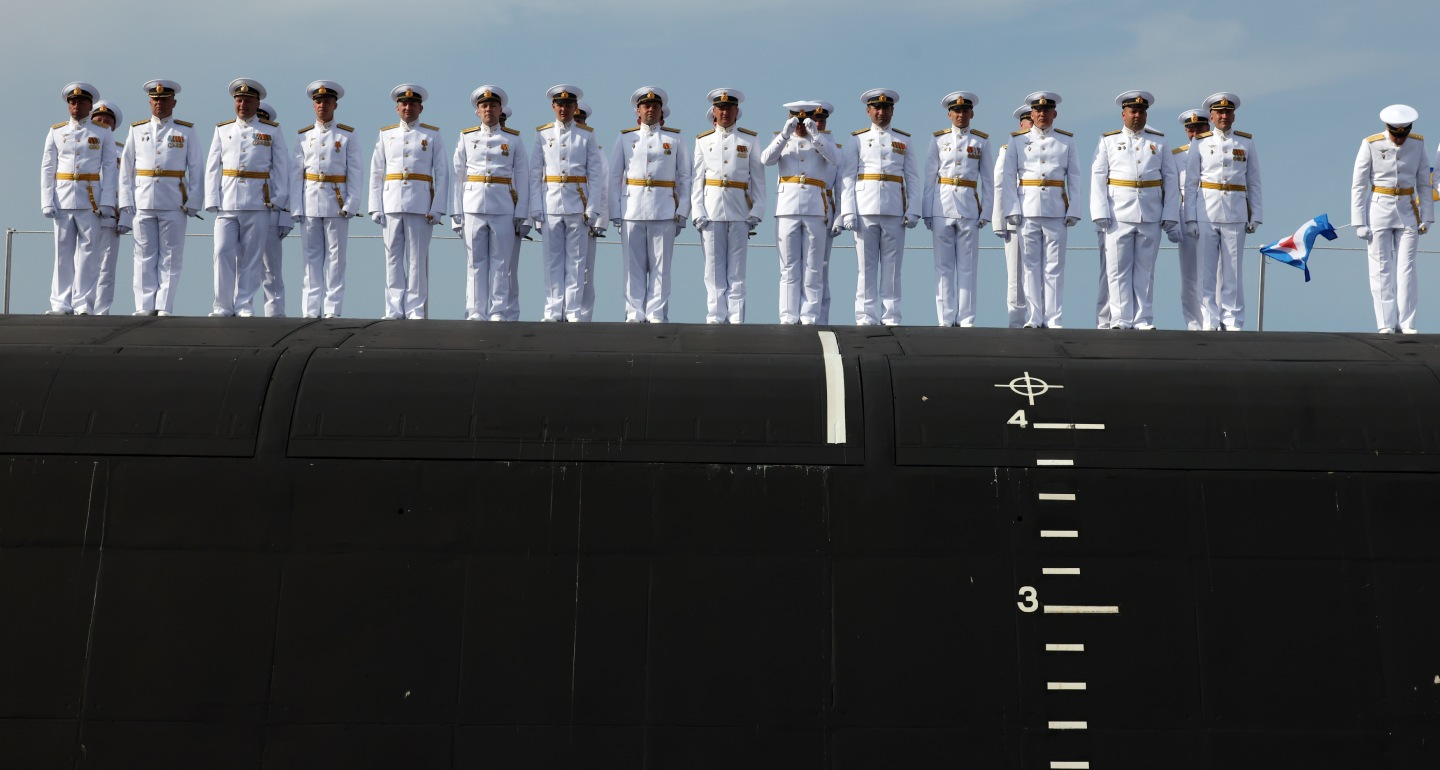
    For Putin, Increasing Russia’s Nuclear Threat Matters More Than the Triad’s Modernization

    For Putin, upgrading Russia’s nuclear forces was a secondary goal. The main aim was to gain an advantage over the West, including by strengthening the nuclear threat on all fronts. That made growth in missile arsenals and a new arms race inevitable.

      Maxim Starchak

  • Commentary
    Carnegie Politika
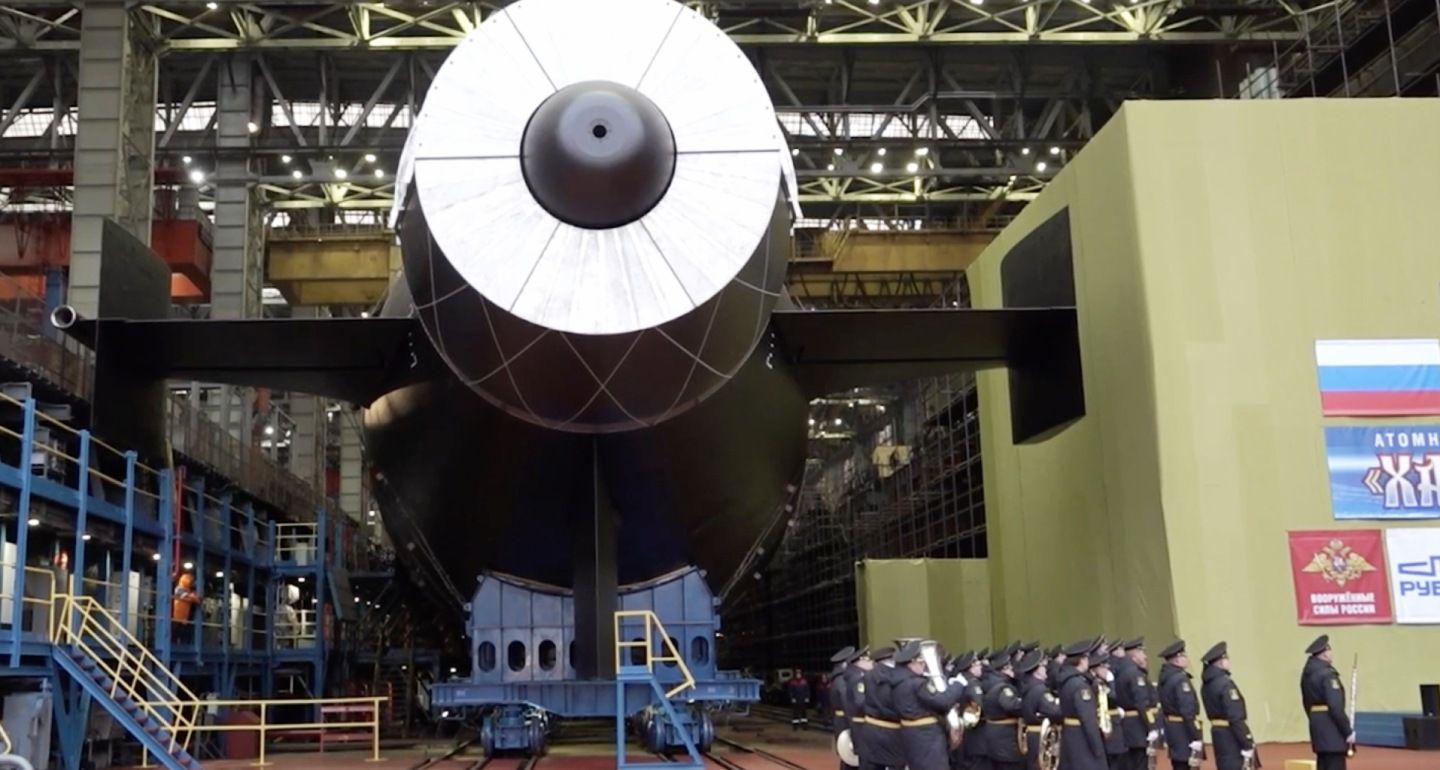
    Russia’s Latest Weapons Have Left Strategic Stability on the Brink of Collapse

    The Kremlin will only be prepared to negotiate strategic arms limitations if it is confident it can secure significant concessions from the United States. Otherwise, meaningful dialogue is unlikely, and the international system of strategic stability will continue to teeter on the brink of total collapse.

      Maxim Starchak

  • Commentary
    Carnegie Politika
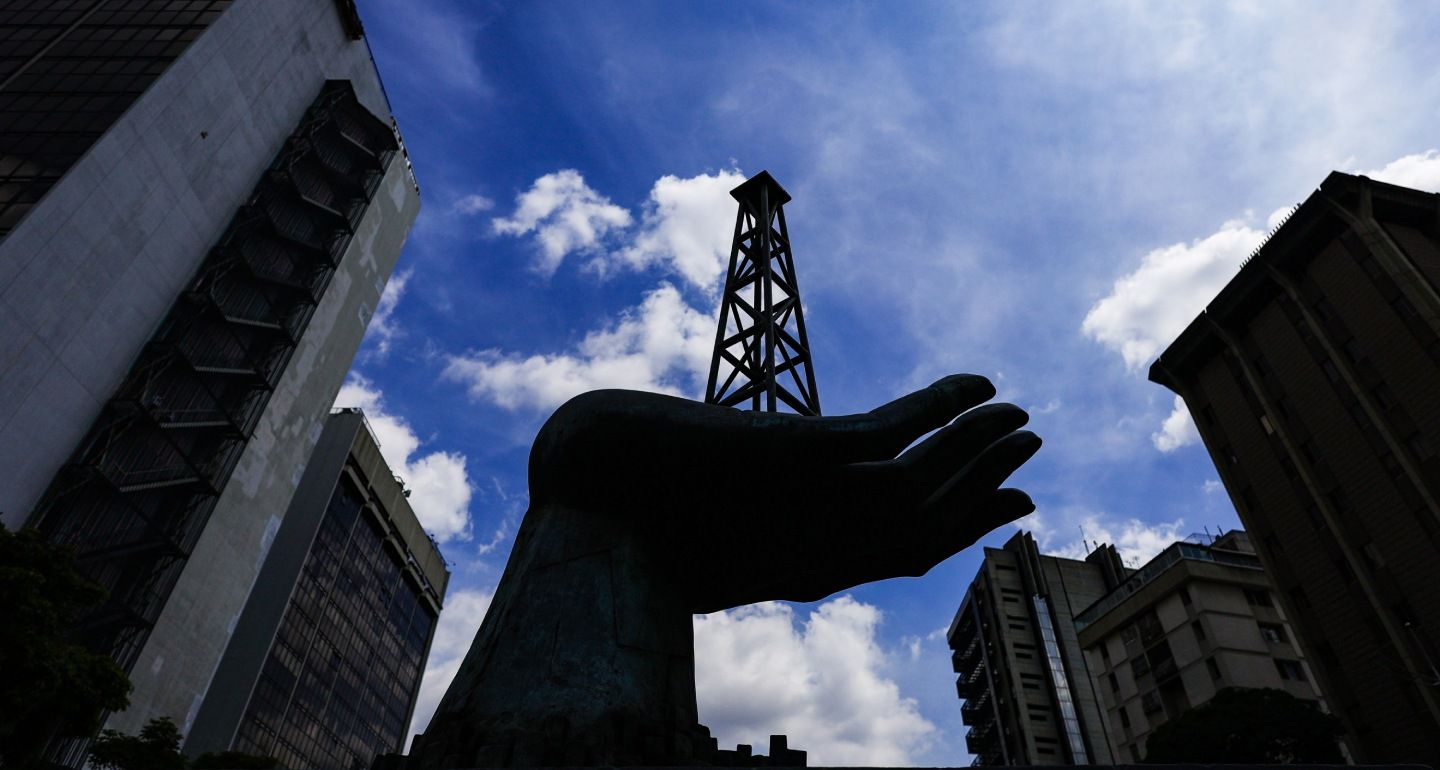
    Venezuela Is No Oil Eldorado, Despite U.S. and Russian Claims

    Geological complexity and years of mismanagement mean the Venezuelan oil industry is not the big prize officials in Moscow and Washington appear to believe.

      • Sergey Vakulenko

      Sergey Vakulenko

  • Commentary
    Carnegie Politika
    Russia-Türkiye Ties Falter Amid Stresses of Ukraine War

    Mutual suspicion between Moscow and Ankara is growing as Türkiye cozies up to Washington and NATO while reducing its dependence on Russian energy.  

      Ruslan Suleymanov

  • Commentary
    Carnegie Politika
    Iran’s Twelve-Day War Has Only Boosted Its Cooperation With Russia

    Tehran’s most urgent task is to reduce the risk of further Israeli and U.S. airstrikes. Russia’s role as a deterrent in this respect is more multifaceted than simply supplying weapons, whose real impact will only become apparent many years from now.

      Nikita Smagin

Get more news and analysis from
Carnegie Russia Eurasia Center
Carnegie Russia Eurasia logo, white
  • Research
  • Politika
  • About
  • Experts
  • Events
  • Contact
  • Privacy
  • For Media
Get more news and analysis from
Carnegie Russia Eurasia Center
© 2026 Carnegie Endowment for International Peace. All rights reserved.