

Commentary
In the discussions made possible by the State Duma election campaign, one question is being asked more and more loudly. “What next?”
Andrey Pertsev
{
  "authors": [
    "Harith Hasan",
    "Harout Akdedian"
  ],
  "type": "other",
  "centerAffiliationAll": "dc",
  "centers": [
    "Carnegie Endowment for International Peace",
    "Malcolm H. Kerr Carnegie Middle East Center"
  ],
  "collections": [],
  "englishNewsletterAll": "menaTransitions",
  "nonEnglishNewsletterAll": "",
  "primaryCenter": "Malcolm H. Kerr Carnegie Middle East Center",
  "programAffiliation": "MEP",
  "programs": [
    "Middle East"
  ],
  "projects": [],
  "regions": [
    "Levant",
    "Syria",
    "Iraq",
    "Middle East"
  ],
  "topics": [
    "Political Reform"
  ]
}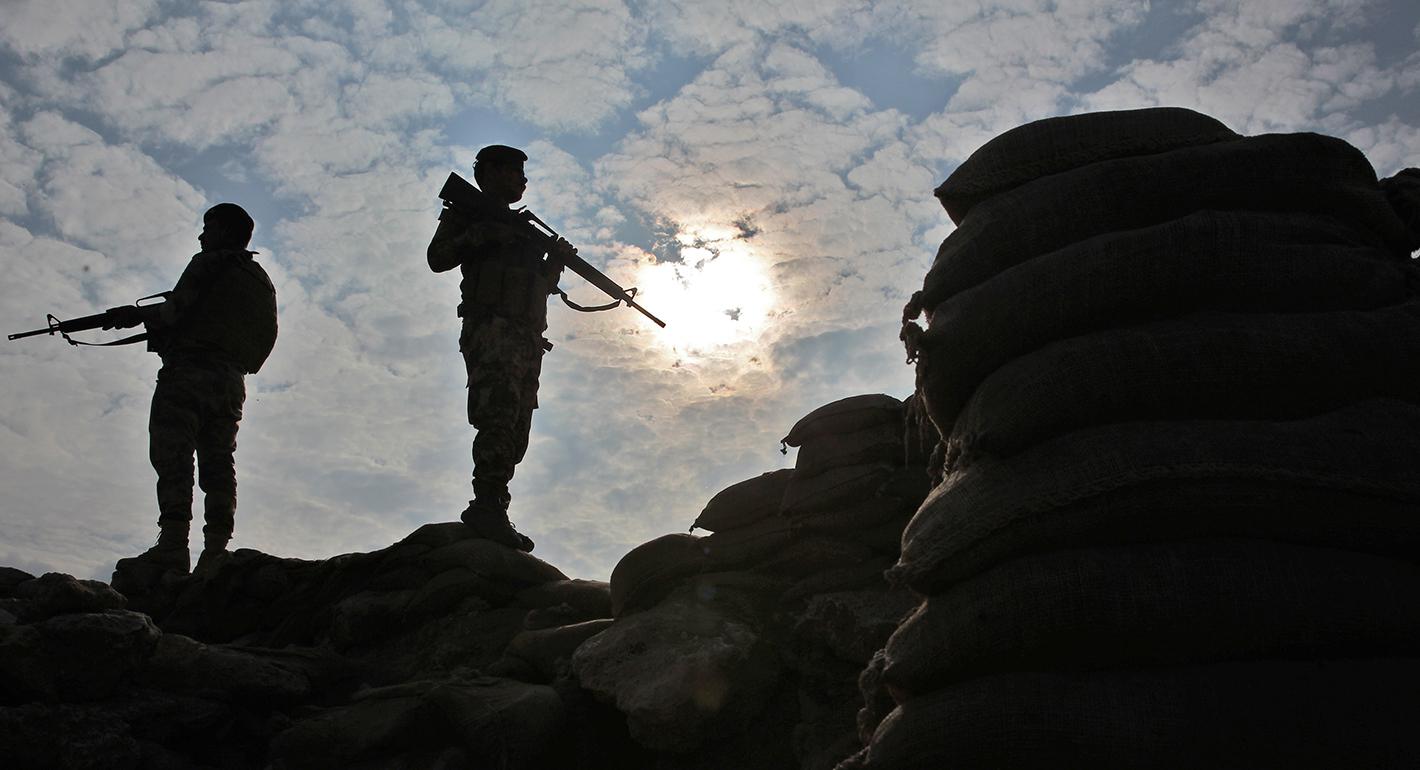
Source: Getty
Since 2011, borderlands in the MENA region transformed into considerable sites of contested power by a plethora of actors.
Source: Elsevier's Political Geography journal
Circumstances in the MENA region invite us to redirect our attention to geographic areas that emerged as primary sites of power-contest. This paper looks into emerging trends in the unraveling of bounded sovereign territoriality in borderlands by examining the contest over military, economic, and socio-political spaces in the wake of the devolution of the monopoly of violence and the rise of a multitude of new and old actors to local prominence. Since 2011, borderlands in the MENA region transformed into considerable sites of contested power by a plethora of actors. The paper points out emergent patterns of deterritorialization and reterritorialization of power in its various forms and manifestations in borderlands. The dynamics of ‘place and performance’ in the borderlands of Syria and Iraq showcase the variety of ways borders were instrumentalized under circumstances of state atrophy and their destructive tendencies for borderlands.
This paper was originally published in Elsevier's Political Geography journal.

Associate researcher at the Arab Center for Research and Policy Studies.
Harith Hasan is an associate researcher at the Arab Center for Research and Policy Studies.
Harout Akdedian
Carnegie does not take institutional positions on public policy issues; the views represented herein are those of the author(s) and do not necessarily reflect the views of Carnegie, its staff, or its trustees.
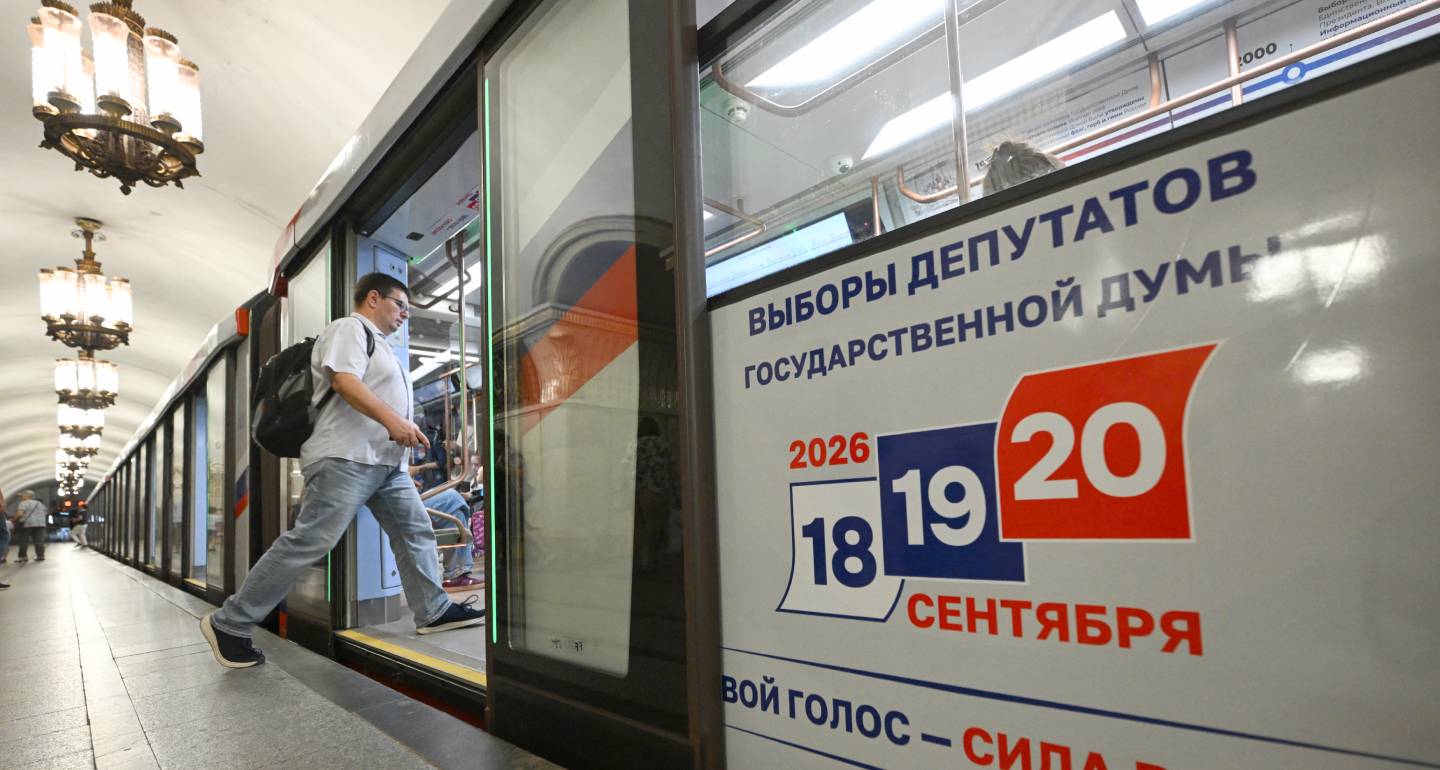
In the discussions made possible by the State Duma election campaign, one question is being asked more and more loudly. “What next?”

Andrey Pertsev
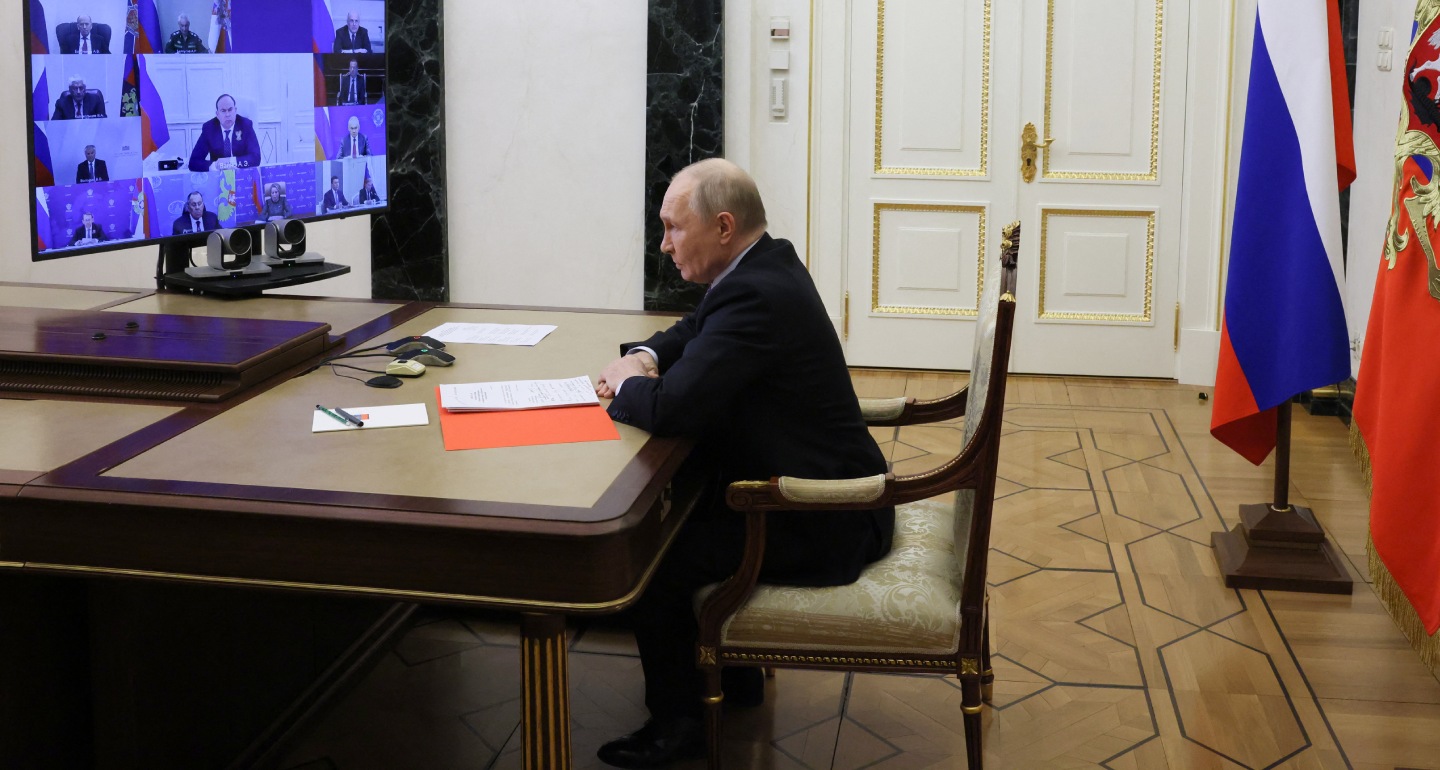
Two divergent trends—Putin’s hardline vision of how to prosecute the war in Ukraine, and a growing desire for change in Russia—could tear the regime apart.

Tatiana Stanovaya
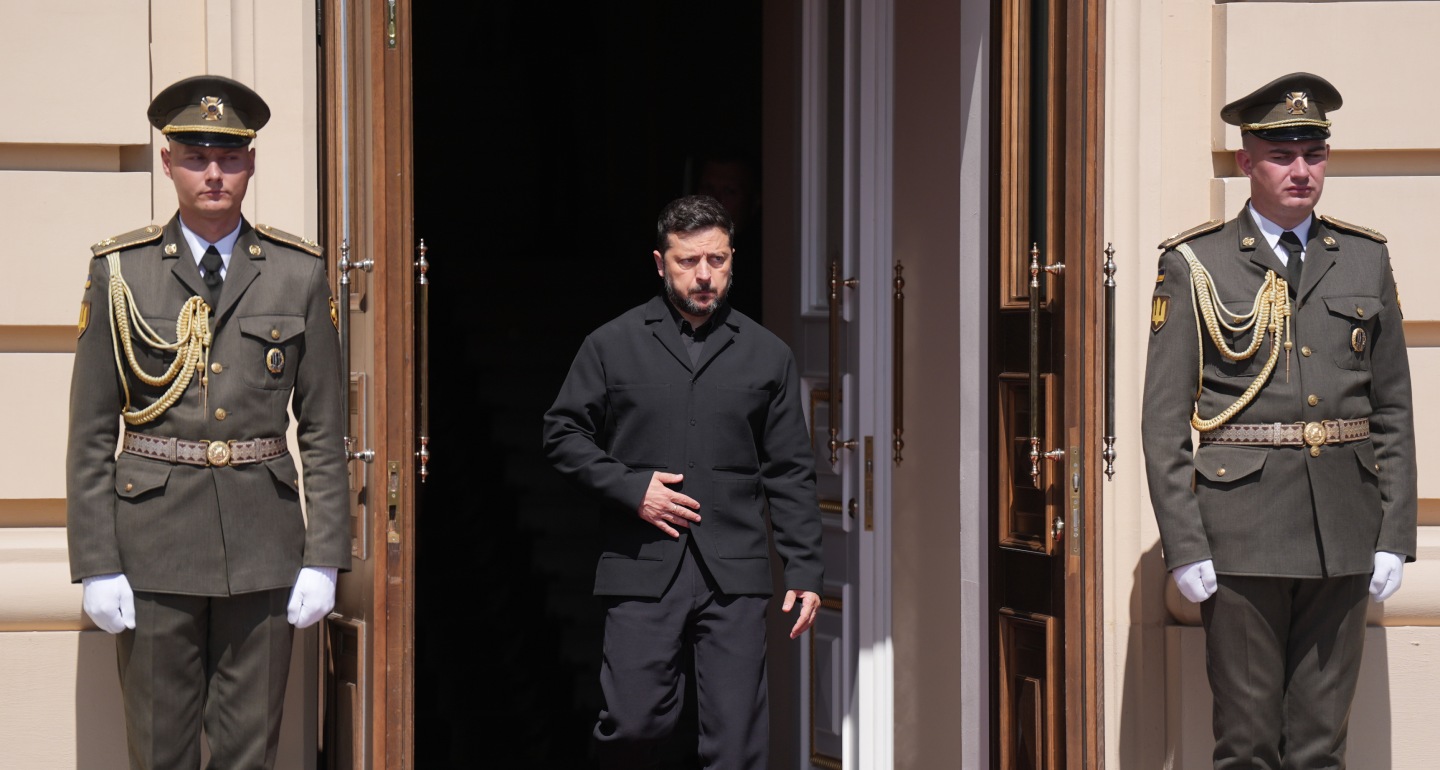
Ultimately, Zelensky sided neither with the reform camp nor with the military establishment as such, but with political control.

Balázs Jarábik
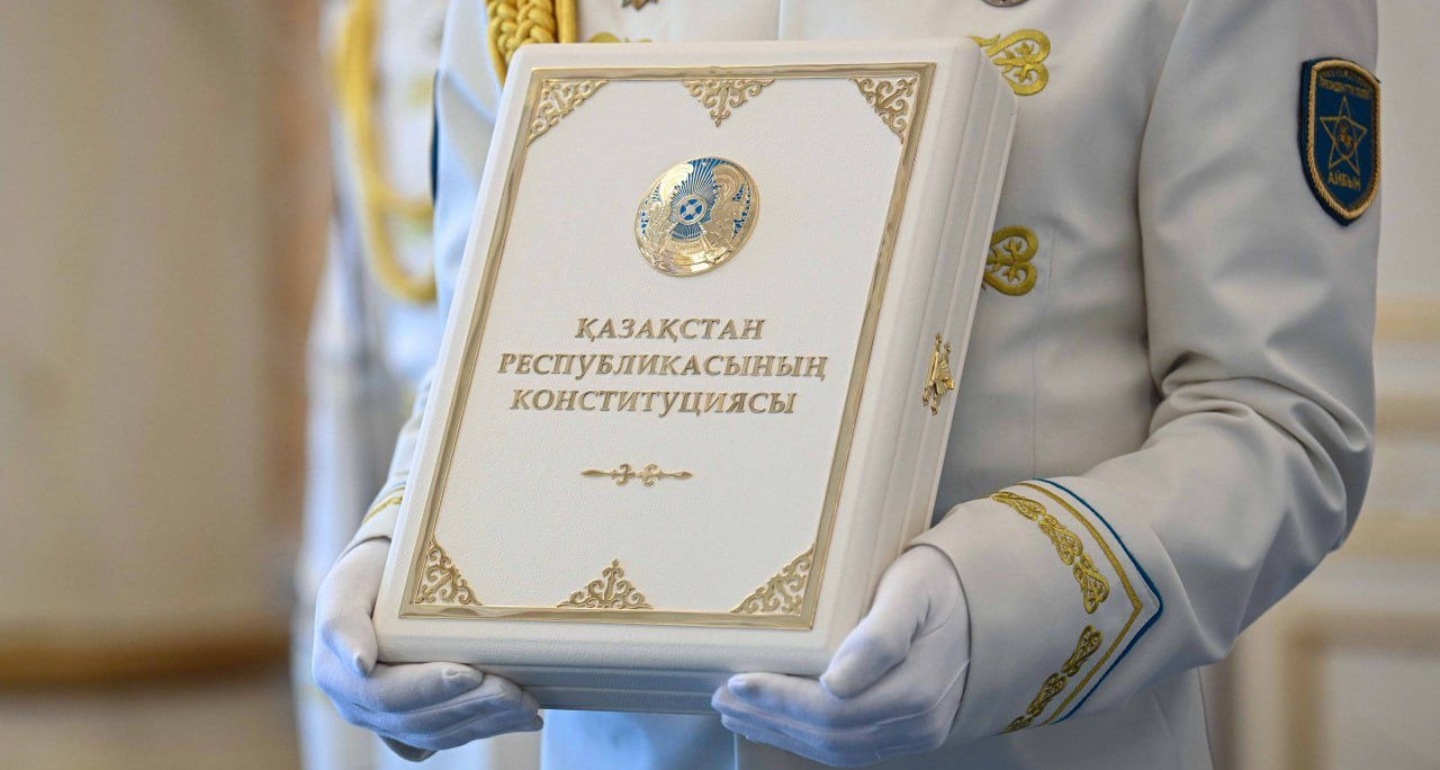
Tokayev’s predecessor, Nursultan Nazarbayev, outlined arrangements for a power transition too soon and in too much detail, ultimately losing control over the process. Tokayev is determined not to meet the same fate.

Temur Umarov

Despite unhappiness on the ground, Moscow is determined to use both carrot and stick to ensure there is record support for United Russia in occupied Ukraine.

Konstantin Skorkin