

Commentary
Cargo traffic through Russia’s Northern Sea Route has increased because of the disruption caused by the conflict in the Middle East, the Ukraine war, and U.S.-China tensions.
Mikhail Korostikov
{
  "authors": [
    "Christopher Hill"
  ],
  "type": "legacyinthemedia",
  "centerAffiliationAll": "dc",
  "centers": [
    "Carnegie Endowment for International Peace"
  ],
  "collections": [],
  "englishNewsletterAll": "asia",
  "nonEnglishNewsletterAll": "",
  "primaryCenter": "Carnegie Endowment for International Peace",
  "programAffiliation": "AP",
  "programs": [
    "Asia"
  ],
  "projects": [],
  "regions": [
    "North America",
    "United States",
    "East Asia",
    "China"
  ],
  "topics": [
    "Foreign Policy",
    "Global Governance"
  ]
}
Source: Getty
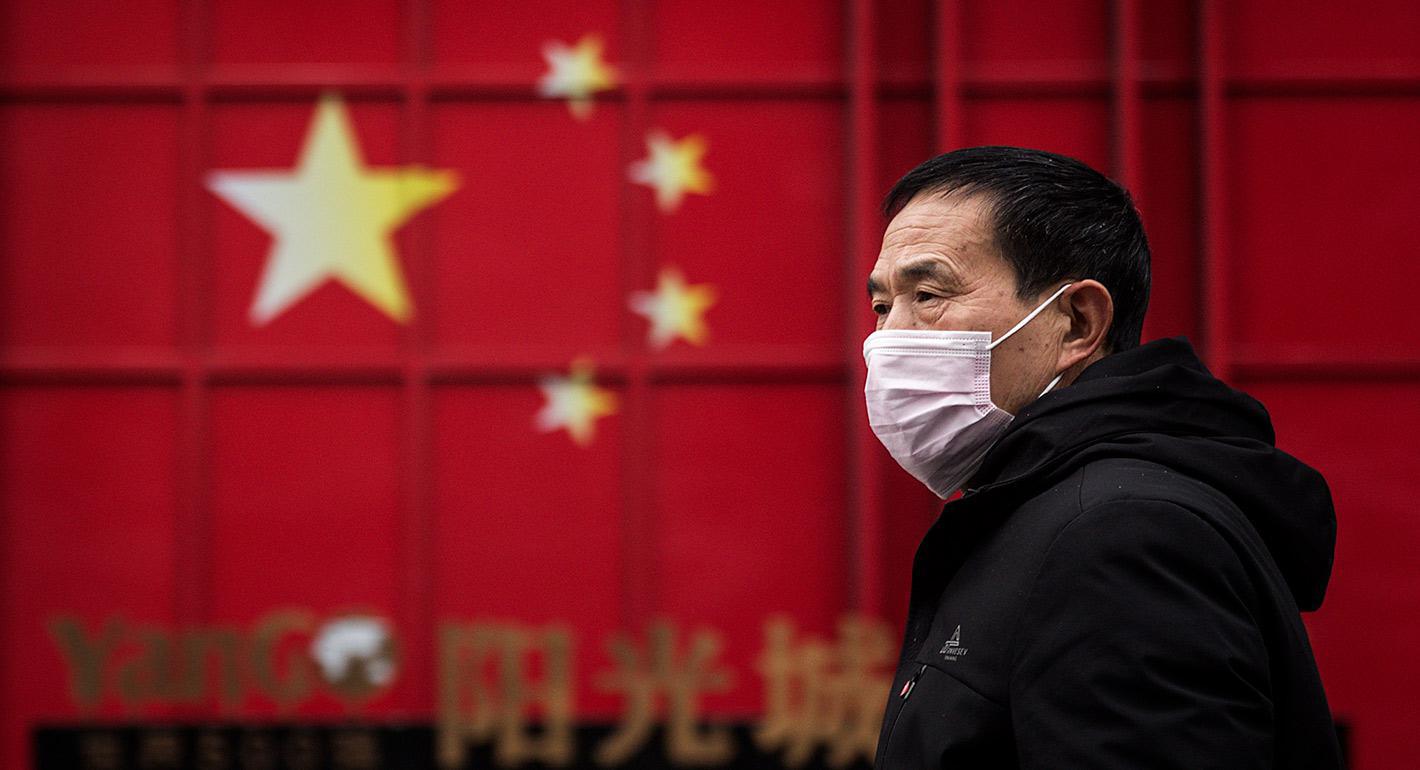
In any crisis, even in the midst of a pandemic, there is a moment where everybody might benefit from taking a deep breath and thinking clearly about the way forward.
Source: Hill
China’s foreign ministry — not unlike the U.S. State Department’s own checkered reputation in the United States — has a reputation among some in China for too often apologizing to foreign government positions and, in these fraught times, for committing the crime of excessive reasonableness. The foreign ministry’s strategy for mitigating such accusations, not surprisingly, is to employ a spokesperson who can protect the ministry from such critics, and demonstrate that the foreign ministry is not full of apologists as it is often accused, but rather is one that can fight back, and fight back hard. Enter foreign ministry spokesperson Zhao Lijian.
On March 11, a lightyear ago in coronavirus time, Zhao Lijian tweeted that “it might be the US army” that brought the disease to China, an accusation that had been making its way across China’s very active blogosphere where just about anything goes, provided it doesn’t include criticism of the Beijing government.
Former Nonresident Senior Fellow, Asia Program
Ambassador Christopher Robert Hill is currently an adjunct professor at Columbia SIPA. He is a former career diplomat, a four-time ambassador, nominated by three presidents, whose last post was as ambassador to Iraq.
Carnegie does not take institutional positions on public policy issues; the views represented herein are those of the author(s) and do not necessarily reflect the views of Carnegie, its staff, or its trustees.

Cargo traffic through Russia’s Northern Sea Route has increased because of the disruption caused by the conflict in the Middle East, the Ukraine war, and U.S.-China tensions.

Mikhail Korostikov

Trump has promised Belarus a massive potash deal. But Minsk is seeking something greater: restored Western transit and greater room for maneuver from Russia.

Balázs Jarábik

Minsk clearly expected the dialogue with Washington to yield more results, in particular the lifting of EU sanctions and permission to export potash.

Artyom Shraibman

With the growth in points of friction between the great powers, organizations like the SCO will continue to play a role in the strategic adaptation of the smaller powers caught between them.

Temur Umarov

When faced with fuel shortages in the past, Central Asian governments could always count on additional supplies from Moscow. That safety net no longer exists.

Galiya Ibragimova