

Commentary
Despite unhappiness on the ground, Moscow is determined to use both carrot and stick to ensure there is record support for United Russia in occupied Ukraine.
Konstantin Skorkin
{
  "authors": [
    "Zaha Hassan",
    "Hallaamal Keir"
  ],
  "type": "other",
  "centerAffiliationAll": "dc",
  "centers": [
    "Carnegie Endowment for International Peace",
    "Malcolm H. Kerr Carnegie Middle East Center"
  ],
  "collections": [
    "Coronavirus"
  ],
  "englishNewsletterAll": "menaTransitions",
  "nonEnglishNewsletterAll": "",
  "primaryCenter": "Carnegie Endowment for International Peace",
  "programAffiliation": "MEP",
  "programs": [
    "Middle East"
  ],
  "projects": [],
  "regions": [
    "North America",
    "United States",
    "Middle East",
    "Israel",
    "Palestine",
    "Levant"
  ],
  "topics": [
    "Political Reform",
    "Democracy",
    "Foreign Policy"
  ]
}
Source: Getty
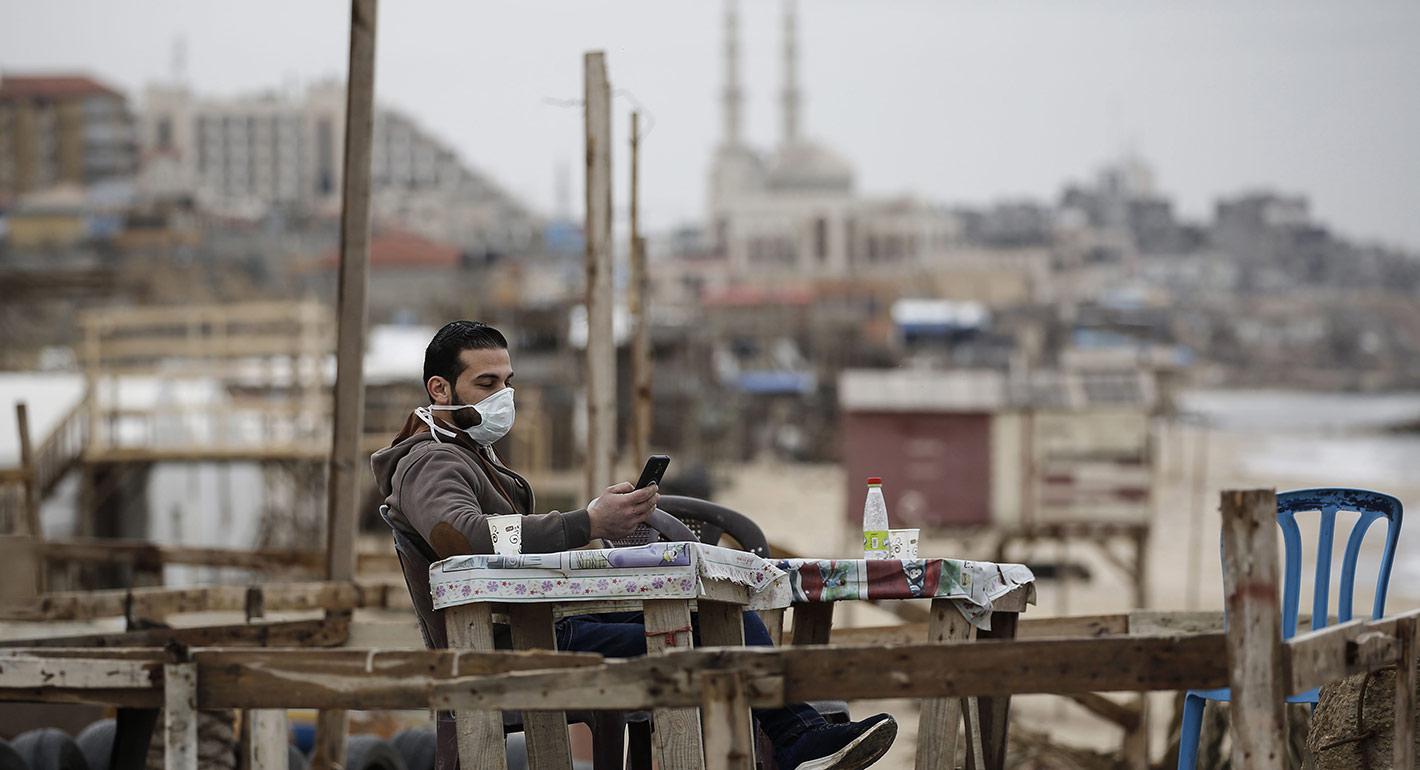
The Gaza Strip faces a confluence of poor conditions allowing for rapid coronavirus spread. The United States must help prevent a worsened humanitarian catastrophe.
The two million Palestinians living in the Gaza Strip face insurmountable obstacles in attempting to prevent the novel coronavirus from spreading throughout the isolated enclave. Israel’s continued siege and blockade severely limits their ability to test for the virus and provide healthcare to those who become infected. Now with reports of the first two cases of the virus in Gaza this week, time is running out for Palestinian and Israeli authorities to prevent a catastrophe. The United States has an important role to play, leveraging its relationship with Israel to ensure that Gaza is able to respond to the pandemic.
Israel’s thirteen-year blockade and siege of Gaza decimated healthcare infrastructure and severely restricted access to health services. Suffocating under Israeli restrictions, Gaza’s failing economy has left healthcare systems in Gaza understaffed due to emigration of skilled doctors and subsequent restrictions on movement for health care workers. Such challenges are further compounded by Israeli-imposed customs limitations and its extensive “dual-use” list, which imposes broad restrictions on material imports because their potential military purposes, including those necessary for health care like nuclear scanning technology or materials used in prostheses. With inconsistent access to medical supplies and inadequate staffing, many patients are forced to seek healthcare elsewhere, which is contingent upon receiving an unlikely permit from Israel—in 2018, almost ⅖ of those permit applications were denied. With healthcare infrastructure that is thoroughly unprepared and unequipped to deal with a pandemic and restrictions preventing treatment elsewhere, an outbreak of the coronavirus will be disastrous for Palestinians in Gaza.
Refugees in Gaza, which make up 70 percent of Gaza’s population, face an added challenge: they rely on the United Nations Relief and Works Agency for Palestinian Refugees in the Near East (UNRWA) to provide primary care and screening for coronavirus. UNRWA has struggled to meet patient needs for years amid funding shortfalls and cuts in U.S. contributions to the agency under the administration of U.S. President Donald Trump. Those cuts have meant a loss of almost a third of its budget. UNRWA already halted food distribution temporarily in Gaza in an attempt to take the necessary precautions against the virus, but its ability to respond to the pandemic will depend on the success of a $14 million flash appeal for funding. Palestinians in densely populated Gaza are at a high risk for both contracting and transmitting the virus. The lack of access to clean water and sanitation in Gaza and the difficulty in practicing social distancing in the close quarters of camps could rapidly increase the virus’s rate of spread.
While responsibility for healthcare provision in the occupied Palestinian territories was transferred to the Palestinian Authority under the Oslo Accords, Israel holds the overarching responsibility to ensure access to quality healthcare as the occupying power under international law. But a global pandemic demands a global response, and the United States in particular holds some responsibility for the situation in Gaza given its political and military support to Israel amounting to $3.8 billion per year. Cuts in U.S. contributions to UNRWA and to Palestinians in the occupied territories have also contributed to the crisis Palestinians are facing.
The Trump administration and U.S. Congress must act now to do the following:
Senior Fellow, Middle East Program
Zaha Hassan is a human rights lawyer and a senior fellow at the Carnegie Endowment for International Peace.
Hallaamal Keir
Former Research Analyst, Middle East Program
Hallaamal Keir was a research analyst in the Middle East Program at the Carnegie Endowment for International Peace.
Carnegie does not take institutional positions on public policy issues; the views represented herein are those of the author(s) and do not necessarily reflect the views of Carnegie, its staff, or its trustees.

Despite unhappiness on the ground, Moscow is determined to use both carrot and stick to ensure there is record support for United Russia in occupied Ukraine.

Konstantin Skorkin

Whether PAS can refocus on the unfinished business of state-building may ultimately prove more consequential for Moldova’s European future than the pace of its accession negotiations.

Balázs Jarábik
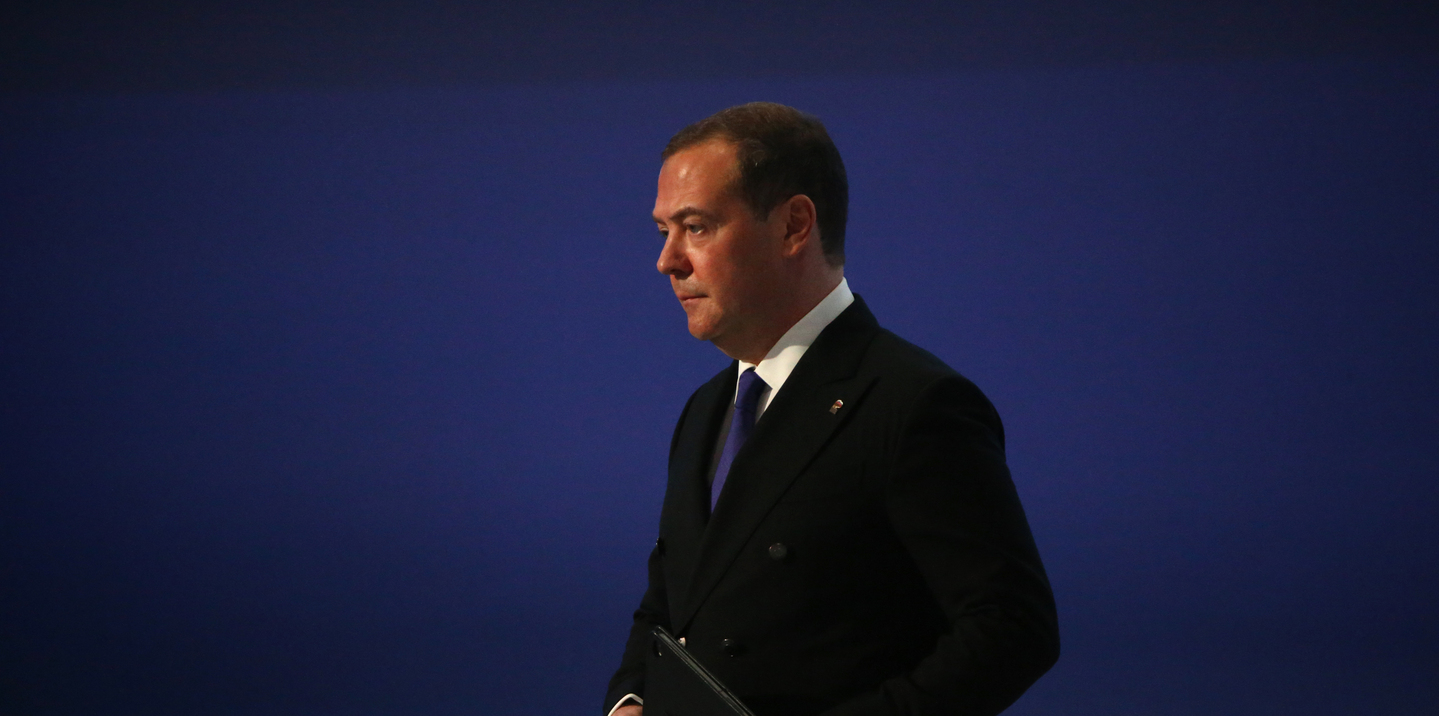
Medvedev’s defeat in the battle for the position of speaker appears to signal that the long process of his marginalization in Russian politics has passed the point of no return.

Andrey Pertsev
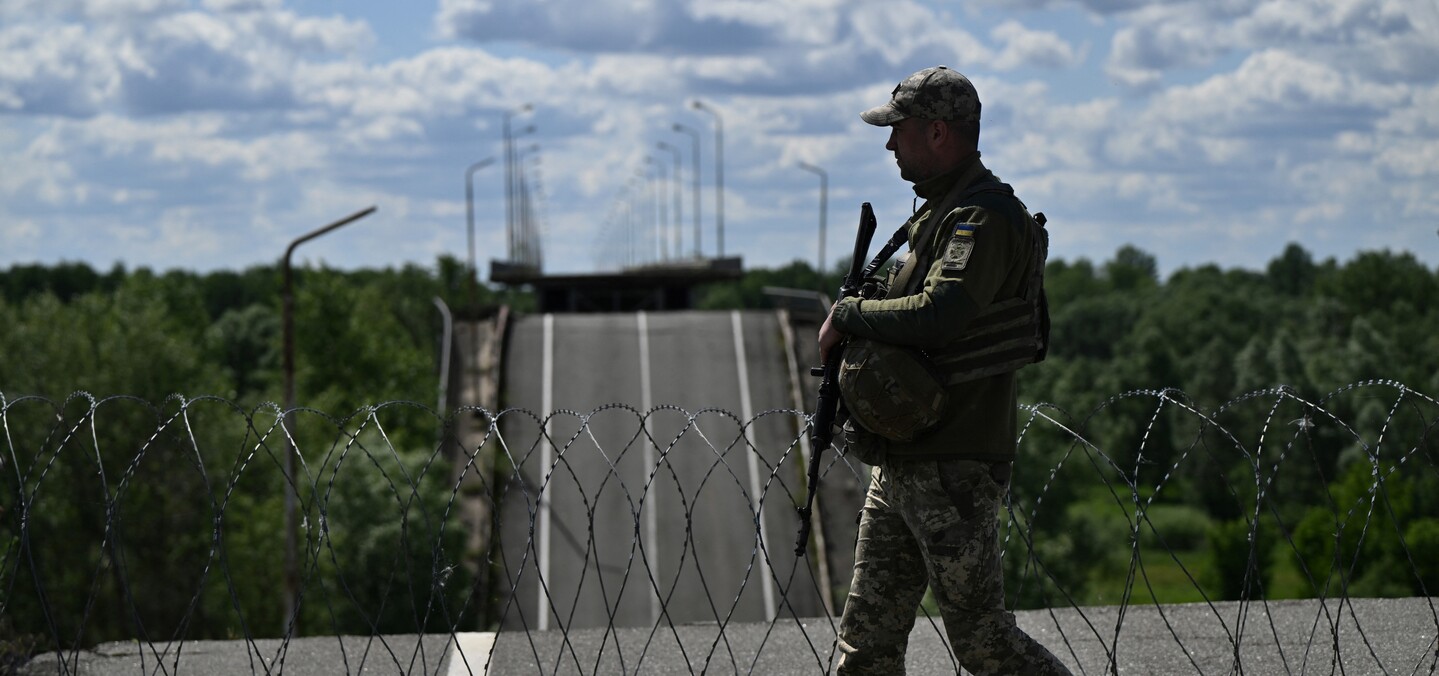
The recent damage inflicted by Ukrainian drones and missiles on Russia has made Belarus aware of its own vulnerabilities—and surprisingly amenable to Kyiv’s demands.

Artyom Shraibman
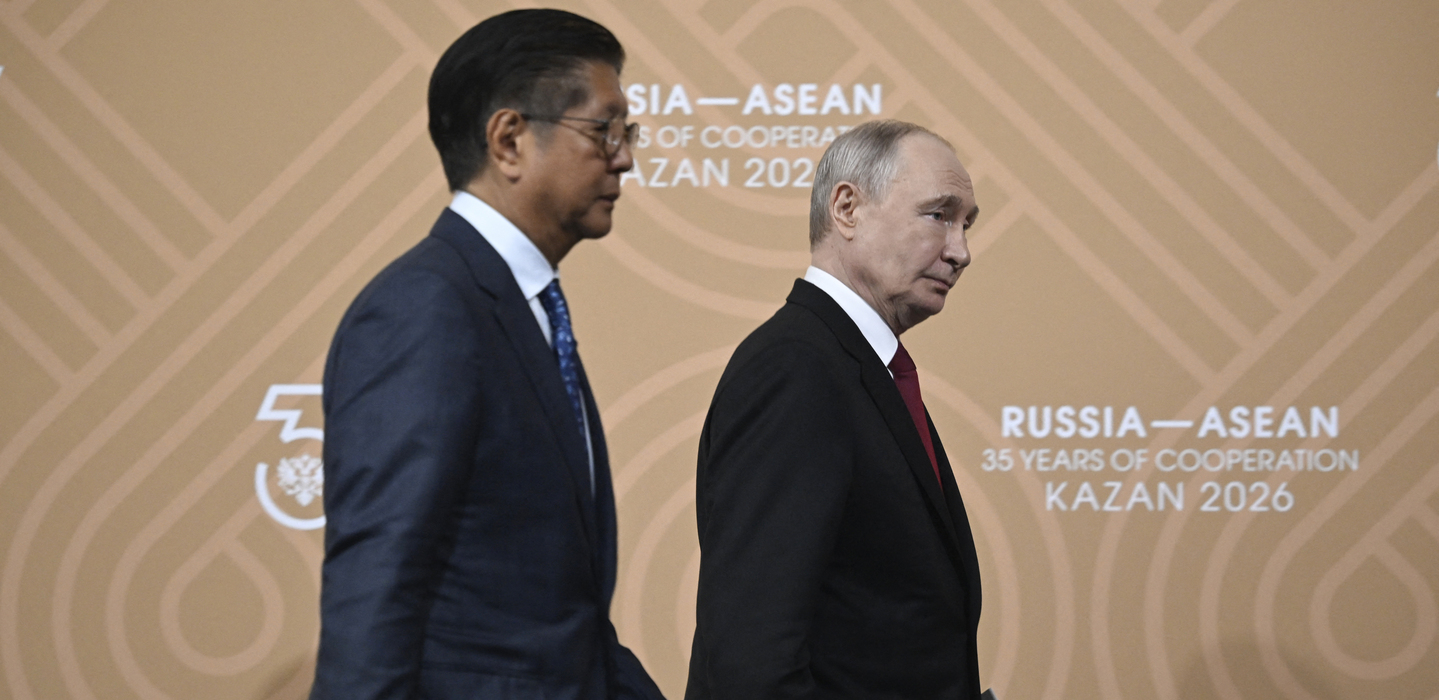
Russia looks set to reap economic benefits from closer ties with Southeast Asian countries that are keen to find reliable energy suppliers and diversify trade ties.

Alexander Gabuev