

Research
- +16
Stewart Patrick, Erica Hogan, Oliver Stuenkel, …
{
  "authors": [
    "Trinh Nguyen"
  ],
  "type": "legacyinthemedia",
  "centerAffiliationAll": "dc",
  "centers": [
    "Carnegie Endowment for International Peace"
  ],
  "collections": [],
  "englishNewsletterAll": "asia",
  "nonEnglishNewsletterAll": "",
  "primaryCenter": "Carnegie Endowment for International Peace",
  "programAffiliation": "AP",
  "programs": [
    "Asia"
  ],
  "projects": [],
  "regions": [],
  "topics": [
    "Political Reform",
    "Economy",
    "Trade",
    "Foreign Policy",
    "Civil Society"
  ]
}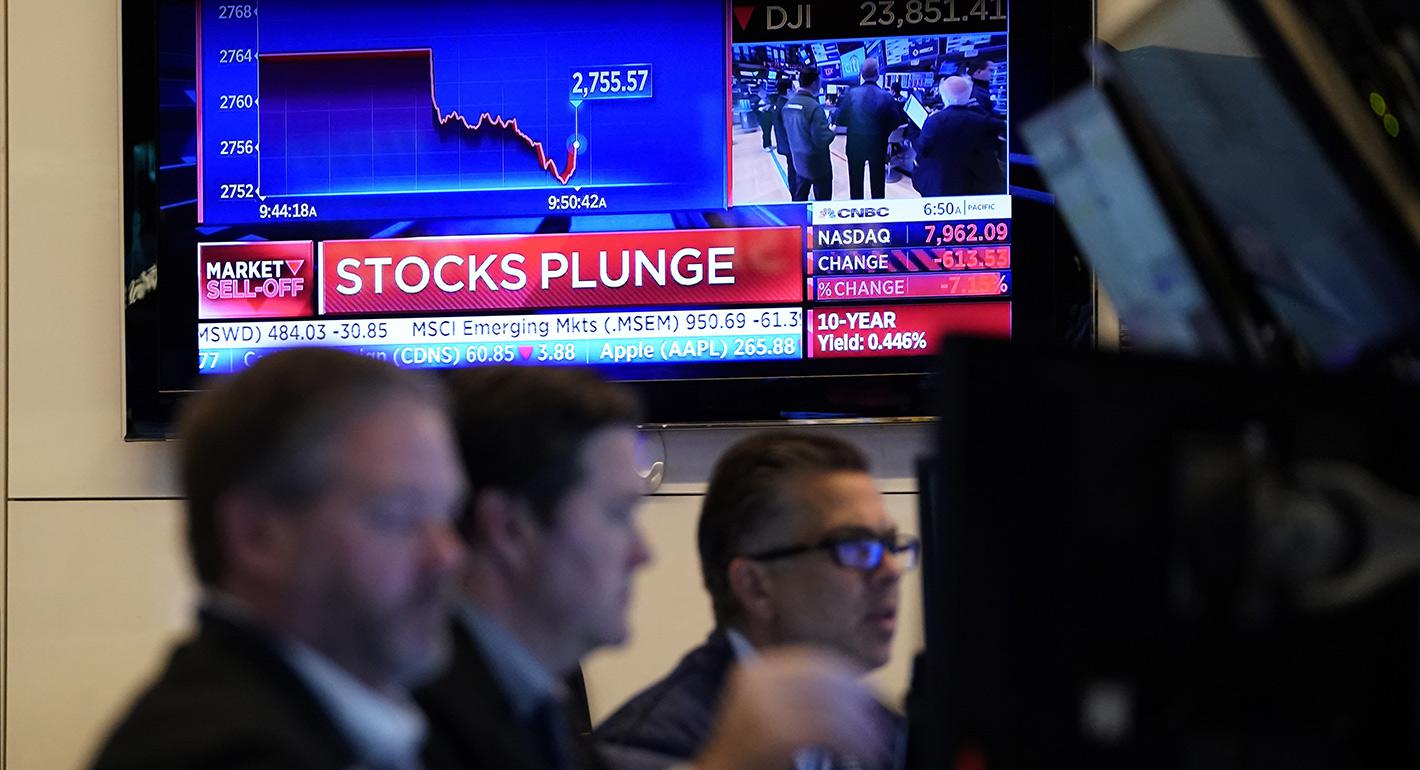
Source: Getty
The global economy is on extended sick leave and central banks’ actions have failed to contain the contagion.
Source: Financial Times
The global economy is on extended sick leave and central banks’ actions so far have failed to contain the contagion. Despite aggressive measures to provide liquidity to markets, big central banks — from the US Federal Reserve and the European Central Bank to the Bank of Japan and the Reserve Bank of Australia — have not managed to stop big falls in asset prices or to shore up investors’ confidence. In the process, they have exposed three fundamental limitations of monetary policy.

Former Nonresident Scholar, Asia Program
Trinh Nguyen was a nonresident scholar in the Asia Program at the Carnegie Endowment for International Peace.
Recent Work

Stewart Patrick, Erica Hogan, Oliver Stuenkel, …
Trinh Nguyen
Carnegie does not take institutional positions on public policy issues; the views represented herein are those of the author(s) and do not necessarily reflect the views of Carnegie, its staff, or its trustees.

In the tenth year of his presidency, President Mirziyoyev’s system is becoming even more personalized than that of his predecessor Karimov.

Galiya Ibragimova

With the growth in points of friction between the great powers, organizations like the SCO will continue to play a role in the strategic adaptation of the smaller powers caught between them.

Temur Umarov
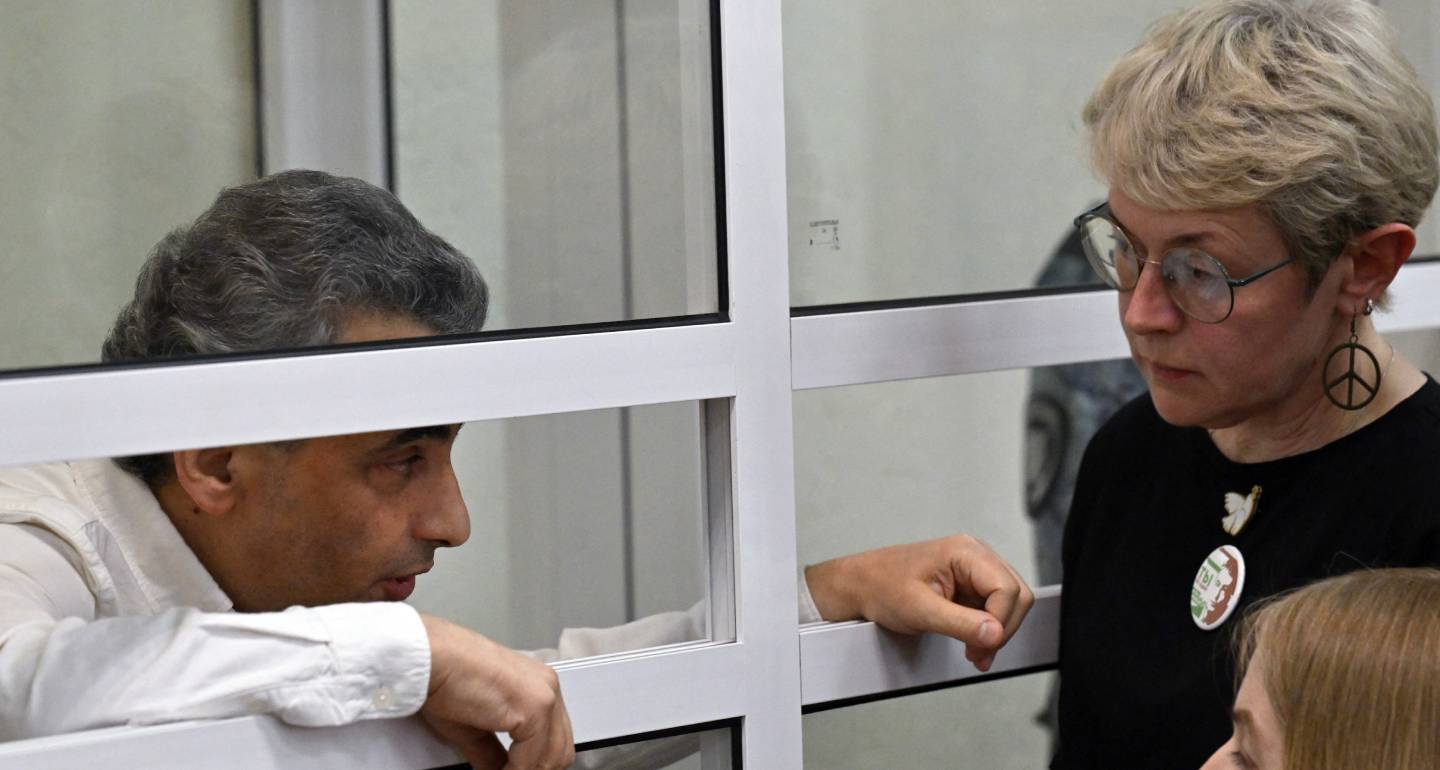
A regime founded on force, coercion, and repression does not want its propaganda, with all its flaws of logic, omissions, and outright lies, to be competing with the most simple of all messages: Thou shalt not kill.

Leonid Bershidsky
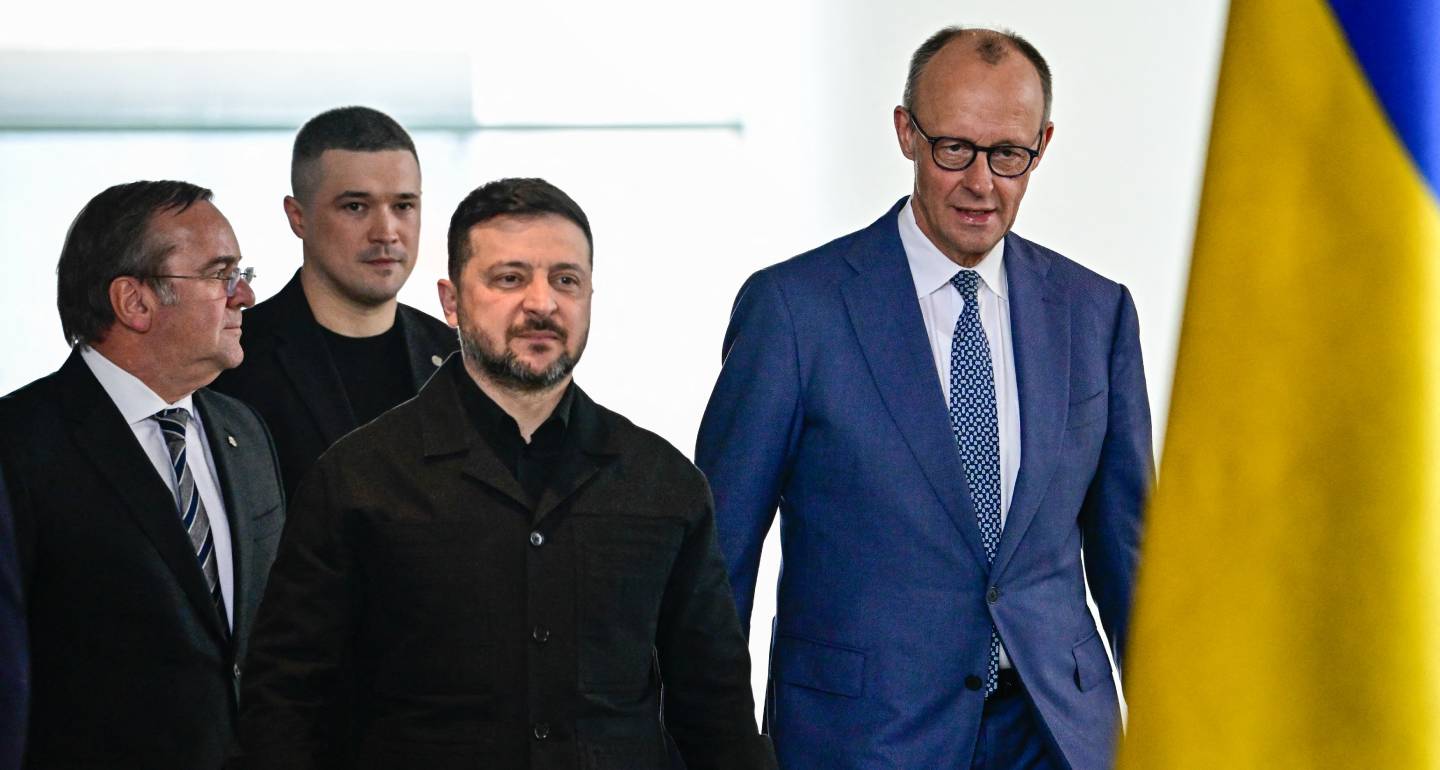
The greater threat to Zelensky comes not from Fedorov alone, but from the convergence between the former defense minister’s political campaign and the anti-corruption investigations moving ever closer to the presidential administration.

Balázs Jarábik
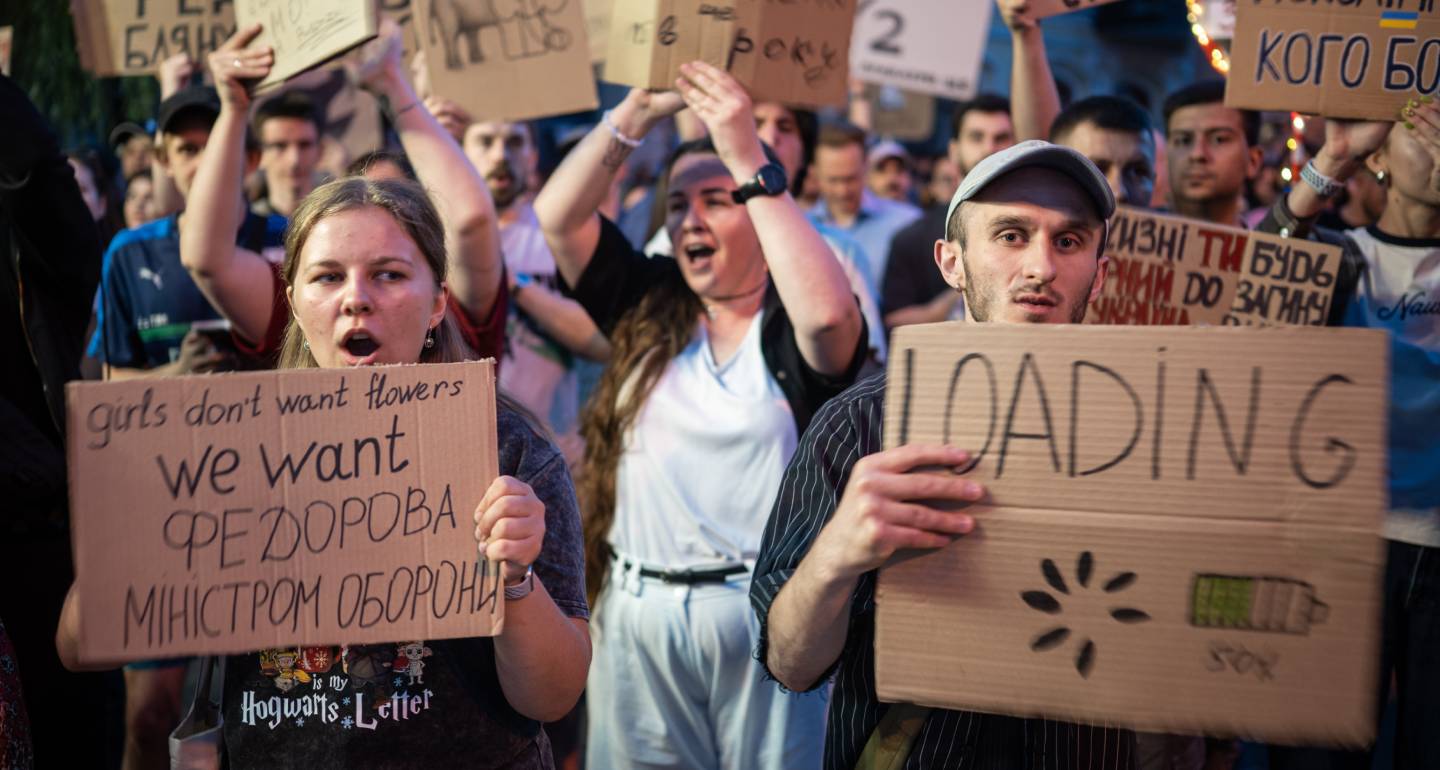
With his public call for new elections in Ukraine, ex-defense minister Mykhailo Fedorov has opened Pandora’s box.

Konstantin Skorkin