

Commentary
This year’s wars have made alternative routes to transit through Russia no less risky for Central Asian countries.
Galiya Ibragimova
{
  "authors": [
    "Dalia Ghanem",
    "Dina Arakji"
  ],
  "type": "other",
  "centerAffiliationAll": "dc",
  "centers": [
    "Carnegie Endowment for International Peace",
    "Malcolm H. Kerr Carnegie Middle East Center"
  ],
  "collections": [
    "Civil-Military Relations in Arab States"
  ],
  "englishNewsletterAll": "menaTransitions",
  "nonEnglishNewsletterAll": "",
  "primaryCenter": "Malcolm H. Kerr Carnegie Middle East Center",
  "programAffiliation": "MEP",
  "programs": [
    "Middle East"
  ],
  "projects": [],
  "regions": [
    "Middle East",
    "North Africa"
  ],
  "topics": [
    "Political Reform",
    "Security"
  ]
}
Source: Getty
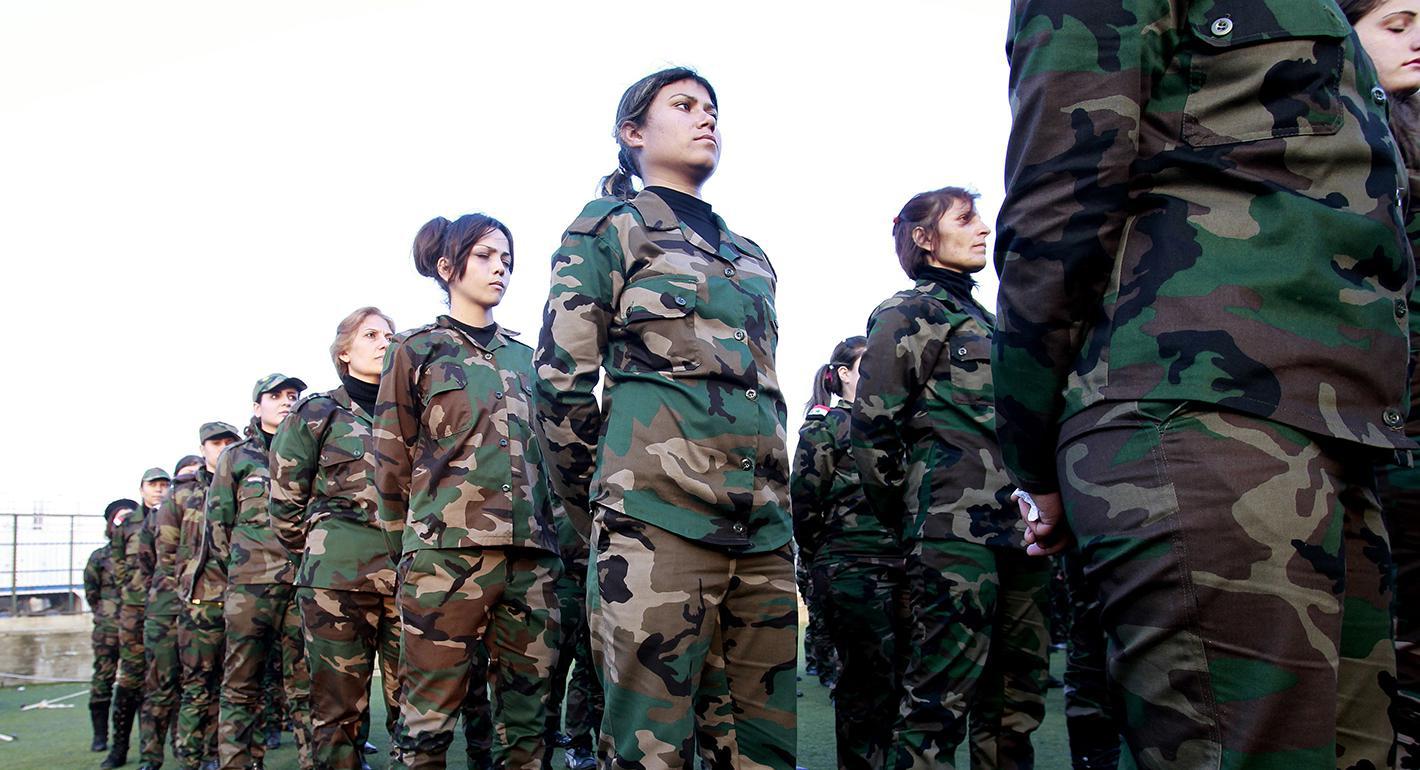
The integration of women in Arab armies has been inconsistent, slow, and socially and politically problematic. Nevertheless, this situation is gradually changing.
Source: Lebanese American University
For the last thirty years, women’s enrollment in Western armies has been intensely debated. The advocates of women’s integration in the military assert the equal right of women to serve alongside men, including in combat roles. Opponents argue that their very presence, as well as their alleged physical inferiority, undermines the esprit de corps and combat performance of what has historically been a male institution. In the midst of this debate, the number of women wearing the uniform of North Atlantic Treaty Organization (NATO) countries increased from 30,000 in 1961 to 288,000 in 2001. In 2018, women constituted 40 percent of NATO’s international staff, with 25 percent holding senior positions. As for the International Military Staff, women made up 16.8 percent of personnel.
By comparison, the integration of women in Arab armies has been inconsistent, slow, and socially and politically problematic. Nevertheless, this situation is gradually changing, and even a country with significant patriarchal norms and strict gender segregation, such as Saudi Arabia, has allowed for the recruitment of women in the military as border guards. The debate about how and where women should train and serve and to what extent they should be integrated persists. Nevertheless, efforts toward having more genderinclusive Middle East and North Africa (MENA) armies have to be acknowledged.
The integration of women in Arab armies has taken place at different levels and in various ways. As a result, it is difficult to draw up a precise and clear mapping among MENA countries. This study will give particular attention to the countries with longer histories of women in service, often dating back to wars of independence in the 1950s and 1960s. Furthermore, the country selection was limited to those for which information is available. Thus, this list is not exhaustive. The long-term goal of our team is to expand the primer to cover all MENA countries.
Former Senior Resident Scholar, Malcolm H. Kerr Carnegie Middle East Center
Dalia Ghanem was a senior resident scholar at the Malcolm H. Kerr Carnegie Middle East Center in Beirut, where her research focuses on Algeria’s political, economic, social, and security developments. Her research also examines political violence, radicalization, civil-military relationships, transborder dynamics, and gender.
Dina Arakji
Carnegie does not take institutional positions on public policy issues; the views represented herein are those of the author(s) and do not necessarily reflect the views of Carnegie, its staff, or its trustees.
This year’s wars have made alternative routes to transit through Russia no less risky for Central Asian countries.

Galiya Ibragimova
Reestablishing a dialogue with Moscow is not a goal in its own right. The goal is to guarantee the independence of Ukraine and the peace and security of Europe.
Arkady Moshes
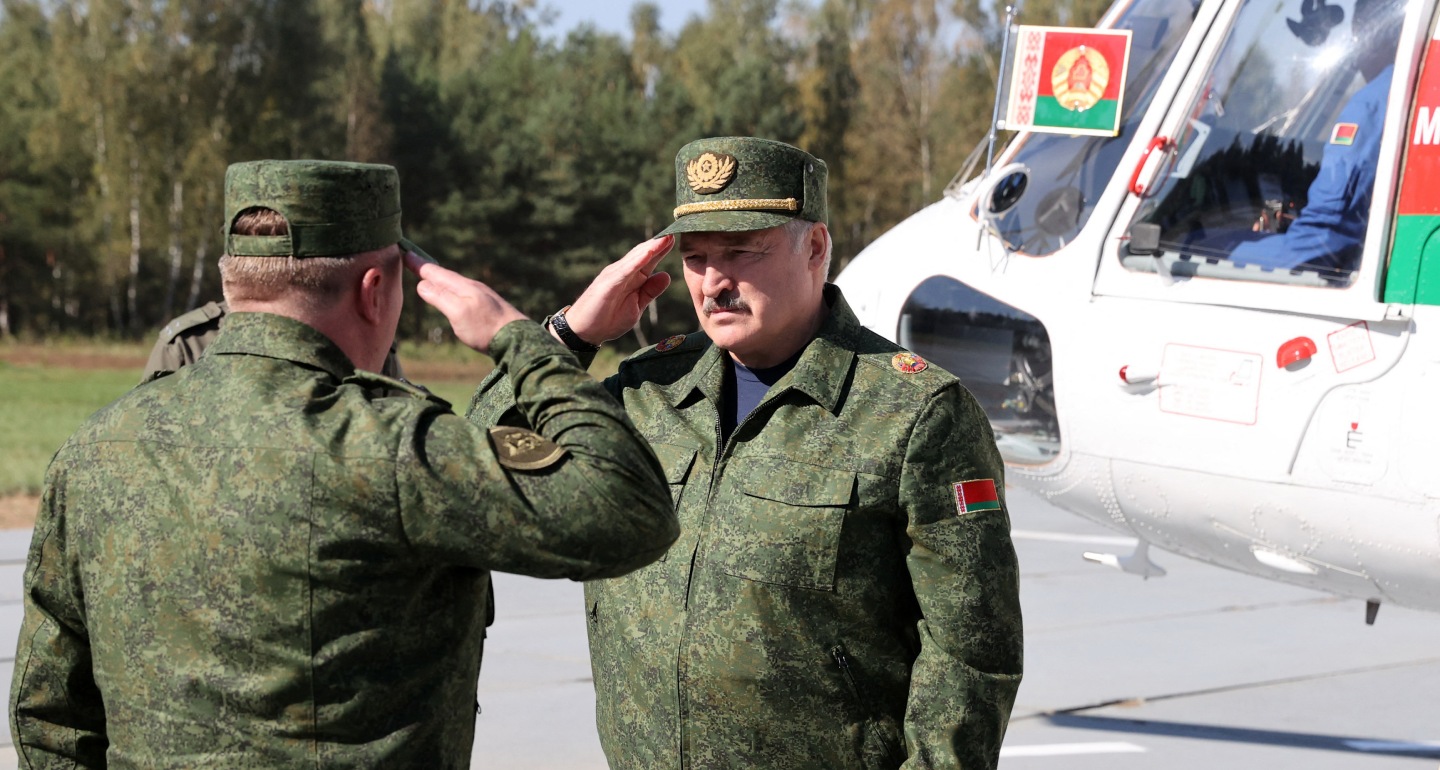
Ukraine’s increasingly confrontational posture on Belarus reflects Kyiv’s effort to shape the emerging regional order in Eastern Europe. Kyiv wants to limit European normalization with Minsk—and any future rapprochement with Russia.

Balázs Jarábik
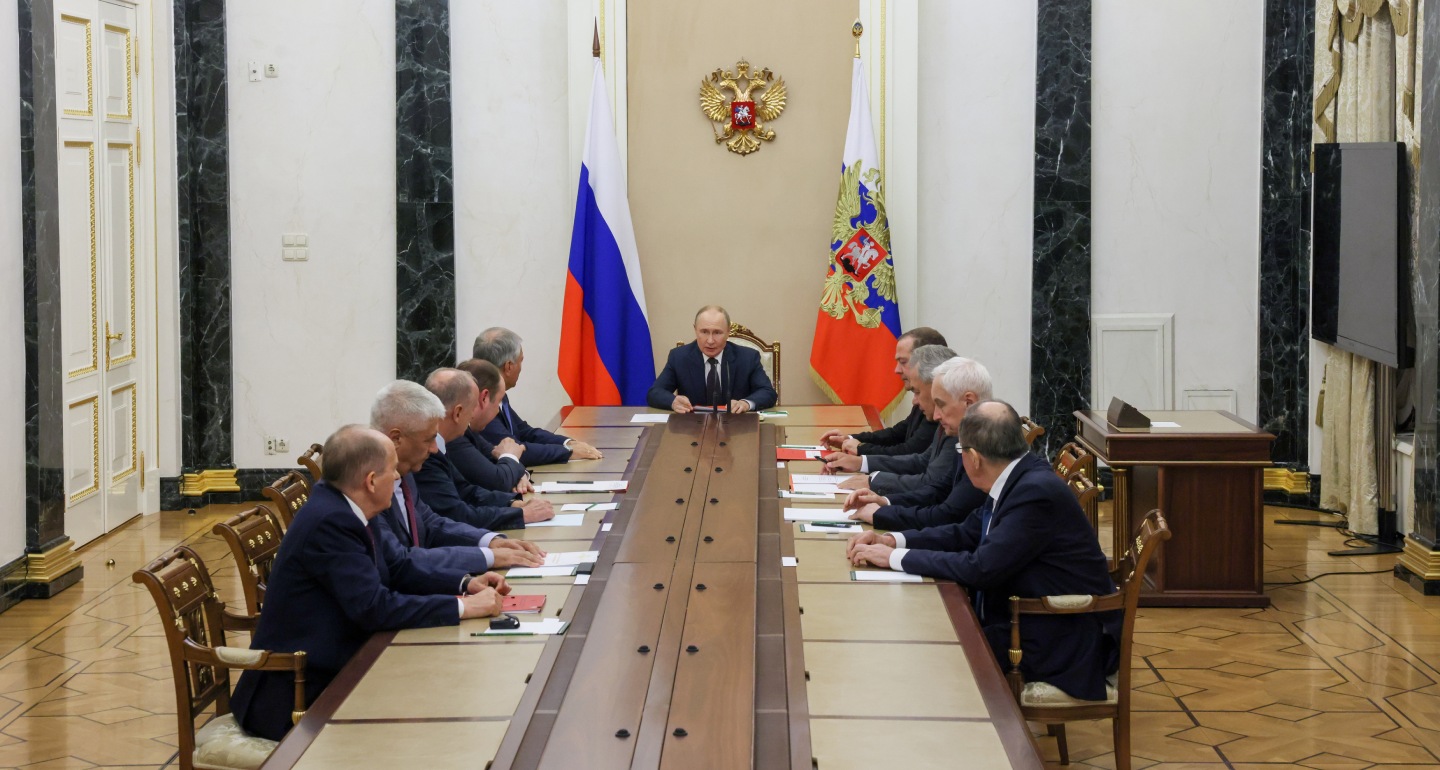
The ruling elites in contemporary Russia are not a political class, but a community of managers who are not subject to competition or public accountability. The state is becoming an operating apparatus without any internal autonomy.

Alexandra Prokopenko

Pashinyan’s pro-European party has been re-elected with a decisive victory. But the pro-Russian opposition could still slow Armenia’s progress toward peace with Azerbaijan and rapprochement with Europe.
Mikayel Zolyan