

Commentary
Peter Kellner
{
  "authors": [
    "Peter Kellner"
  ],
  "type": "legacyinthemedia",
  "centerAffiliationAll": "dc",
  "centers": [
    "Carnegie Endowment for International Peace",
    "Carnegie Europe"
  ],
  "collections": [],
  "englishNewsletterAll": "ctw",
  "nonEnglishNewsletterAll": "",
  "primaryCenter": "Carnegie Europe",
  "programAffiliation": "EP",
  "programs": [
    "Europe"
  ],
  "projects": [],
  "regions": [
    "North America",
    "United States",
    "Iran"
  ],
  "topics": [
    "Political Reform"
  ]
}
Source: Getty
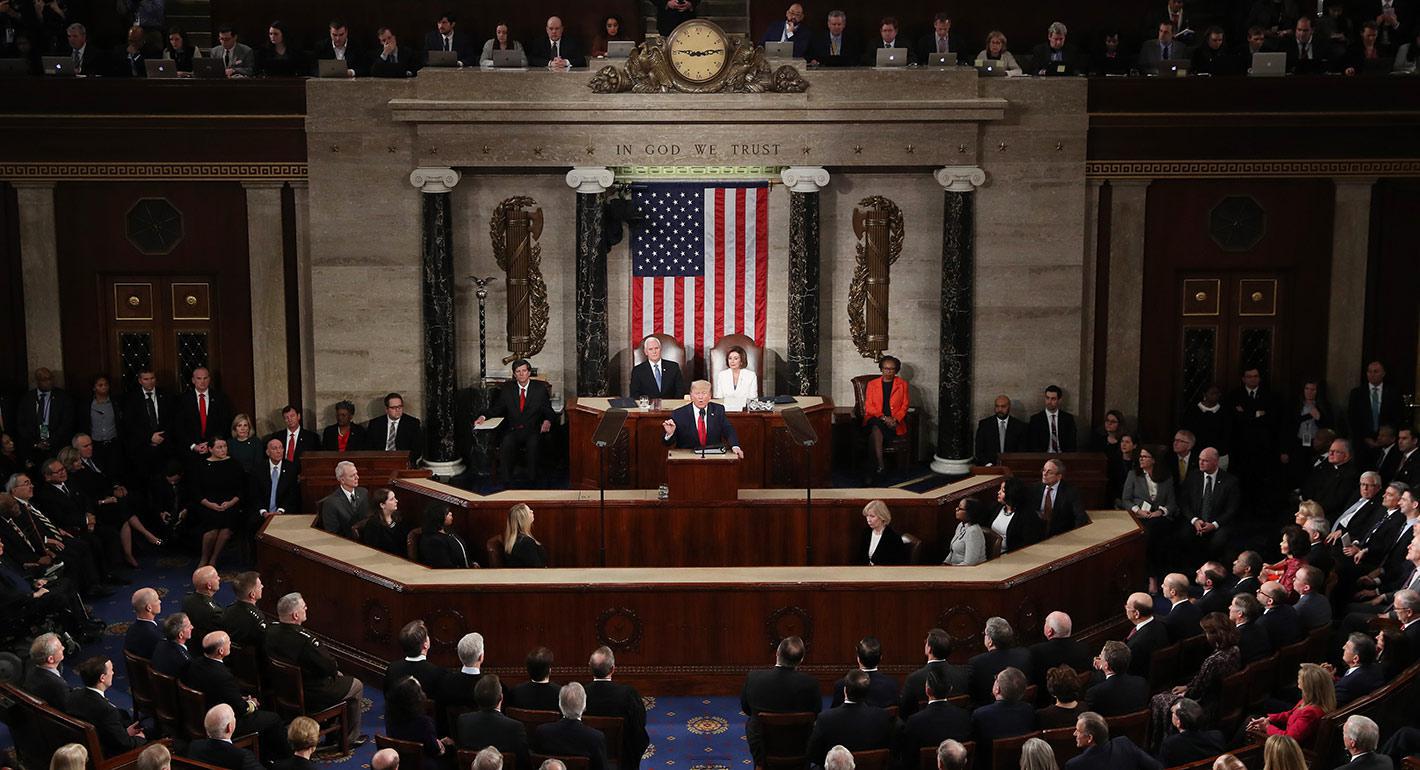
Former U.S. vice president Joe Biden has drawn well ahead of U.S. President Donald Trump in the latest American polls for the presidential election in November. But is Biden’s lead real—and will it last?
Source: TheArticle
Joe Biden has drawn well ahead of Donald Trump in the latest American polls. This analysis seeks to answer two questions: is Biden’s lead real — and will it last?
Let’s start with what the polls currently say. According to the 538 website — the most sophisticated of the sites that monitor the polls — Biden’s national lead has held steady at around nine per cent for the past fortnight. He also leads by at least six points in four states that Trump won in 2016: Florida, Pennsylvania, Wisconsin and Michigan. These states have a combined total of 75 electoral college votes. If Biden wins them all, and assuming no other states change hands, he would win the presidency with 317 electoral college votes, compared with Trump’s 221.Biden is currently ahead, though more narrowly, in five further states, with a total of 66 electoral college votes (Arizona, North Carolina, Ohio, Georgia and Iowa). If he wins all these, then he beats Trump by 383-155. A Biden super-optimist would add Texas, with its 36 electoral college votes, as a possible gain. Trump won by 9 per cent in 2016, but his polling lead is only 0.4 per cent today.
That’s what the polls say: but are they right? Here are some reasons for saying they are wrong.
Former Nonresident Scholar, Carnegie Europe
Kellner was a nonresident scholar at Carnegie Europe, where his research focused on Brexit, populism, and electoral democracy.
Recent Work
Peter Kellner
Peter Kellner
Carnegie does not take institutional positions on public policy issues; the views represented herein are those of the author(s) and do not necessarily reflect the views of Carnegie, its staff, or its trustees.

If the Russian-speaking community in Latvia cannot articulate their interests without being seen as disloyal, they could end up embracing a pro-Kremlin agenda.

Sergejs Potapkins

Russia’s ruling party would have benefited from Putin appearing as its distant patron, but as an active frontman imposing his views on the public, he has done nothing but harm both the party’s election campaign and the ruling system overall.

Andrey Pertsev

In the tenth year of his presidency, President Mirziyoyev’s system is becoming even more personalized than that of his predecessor Karimov.

Galiya Ibragimova

The greater threat to Zelensky comes not from Fedorov alone, but from the convergence between the former defense minister’s political campaign and the anti-corruption investigations moving ever closer to the presidential administration.

Balázs Jarábik
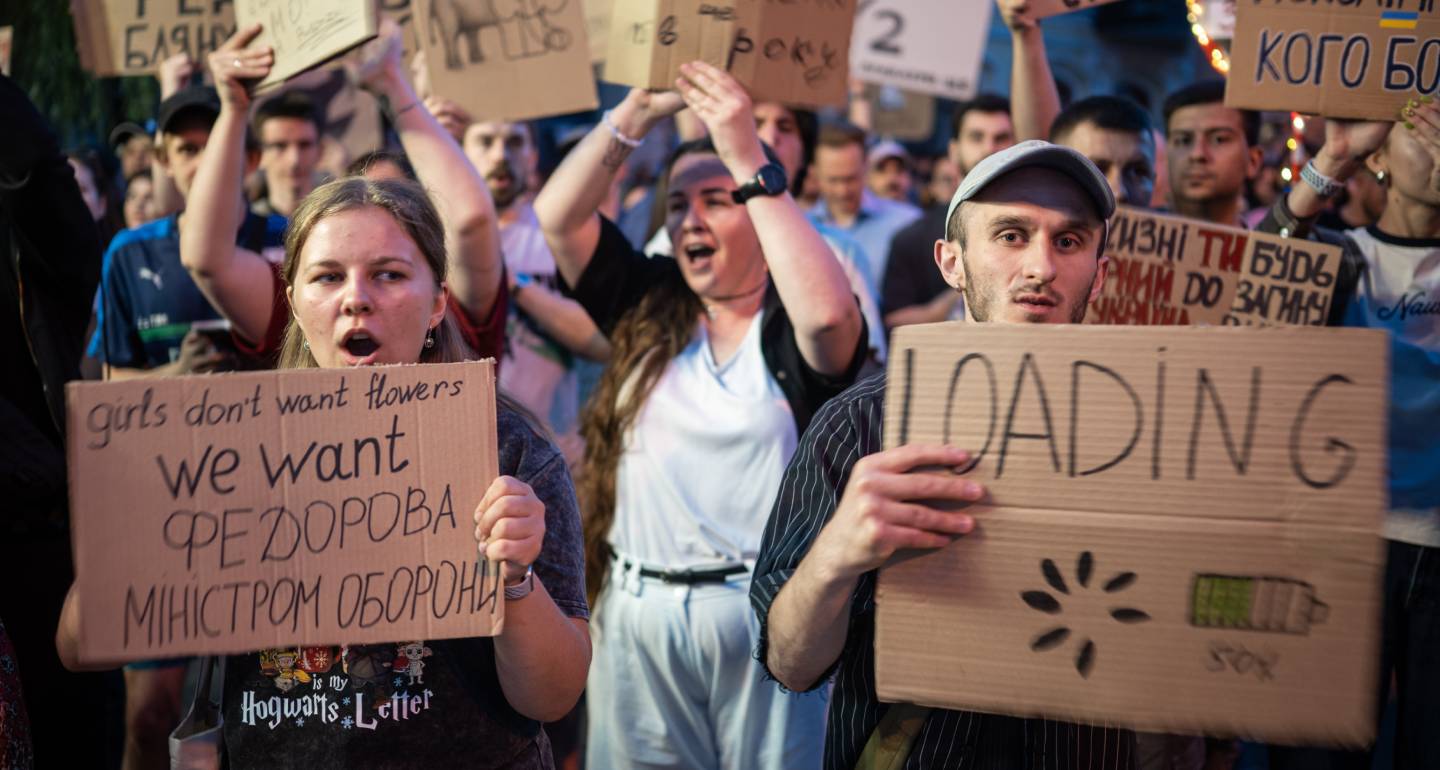
With his public call for new elections in Ukraine, ex-defense minister Mykhailo Fedorov has opened Pandora’s box.

Konstantin Skorkin