

Article
Abigail Bellows
{
  "authors": [
    "Abigail Bellows"
  ],
  "type": "legacyinthemedia",
  "centerAffiliationAll": "dc",
  "centers": [
    "Carnegie Endowment for International Peace"
  ],
  "collections": [],
  "englishNewsletterAll": "democracy",
  "nonEnglishNewsletterAll": "",
  "primaryCenter": "Carnegie Endowment for International Peace",
  "programAffiliation": "DCG",
  "programs": [
    "Democracy, Conflict, and Governance"
  ],
  "projects": [],
  "regions": [
    "North America",
    "United States"
  ],
  "topics": [
    "Foreign Policy"
  ]
}
Source: Getty
Congress could take historic action on anti-corruption. Will it seize the opportunity?
Source: American Interest
For governments around the world, these are uncertain times. Blatantly corrupt regimes are threatened by citizen-led movements that have taken to the streets protesting against their depredations. Starting with the Arab Spring a decade ago, mass protests have risen by 11.5 percent every year. These protests are having an effect: A whopping ten percent of countries have seen corruption-fueled political transitions between 2013 and 2018. This is a source of hope for those committed to rule of law, fair competition, and effective governance.
This article was originally published by the American Interest.
Former Nonresident Scholar , Democracy, Conflict, and Governance Program
Abigail Bellows was a nonresident scholar in the Democracy, Conflict, and Governance Program at the Carnegie Endowment for International Peace
Recent Work
Abigail Bellows
Abigail Bellows
Carnegie does not take institutional positions on public policy issues; the views represented herein are those of the author(s) and do not necessarily reflect the views of Carnegie, its staff, or its trustees.

Minsk clearly expected the dialogue with Washington to yield more results, in particular the lifting of EU sanctions and permission to export potash.

Artyom Shraibman

With the growth in points of friction between the great powers, organizations like the SCO will continue to play a role in the strategic adaptation of the smaller powers caught between them.

Temur Umarov

When faced with fuel shortages in the past, Central Asian governments could always count on additional supplies from Moscow. That safety net no longer exists.

Galiya Ibragimova

Despite unhappiness on the ground, Moscow is determined to use both carrot and stick to ensure there is record support for United Russia in occupied Ukraine.

Konstantin Skorkin
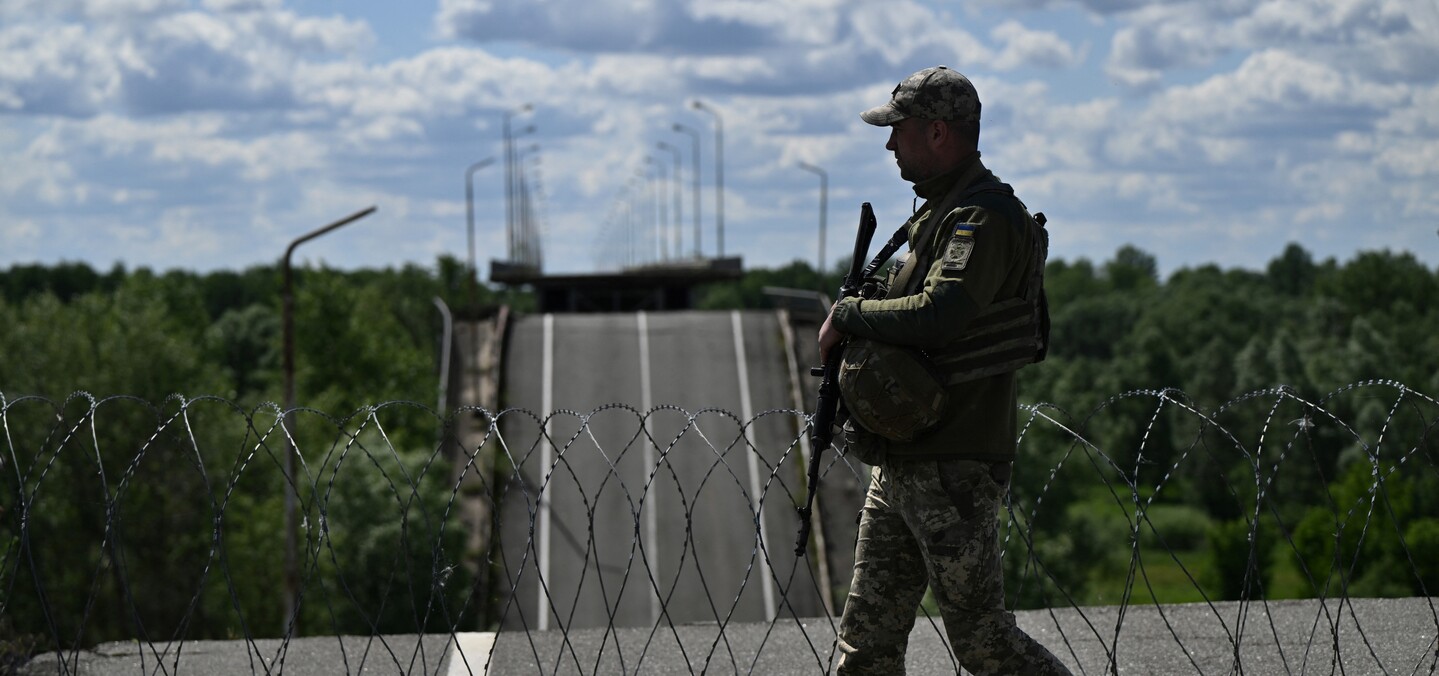
The recent damage inflicted by Ukrainian drones and missiles on Russia has made Belarus aware of its own vulnerabilities—and surprisingly amenable to Kyiv’s demands.
Artyom Shraibman