

Commentary
Chung Min Lee
{
  "authors": [
    "Chung Min Lee"
  ],
  "type": "legacyinthemedia",
  "centerAffiliationAll": "dc",
  "centers": [
    "Carnegie Endowment for International Peace"
  ],
  "collections": [],
  "englishNewsletterAll": "asia",
  "nonEnglishNewsletterAll": "",
  "primaryCenter": "Carnegie Endowment for International Peace",
  "programAffiliation": "AP",
  "programs": [
    "Asia"
  ],
  "projects": [],
  "regions": [
    "East Asia",
    "South Korea",
    "North Korea"
  ],
  "topics": [
    "Security"
  ]
}
Source: Getty
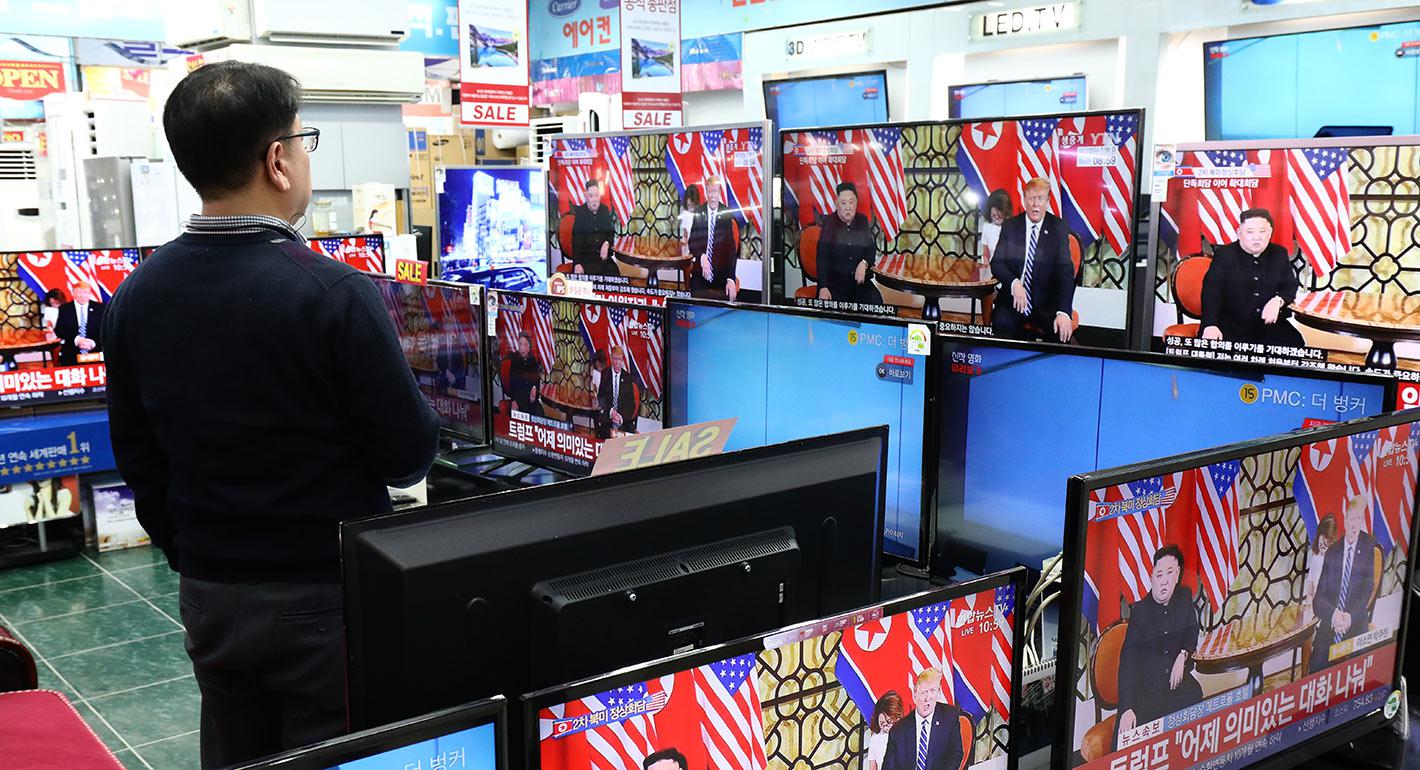
A just, enduring peace is possible on the Korean Peninsula, but it’s not going to happen just because political leaders decide to formally end the Korean conflict.
Source: National Interest
With South Korea and the United States marking the seventieth anniversary of the outbreak of the Korean War, which began on June 25, 1950, it’s time to consider the conditions for a lasting and just peace on the Korean Peninsula. The Korean conflict was instrumental in solidifying the Cold War at both ends of the Eurasian continent. While vestiges of the Cold War have disappeared from Europe, the Cold War remains very much alive on the Korean Peninsula. Formally ending it will serve as a major catalyst in implementing a more stable security structure in and around the Korean Peninsula.
But a declaration of an end to the war based on political expediency and naïve conceptions of peace between the two Koreas isn’t going to result in real peace. The reason why a Cold War persists on the peninsula is because of the continuing threat emanating from North Korea—the world’s only communist dynasty. Armed with nuclear weapons since 2006 and with accelerating nuclear and ballistic missile capabilities, North Korea under Kim Jong-un has hardly relaxed tensions with South Korea.
This article was originally published by the National Interest.
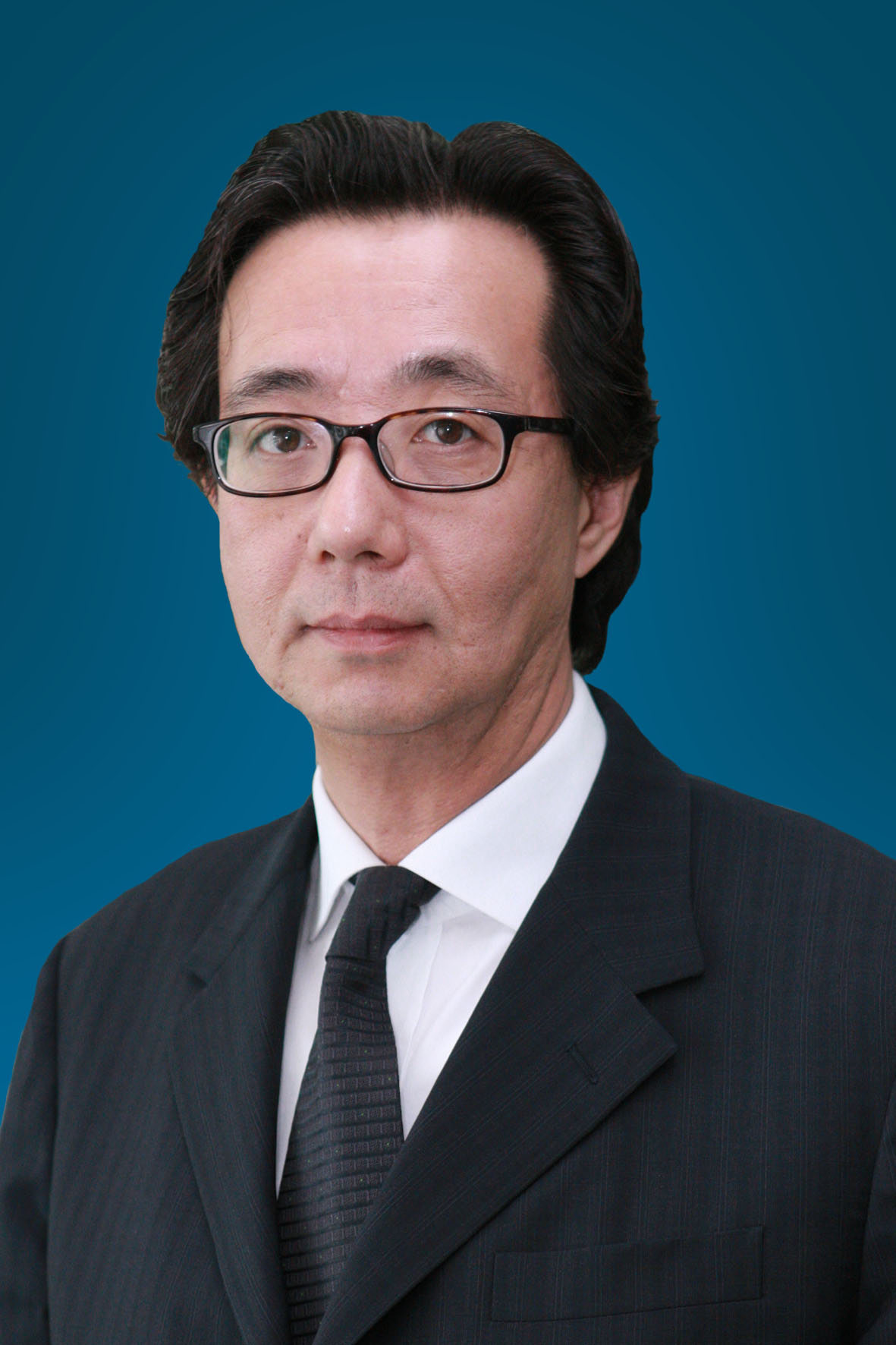
Senior Fellow, Asia Program
Chung Min Lee is a senior fellow in Carnegie’s Asia Program. He is an expert on Korean and Northeast Asian security, defense, intelligence, and crisis management.
Recent Work
Chung Min Lee
Carnegie does not take institutional positions on public policy issues; the views represented herein are those of the author(s) and do not necessarily reflect the views of Carnegie, its staff, or its trustees.

The European far right might fail to steer EU policy in the direction Russia wants, but they will create enough chaos inside Europe to benefit the Kremlin.

Dimitar Bechev

With the growth in points of friction between the great powers, organizations like the SCO will continue to play a role in the strategic adaptation of the smaller powers caught between them.

Temur Umarov

Two divergent trends—Putin’s hardline vision of how to prosecute the war in Ukraine, and a growing desire for change in Russia—could tear the regime apart.

Tatiana Stanovaya
Andrey Melnichenko’s essay offers no answer to the fundamental question of how, under any kind of negotiated settlement, Europe can protect itself from the Russian ressentiment that is inevitable in all scenarios except for an outright victory for Putin.

Leonid Bershidsky
The recent damage inflicted by Ukrainian drones and missiles on Russia has made Belarus aware of its own vulnerabilities—and surprisingly amenable to Kyiv’s demands.

Artyom Shraibman