

Research
- +6
Milan Vaishnav, Sameer Lalwani, Tanvi Madan, …
{
  "authors": [
    "Milan Vaishnav"
  ],
  "type": "other",
  "centerAffiliationAll": "dc",
  "centers": [
    "Carnegie Endowment for International Peace"
  ],
  "collections": [],
  "englishNewsletterAll": "ctw",
  "nonEnglishNewsletterAll": "",
  "primaryCenter": "Carnegie Endowment for International Peace",
  "programAffiliation": "SAP",
  "programs": [
    "South Asia"
  ],
  "projects": [],
  "regions": [
    "North America",
    "United States",
    "South Asia",
    "India"
  ],
  "topics": [
    "Political Reform",
    "Foreign Policy"
  ]
}
Source: Getty
There is a growing realization that the U.S.-India partnership has proceeded on two tracks and that the security track has done well while the economic track has been a serious drag.
Source: Rediff
"The US simply has lost nearly all its credibility when it comes to issues of democracy and basic freedoms."
"Frankly, when it comes to democracy and governance, America is now Ground Zero," Milan Vaishnav, Director and Senior Fellow, South Asia Programme at the Carnegie Endowment for Peace, tells Rediff.com's Archana Masih.
I believe that we will see an unprecedented number of Indian Americans serving in key positions in the Biden administration.
If you look at the corridors of Capitol Hill, the people staffing the transition, those working on the campaign -- there are a significant (and growing) number of people of Indian origin.
I expect a large number will end up in some of the more than 4,000 political appointee positions subject to the President's discretion.
Traditionally, there has been a lot more focus on Indian Americans holding elected office. And that makes sense since they are more visible. But we should not lose sight of the fact that, when it comes to the executive branch, much of the power is actually invisible because it is exercised mostly behind-the-scenes.

Director and Senior Fellow, South Asia Program
Milan Vaishnav is a senior fellow and director of the South Asia Program and the host of the Grand Tamasha podcast at the Carnegie Endowment for International Peace. His primary research focus is the political economy of India, and he examines issues such as corruption and governance, state capacity, distributive politics, and electoral behavior. He also conducts research on the Indian diaspora.
Recent Work


Milan Vaishnav, Sameer Lalwani, Tanvi Madan, …
Sumitra Badrinathan, Devesh Kapur, Andy Robaina, …
Carnegie does not take institutional positions on public policy issues; the views represented herein are those of the author(s) and do not necessarily reflect the views of Carnegie, its staff, or its trustees.
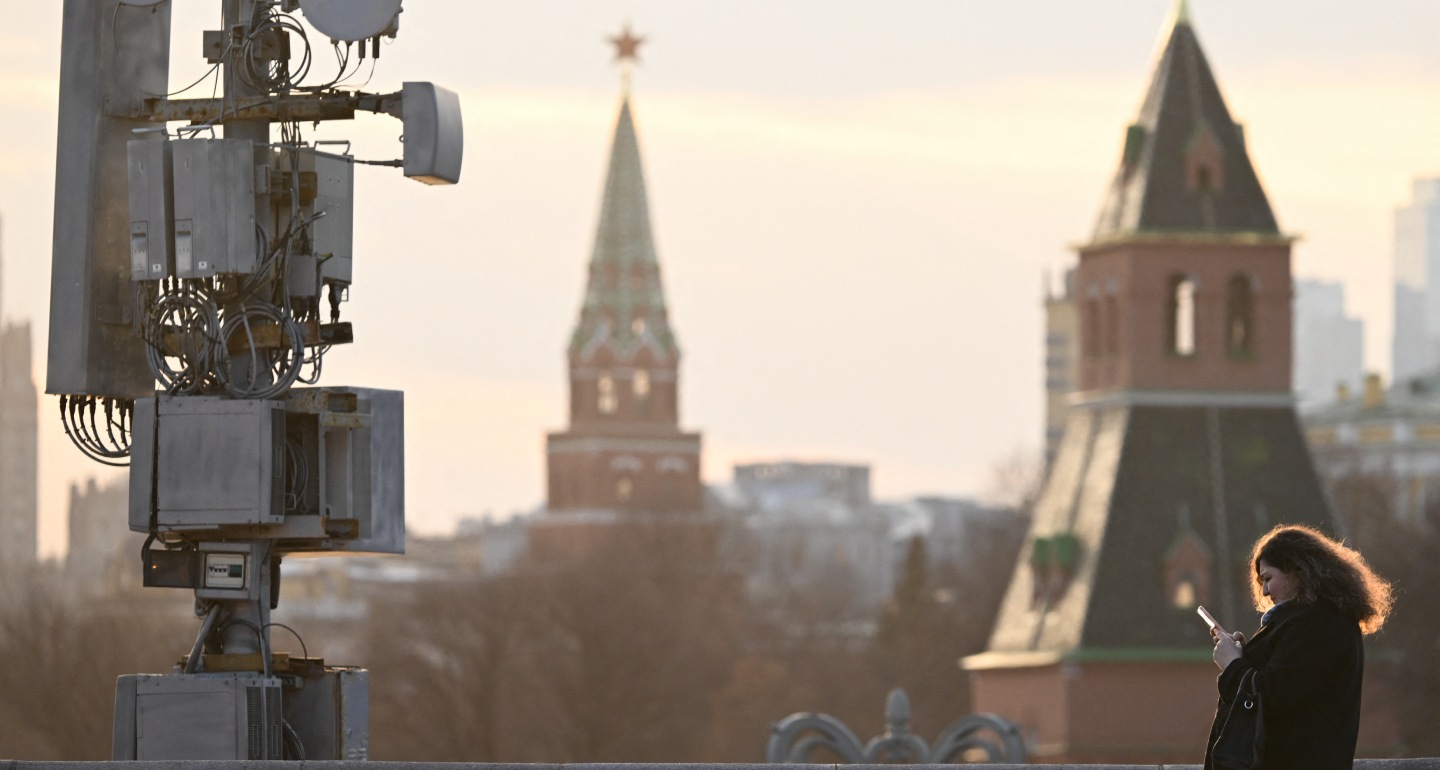
The Russian state has opted for complete ideological control of the internet and is prepared to bear the associated costs.

Maria Kolomychenko
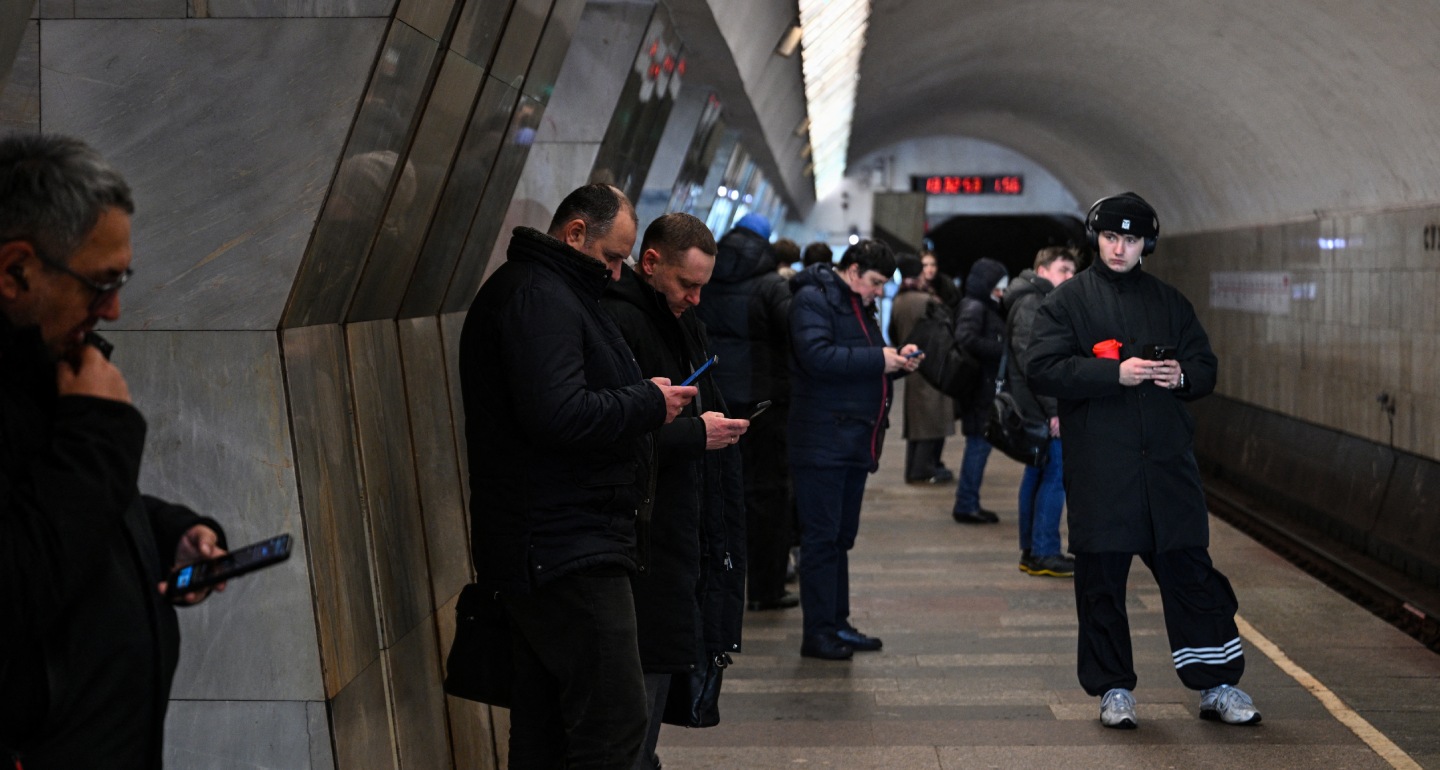
After four years of war, there is no one who can stand up to the security establishment, and President Vladimir Putin is increasingly passive.

Tatiana Stanovaya
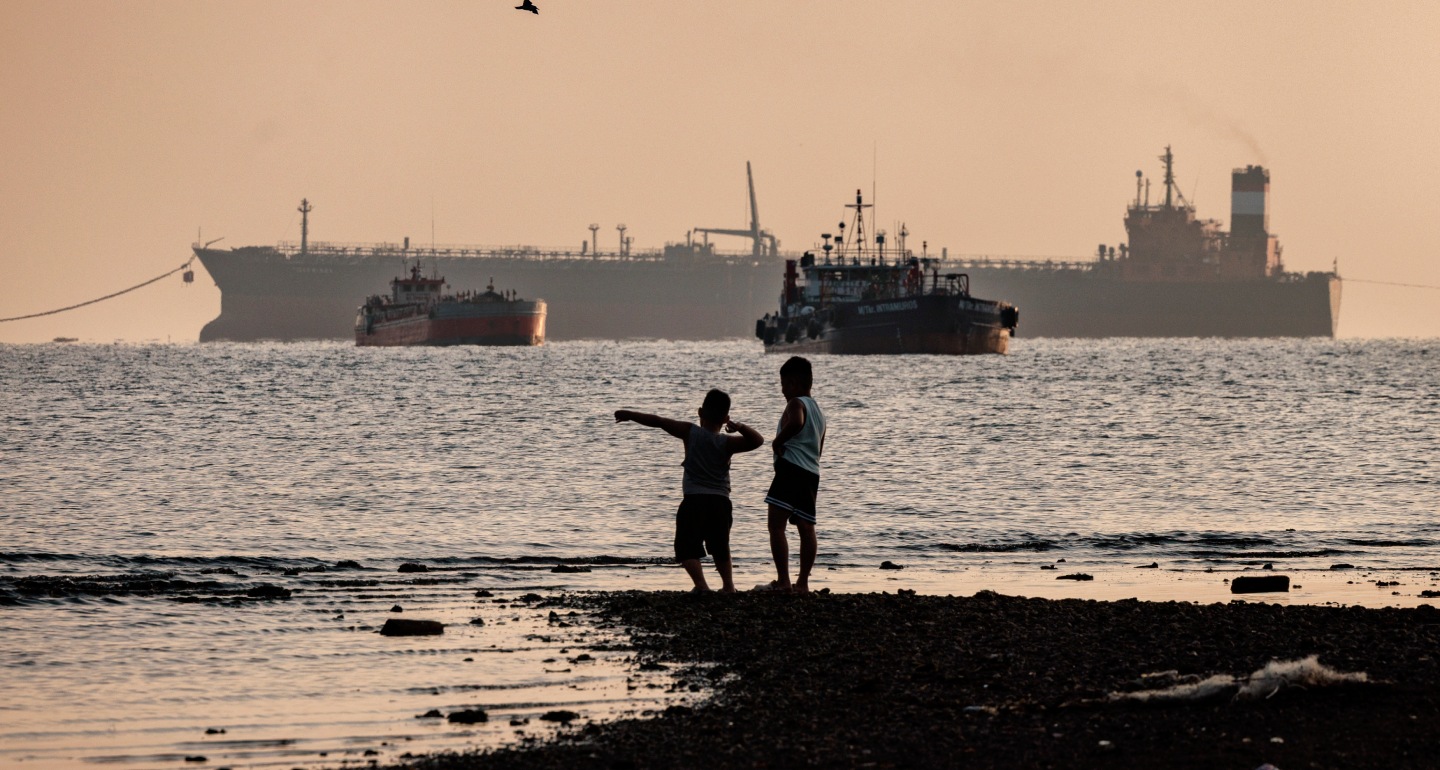
Although Ukrainian strikes have led to a noticeable decline in the physical volume of Russian oil exports, the rise in prices has more than made up for it.

Sergey Vakulenko
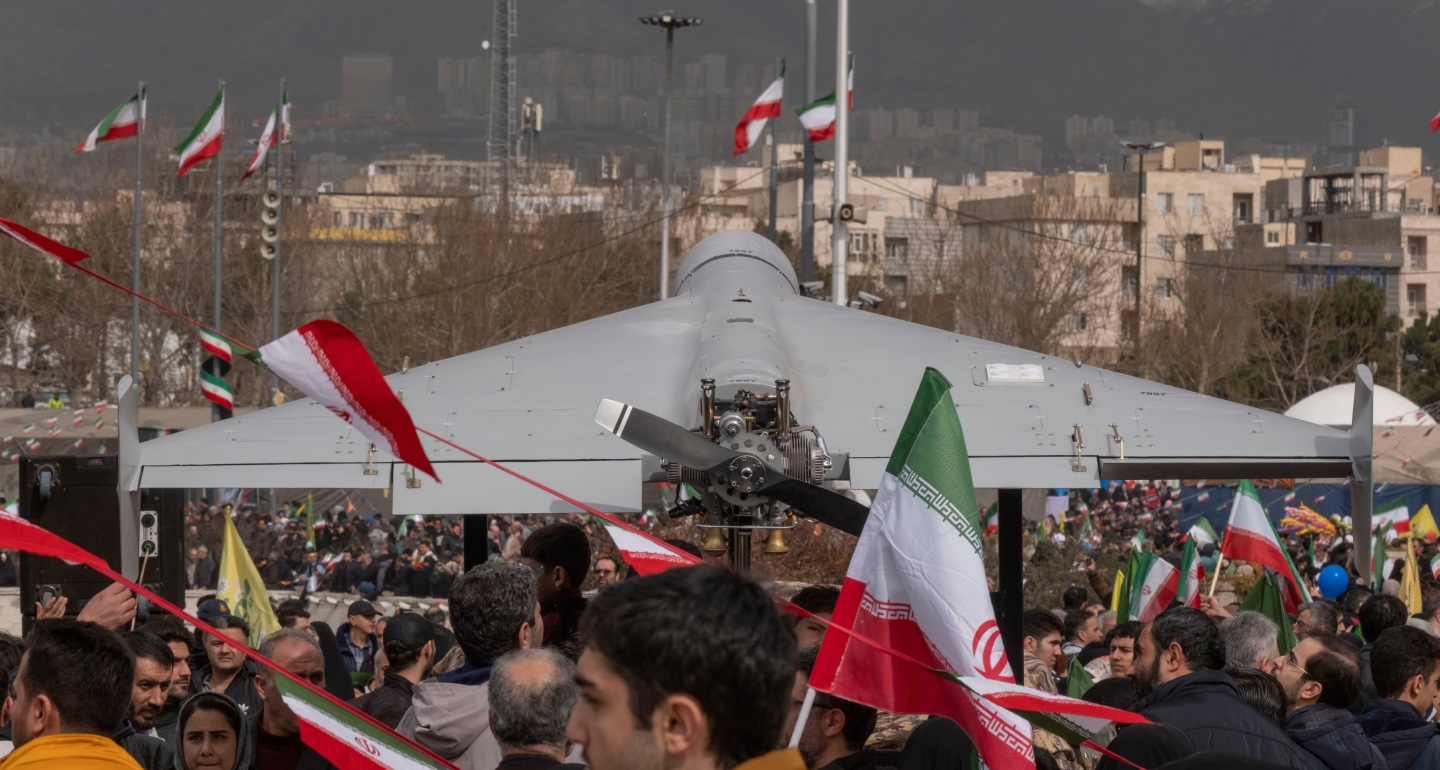
The Russian leadership wants to avoid a dangerous precedent in which it is squeezed out of Iran by the United States and Israel—and left powerless to respond in any meaningful way.

Nikita Smagin
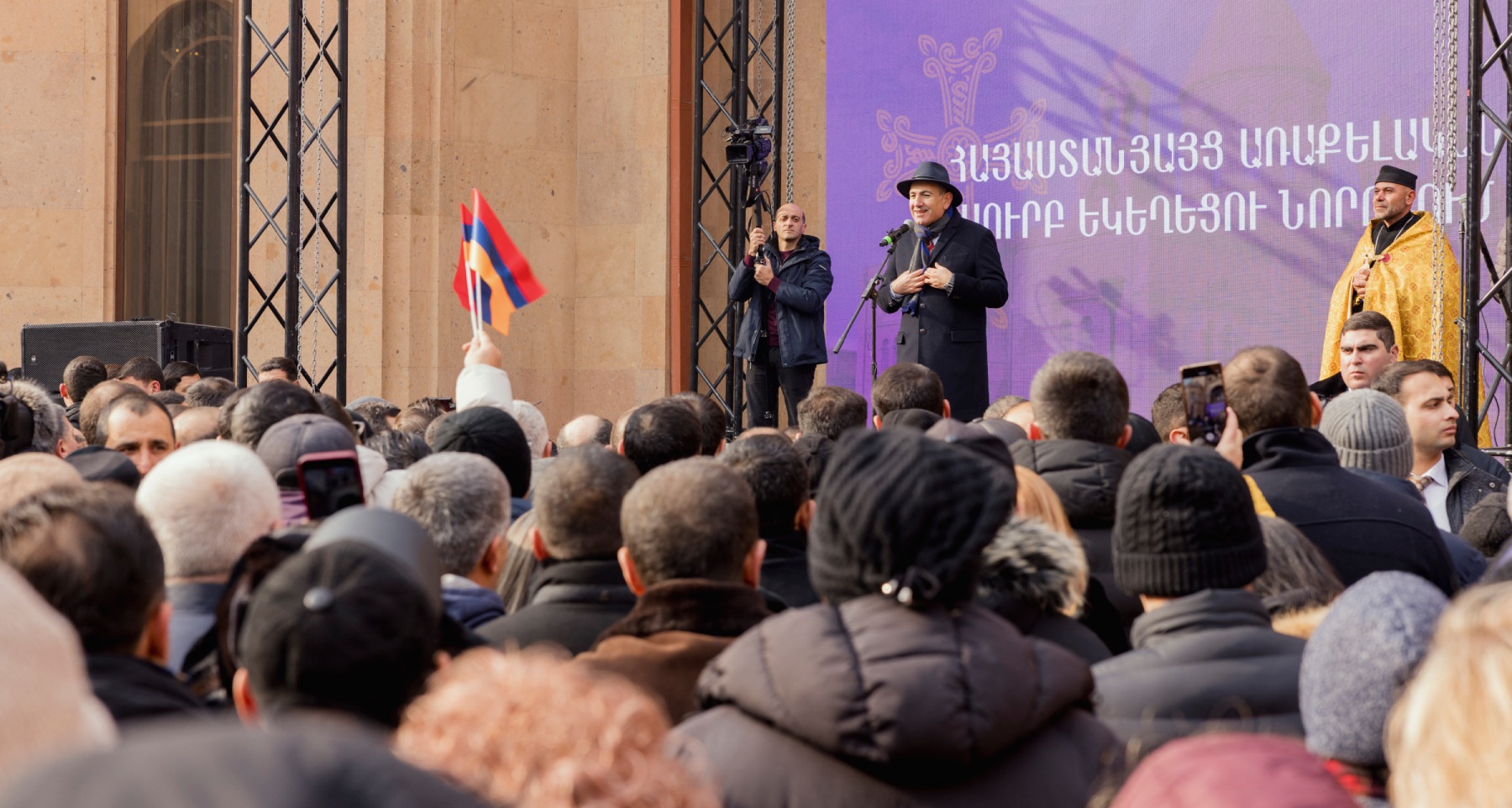
It’s true that many Armenians would vote for anyone just to be rid of Pashinyan, whom they blame for the loss of Nagorno-Karabakh, but the pro-Russia opposition is unlikely to be able to channel that frustration into an electoral victory.
Mikayel Zolyan