

Article
Paul Stronski
{
  "authors": [
    "Paul Stronski"
  ],
  "type": "legacyinthemedia",
  "centerAffiliationAll": "dc",
  "centers": [
    "Carnegie Endowment for International Peace"
  ],
  "collections": [],
  "englishNewsletterAll": "ctw",
  "nonEnglishNewsletterAll": "",
  "primaryCenter": "Carnegie Endowment for International Peace",
  "programAffiliation": "russia",
  "programs": [
    "Russia and Eurasia"
  ],
  "projects": [],
  "regions": [
    "Caucasus",
    "Georgia"
  ],
  "topics": []
}
REQUIRED IMAGE
For almost two decades, Georgie has been lauded as one of the region’s shining star democracies. However, a closer look at political developments since its 2003 “Rose Revolution” reveals repeated swings between democratic promise and authoritarian backsliding.
Former Senior Fellow, Russia and Eurasia Program
Paul Stronski was a senior fellow in Carnegie’s Russia and Eurasia Program, where his research focuses on the relationship between Russia and neighboring countries in Central Asia and the South Caucasus.
Recent Work
Paul Stronski
Paul Stronski
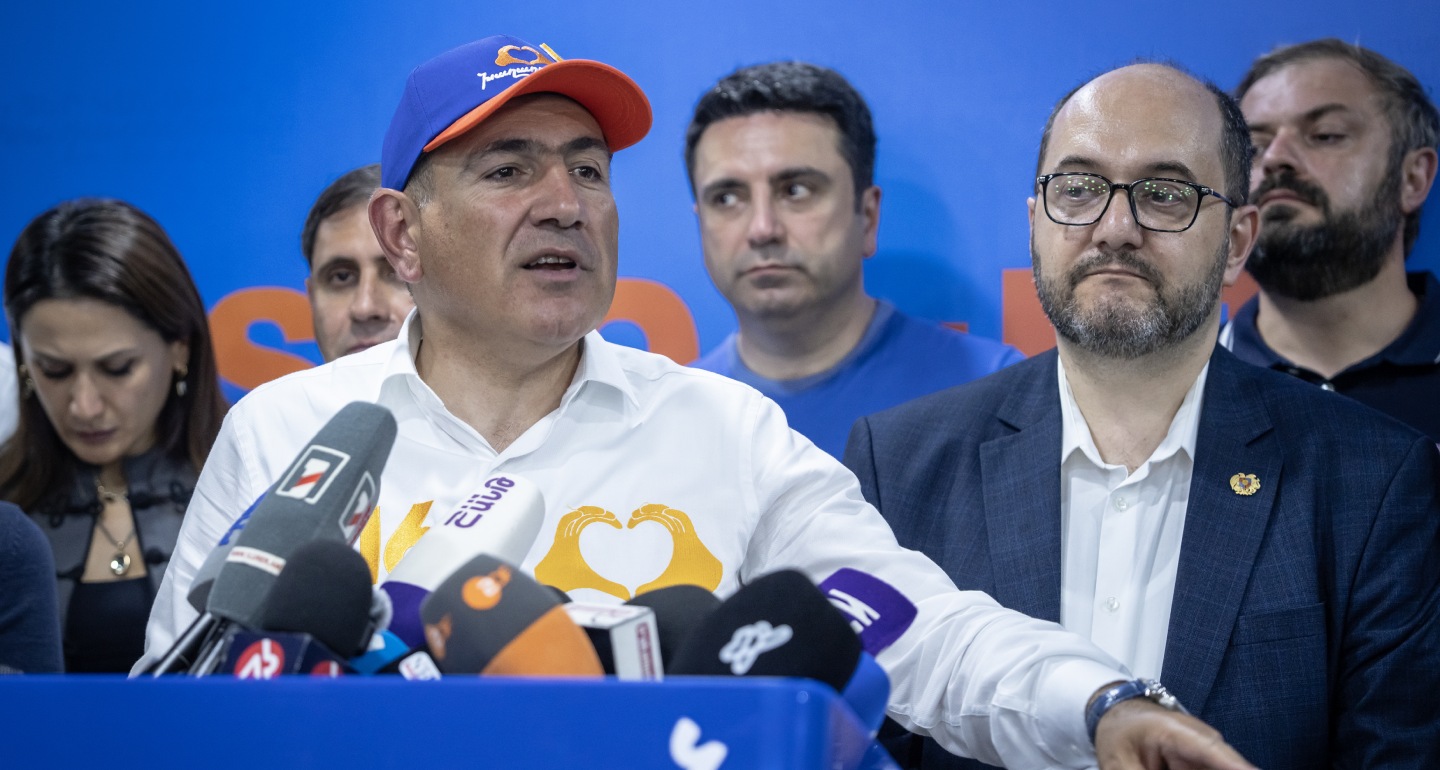
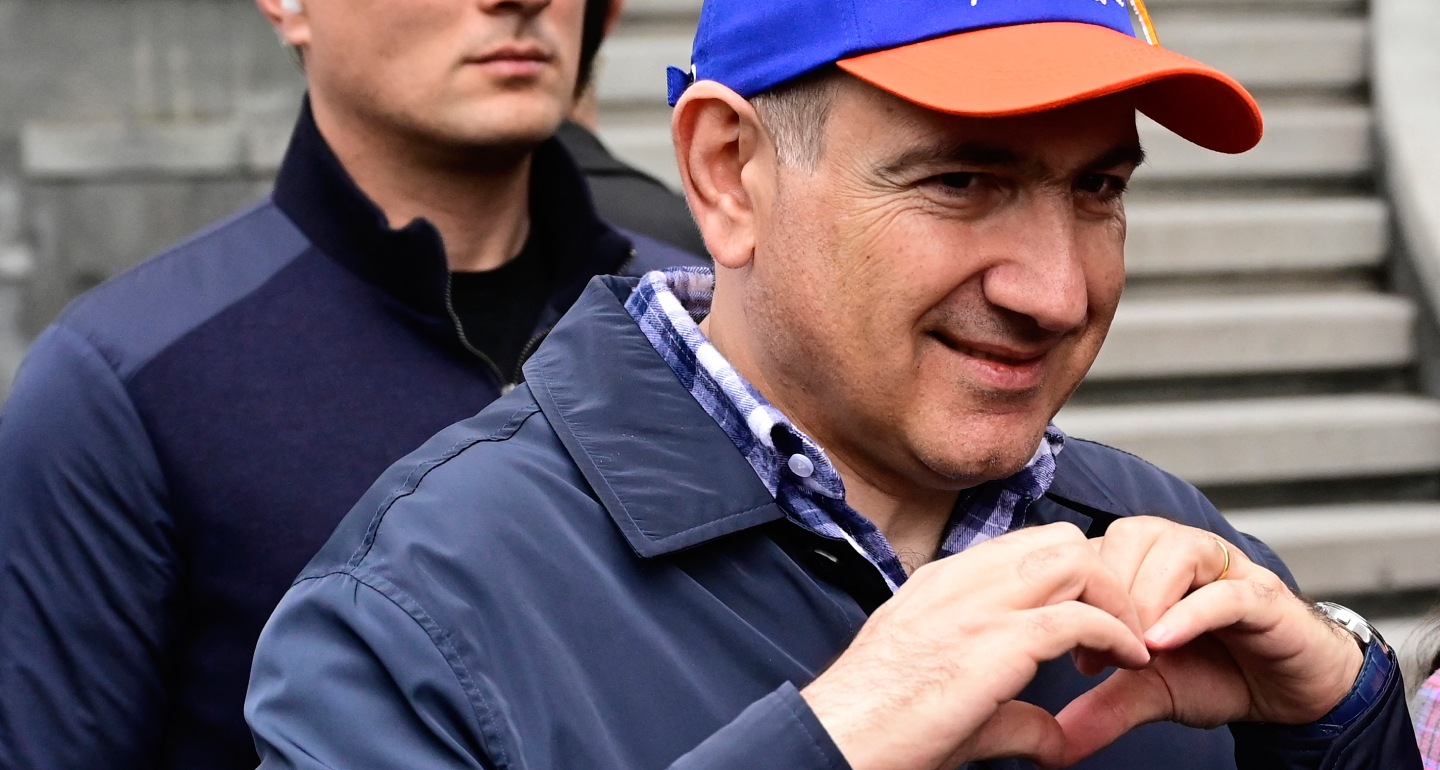
Pashinyan’s pro-European party has been re-elected with a decisive victory. But the pro-Russian opposition could still slow Armenia’s progress toward peace with Azerbaijan and rapprochement with Europe.
Mikayel Zolyan
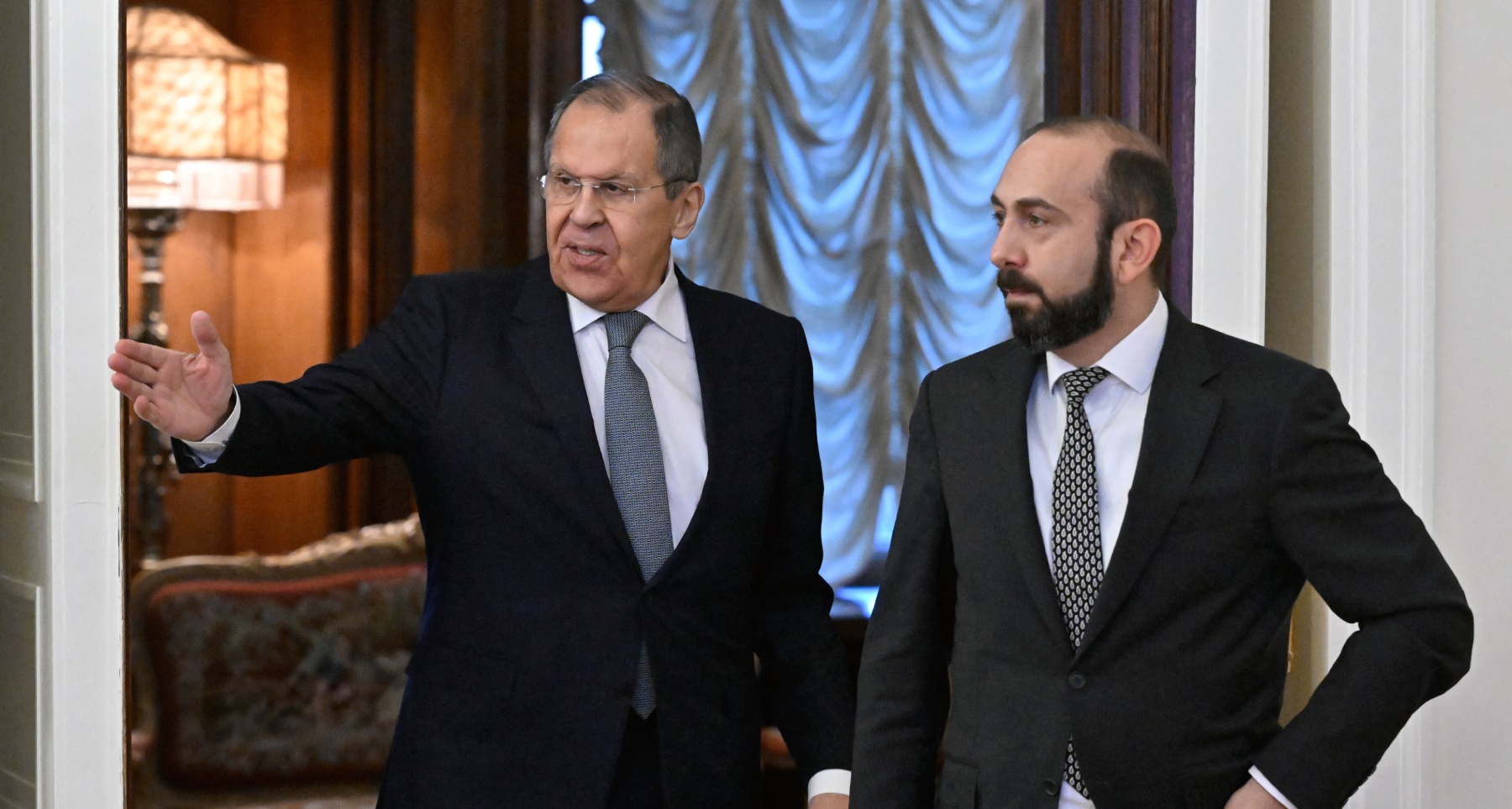
For all the menacing rhetoric, the Armenian prime minister remains a leader with whom Putin is prepared to interact: not as an ally, but as a partner, albeit a problematic one.
Alexander Atasuntsev
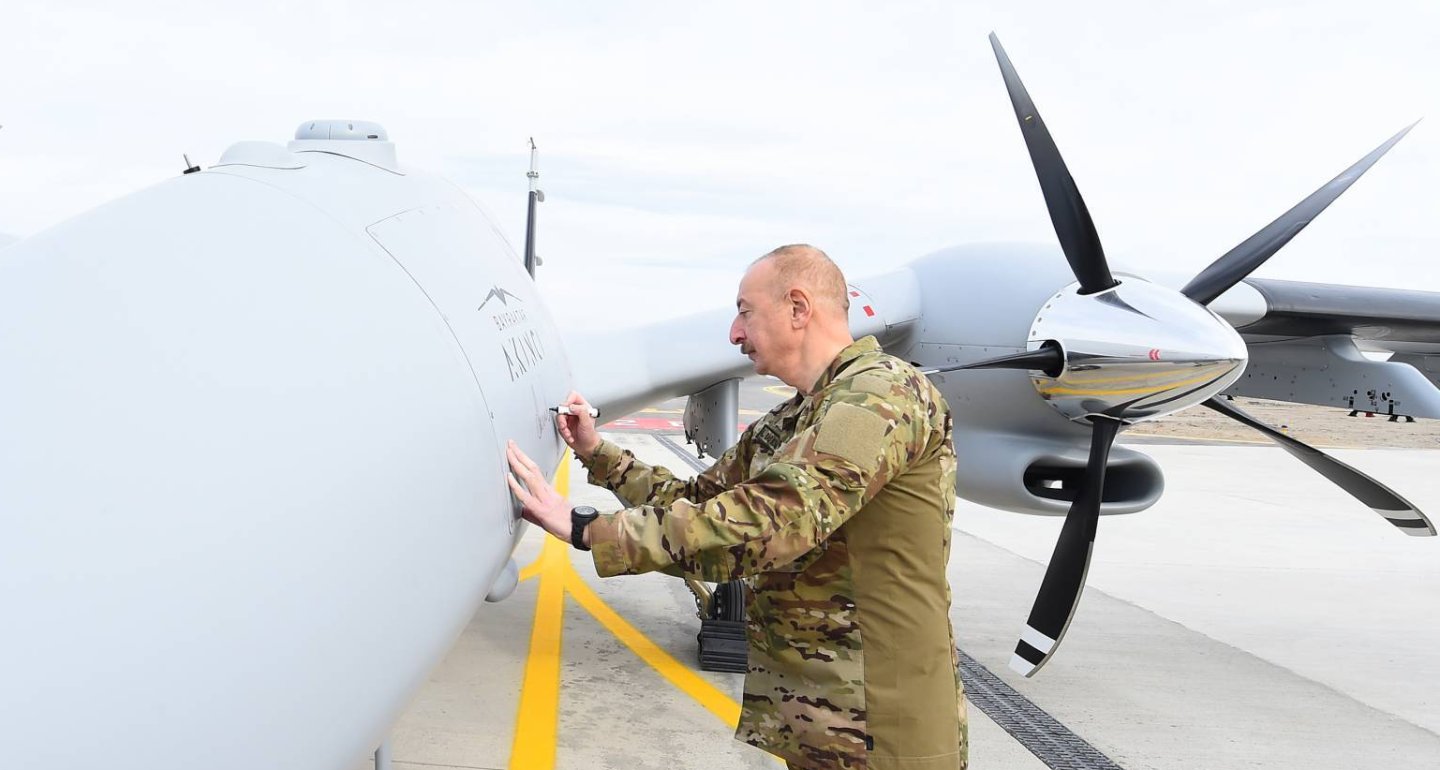
By fueling the arguments of both supporters and opponents of Armenian Prime Minister Nikol Pashinyan, Azerbaijan wants to ensure he is re-elected with a weaker mandate.

Bashir Kitachaev
Baku’s backing for Ukraine is less about confronting Russia than about quietly broadening the mix of partners it relies on.

Zaur Shiriyev
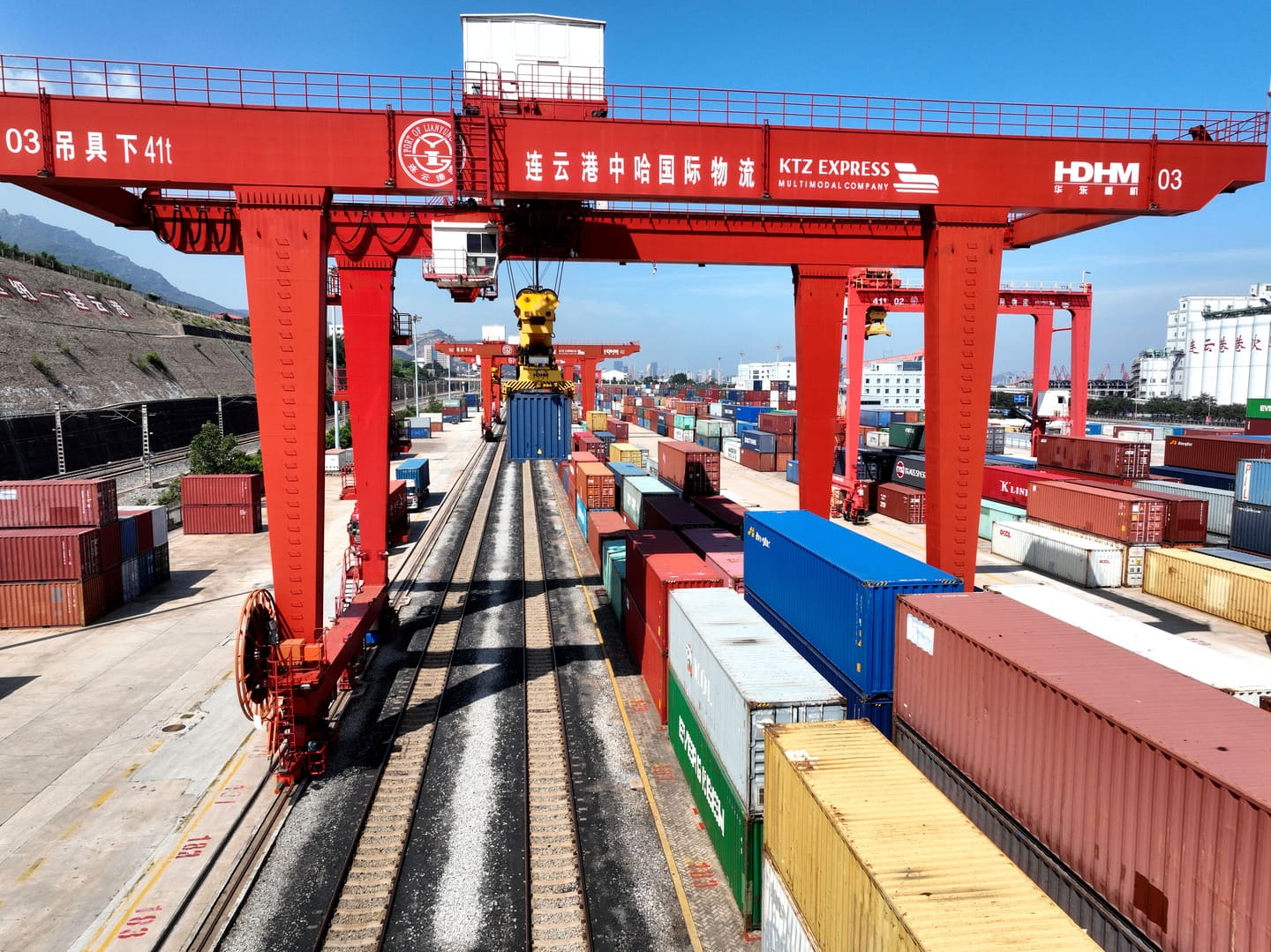
For the Middle Corridor to fulfill its promises, one of these routes must become scalable. At present, neither is.
Friedrich Conradi