

Commentary
With its scattershot approach to enforcing internet censorship, the Russian regime risks losing a battle against the many Russians who have learned to evade online restrictions.
Maria Kolomychenko
{
  "authors": [
    "Shivangi Tyagi"
  ],
  "type": "questionAnswer",
  "centerAffiliationAll": "dc",
  "centers": [
    "Carnegie Endowment for International Peace",
    "Carnegie India"
  ],
  "collections": [],
  "englishNewsletterAll": "ctw",
  "nonEnglishNewsletterAll": "",
  "primaryCenter": "Carnegie India",
  "programAffiliation": "SAP",
  "programs": [
    "South Asia"
  ],
  "projects": [
    "Political Economy",
    "Technology and Society"
  ],
  "regions": [
    "South Asia",
    "India"
  ],
  "topics": [
    "Economy",
    "Technology"
  ]
}
Source: Getty
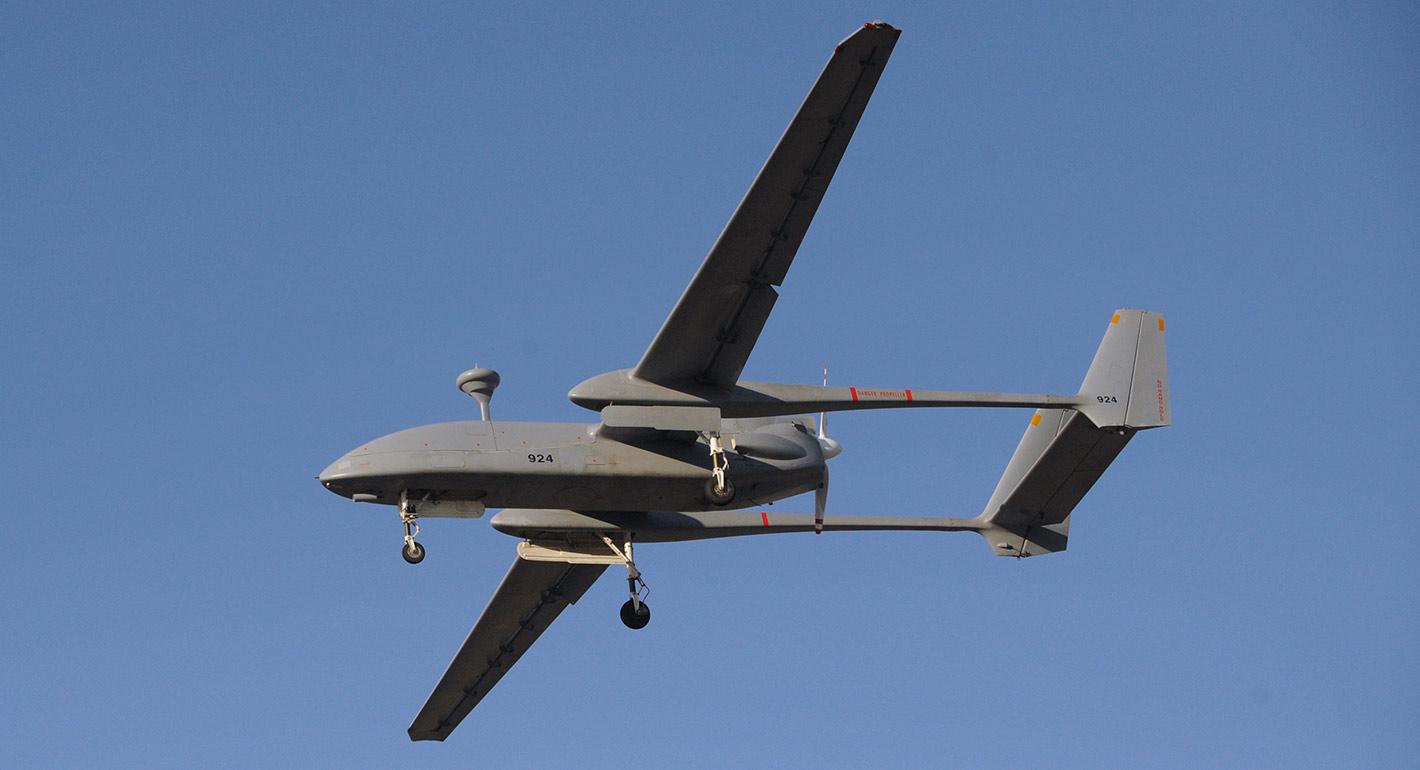
India has proposed a simpler set of rules for drones. These rules could offer a welcome opening for India’s economy.
In July, the Indian Ministry of Civil Aviation released for public comment a set of draft rules for unmanned aircraft systems. Called the Drone Rules, 2021, these would replace the existing Unmanned Aircraft System Rules, 2021, and are likely to give the Indian economy a big boost.
Drones can reduce costs for businesses over the medium to long term by improving or automating some production processes. In fact, in Australia, the growth of the drone sector is expected to deliver cost savings to businesses of around $9.3 billion over the next twenty years.
For example, drones can perform inventory checks, which take up a lot of time and money. In the oil and gas industry, drones can complete this task in only a fraction of the time humans would need.
Furthermore, drones allow businesses to survey their assets over a large geographic spread in a cost-effective manner. Utility companies like oil, gas, and electricity providers have assets (like transformers and pipelines) spread over large areas that can be monitored effectively by drones. Drones can also reduce labor costs significantly by substituting aerial operations for dangerous and labor-intensive work. For example, drones can undertake operations like inspection, mapping, and surveying in open-cast mine operations. Drones can also conduct safety inspections of construction sites, plants, and other sites, as well as reach areas that are difficult or dangerous for humans to inspect.
Drones have many nonmilitary uses. The Indian government and businesses have already begun to deploy drones in a range of different scenarios:
The existing Unmanned Aircraft System Rules, 2021, were notified on March 12, 2021. They are notably more complex and onerous than the new proposed rules and will continue to be in force until the new rules are enacted.
The draft rules are much simpler than the existing rules and place less of a burden on companies wishing to use drones.
However, certain issues could still be of concern. First, the rules give all state governments, union territory administrations, and law enforcement agencies direct access to the data available on the online platform used to manage drones. This provision does not state exactly why this data would be shared or what it would be used for. This could possibly be in violation of the principle of purpose limitation, which requires the purpose of data sharing to be clearly mentioned. This would violate Section 5 of the proposed data protection bill when it becomes law. To fix this, the Ministry of Civil Aviation should add a clause laying out the exact purpose for which such access will be provided.
Second, the rules mention that certification standards, which will dictate what needs to be done to obtain a certificate of airworthiness, “may promote the use of made-in-India technologies, designs, components and drones; and India’s regional navigation satellite system named Navigation with Indian Constellation (NavIC).” This could be the beginning of a protectionist approach toward Indian drone systems. The rules should not make recommendations toward Indian technologies. Instead, companies producing these technologies should be left to compete in a free and fair market. This would provide Indian competitors the necessary incentive to improve their products and services.
The reduction in the number of licenses required is a welcome move toward opening up the drone industry. Licensing is a cost that regulated entities must bear, so a large number of required licenses only increases the compliance cost for companies and creates a barrier to entry because only big firms can afford them. The likely effect of the new rules is already being noted—the tech market intelligence firm BIS Research has cited them as a factor for the growth of the Indian drone market, which is expected to reach $1.21 billion in 2021.
Further, the increase in the size of the industry will open up the path for job creation. Drone-related jobs will be created for remote pilots, engineers, and data processing and analysis experts. There will also be demand for people skilled in specific-use cases like surveying, mapping, and photography.
From an economic perspective, the draft rules are surely a step in the right direction.
Shivangi Tyagi
Former Research analyst, Political Economy Program, Carnegie India
Shivangi Tyagi was a research analyst with the Political Economy Program at Carnegie India. Her research focuses on regulatory governance and the functioning of public institutions.
Carnegie does not take institutional positions on public policy issues; the views represented herein are those of the author(s) and do not necessarily reflect the views of Carnegie, its staff, or its trustees.
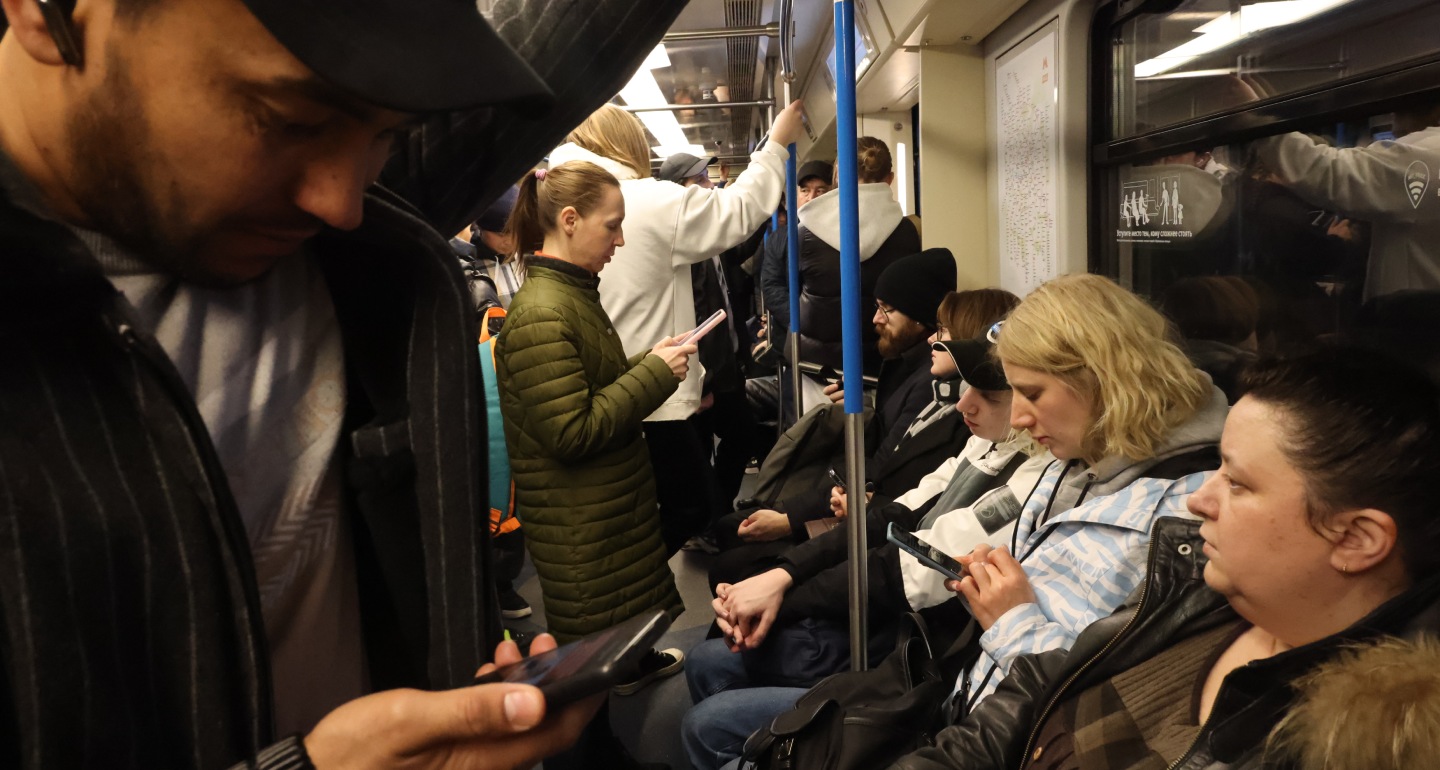
With its scattershot approach to enforcing internet censorship, the Russian regime risks losing a battle against the many Russians who have learned to evade online restrictions.

Maria Kolomychenko

A much-discussed disagreement over internet restrictions in Russia was never an existential threat for Putin: It was about elite groups protecting their interests.

Alexandra Prokopenko

The demands of the Kremlin’s war in Ukraine, demographic problems, and public hostility toward Central Asians mean Russia does not have enough workers.

Salavat Abylkalikov
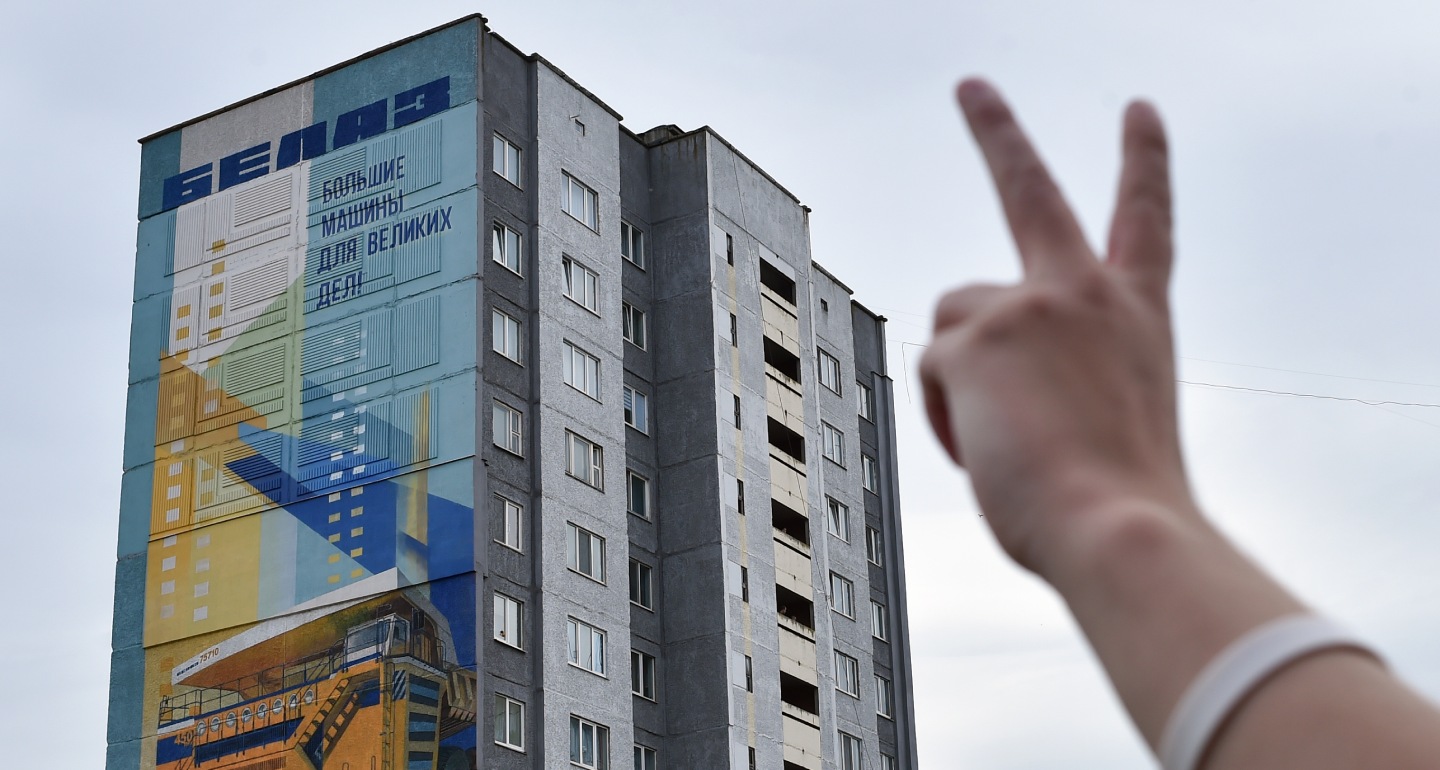
Minsk’s faith in the future of its larger neighbor’s economy is fading as Belarusian firms in Russia see record losses.

Olga Loiko
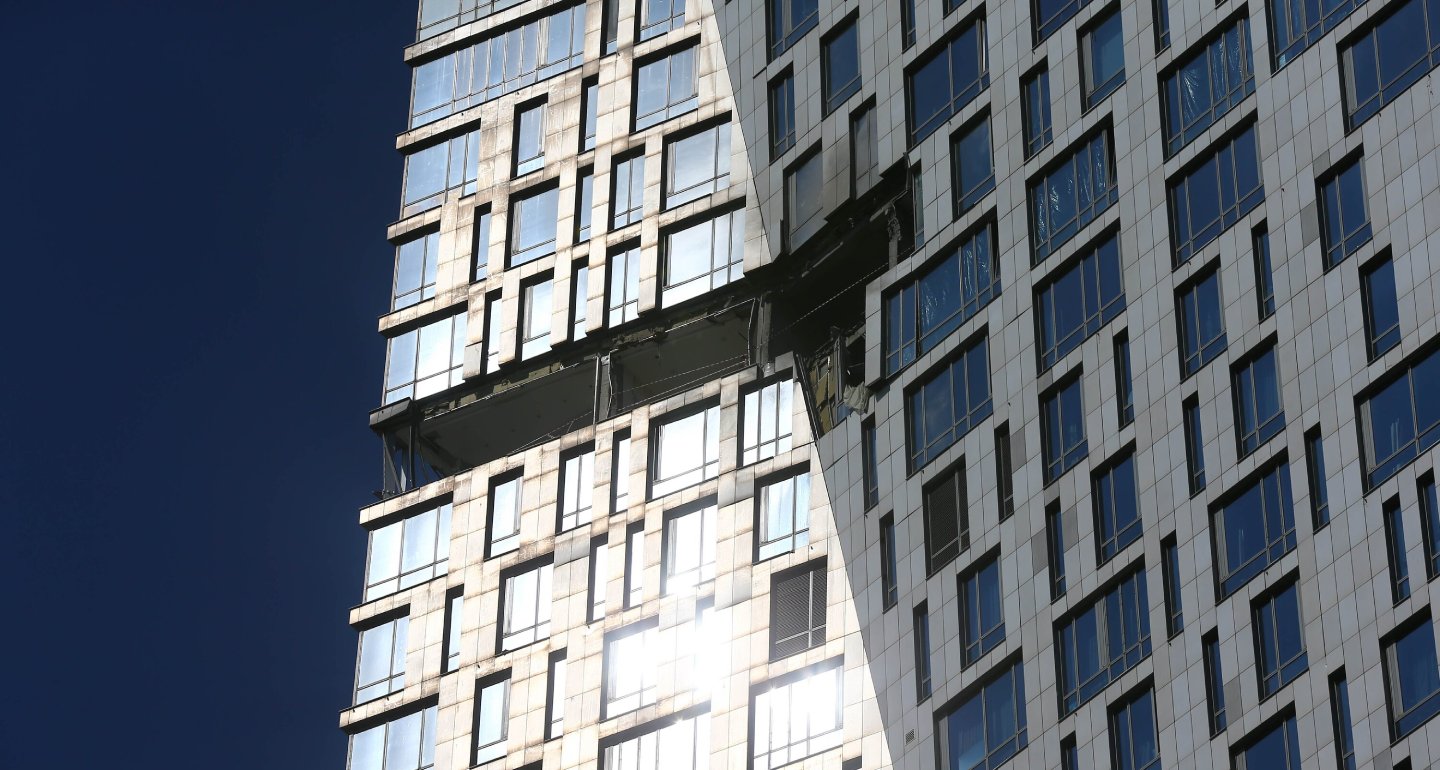
The cost of air defense has become an unregistered tax on revenue for businesses. While military rents are consolidated in the federal budget, the costs of defense are being spread across the balance sheets of companies and regional governments.
Alexandra Prokopenko