

Article
Rupert Barrett-Taylor, Gavin Wilde
{
  "authors": [
    "Gavin Wilde"
  ],
  "type": "legacyinthemedia",
  "centerAffiliationAll": "dc",
  "centers": [
    "Carnegie Endowment for International Peace"
  ],
  "collections": [],
  "englishNewsletterAll": "ctw",
  "nonEnglishNewsletterAll": "",
  "primaryCenter": "Carnegie Endowment for International Peace",
  "programAffiliation": "TIA",
  "programs": [
    "Technology and International Affairs"
  ],
  "projects": [],
  "regions": [
    "North America",
    "United States",
    "Iran"
  ],
  "topics": [
    "Technology"
  ]
}
REQUIRED IMAGE
The most persistent and enduring threats from the cyber domain are best addressed through investments in law enforcement, civil infrastructure, public-private resiliency, and international coalitions—less through military superiority.
Former Nonresident Fellow, Technology and International Affairs
Gavin Wilde was a nonresident fellow in the Technology and International Affairs Program at the Carnegie Endowment for International Peace. He applies his expertise on Russia and information warfare to examine the strategic challenges posed by cyber and information operations, propaganda, and emerging technologies.
Recent Work
Rupert Barrett-Taylor, Gavin Wilde
Gavin Wilde
Carnegie does not take institutional positions on public policy issues; the views represented herein are those of the author(s) and do not necessarily reflect the views of Carnegie, its staff, or its trustees.
Ongoing uncertainty in the Middle East allows Moscow to both increase its influence in Tehran and continue to enjoy the financial windfall of higher oil prices.

Nikita Smagin

A much-discussed disagreement over internet restrictions in Russia was never an existential threat for Putin: It was about elite groups protecting their interests.

Alexandra Prokopenko

Governments in Estonia, Latvia, and Lithuania want to ensure that a U.S. military withdrawal would not leave them dangerously exposed to a Russian attack.

Sergejs Potapkins

For Lukashenko, abandoning Western internet services and embracing Russian equivalents would mean tying himself even closer to Moscow.

Artyom Shraibman
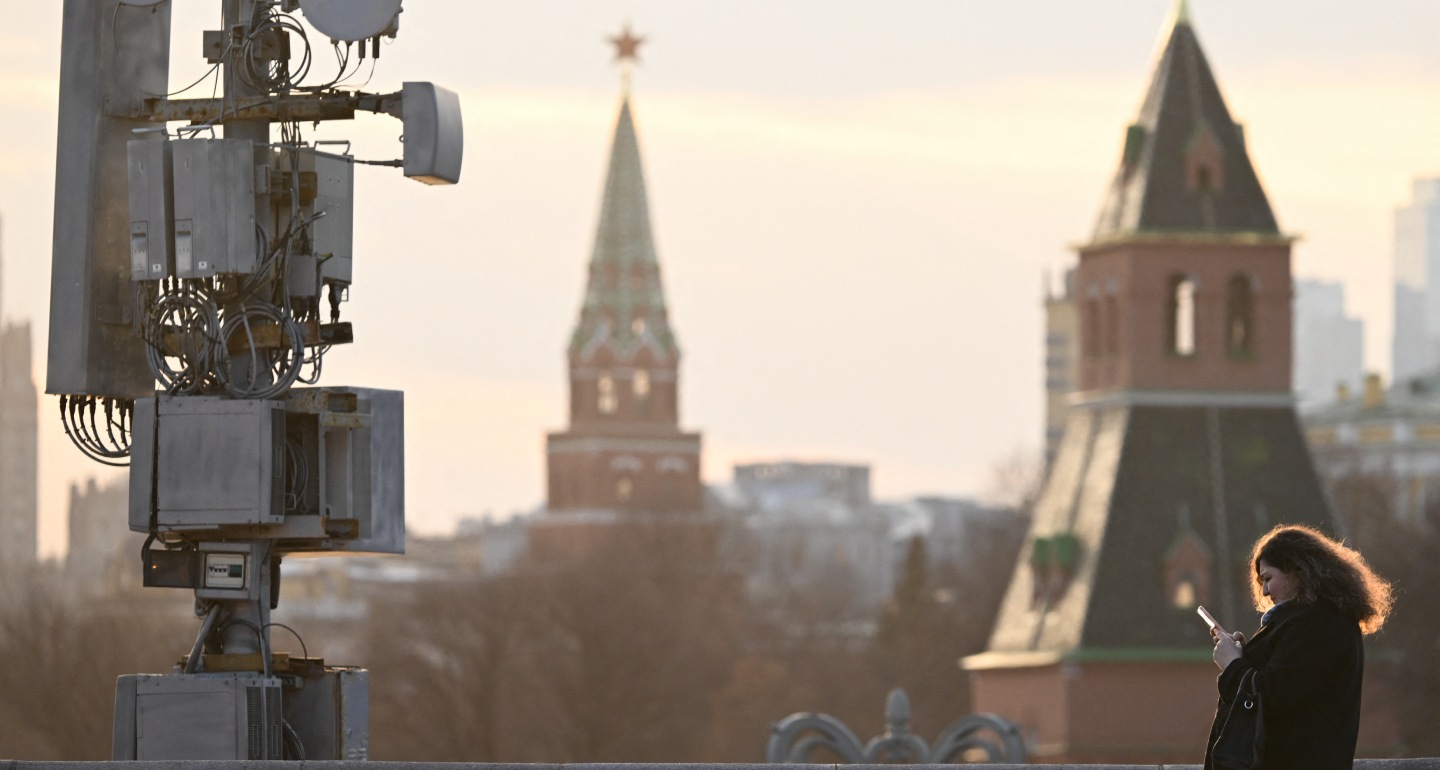
The Russian state has opted for complete ideological control of the internet and is prepared to bear the associated costs.

Maria Kolomychenko