

Commentary
Matt O'Shaughnessy
{
  "authors": [
    "Matt O'Shaughnessy"
  ],
  "type": "legacyinthemedia",
  "centerAffiliationAll": "dc",
  "centers": [
    "Carnegie Endowment for International Peace"
  ],
  "collections": [],
  "englishNewsletterAll": "ctw",
  "nonEnglishNewsletterAll": "",
  "primaryCenter": "Carnegie Endowment for International Peace",
  "programAffiliation": "TIA",
  "programs": [
    "Technology and International Affairs"
  ],
  "projects": [],
  "regions": [
    "Iran"
  ],
  "topics": [
    "Technology"
  ]
}
REQUIRED IMAGE
The notion that algorithmic systems should be "explainable" is common in the many statements of consensus principles developed by governments, companies, and advocacy organizations.
Former Visiting Fellow, Technology and International Affairs Program
Matt O’Shaughnessy was a visiting fellow in the Technology and International Affairs Program at the Carnegie Endowment for International Peace, where he applies his technical background in machine learning to research on the geopolitics and global governance of technology.
Recent Work
Matt O'Shaughnessy
Matt O'Shaughnessy
Carnegie does not take institutional positions on public policy issues; the views represented herein are those of the author(s) and do not necessarily reflect the views of Carnegie, its staff, or its trustees.
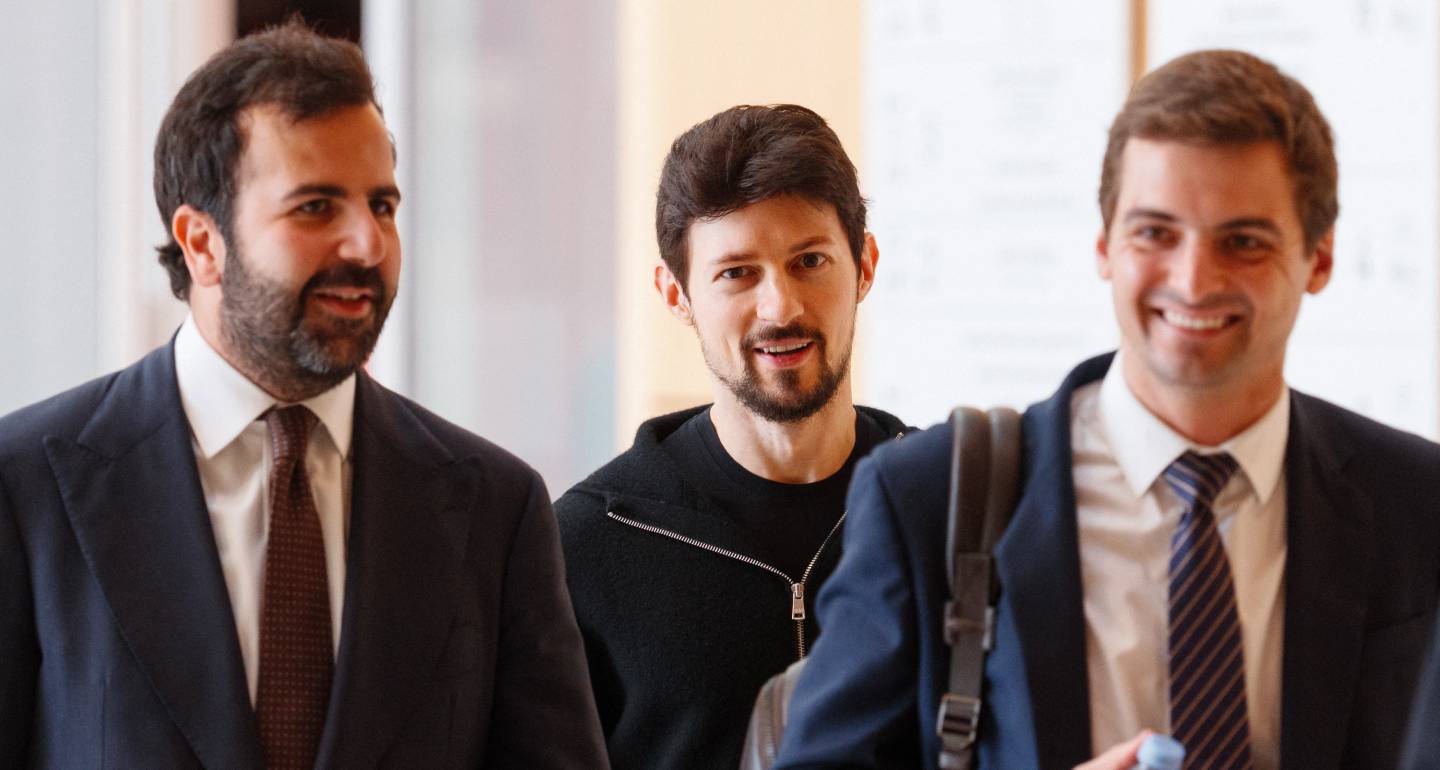
While France and Australia are seeking to establish the legal obligations of messaging apps like Telegram, Russia wants total subordination.

Maria Kolomychenko

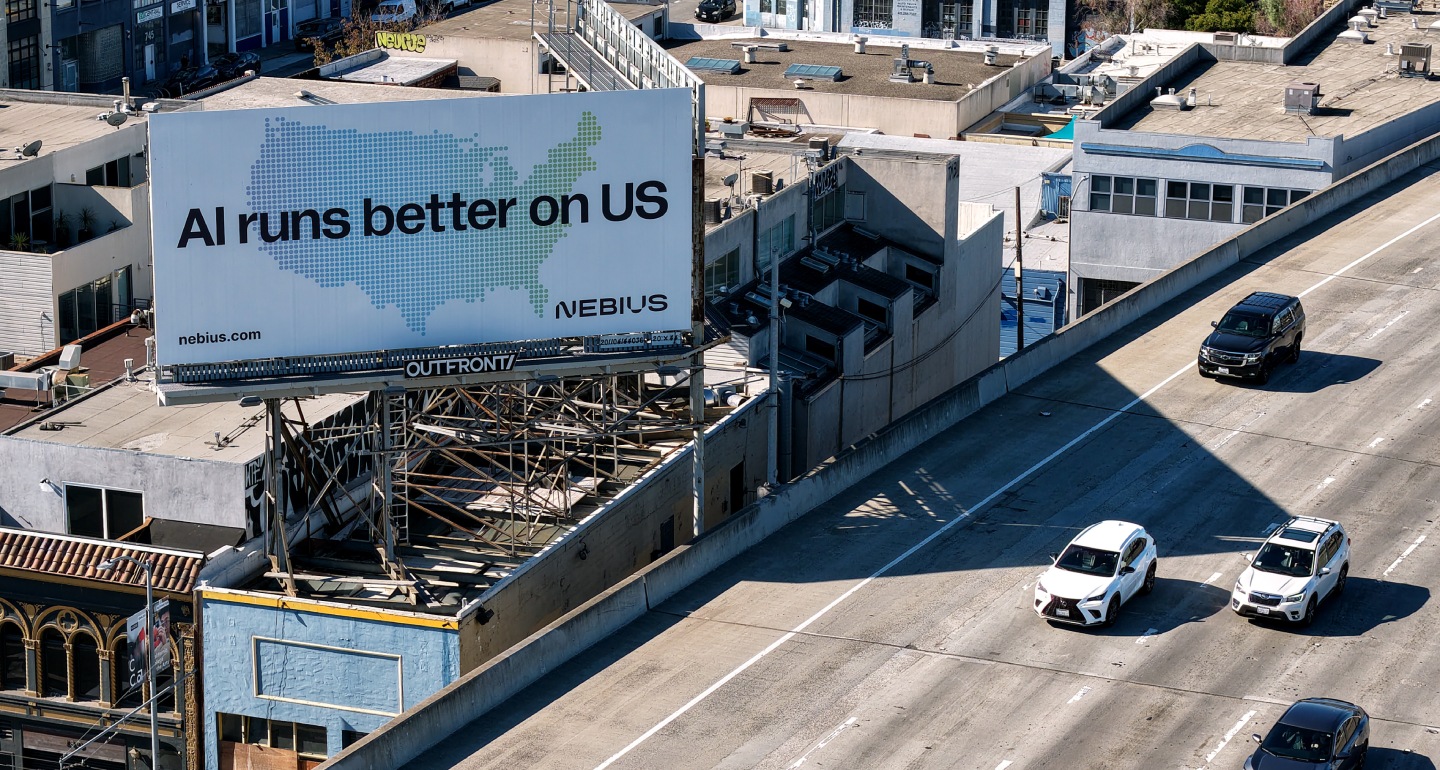
The war in Ukraine and a change in ownership led VK to neglect its commercial ventures in favor of implementing the Kremlin’s online agenda. Now it’s been sanctioned by the EU.
Maria Kolomychenko
When political power is concentrated in the hands of a small circle of people, a country invariably ends up with technological stagnation.
Aleksei Kiselev
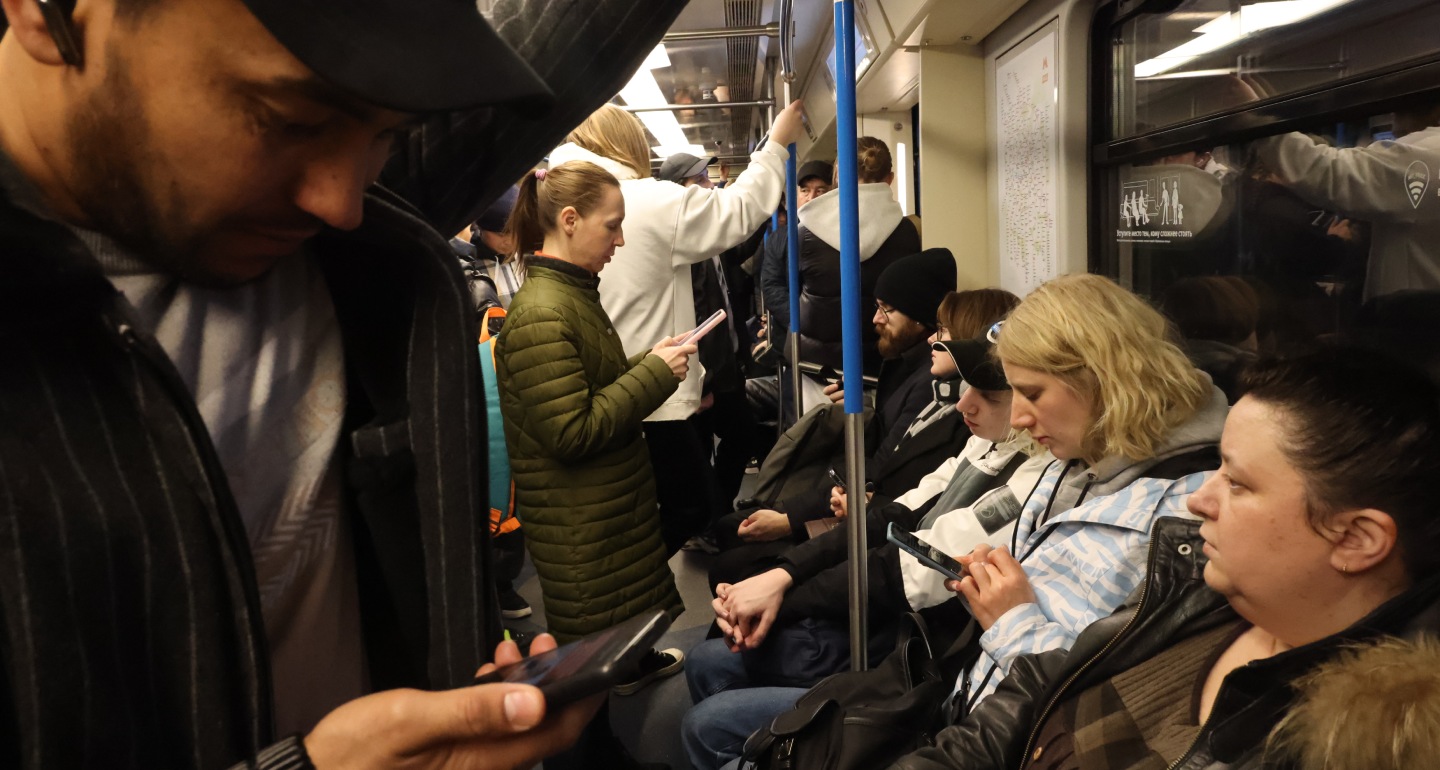
With its scattershot approach to enforcing internet censorship, the Russian regime risks losing a battle against the many Russians who have learned to evade online restrictions.
Maria Kolomychenko
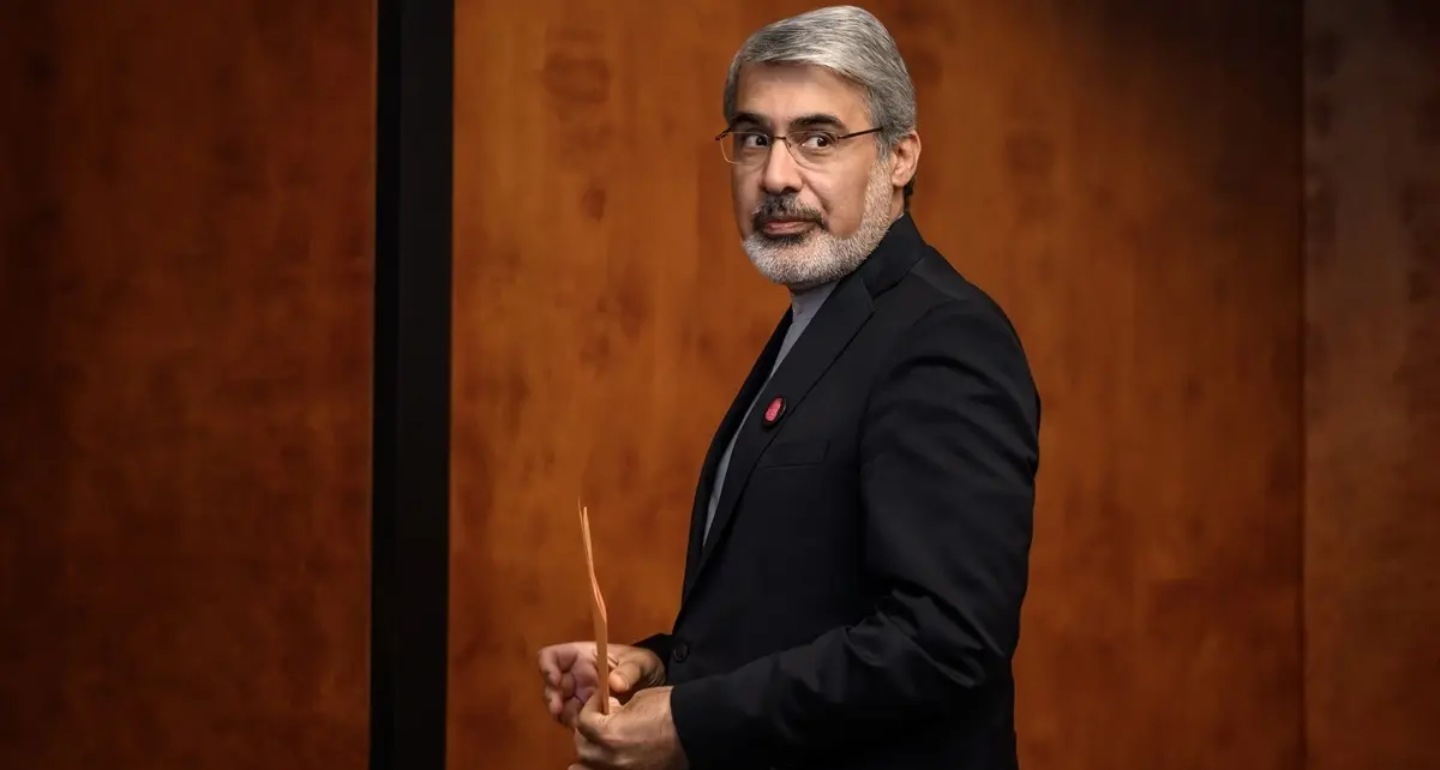
Ongoing uncertainty in the Middle East allows Moscow to both increase its influence in Tehran and continue to enjoy the financial windfall of higher oil prices.

Nikita Smagin