
For all the menacing rhetoric, the Armenian prime minister remains a leader with whom Putin is prepared to interact: not as an ally, but as a partner, albeit a problematic one.
Alexander Atasuntsev
{
"authors": [
"Francis Fukuyama"
],
"type": "legacyinthemedia",
"centerAffiliationAll": "dc",
"centers": [
"Carnegie Endowment for International Peace"
],
"collections": [],
"englishNewsletterAll": "democracy",
"nonEnglishNewsletterAll": "",
"primaryCenter": "Carnegie Endowment for International Peace",
"programAffiliation": "DCG",
"programs": [
"Democracy, Conflict, and Governance"
],
"projects": [],
"regions": [],
"topics": [
"Political Reform",
"Democracy"
]
}REQUIRED IMAGE
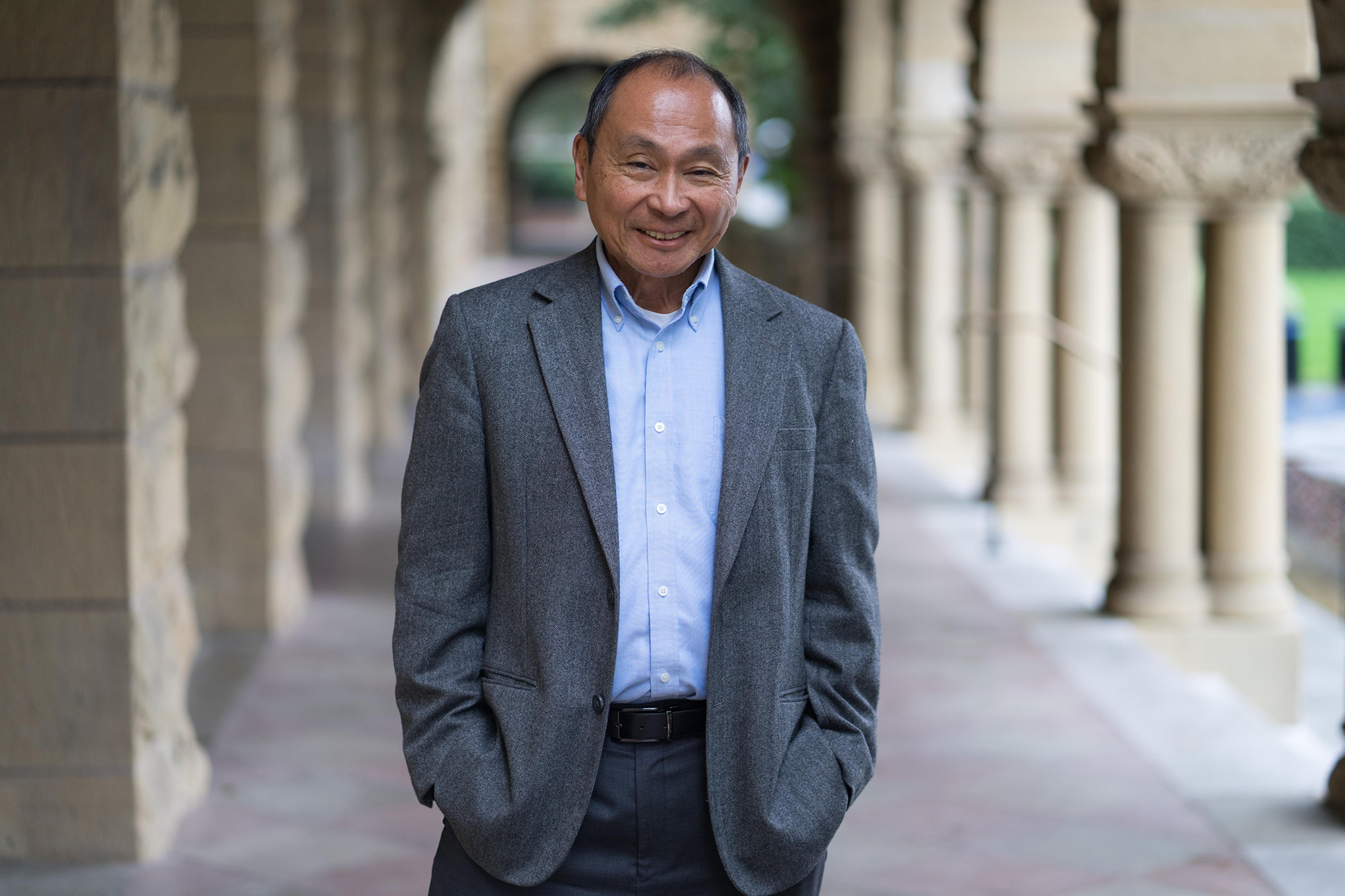
In our polarized internet age, neither social media platforms nor the state can be counted on to regulate content. Middleware may be the best approach, argues Francis Fukuyama in his latest blog post.
Nonresident Scholar, Democracy, Conflict, and Governance Program
Francis Fukuyama is a nonresident scholar in Carnegie’s Democracy, Conflict, and Governance Program, where his research focuses on democratization and international political economy.
Carnegie does not take institutional positions on public policy issues; the views represented herein are those of the author(s) and do not necessarily reflect the views of Carnegie, its staff, or its trustees.
For all the menacing rhetoric, the Armenian prime minister remains a leader with whom Putin is prepared to interact: not as an ally, but as a partner, albeit a problematic one.
Alexander Atasuntsev
By fueling the arguments of both supporters and opponents of Armenian Prime Minister Nikol Pashinyan, Azerbaijan wants to ensure he is re-elected with a weaker mandate.
Bashir Kitachaev
Anger over online restrictions has led to a surge in support for the New People party, which has replaced the Communists as Russia’s second most popular political party.
Andrey Pertsev
The Russian regime is now visibly motivated by fear.
Alexander Baunov
The return of parliamentary politics reflects a broader shift from earlier expectations of a settlement and elections toward the reality of a prolonged war.
Balázs Jarábik







