

Commentary
In the discussions made possible by the State Duma election campaign, one question is being asked more and more loudly. “What next?”
Andrey Pertsev
{
  "authors": [
    "Cornelius Adebahr",
    "Barbara Mittelhammer"
  ],
  "type": "other",
  "centerAffiliationAll": "dc",
  "centers": [
    "Carnegie Endowment for International Peace",
    "Carnegie Europe"
  ],
  "collections": [
    "Europe’s Southern Neighborhood"
  ],
  "englishNewsletterAll": "ctw",
  "nonEnglishNewsletterAll": "",
  "primaryCenter": "Carnegie Europe",
  "programAffiliation": "EP",
  "programs": [
    "Europe"
  ],
  "projects": [],
  "regions": [
    "Middle East",
    "Europe",
    "Iran",
    "Western Europe"
  ],
  "topics": [
    "Foreign Policy",
    "EU",
    "Political Reform"
  ]
}
Source: Getty
Marginalized groups in Iran are disproportionately affected by the regime’s systemic repression and by the country’s socio-economic and ecological crises. The EU must integrate these groups’ perspectives into its policies and work with civil society to address Tehran’s human rights violations.
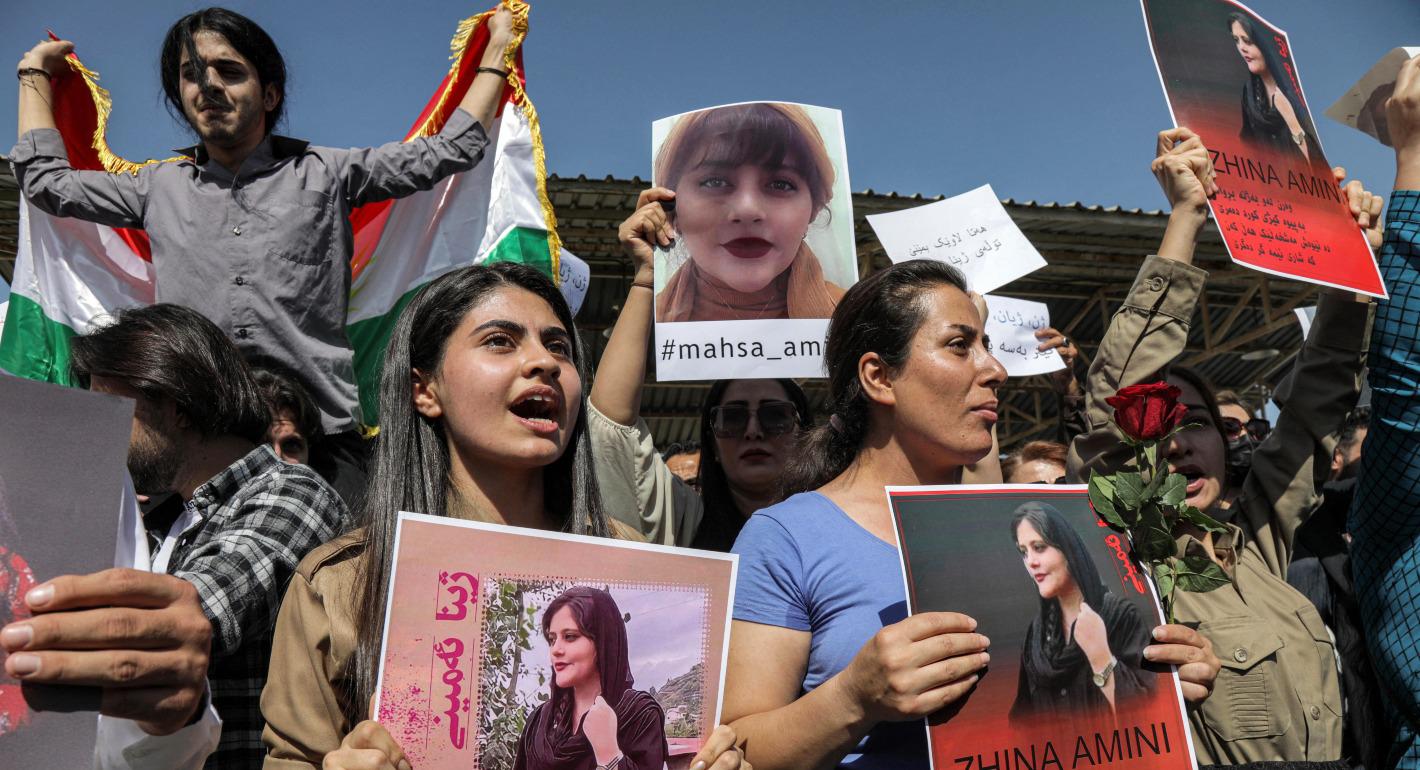
The revolt that has gripped Iran for nearly a year has exposed deep layers of systemic and violent oppression. It has also highlighted the country’s severe economic and environmental crises, which have hit people in peripheral regions especially hard. Marginalized groups face particularly violent state repression: the regime is targeting minority groups with arbitrary arrests, torture, sexual and gender-based violence, forced disappearances, and executions. As a consequence, the number of individuals with minority backgrounds among the protesters killed or sentenced to death is disproportionately high. People who face multiple layers of discrimination, such as women or members of the LGBTQ community, are confronted with both state repression and a societal backlash in their own communities.
Yet, this impact on already marginalized actors and their roles in the revolt have received scant international attention. To include their perspectives, however, is relevant for an actor like the EU not only to fully understand developments in Iran but also to grasp the overall sociopolitical context and refine the union’s response.
The Iranian regime’s violent response to the ongoing revolt builds on decades of systemic discrimination to restrict the country’s cultural, political, civic, and socioeconomic spheres. Yet, the disproportionate effects of repression on Iran’s already marginalized communities have been poorly understood internationally. To increase its political leverage, the EU should coordinate with established civil society groups to draw international attention to Tehran’s human rights violations and expand sanctions against those responsible for the persecution. In the longer term, the EU needs to develop a strategic framework to work with and support Iranian civil society, especially marginalized actors, on a sustainable basis.
Former Nonresident Fellow, Carnegie Europe
Cornelius Adebahr was a nonresident fellow at Carnegie Europe. His research focuses on foreign and security policy, in particular regarding Iran and the Persian Gulf, on European and transatlantic affairs, and on citizens’ engagement.
Barbara Mittelhammer
Barbara Mittelhammer is an independent political analyst and consultant. Her research focuses on human security, gender in peace and security, feminist foreign policy, and the role of civil society in foreign policy making.
Carnegie does not take institutional positions on public policy issues; the views represented herein are those of the author(s) and do not necessarily reflect the views of Carnegie, its staff, or its trustees.

In the discussions made possible by the State Duma election campaign, one question is being asked more and more loudly. “What next?”

Andrey Pertsev

When faced with fuel shortages in the past, Central Asian governments could always count on additional supplies from Moscow. That safety net no longer exists.

Galiya Ibragimova

Two divergent trends—Putin’s hardline vision of how to prosecute the war in Ukraine, and a growing desire for change in Russia—could tear the regime apart.

Tatiana Stanovaya
Ultimately, Zelensky sided neither with the reform camp nor with the military establishment as such, but with political control.

Balázs Jarábik
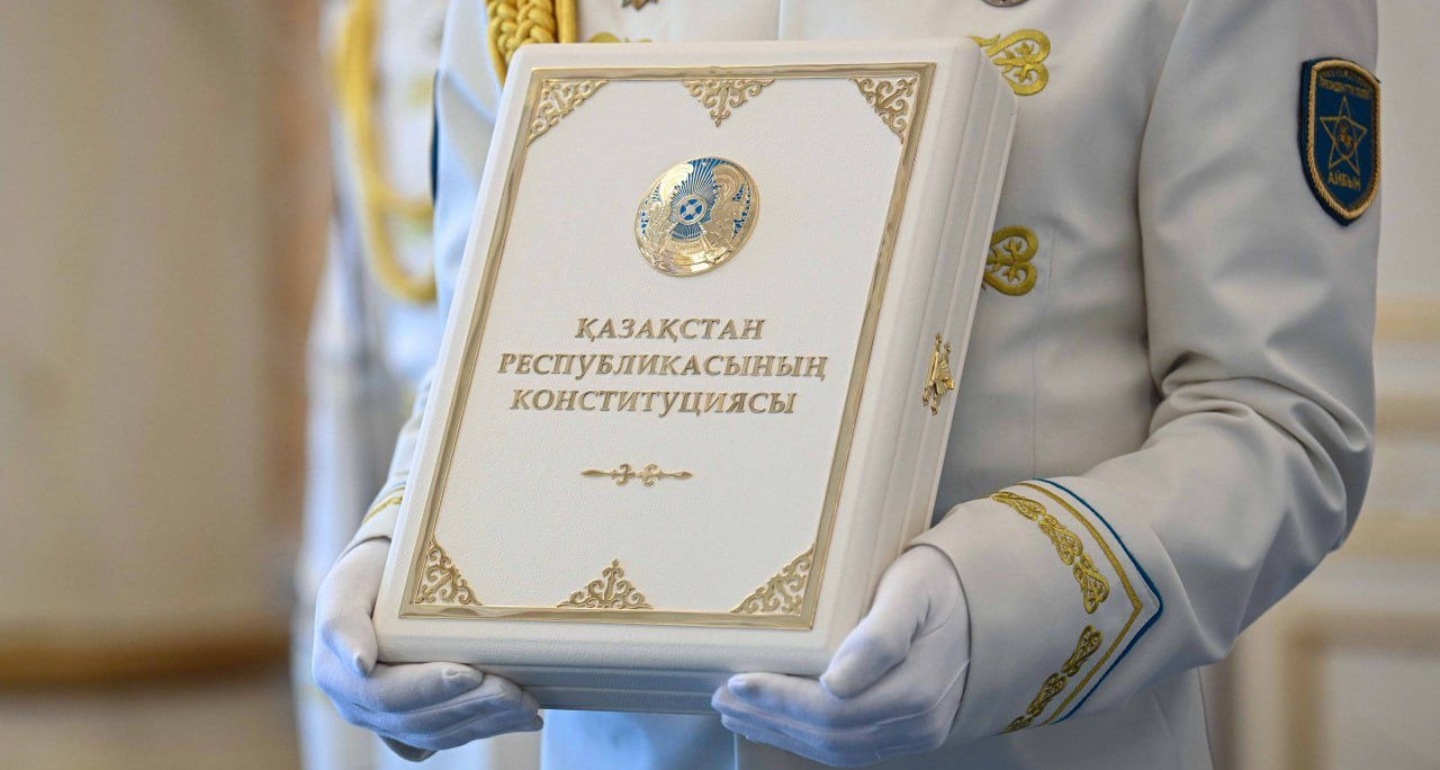
Tokayev’s predecessor, Nursultan Nazarbayev, outlined arrangements for a power transition too soon and in too much detail, ultimately losing control over the process. Tokayev is determined not to meet the same fate.

Temur Umarov