

Commentary
This year’s wars have made alternative routes to transit through Russia no less risky for Central Asian countries.
Galiya Ibragimova
{
  "authors": [],
  "type": "scholarSpotlight",
  "centerAffiliationAll": "dc",
  "centers": [
    "Carnegie Endowment for International Peace"
  ],
  "collections": [],
  "englishNewsletterAll": "asia",
  "nonEnglishNewsletterAll": "",
  "primaryCenter": "Carnegie Endowment for International Peace",
  "programAffiliation": "AP",
  "programs": [
    "Asia"
  ],
  "projects": [],
  "regions": [
    "North America",
    "United States",
    "East Asia",
    "South Korea",
    "North Korea"
  ],
  "topics": [
    "Security",
    "Foreign Policy"
  ]
}
Source: Getty
My work will address the evolving landscape of political, economic, and social dynamics in the Koreas and their implications for U.S. policy.
How will the long-standing U.S.–South Korea partnership adjust to regional challenges? How do the two countries’ perceptions of each other affect policy decisions on the alliance, North Korea, and Indo-Pacific cooperation in the face of emerging social and economic changes?
My research explores the interactive and transnational dimensions of domestic and foreign policy regarding U.S. relations with the Korean Peninsula. I delve into the interactive dynamics within and across Washington, Seoul, and Pyongyang, examining how domestic politics and social changes intertwine in transnational alliance issues amid evolving geopolitical landscapes.
I join Carnegie as a political scientist and policy analyst with fifteen years of experience working in and on Korean affairs, including living in Seoul from 2008 through 2013. My work will center around three policy-driven questions, addressing the evolving landscape of political, economic, and social dynamics in the Koreas and their implications for U.S. policy, while scrutinizing the strategic shifts within the broader Indo-Pacific framework.
First, South Korea’s latent debates on whether and how to acquire a nuclear capability to deter North Korea—whether via U.S. redeployment of nuclear assets to the peninsula or the pursuit of its own indigenous nuclear program—have become a full-fledged issue at the top of the strategic agenda. The 2023 bilateral Washington Declaration may have reined in some of the urgency in the near term, but the issue is by no means settled. These debates are still misunderstood in Washington, leading to strategic and political uncertainties.
Second, I bring to our policy conversations on-the-ground insights to changing social and economic trends in both North and South Korea. Demographic decline, gender politics, political polarization, labor market strain, and migration patterns have already had large effects on South Korean politics and security choices. I’ve conducted in-depth field research on these issues, and without understanding them substantively, we risk mischaracterizing and overlooking the interests driving Seoul’s foreign policy.
Third, looking north of the DMZ, Kim Jong Un’s North Korea is a different country than that of his forebears. With Kim’s nurturing of a sound nuclear arsenal and increasingly developed intercontinental missile capabilities, the United States and its allies have entered a new era of nuclear politics. Diplomatic efforts will need to reframe and recalibrate their approach to not only attain security and regional stability but also address governance concerns.
At Carnegie, I’m excited to join a truly global network of thinkers and practitioners to delve into these and other emerging issues, not only to advance the interests of the United States and its allies but also in service of fostering stability, progress, and prosperity in the Indo-Pacific.
Carnegie does not take institutional positions on public policy issues; the views represented herein are those of the author(s) and do not necessarily reflect the views of Carnegie, its staff, or its trustees.
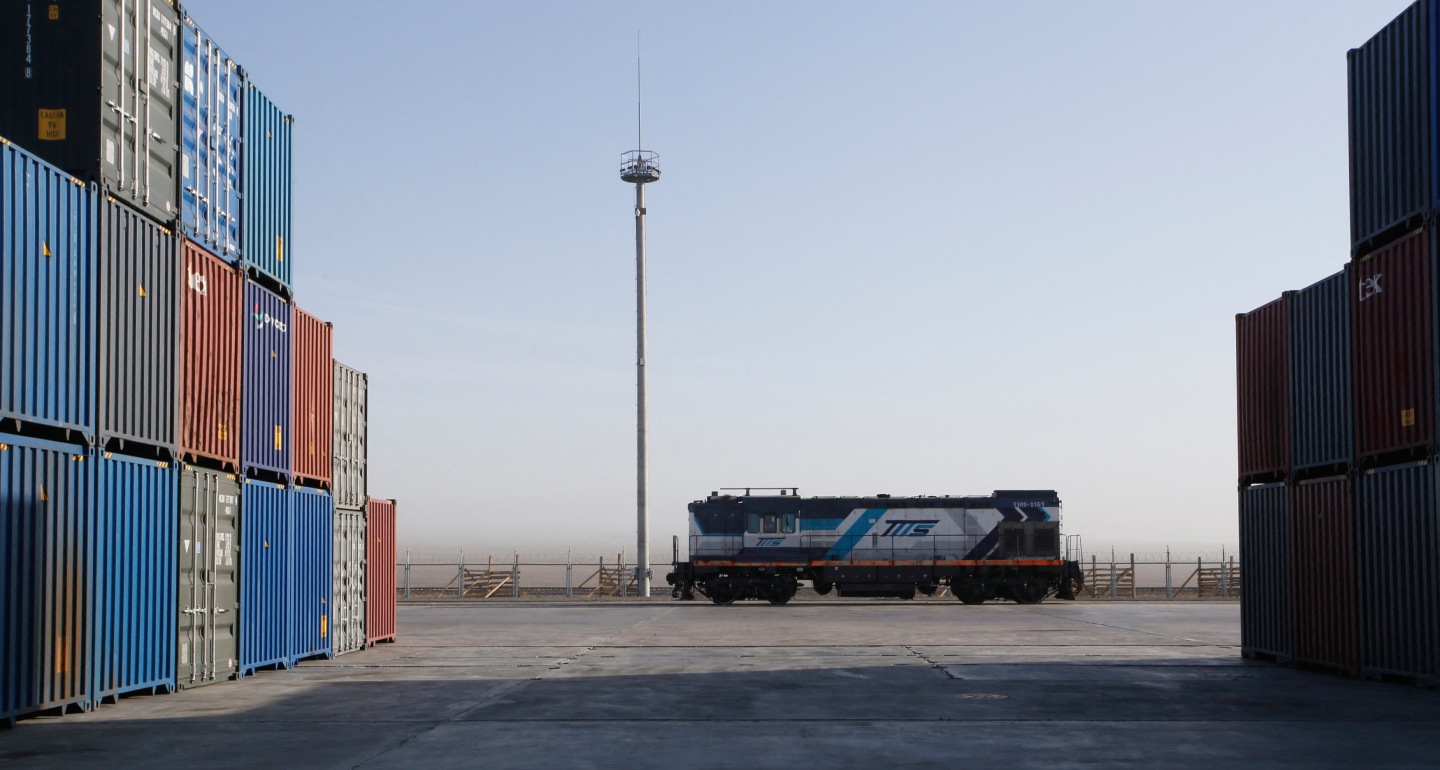
This year’s wars have made alternative routes to transit through Russia no less risky for Central Asian countries.

Galiya Ibragimova
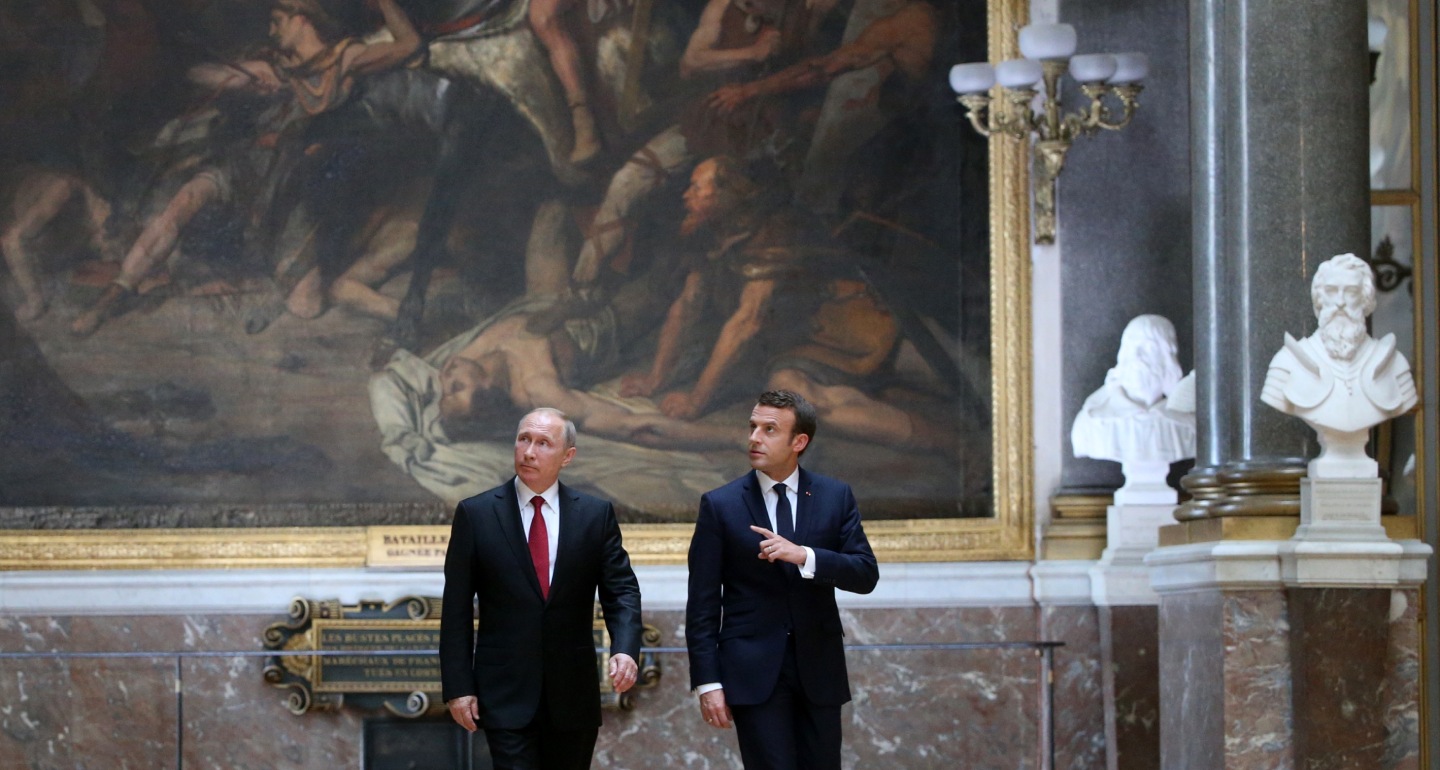
Reestablishing a dialogue with Moscow is not a goal in its own right. The goal is to guarantee the independence of Ukraine and the peace and security of Europe.
Arkady Moshes
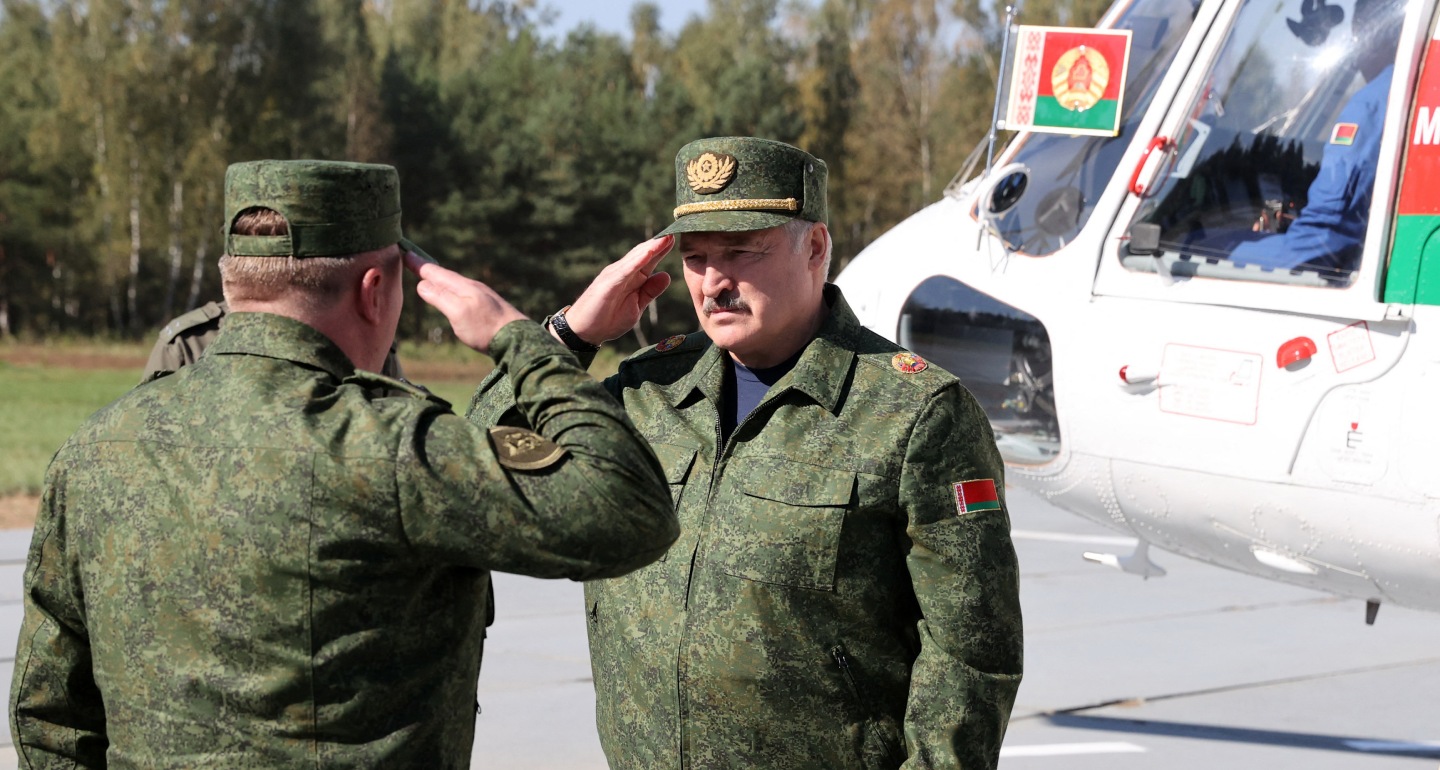
Ukraine’s increasingly confrontational posture on Belarus reflects Kyiv’s effort to shape the emerging regional order in Eastern Europe. Kyiv wants to limit European normalization with Minsk—and any future rapprochement with Russia.

Balázs Jarábik

By fueling the arguments of both supporters and opponents of Armenian Prime Minister Nikol Pashinyan, Azerbaijan wants to ensure he is re-elected with a weaker mandate.

Bashir Kitachaev
A much-discussed disagreement over internet restrictions in Russia was never an existential threat for Putin: It was about elite groups protecting their interests.

Alexandra Prokopenko