

Article
Rupert Barrett-Taylor, Gavin Wilde
{
  "authors": [
    "Gavin Wilde"
  ],
  "type": "legacyinthemedia",
  "centerAffiliationAll": "dc",
  "centers": [
    "Carnegie Endowment for International Peace"
  ],
  "collections": [
    "Studying Conflict in the Information Environment"
  ],
  "englishNewsletterAll": "ctw",
  "nonEnglishNewsletterAll": "",
  "primaryCenter": "Carnegie Endowment for International Peace",
  "programAffiliation": "TIA",
  "programs": [
    "Technology and International Affairs"
  ],
  "projects": [
    "Information Environment Project"
  ],
  "regions": [],
  "topics": [
    "Democracy",
    "Foreign Policy",
    "Technology"
  ]
}
Source: Getty
American leaders and scholars have long feared the prospect that hostile foreign powers could subvert democracy by spreading false, misleading, and inflammatory information by using various media.
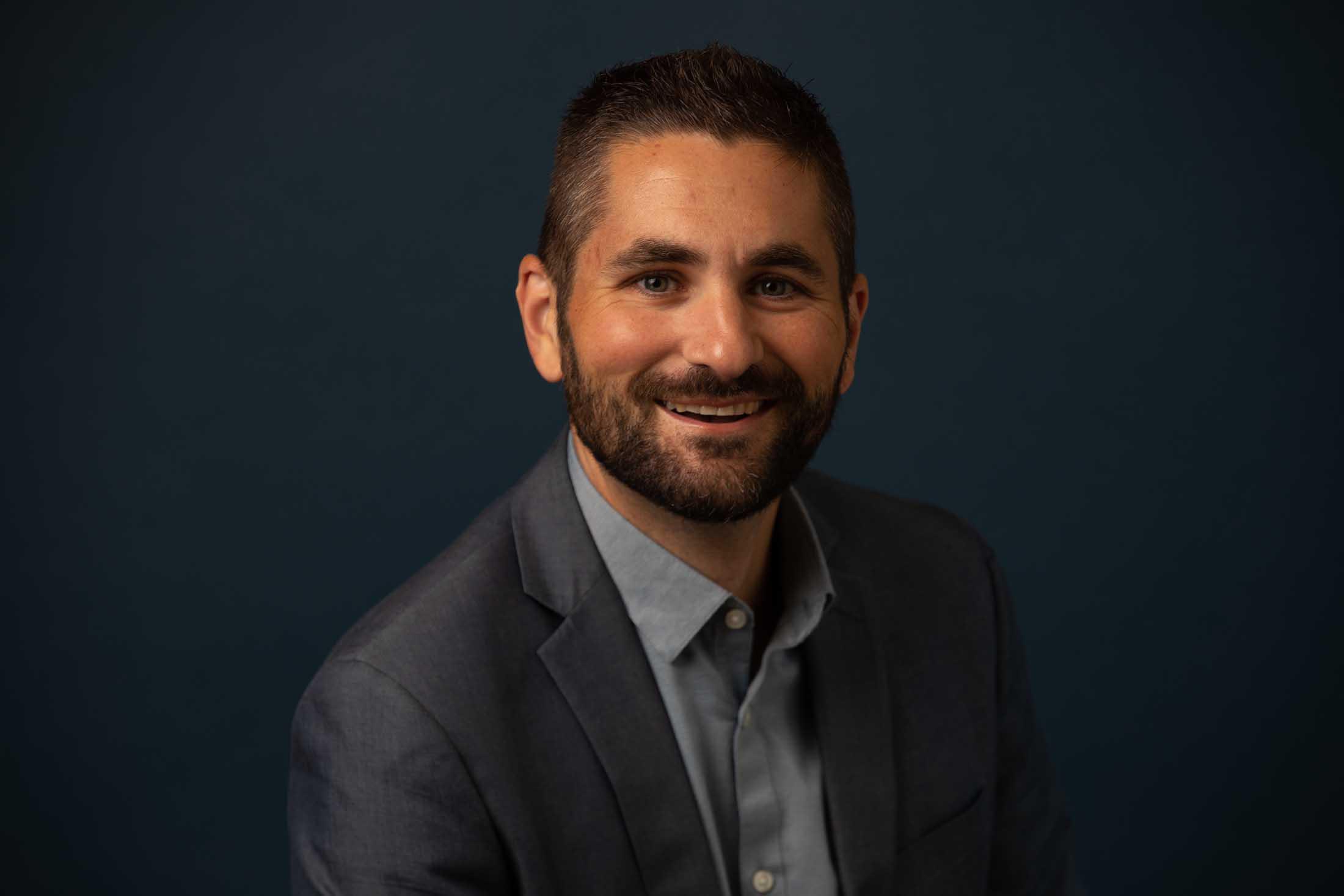
Former Nonresident Fellow, Technology and International Affairs
Gavin Wilde was a nonresident fellow in the Technology and International Affairs Program at the Carnegie Endowment for International Peace. He applies his expertise on Russia and information warfare to examine the strategic challenges posed by cyber and information operations, propaganda, and emerging technologies.
Recent Work
Rupert Barrett-Taylor, Gavin Wilde
Gavin Wilde
Carnegie does not take institutional positions on public policy issues; the views represented herein are those of the author(s) and do not necessarily reflect the views of Carnegie, its staff, or its trustees.

Minsk clearly expected the dialogue with Washington to yield more results, in particular the lifting of EU sanctions and permission to export potash.

Artyom Shraibman
While France and Australia are seeking to establish the legal obligations of messaging apps like Telegram, Russia wants total subordination.

Maria Kolomychenko

With the growth in points of friction between the great powers, organizations like the SCO will continue to play a role in the strategic adaptation of the smaller powers caught between them.

Temur Umarov
The war in Ukraine and a change in ownership led VK to neglect its commercial ventures in favor of implementing the Kremlin’s online agenda. Now it’s been sanctioned by the EU.
Maria Kolomychenko

When faced with fuel shortages in the past, Central Asian governments could always count on additional supplies from Moscow. That safety net no longer exists.

Galiya Ibragimova