

Commentary
Russian strikes are weakening the economy sustaining Ukraine’s war effort. Closing the growing funding gap will require more European support and politically contentious reforms in Kyiv.
Balázs Jarábik
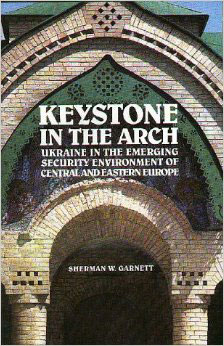
The appearance of an independent Ukraine is one of the most dramatic aspects of the new political geography of Europe. This book examines the importance of an independent and stable Ukraine for the future stability of Europe.
Source: Washington, DC: Carnegie Endowment for International Peace, 1997
The appearance of an independent Ukraine is one of the most dramatic aspects of the new political geography of Europe. This book examines the importance of an independent and stable Ukraine for the future stability of Europe. It analyzes ongoing Ukrainian attempts to construct a coherent state and the implications of those efforts for wider regional stability. It explores the dynamics of the Russia-Ukraine relationship; the rise of new security ties and frictions between Ukraine and its neighbors; and the role of the West in Ukrainian independence and stability. Special attention is given to the security implications of Ukraine's internal ethnic and regional divisions, the Black Sea Fleet, and NATO expansion.
"Precious few books or articles do justice to both the core challenges facing Ukrainian foreign policy and the reasons Ukraine's success or failure in meeting them matters to the rest of Europe. Garnett's book does."
-Foreign Affairs
"A timely and incisive book on an issue of vital importance to Europe's stability?by a creative yet realistic geopolitical analyst."
-Zbigniew Brzezinski, Center for Strategic and International Studies
"Rigorously argued and elegantly written, Keystone in the Arch is a refreshingly no-nonsense analysis that will appeal to specialists and non-specialists alike. Sherman Garnett has produced an indispensable guide to Ukraine's security landscape."
-Alexander J. Motyl, The Harriman Institute, Columbia University
"This is the first comprehensive study of the crucial role of an independent Ukraine in establishing lasting security in Central and Eastern Europe. Garnett's expert analysis of the complex Russia-Ukraine relationship is essential reading for anyone who wants to understand the deeper issues involved in current debates about NATO enlargement and Russia's place in the post-Soviet world."
-Roman Szporluk, Ukrainian Research Institute, Harvard University
Sherman W. Garnett
Carnegie does not take institutional positions on public policy issues; the views represented herein are those of the author(s) and do not necessarily reflect the views of Carnegie, its staff, or its trustees.

Russian strikes are weakening the economy sustaining Ukraine’s war effort. Closing the growing funding gap will require more European support and politically contentious reforms in Kyiv.

Balázs Jarábik

Despite a new textbook, an influx of Russian teachers and managers, and an end to the teaching of Ukrainian, the Kremlin is unlikely to have “reprogrammed” locals.

Konstantin Skorkin

If the Russian-speaking community in Latvia cannot articulate their interests without being seen as disloyal, they could end up embracing a pro-Kremlin agenda.

Sergejs Potapkins
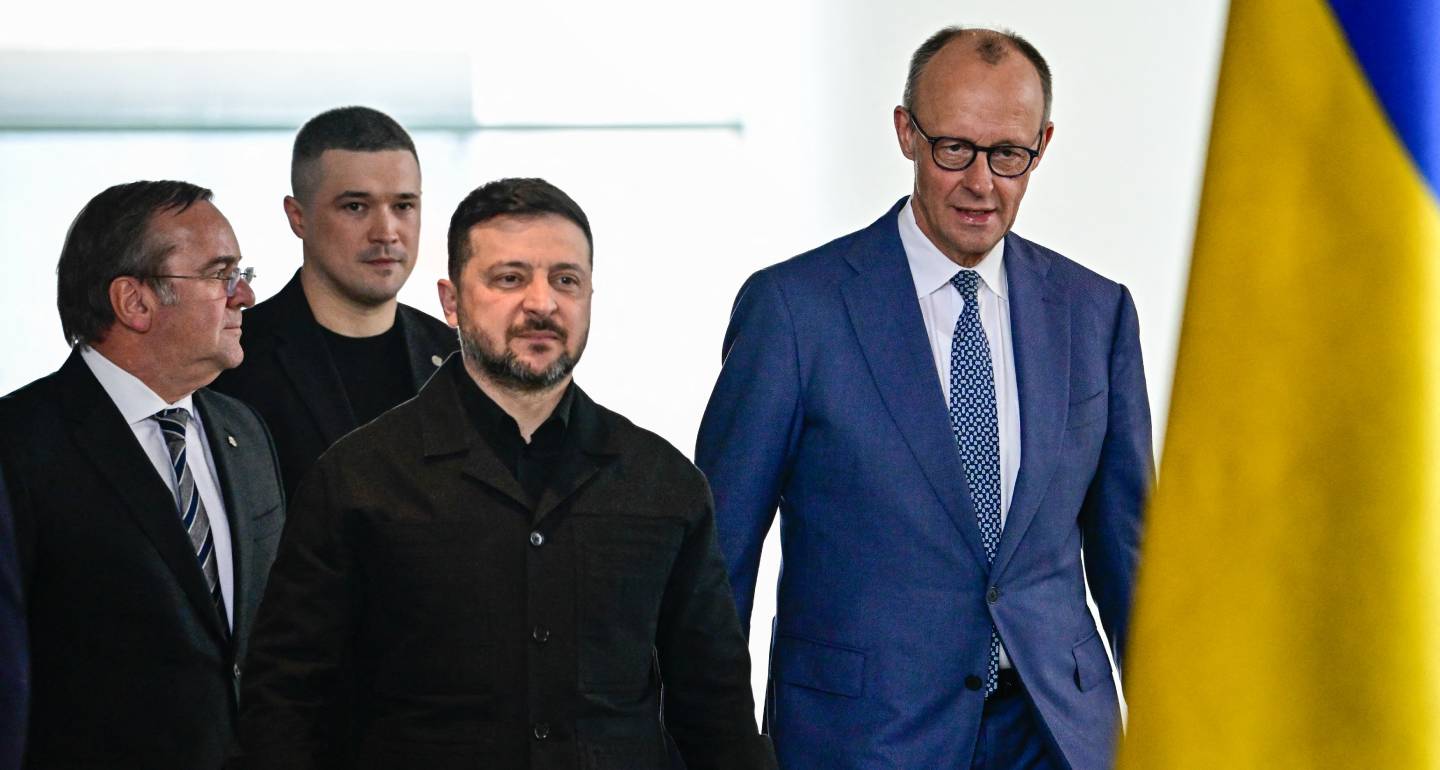
The greater threat to Zelensky comes not from Fedorov alone, but from the convergence between the former defense minister’s political campaign and the anti-corruption investigations moving ever closer to the presidential administration.
Balázs Jarábik
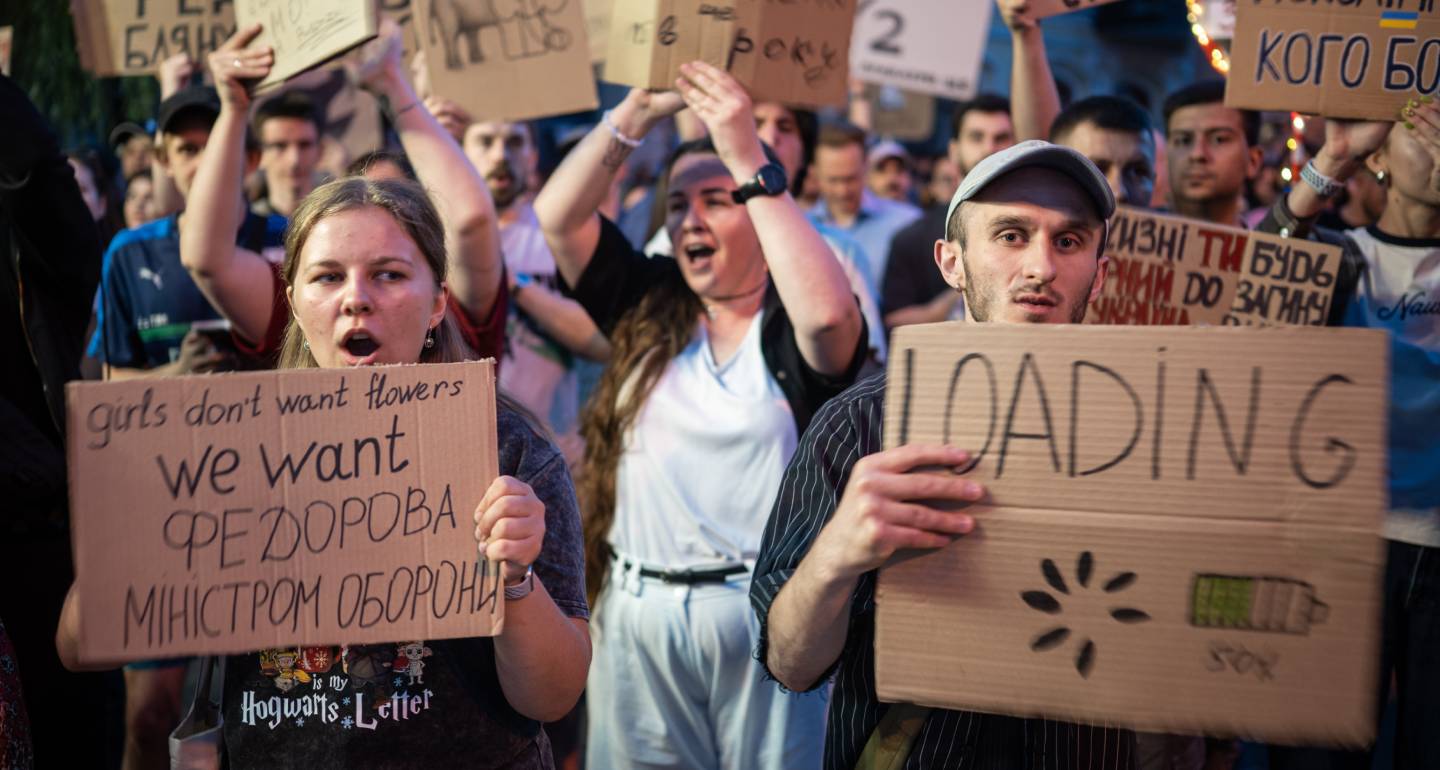
With his public call for new elections in Ukraine, ex-defense minister Mykhailo Fedorov has opened Pandora’s box.
Konstantin Skorkin