

Commentary
When faced with fuel shortages in the past, Central Asian governments could always count on additional supplies from Moscow. That safety net no longer exists.
Galiya Ibragimova

REQUIRED IMAGE
Source: Carnegie
Summary
The issue of how best to promote respect for internationally recognized core labor standards in an increasingly interconnected world has become a major stumbling block to progress in international trade negotiations, both at the multilateral and the regional level. This paper represents an effort to shake loose the current policy logjam, in the FTAA/ALCA process and elsewhere, over incorporating labor issues into trade agreements. It attempts to do so by asserting and describing a viable and credible win-win alternative approach that holds the potential for markedly improving the coverage and enforcement of core labor standards without resort to trade sanctions (or insertion of labor issues into trade negotiations).
Click on link above for full text of this Carnegie Paper.
Carnegie does not take institutional positions on public policy issues; the views represented herein are those of the author(s) and do not necessarily reflect the views of Carnegie, its staff, or its trustees.

When faced with fuel shortages in the past, Central Asian governments could always count on additional supplies from Moscow. That safety net no longer exists.

Galiya Ibragimova
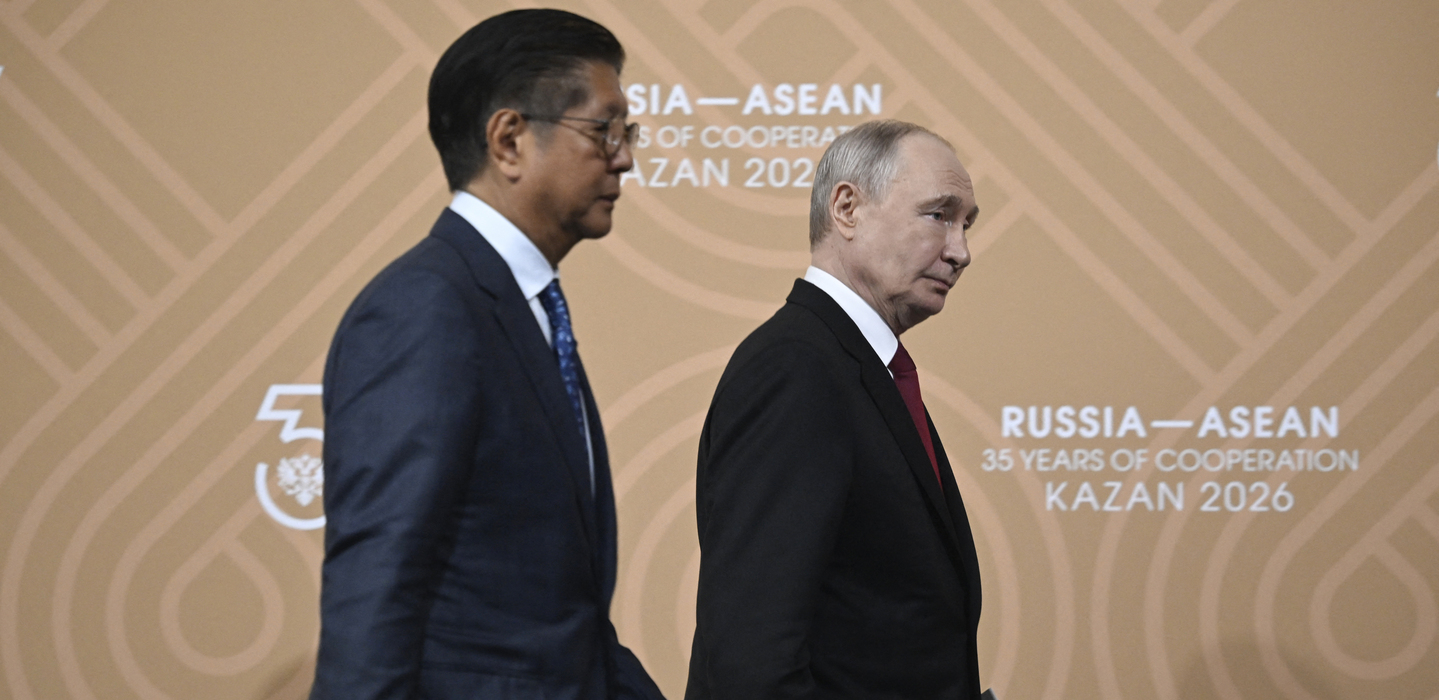
Russia looks set to reap economic benefits from closer ties with Southeast Asian countries that are keen to find reliable energy suppliers and diversify trade ties.

Alexander Gabuev
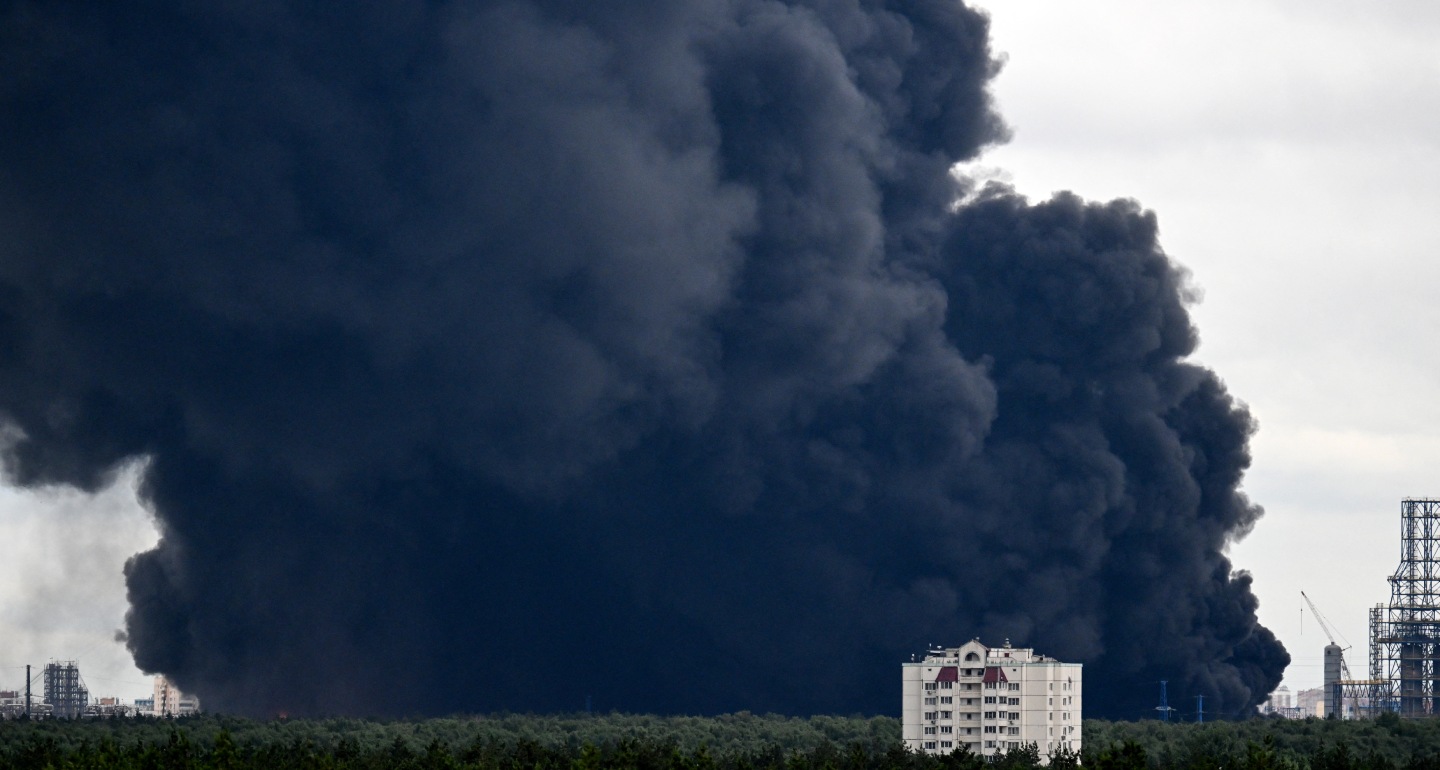
If it proves impossible for the Russian authorities to avoid a gasoline deficit, the question then becomes how they will organize the distribution of a scarce resource.

Sergey Vakulenko
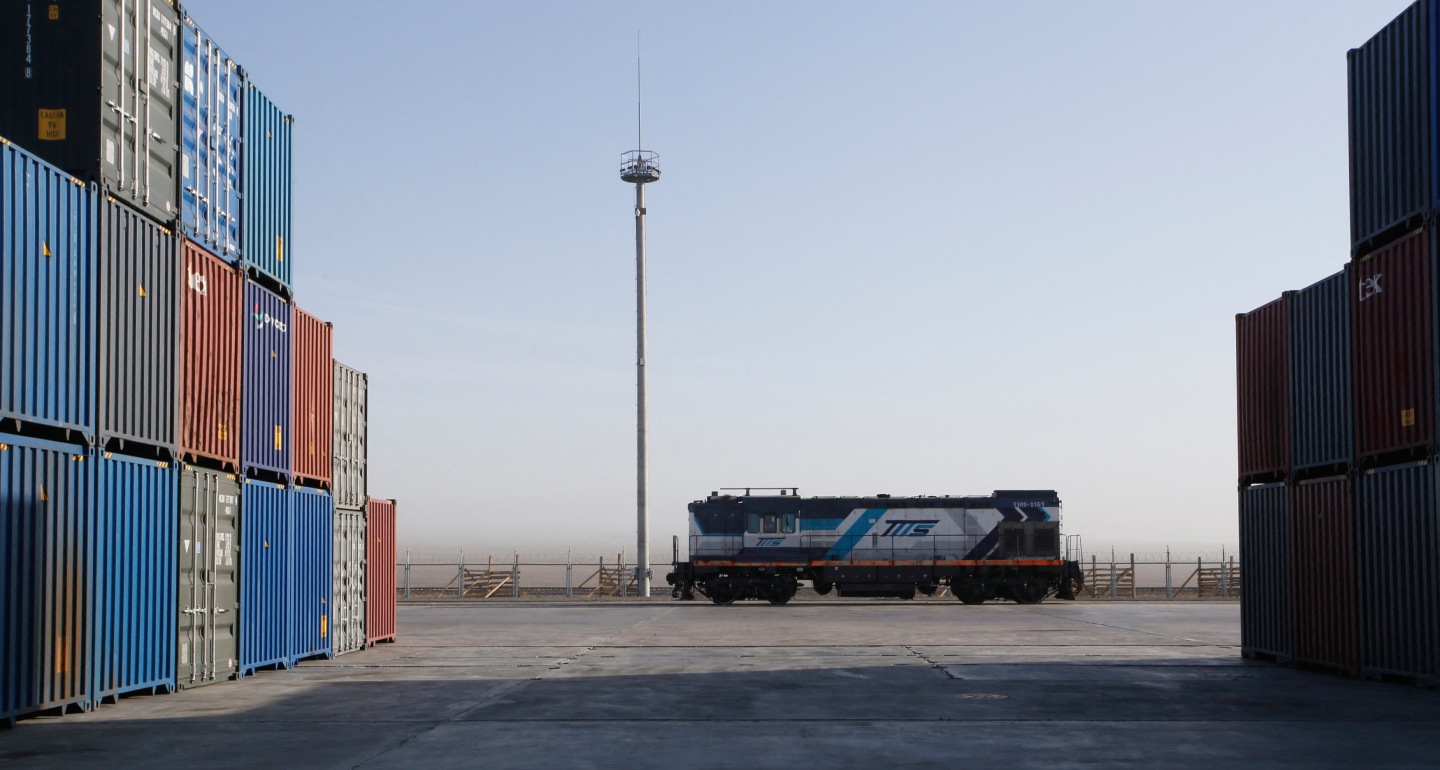
This year’s wars have made alternative routes to transit through Russia no less risky for Central Asian countries.
Galiya Ibragimova

Minsk’s faith in the future of its larger neighbor’s economy is fading as Belarusian firms in Russia see record losses.

Olga Loiko