

Commentary
A leak of Russian gas price data helps establish that China is paying Russia far less than Central Asian countries and Gazprom’s former European customers.
Sergey Vakulenko

Source: Carnegie
Nancy Birdsall and Augusto de la Torre with Rachel Menezes
Transcript of the event
The Washington Consensus , which focused on structural adjustment and growth, has dominated economic policy change for over a decade worldwide. But times have changed. A new consensus has emerged that assigns high priority to reducing poverty and improving equity. This report sets out economic policies—10 domestic and one international—that would transform this consensus into political reality in Latin America.
Washington Contentious: Economic Policies for Social Equity in Latin America spells out the findings of the Commission on Economic Reform in Unequal Latin American Societies sponsored by the Carnegie Endowment for International Peace and the Inter-American Dialogue
Former Senior Associate
Rachel Menezes
Carnegie does not take institutional positions on public policy issues; the views represented herein are those of the author(s) and do not necessarily reflect the views of Carnegie, its staff, or its trustees.
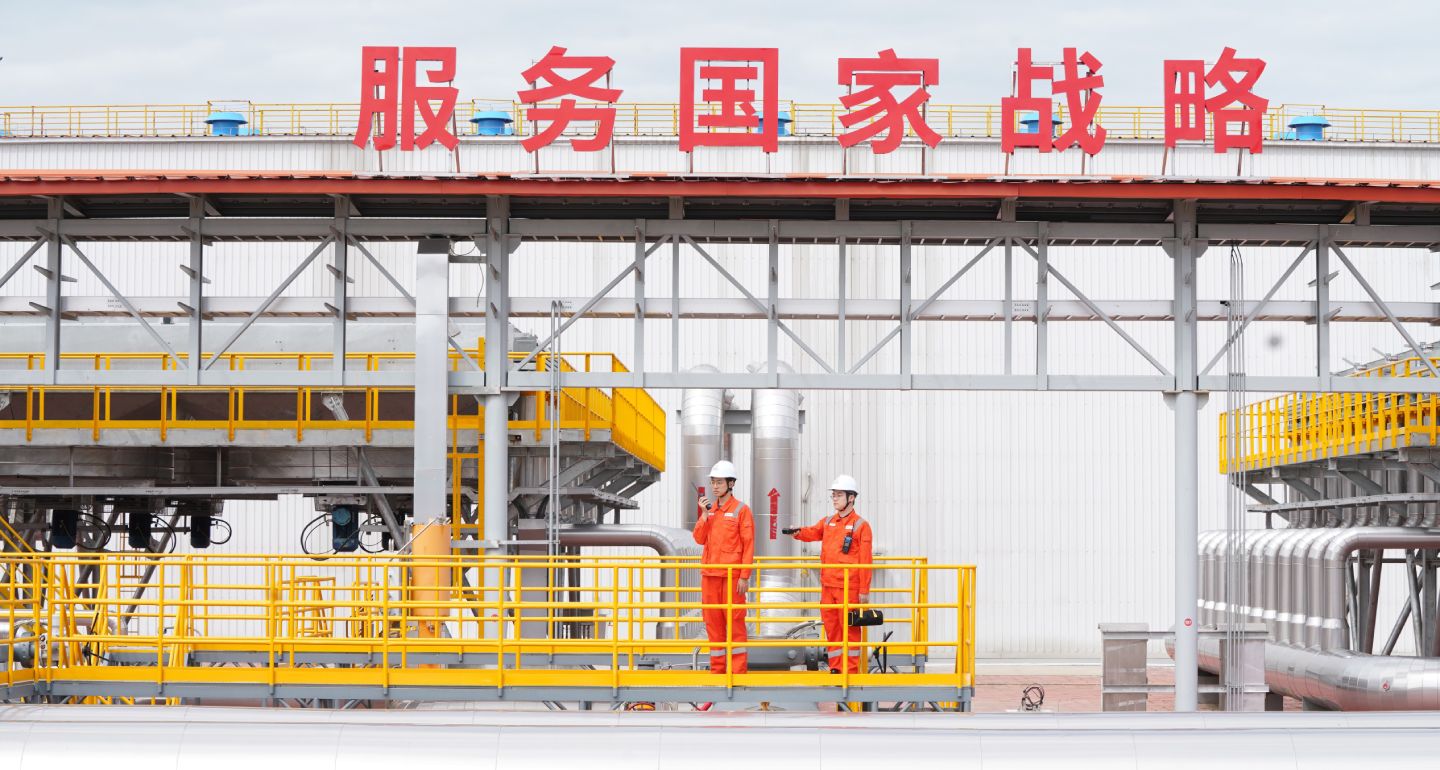
A leak of Russian gas price data helps establish that China is paying Russia far less than Central Asian countries and Gazprom’s former European customers.

Sergey Vakulenko

Without a ceasefire with Ukraine on attacking each other’s energy infrastructure—to which the Kremlin is unlikely to agree—the diesel agreement between Putin and Trump is largely for show, rather than representing a genuine increase in the volumes of Russian diesel on the global market.
Sergey Vakulenko

Cargo traffic through Russia’s Northern Sea Route has increased because of the disruption caused by the conflict in the Middle East, the Ukraine war, and U.S.-China tensions.

Mikhail Korostikov

Trump has promised Belarus a massive potash deal. But Minsk is seeking something greater: restored Western transit and greater room for maneuver from Russia.

Balázs Jarábik

When faced with fuel shortages in the past, Central Asian governments could always count on additional supplies from Moscow. That safety net no longer exists.

Galiya Ibragimova