

In The Media
Martha Brill Olcott

REQUIRED IMAGE
Source: Carnegie
Summary
Nearly ten years have passed since the countries of Central Asia received their independence. This impending anniversary affords a good opportunity to look at how these states are managing the state-building process and, in particular, at what symbolic or ideological defenses they are offering for their actions.
Six years ago, Martha Brill Olcott wrote about the "Twelve Myths of Central Asia." In this new working paper, she revisits these same myths and comments on their continued applicability. She examines the myths that the five Central Asian leaders are using to explain away the very disappointing results in both economic and, especially, political reforms. Olcott also shows how U.S. policy makers have bought into some of these myths and how, after ten years of independence, stagnation is more prevalent than progress in the region, with security risks increasing rather than abating.
Click on link above for full text of this Carnegie Paper.
About the Author
Martha Brill Olcott is senior associate in the Russian and Eurasian Program at the Carnegie Endowment. Her books include Getting it Wrong: Regional Cooperation and the Commonwealth of Independent States, Russia After Communism, and The Kazakhs.
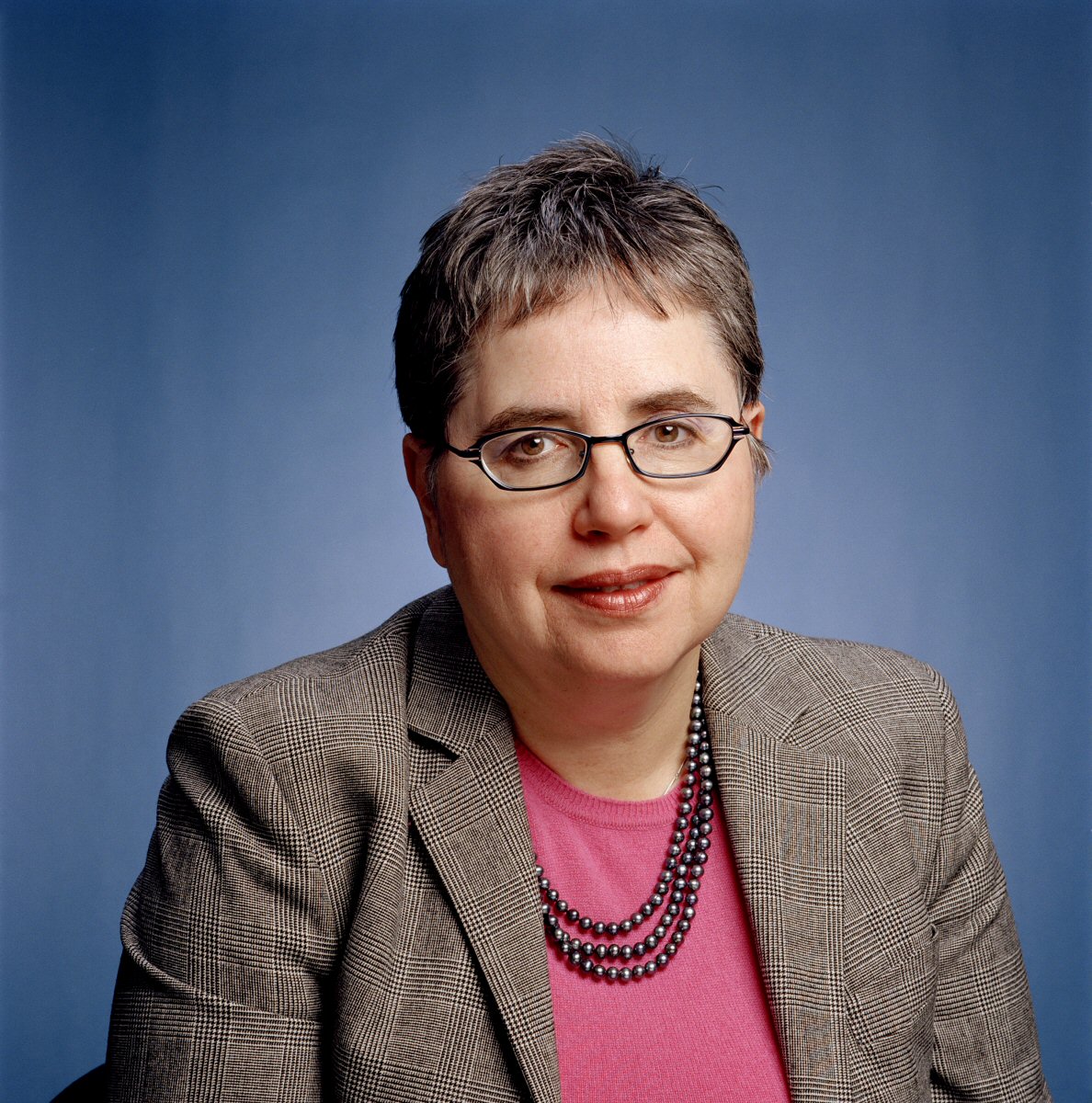
Former Senior Associate, Russia and Eurasia Program and, Co-director, al-Farabi Carnegie Program on Central Asia
Olcott is professor emerita at Colgate University, having taught political science there from 1974 to 2002. Prior to her work at the endowment, Olcott served as a special consultant to former secretary of state Lawrence Eagleburger.
Recent Work
Martha Brill Olcott
Martha Brill Olcott
Carnegie does not take institutional positions on public policy issues; the views represented herein are those of the author(s) and do not necessarily reflect the views of Carnegie, its staff, or its trustees.

In the tenth year of his presidency, President Mirziyoyev’s system is becoming even more personalized than that of his predecessor Karimov.

Galiya Ibragimova

With the growth in points of friction between the great powers, organizations like the SCO will continue to play a role in the strategic adaptation of the smaller powers caught between them.

Temur Umarov

The greater threat to Zelensky comes not from Fedorov alone, but from the convergence between the former defense minister’s political campaign and the anti-corruption investigations moving ever closer to the presidential administration.

Balázs Jarábik
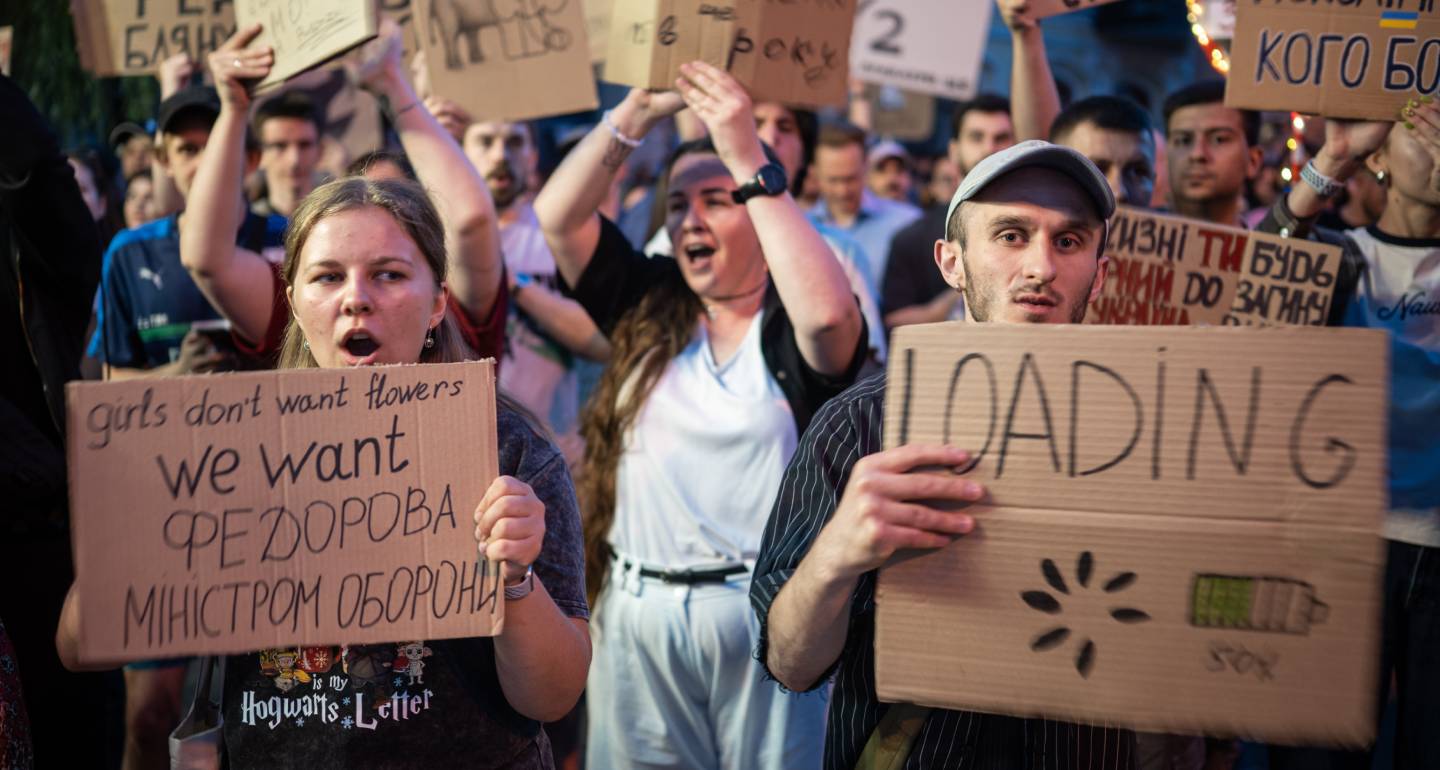
With his public call for new elections in Ukraine, ex-defense minister Mykhailo Fedorov has opened Pandora’s box.

Konstantin Skorkin
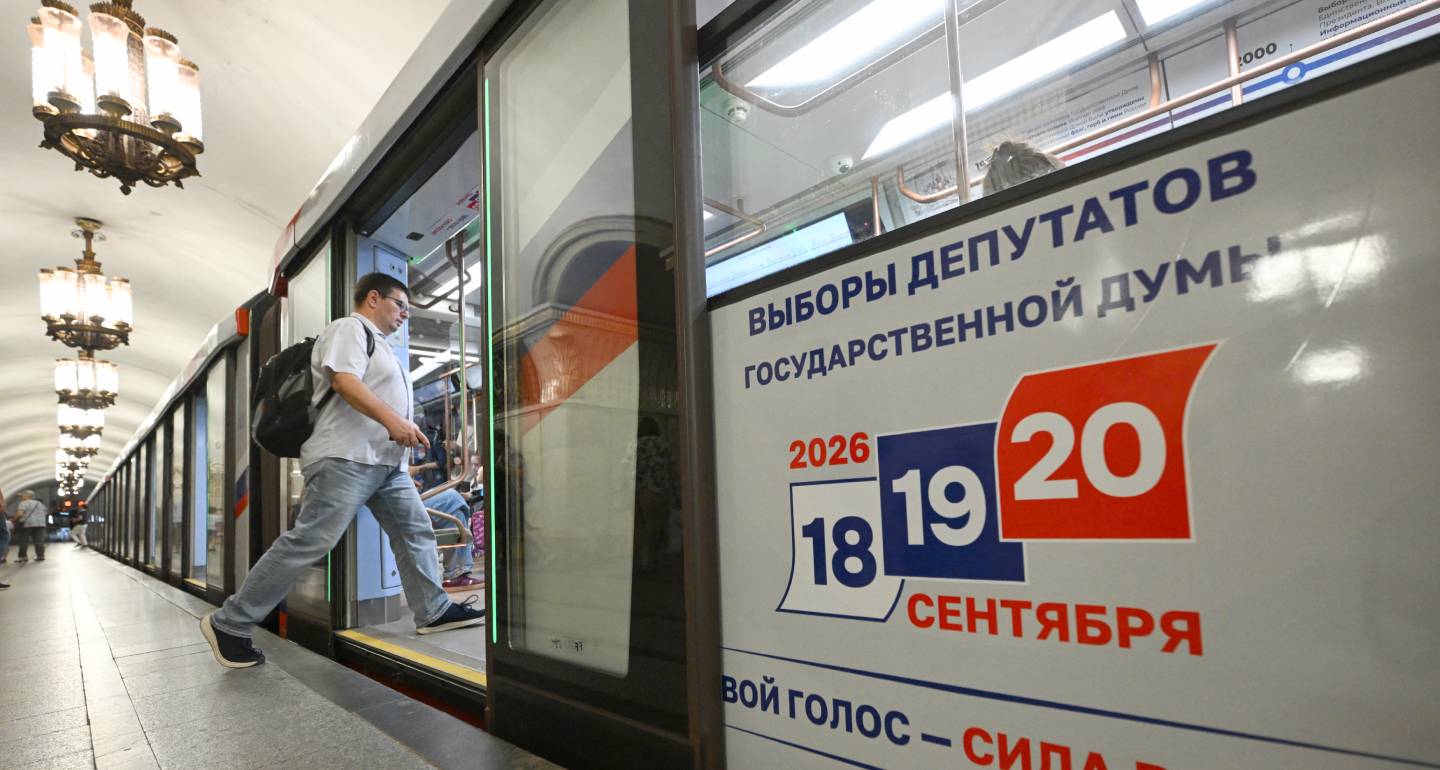
In the discussions made possible by the State Duma election campaign, one question is being asked more and more loudly. “What next?”

Andrey Pertsev