

Commentary
Two divergent trends—Putin’s hardline vision of how to prosecute the war in Ukraine, and a growing desire for change in Russia—could tear the regime apart.
Tatiana Stanovaya

REQUIRED IMAGE
The two presidents have missed a historic opportunity to set up an international exchange of data on nuclear stockpiles, as well as mutual, verifiable elimination of warheads.
Source: Carnegie
The latest Tom Clancy-based film, "The Sum of All Fears," promises to be more than just the latest thriller. The film is based on a frightening premise, and raises the important question: Could terrorists acquire a lost nuclear bomb, smuggle it into the United States and detonate it on American soil? The short answer is yes.
To measure the potential for life imitating art, consider four basic questions. Could a country lose a nuclear weapon? Are any missing now? Could a terrorist group get expert help to make a bomb work? Could a bomb be smuggled into the United States? The answers are alarming.
Could a country lose a nuclear weapon?
In fact, it has already happened. The United States has lost several nuclear devices, including one left in the Sea of Japan after an A-4 jet plane rolled off of the aircraft carrier Ticonderoga in 1965. Two more weapon cores were lost over the Mediterranean Sea in the 1956 when the B-47 bomber carrying them disappeared without a trace. While there is no clear evidence, we believe Russia may have also lost nuclear weapons, but no reliable information exists on losses from Russia, China or other nuclear weapon states. The condition of nuclear accounting in Israel, India and Pakistan is an even greater mystery.
Are weapons missing now?
We simply don't know. While the United States is working with Russia to help secure their nuclear weapons, there is no accurate way to know if they are all accounted for. Estimates of Russia's tactical nuclear stockpile - small weapons that are easy to move and hard to track - range from 3,500 to 15,000. Aside from weapons, we do know that nuclear weapon-usable materials have been stolen and have found their way onto the black market.
If a terrorist group got a weapon or materials, could they get expert help making it work?
Yes. It has long been recognized that the hardest part of producing a nuclear weapon is acquiring the nuclear materials. The rest is engineering. Russia continues to maintain a huge nuclear complex employing thousands of underpaid, demoralized people. Surveys show that more than 80 percent of this technologically advanced population make less than $50 a month, and that 14 percent would be willing to do military work "for others." It would take only a few of these experts to make a terrorist's nuclear fantasy come true.
But could a stolen and jury-rigged weapon get into the United States?
Despite their best and heightened efforts, U.S. Customs officials acknowledge that there is no way to check every ship, plane and cargo container that arrives here every year. With more than 16 million containers to check, and more than 12,000 miles of coastline and 14,000 airports to control, the sheer magnitude of the task suggests that there is a reasonable chance a bomb could get through. Ask any drug smuggler with a small plane.
After answering these four tough questions, the next question is obvious: What can be done? As the adage says, the best defense is a good offense. The best way to keep a nuclear weapon from being smuggled into the United States is to prevent it from being stolen in the first place. This means the United States, Russia and all nuclear weapon states need to do a better job of controlling nuclear weapons, and they need to eliminate as many as possible.
Unfortunately, this reality has not yet informed U.S. actions with regards to the Russian nuclear situation, as evidenced by the arms reduction treaty signed last week by Presidents Bush and Vladimir Putin. This agreement does little to reduce the real nuclear dangers facing both countries and may, in many respects, make the threat even worse.
Preventing Nuclear Terrorism?
The United States is helping Russia secure weapons and materials, but the work is going much too slowly. Moreover, the Bush administration is sending Russia and other states mixed messages with its plans to retain large numbers of nuclear weapons and to develop a new generation of mini-nukes.
The new U.S.-Russian treaty limits the number of weapons deployed on missiles and bombers, but does not require or provide transparency or security over the elimination of any weapons. In Russia, it is likely that warheads will simply be moved from active deployment to relatively insecure warehouses.
Ten years from now, both nations will each still have more than 10,000 nuclear weapons. The two presidents have missed a historic opportunity to set up an international exchange of data on nuclear stockpiles, as well as mutual, verifiable elimination of warheads. As a result, more nuclear weapons will remain in circulation and in storage - weapons that might some day be lost, stolen or sold - than could have been the case. The two must now set their governments to follow up this initial pact with real verification and security measures to ensure that weapons no longer targeted at the United States don't find their targets in another way.
Movies can make us laugh, cry and even feel. This one, above all, should make us think and act.
------------------------------------------------------------------------
This article is adapted from an opinion-editorial that first appeared in the Charlotte Observer, the Milwaukee Journal Sentinel, and the St. Paul Pioneer Press.
Joseph Cirincione and Jon Wolfsthal are co-authors of "Deadly Arsenals: Tracking Weapons of Mass Destruction" and are, respectively, senior associate and associate with the Carnegie Endowment for International Peace.

Former Senior Associate, Director for NonProliferation

Former Nonresident Scholar, Nuclear Policy Program
Jon Wolfsthal was a nonresident scholar with the Nuclear Policy Program.
Carnegie does not take institutional positions on public policy issues; the views represented herein are those of the author(s) and do not necessarily reflect the views of Carnegie, its staff, or its trustees.

Two divergent trends—Putin’s hardline vision of how to prosecute the war in Ukraine, and a growing desire for change in Russia—could tear the regime apart.

Tatiana Stanovaya

Andrey Melnichenko’s essay offers no answer to the fundamental question of how, under any kind of negotiated settlement, Europe can protect itself from the Russian ressentiment that is inevitable in all scenarios except for an outright victory for Putin.

Leonid Bershidsky
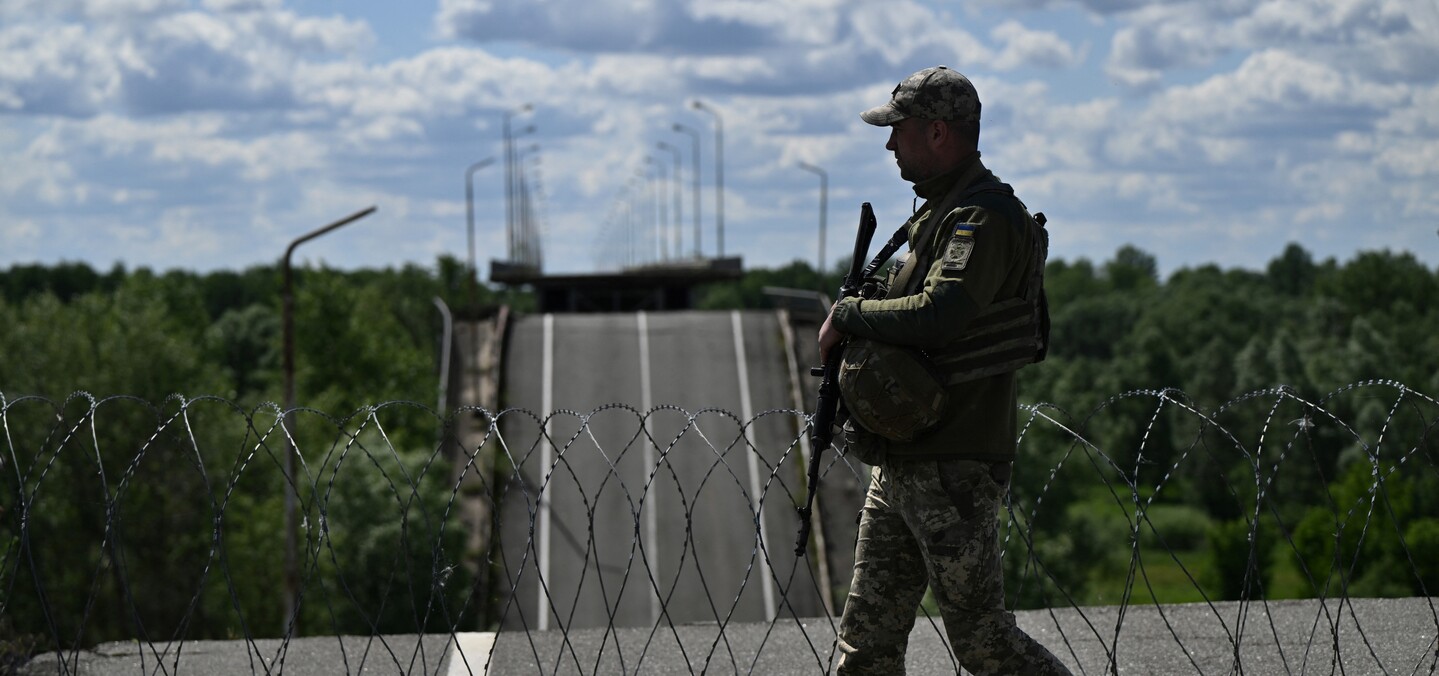
The recent damage inflicted by Ukrainian drones and missiles on Russia has made Belarus aware of its own vulnerabilities—and surprisingly amenable to Kyiv’s demands.

Artyom Shraibman
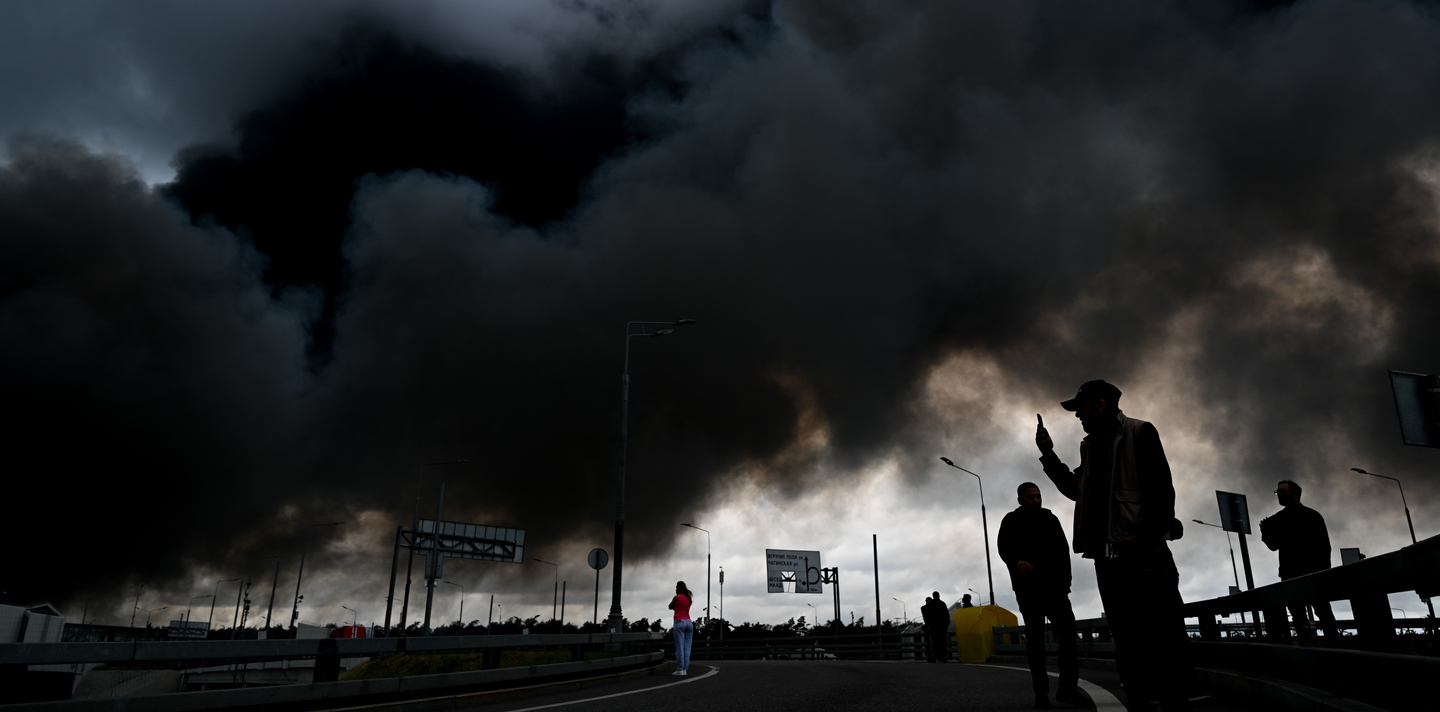
It is not a phenomenon unique to Russia that the public of a country at war (even the aggressor) enduring airstrikes will not overturn its government but rather show solidarity with it and blame its woes on the enemy.

Vladislav Gorin

Ongoing uncertainty in the Middle East allows Moscow to both increase its influence in Tehran and continue to enjoy the financial windfall of higher oil prices.

Nikita Smagin