

Paper
Mei Ying Gechlik (Veron Hung)

REQUIRED IMAGE
China's accession to the World Trade Organization thrusts formidable challenges on Chinese leadership to honor promises relating to the country's rule of law developments. The United States and the international community should seize this unprecedented opportunity by directing more resources toward such reform efforts.
Source: Carnegie Paper No. 32
Summary
China's accession to the World Trade Organization thrusts formidable challenges on Chinese leadership to honor promises relating to the country's rule of law developments. The United States and the international community should seize this unprecedented opportunity by directing more resources toward such reform efforts.
Realistic goals include assisting China in restructuring the court system to be more independent of local governments and the CCP; advising on fiscal reform; exploring the possibility of a circuit appeal court or separate administrative court system; and assisting in drafting and, later, enforcing laws that would limit the power of CCP organs. These small steps could produce larger scale reform in China.
Click on link above for full text of this Carnegie Paper.
About the Author
Veron Mei-Ying Hung is an associate in Carnegie's China Program. An expert in Chinese law, she has in-depth experience in administrative litigation and judicial reform in China, constitutional development in Hong Kong, human rights, and trade.
A limited number of print copies are available of this report.
Request a copy.
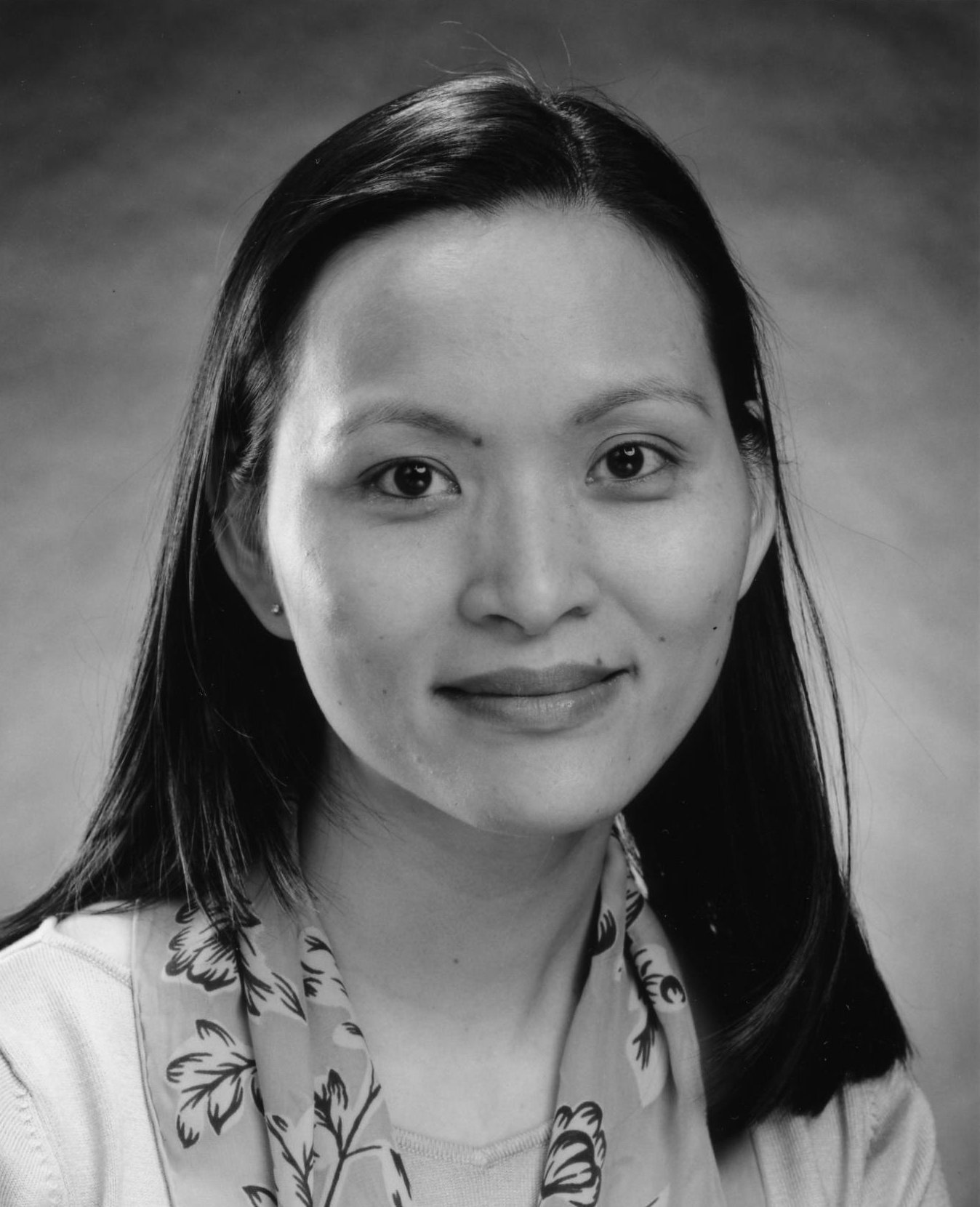
Former Non-Resident Associate
Recent Work
Mei Ying Gechlik (Veron Hung)
Mei Ying Gechlik (Veron Hung)
Carnegie does not take institutional positions on public policy issues; the views represented herein are those of the author(s) and do not necessarily reflect the views of Carnegie, its staff, or its trustees.

Depleted financial reserves and a shrinking tax base mean it is no longer possible to simultaneously deliver high defense spending, price stability, and economic growth.

Alexandra Prokopenko

In the tenth year of his presidency, President Mirziyoyev’s system is becoming even more personalized than that of his predecessor Karimov.

Galiya Ibragimova

With the growth in points of friction between the great powers, organizations like the SCO will continue to play a role in the strategic adaptation of the smaller powers caught between them.

Temur Umarov

The greater threat to Zelensky comes not from Fedorov alone, but from the convergence between the former defense minister’s political campaign and the anti-corruption investigations moving ever closer to the presidential administration.

Balázs Jarábik

With his public call for new elections in Ukraine, ex-defense minister Mykhailo Fedorov has opened Pandora’s box.

Konstantin Skorkin